Public Steam disclosure research25,508 disclosures tracked
Where do games disclose AI use?
Search developers’ Steam disclosures, compare classified AI use across
games, and follow recorded changes.
This index adds cross-game classifications and statistics to
statements published on individual store pages.
Groups reflect automatic analysis of public disclosures; mature records are excluded. These counts do not measure AI use across all of Steam.
Missing or unclear statements cannot establish whether a game uses AI.
Generative AI tools were used during the development of the game in the following areas:
Programming & Code: The vast majority of the game's codebase was written with the assistance of AI.
Graphics & Visuals: A portion of the 2D artwork, promotional graphics, and UI icons were generated or created using AI tools.
Audio & Music: AI tools were used to generate some of the soundtrack.
All AI-generated content was reviewed, edited, and integrated into the final game by human developers.
The game uses a mix of original, handmade assets and a few pre-generated AI components:
- Voice & Narration: The narration for text lines has been generated using AI voice generation tools.
- Music: The background music tracks contain AI-generated music.
- Marketing & Branding: Out-of-game visual assets (such as the storefront graphics, library capsules, desktop icon, and startup splash art) contain AI-generated elements.
All core code, gameplay mechanics, level design, in-game visual assets and the original story were created entirely from scratch without AI assistance.
Some sound effects in this game were created with the help of generative AI tools, and edited by hand afterwards. All other assets — art, models, animation and design — were made or licensed by the developer without generative AI.
Some music and portions of localized text were created with the assistance of generative AI tools. All AI-assisted content was reviewed, edited, and integrated by the developer before being included in the final game. No AI-generated content is created during gameplay.
Generative AI tools were used during development to assist with the creation of some game artwork, audio, localization text, and other game content. All AI-assisted outputs were reviewed and, where necessary, edited by the developer before being included in the game. The game does not generate AI content during gameplay.
Background Art — AI generation tools were used for some of the background images. Not all backgrounds were created with AI; hand-made backgrounds are also used. AI-assisted images were further processed to match the game's pixel art style.
Music — The music in this game was created using AI generation tools.
Generative AI tools were used during development to assist in creating some pre-generated visual and audio assets included in the game and its marketing materials. AI tools were also used to assist with coding. All AI-assisted content was reviewed and, where necessary, edited by the developer. No content is generated by AI during gameplay.
Evymind Clips uses AI to help you find the best moments in videos you choose. It can transcribe speech, translate subtitles, and suggest highlights with helpful titles and short summaries. You remain in control: every suggestion can be reviewed, adjusted, or removed before export.
The application only works from your source video. It does not create new footage, voices, music, or images. Depending on the feature, AI processing may take place on your computer or through our cloud service.
The illustrations, the sound effects and the music in this game were created with the help of generative AI tools, then selected, edited, arranged and mixed by hand. Every cat and every bonus object was placed by hand. There is no live AI generation while the game is running: everything ships with the build and is identical for every player.
Some graphic and sound assets included in the game were created using generative AI tools during development. The game does not use real-time generative AI and does not connect to external AI services during gameplay.
Generative AI tools were used during the development of Bubblecore: Survivors to assist with programming and to create some of the game’s visual and audio assets. All AI-assisted content was selected, edited, integrated, and reviewed by the developer.
Generative AI is not used at runtime: the game does not connect to AI services or generate content while the player is playing.
All in-game video footage (including characters, scenes, cutscenes,music) is generated using AI tools.
Dialogue writing, choice design, stat system, UI design, programming are hand-crafted by the development team.
All spoken dialogue in KRIS: The Last Good Summer is generated using AI text-to-speech technology, in both English and German. No other game content (art, music, writing, or code) uses generative AI.
Development used generative tools to assist with pre-generated pixel-art characters, environments, UI, effects and reference images (PixelLab and OpenAI image generation); pre-generated sound effects and voices (ElevenLabs); pre-generated music (Stable Audio); and portions of game code, tests and documentation (OpenAI Codex, Claude Code). Outputs were selected, edited, integrated and tested by the developer. The shipped game does not generate AI content at runtime and does not send player prompts to an AI service.
Some images and sound effects were created or assisted by generative AI and were reviewed, edited, and integrated into the game by the developer. No real-time generative AI is used during gameplay.
Generative AI tools were used during the development of Only Up: 2D Platformer to create and assist with certain game content. This includes portions of the game's code, some visual assets, the soundtrack, and additional localization content.
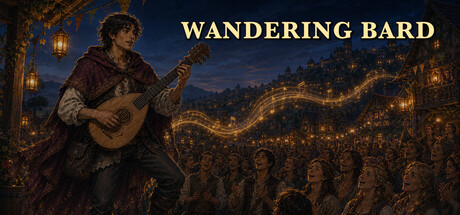
Development of Wandering Bard used generative AI tools to assist with some pre-generated character portraits, environment and store artwork, narrative and dialogue text, fixed character voice recordings, and instrumental music. All of this content was generated before release, then reviewed, selected, edited and integrated by the developer. The game does not generate content during play and does not connect to external AI services during play.
Some elements of this game were created using generative AI tools: part of the visual assets (including the logo), the music, and part of the translations. No generative AI is used during gameplay.
Some of this game's assets were made with the assistance of generative AI tools and were reviewed, curated and hand-finished by the developer. No content is generated while you play.
Selected visual assets and music tracks were created using generative AI tools as part of the production process. All AI-generated material was reviewed, curated, and integrated by the developer to ensure consistency with the game’s creative direction. No AI-generated content is produced during gameplay.
The background art, character art, and music in this game were created with the assistance of generative AI tools. The story and narrative text were written by humans.
This game’s art, music, and localization were created with the assistance of generative AI during production. All related content was pre-generated during development, then selected and integrated by the developer. No generative AI services are called during gameplay, and no AI content is generated in real time.
Some of the game's background music was created using generative AI tools. Parts of the game's localization (text translations) were also produced with AI assistance and reviewed by the team. All other content — game design, artwork, and core systems — was created without generative AI.
Some art, icons, music, sound effects, and marketing or store assets were created or assisted with generative AI tools during development, then reviewed and curated by the team. The game does not generate new AI content in real time during gameplay and does not connect to external AI services while you play.
Some of this game's assets were produced with the help of generative AI tools: the 2D key art and cinematic stills used in the trailer, capsule art and main menu; the base meshes for the twelve zodiac fighters, generated with Meshy and then rigged, retextured and reworked by hand; and part of the music and sound effects. Every AI-generated asset was reviewed, edited and integrated manually before shipping. No generative AI runs at runtime — nothing is generated while you play.
Generative AI tools were used during development to create background music with Suno, application and shortcut icon artwork, and Steam store and library artwork. They were also used to assist with programming and player-facing text, including Steam store descriptions and localization. All included AI-assisted outputs were reviewed and approved by the developer before inclusion. The game does not use live-generated AI.
LIMP MODE is made by a solo developer who uses generative AI as a tool during production.
Where AI was used: the game's code, the cover artwork that all store page capsule images are built from, the songs played on the in-game radio, the spoken lines of one story character (text-to-speech), parts of the in-game visual and audio assets, and the drafting of the English store page and marketing texts. The player character's voice lines are recorded by the developer himself and are not AI-generated.
All game design, mechanics, balancing and creative direction come from the developer. Every AI-assisted result was reviewed and edited by the developer before it shipped.
The game does not generate any content while it is running and does not connect to any AI service during gameplay.
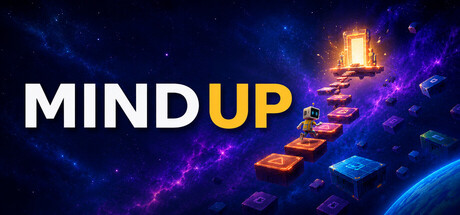
MindUP uses some pre-rendered AI-assisted visual, audio, and promotional assets. The game does not use live generative AI during gameplay, and no player prompts or AI-generated gameplay content are created at runtime.
RingOut uses generative AI to create part of its content. Some 2D artwork (character illustrations, key art and store/marketing images) and some audio (music and/or sound effects) were created with generative AI tools during development, then reviewed, edited and integrated by the developer. All 3D models are hand-made. No content is generated by AI in real time during gameplay.
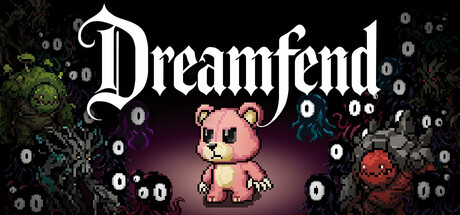
Some assets in Dreamfend were created using generative AI tools. This applies to the music and to some of the visual assets. All such content is reviewed and refined by hand to match the game's style and the author's intent. No content is generated during gameplay.
Artificial intelligence tools were utilized as a reference and assistive aid in the creation of certain art assets, audio elements, and localization translations for this game.
Portions of this game's content were created with the assistance of generative AI tools under human direction and review. This includes much but not all of the visual artwork, the soundtrack, and the store page text and marketing copy. All AI-assisted content was curated, edited, and approved by the developer.
Parts of the artwork (customer portraits, studio backgrounds, skin imagery, some tattoo motifs), the background music, and some store page images were created with generative AI tools and then edited and integrated by the developer. Game design, mechanics and game logic are the developer's own work. No content is generated while the game is running.
Voxel Siege uses generative AI for some pre-generated content, all reviewed by the developer before inclusion. Specifically: some in-game material/block textures were created with AI image tools; the music and sound effects were created with AI audio-generation tools; the store page description and some marketing copy were drafted with AI assistance; and some level/fortress layouts were generated with AI-assisted tooling. All AI-generated content was created during development (not live or at runtime), was reviewed by the developer, and does not incorporate third-party intellectual property. The game does not generate any AI content live during gameplay.
All spoken roles were performed by the developer, Morph. Those recordings were then transformed into different character voices and accents using AI voice conversion and further processed with Logic Pro.
As a small indie studio, we set out to bring as many of our ideas to life as possible and deliver a deep gaming experience. To turn these ambitions into reality, we utilized AI as an assistant tool. Neural networks helped us write code, create some of the art, and voice the characters. However, the entire creative concept, the design of the interactive diary, the shadow theater sequence, and the overall atmosphere of the project are completely the result of our human imagination and direction.
Some ambient audio in this game — background crowd voices and station announcements — is generated using neural text-to-speech. All visual art, music, and narrative writing are human-authored or made with traditional, non-generative tools.
Some visual assets (a portion of skill icons and the boss health-bar UI element) and background music tracks were created with the assistance of AI generation tools.
Generative AI tools were used during the development of the game in the following areas:
Programming & Code: The vast majority of the game's codebase was written with the assistance of AI.
Graphics & Visuals: A portion of the 2D artwork, promotional graphics, and UI icons were generated or created using AI tools.
Audio & Music: AI tools were used to generate some of the soundtrack.
All AI-generated content was reviewed, edited, and integrated into the final game by human developers.
The game uses a mix of original, handmade assets and a few pre-generated AI components:
- Voice & Narration: The narration for text lines has been generated using AI voice generation tools.
- Music: The background music tracks contain AI-generated music.
- Marketing & Branding: Out-of-game visual assets (such as the storefront graphics, library capsules, desktop icon, and startup splash art) contain AI-generated elements.
All core code, gameplay mechanics, level design, in-game visual assets and the original story were created entirely from scratch without AI assistance.
Some sound effects in this game were created with the help of generative AI tools, and edited by hand afterwards. All other assets — art, models, animation and design — were made or licensed by the developer without generative AI.
Some music and portions of localized text were created with the assistance of generative AI tools. All AI-assisted content was reviewed, edited, and integrated by the developer before being included in the final game. No AI-generated content is created during gameplay.
Generative AI tools were used during development to assist with the creation of some game artwork, audio, localization text, and other game content. All AI-assisted outputs were reviewed and, where necessary, edited by the developer before being included in the game. The game does not generate AI content during gameplay.
Background Art — AI generation tools were used for some of the background images. Not all backgrounds were created with AI; hand-made backgrounds are also used. AI-assisted images were further processed to match the game's pixel art style.
Music — The music in this game was created using AI generation tools.
Generative AI tools were used during development to assist in creating some pre-generated visual and audio assets included in the game and its marketing materials. AI tools were also used to assist with coding. All AI-assisted content was reviewed and, where necessary, edited by the developer. No content is generated by AI during gameplay.
Evymind Clips uses AI to help you find the best moments in videos you choose. It can transcribe speech, translate subtitles, and suggest highlights with helpful titles and short summaries. You remain in control: every suggestion can be reviewed, adjusted, or removed before export.
The application only works from your source video. It does not create new footage, voices, music, or images. Depending on the feature, AI processing may take place on your computer or through our cloud service.
The illustrations, the sound effects and the music in this game were created with the help of generative AI tools, then selected, edited, arranged and mixed by hand. Every cat and every bonus object was placed by hand. There is no live AI generation while the game is running: everything ships with the build and is identical for every player.
Some graphic and sound assets included in the game were created using generative AI tools during development. The game does not use real-time generative AI and does not connect to external AI services during gameplay.
Generative AI tools were used during the development of Bubblecore: Survivors to assist with programming and to create some of the game’s visual and audio assets. All AI-assisted content was selected, edited, integrated, and reviewed by the developer.
Generative AI is not used at runtime: the game does not connect to AI services or generate content while the player is playing.
All in-game video footage (including characters, scenes, cutscenes,music) is generated using AI tools.
Dialogue writing, choice design, stat system, UI design, programming are hand-crafted by the development team.
All spoken dialogue in KRIS: The Last Good Summer is generated using AI text-to-speech technology, in both English and German. No other game content (art, music, writing, or code) uses generative AI.
Development used generative tools to assist with pre-generated pixel-art characters, environments, UI, effects and reference images (PixelLab and OpenAI image generation); pre-generated sound effects and voices (ElevenLabs); pre-generated music (Stable Audio); and portions of game code, tests and documentation (OpenAI Codex, Claude Code). Outputs were selected, edited, integrated and tested by the developer. The shipped game does not generate AI content at runtime and does not send player prompts to an AI service.
Some images and sound effects were created or assisted by generative AI and were reviewed, edited, and integrated into the game by the developer. No real-time generative AI is used during gameplay.
Generative AI tools were used during the development of Only Up: 2D Platformer to create and assist with certain game content. This includes portions of the game's code, some visual assets, the soundtrack, and additional localization content.
Development of Wandering Bard used generative AI tools to assist with some pre-generated character portraits, environment and store artwork, narrative and dialogue text, fixed character voice recordings, and instrumental music. All of this content was generated before release, then reviewed, selected, edited and integrated by the developer. The game does not generate content during play and does not connect to external AI services during play.
Some elements of this game were created using generative AI tools: part of the visual assets (including the logo), the music, and part of the translations. No generative AI is used during gameplay.
Some of this game's assets were made with the assistance of generative AI tools and were reviewed, curated and hand-finished by the developer. No content is generated while you play.
Selected visual assets and music tracks were created using generative AI tools as part of the production process. All AI-generated material was reviewed, curated, and integrated by the developer to ensure consistency with the game’s creative direction. No AI-generated content is produced during gameplay.
The background art, character art, and music in this game were created with the assistance of generative AI tools. The story and narrative text were written by humans.
This game’s art, music, and localization were created with the assistance of generative AI during production. All related content was pre-generated during development, then selected and integrated by the developer. No generative AI services are called during gameplay, and no AI content is generated in real time.
Some of the game's background music was created using generative AI tools. Parts of the game's localization (text translations) were also produced with AI assistance and reviewed by the team. All other content — game design, artwork, and core systems — was created without generative AI.
Some art, icons, music, sound effects, and marketing or store assets were created or assisted with generative AI tools during development, then reviewed and curated by the team. The game does not generate new AI content in real time during gameplay and does not connect to external AI services while you play.
Some of this game's assets were produced with the help of generative AI tools: the 2D key art and cinematic stills used in the trailer, capsule art and main menu; the base meshes for the twelve zodiac fighters, generated with Meshy and then rigged, retextured and reworked by hand; and part of the music and sound effects. Every AI-generated asset was reviewed, edited and integrated manually before shipping. No generative AI runs at runtime — nothing is generated while you play.
Generative AI tools were used during development to create background music with Suno, application and shortcut icon artwork, and Steam store and library artwork. They were also used to assist with programming and player-facing text, including Steam store descriptions and localization. All included AI-assisted outputs were reviewed and approved by the developer before inclusion. The game does not use live-generated AI.
LIMP MODE is made by a solo developer who uses generative AI as a tool during production.
Where AI was used: the game's code, the cover artwork that all store page capsule images are built from, the songs played on the in-game radio, the spoken lines of one story character (text-to-speech), parts of the in-game visual and audio assets, and the drafting of the English store page and marketing texts. The player character's voice lines are recorded by the developer himself and are not AI-generated.
All game design, mechanics, balancing and creative direction come from the developer. Every AI-assisted result was reviewed and edited by the developer before it shipped.
The game does not generate any content while it is running and does not connect to any AI service during gameplay.
MindUP uses some pre-rendered AI-assisted visual, audio, and promotional assets. The game does not use live generative AI during gameplay, and no player prompts or AI-generated gameplay content are created at runtime.
RingOut uses generative AI to create part of its content. Some 2D artwork (character illustrations, key art and store/marketing images) and some audio (music and/or sound effects) were created with generative AI tools during development, then reviewed, edited and integrated by the developer. All 3D models are hand-made. No content is generated by AI in real time during gameplay.
Some assets in Dreamfend were created using generative AI tools. This applies to the music and to some of the visual assets. All such content is reviewed and refined by hand to match the game's style and the author's intent. No content is generated during gameplay.
Artificial intelligence tools were utilized as a reference and assistive aid in the creation of certain art assets, audio elements, and localization translations for this game.
Portions of this game's content were created with the assistance of generative AI tools under human direction and review. This includes much but not all of the visual artwork, the soundtrack, and the store page text and marketing copy. All AI-assisted content was curated, edited, and approved by the developer.
Parts of the artwork (customer portraits, studio backgrounds, skin imagery, some tattoo motifs), the background music, and some store page images were created with generative AI tools and then edited and integrated by the developer. Game design, mechanics and game logic are the developer's own work. No content is generated while the game is running.
Voxel Siege uses generative AI for some pre-generated content, all reviewed by the developer before inclusion. Specifically: some in-game material/block textures were created with AI image tools; the music and sound effects were created with AI audio-generation tools; the store page description and some marketing copy were drafted with AI assistance; and some level/fortress layouts were generated with AI-assisted tooling. All AI-generated content was created during development (not live or at runtime), was reviewed by the developer, and does not incorporate third-party intellectual property. The game does not generate any AI content live during gameplay.
All spoken roles were performed by the developer, Morph. Those recordings were then transformed into different character voices and accents using AI voice conversion and further processed with Logic Pro.
As a small indie studio, we set out to bring as many of our ideas to life as possible and deliver a deep gaming experience. To turn these ambitions into reality, we utilized AI as an assistant tool. Neural networks helped us write code, create some of the art, and voice the characters. However, the entire creative concept, the design of the interactive diary, the shadow theater sequence, and the overall atmosphere of the project are completely the result of our human imagination and direction.
Some ambient audio in this game — background crowd voices and station announcements — is generated using neural text-to-speech. All visual art, music, and narrative writing are human-authored or made with traditional, non-generative tools.
Some visual assets (a portion of skill icons and the boss health-bar UI element) and background music tracks were created with the assistance of AI generation tools.