Public Steam disclosure research25,380 disclosures tracked
Where do games disclose AI use?
Search developers’ Steam disclosures, compare classified AI use across
games, and follow recorded changes.
This index adds cross-game classifications and statistics to
statements published on individual store pages.
Groups reflect automatic analysis of public disclosures; mature records are excluded. These counts do not measure AI use across all of Steam.
Missing or unclear statements cannot establish whether a game uses AI.
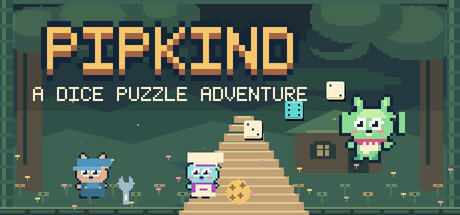
Generative AI was used during development to create, pixel artwork, music and written content under our concept and design direction. The game contains pre-generated content only; it does not generate AI content during play.
Generative AI was used during development to create character and environment artwork, comic illustrations, achievement-card artwork, store artwork, music, and English pronunciation audio, and to assist with learning dialogue and localization. This content is prepared in advance and included with the game. The game does not generate AI content or connect to third-party AI services during gameplay. Custom chapters use the device’s available text-to-speech voices.
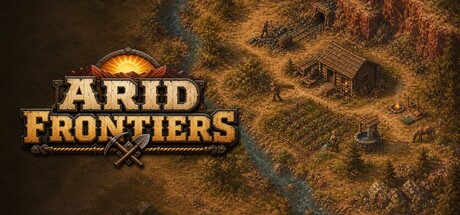
Generative AI was used to create some pre-rendered artwork, including store and promotional art and selected in-game visuals such as terrain, resources, animals, and characters, as well as some music and audio assets. These assets are prepared before play. Arid Frontiers does not generate content with AI during gameplay or connect to a third-party generative AI service during play; pawn behavior, colony simulation, combat, wildlife, and events are driven by programmed game systems.
Generative AI tools were used during development to create visual references and assist with the creation of some 3D assets. AI-generated outputs used as source material were further edited, refined, or integrated by the developer before inclusion in the game. Generative AI may also be used to create or assist with some music, sound, and localization assets, with outputs reviewed and edited before inclusion. No generative AI is used at runtime.
The game uses AI-generated code, textures, and sound effects.Some 2D item artwork was created with generative AI tools during development, including certain pet-care items, container states, and shed-fur graphics. Store promotional illustrations, title artwork, and icons were also created with generative AI tools. AI assisted with drafting and translating the store descriptions. The relevant in-game artwork is provided as pre-generated static assets. The game does not use generative AI to create content during gameplay.
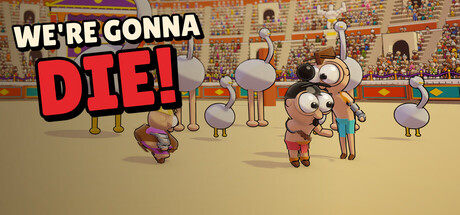
I've wanted to make games for as long as I can remember but could never learn to code, so AI helped write the code. Some 3D models started as AI-generated base meshes that were then reshaped and repainted by hand, and the arena announcer is an AI voice reading lines we wrote. Everything else is hand-made or licensed.
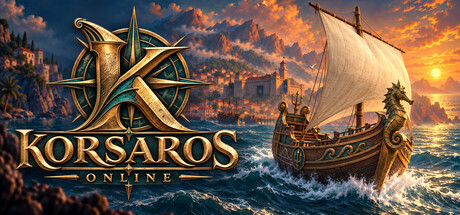
Korsaros Online uses a hybrid creative workflow combining generative AI tools with manual editing and integration for some artwork, 3D models, and music, including Steam marketing assets. These assets are reviewed before inclusion.
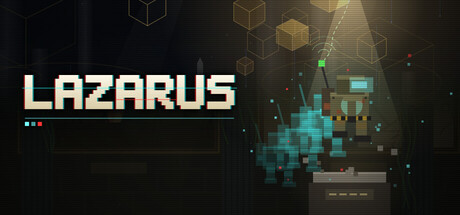
LAZARUS was developed with the help of generative AI tools. AI assisted in writing the game's code — including the code that draws every visual and synthesizes all music and sound effects in real time — as well as drafting the story, dialogue, in-game text, English/Chinese localization and store page text. All content was directed, reviewed and edited by the developer. The game does not use AI to generate any content while it is running.
Generative AI was used during development to create in-game artwork, music, sound effects, text, and translations, as well as store and promotional artwork. The game does not generate AI content during gameplay.
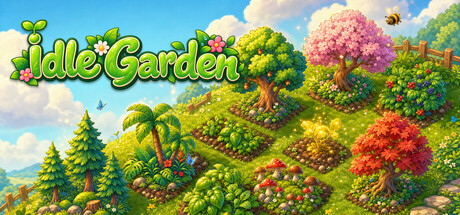
The game's 2D artwork (plant, item and upgrade icons, logo, background and store key art) and some of the garden sound effects (harvest, plant, water, discover and golden-seed sounds) were created with generative AI tools (OpenAI GPT Image and Stability AI Stable Audio) and curated by the developer. All content is pre-generated and ships with the game. The game does not generate any content with AI during gameplay and does not connect to any external AI service.
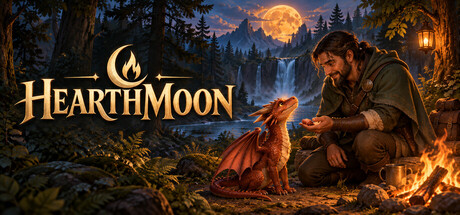
HearthMoon uses AI to generate NPC dialogue during gameplay and synthesize NPC voices. Spoken input is transcribed so villagers and the dragon companion can respond to the player. AI-assisted artwork and writing are also used in development and in store-page marketing. Conversations are experimental and responses may be inconsistent.
Generative AI was used during development to create images and music, and to assist with programming, in-game text and skill descriptions, translations, and store page descriptions. The game does not use generative AI to generate content during gameplay.
I used the help of AI to supplement me in areas, where my talent lacks to bring my ideas to live.
I am no great musician, I am no graphics designer and partly colorblind. I used these modern tools to create what I've dreamt of.
Puzzle Peace uses generative AI to help create puzzle artwork, music, and sound effects. As the developer, I direct the creative process, refine the generated material, and personally review and select the final assets to fit the game’s cozy style and atmosphere. All content is prepared before release; nothing is generated by AI during gameplay.
This game was made by a solo developer with the help of generative AI tools. The world, buildings and 3D scenes are built and composed by hand. AI was used to produce:
some character voices (text written by me, spoken with AI voice synthesis),
some of the sound effects
Pre-generated AI was used to assist with some pre-rendered cutscene artwork, in-game art, music, and selected store/library promotional images. All AI-assisted content was reviewed and edited by the developer. The game does not generate AI content during play.
The art, music, and sound effects in this game were made with the help of generative AI tools, and each piece was selected and refined by the developer. The Chinese and English translations were drafted with AI assistance and will continue to be refined throughout Early Access. The story and dialogue were written by the developer, and the game was designed by the developer.
AI-assisted tools were used during the development of some visual assets, music, and localization. All AI-assisted content has been reviewed, edited, and integrated by the development team, and is used under licenses that permit commercial use.
Generative AI was used to create some artwork, music, sound effects, text, and localization included in the game. Some AI-generated content is used as-is, while some has been edited by the developer.
The game does not generate AI content at runtime.
AI tools were used during development to create some sound effects and voice audio, and to assist with store-page text. These assets and text are prepared in advance.
Generative AI tools were used during development to assist in creating select assets, including a character's voiceover audio, UI design elements, and specific artwork. All generated content was manually edited, refined, and integrated by the developer to ensure quality and stylistic consistency.
Some of the game's content was created with the help of generative AI tools and then reviewed and integrated by the developer: several 3D models and their textures, the logo and key art, some of the music and voices, and the English translation of the game's text. All of it is pre-generated: the game does not generate anything with AI while you play.
Generative AI assisted with portions of the artwork, audio, code, and store promotional materials during development. These outputs were reviewed, adjusted, and integrated by the development team.
Audio sound effects, translated localization text, and promotional trailer videos in this game were produced with the assistance of generative AI tools. All AI-assisted assets have been reviewed, edited and finalized by the development team.
Generative AI tools were used in a supporting role for parts of our art, sound, and translation work. For art assets in particular, we avoid using AI-generated output as-is; AI serves mainly as a starting point and reference, and much of the final artwork is reworked and finalized by our team.
Gemwise includes pre-generated music, visual artwork, and localized text created with generative AI tools. These assets were selected, edited, processed, integrated, and reviewed by the developer. The game does not generate AI content during gameplay and does not connect to external AI services.
The game's characters, environment tiles, and totem were created by the developer in Aseprite. Additional enemy variants and animation frames were produced with the help of an AI coding assistant that draws sprites programmatically from authored pixel data. The menu music was created with the help of AI music tools. All promotional and store artwork was created by a human artist. No content is generated by AI while the game is running.
Generative AI was used during development to create in-game text, including item descriptions, interface copy, narrative text and localization. The Steam trailer also includes pre-generated AI cinematic visuals and music. No content is generated by AI during gameplay.
Generative AI was used during development to create some of the game's 2D artwork, UI assets, sound effects, and localized text. This content was prepared before release and is included as part of the game.
Generative AI was used to create some pre-generated 3D models, artwork, audio, and voice assets used in the game and marketing materials. No AI-generated content is created during gameplay.
Generative AI tools were used during development to assist with the creation of certain 2D visual assets, animations and sound effects. AI tools were also used as development assistance for programming and implementation. All generated content was reviewed and curated by the developer before inclusion in the final game.
Some background music in this game was created with the assistance of generative AI tools. The final selection, editing, and implementation of the music were handled by the developer.
Three non-playable characters, the Celestial narrator and the antagonists Vexaroth and Valdris, are voiced with AI-generated voices. All playable characters are voiced by human actors. A small number of sound effects were also created with AI tools. No content is generated by AI while you play.
Please note that non-Japanese localization is currently generated by AI. I plan to replace this with professional human localization in the future.
Furthermore, one sound effect was created using AI.
All other elements have been meticulously crafted by myself.
Artificial intelligence has been used in visual and music production, as well as to accelerate coding.
The development team has been responsible for final touches and decisions since the very beginning of the game's design.
Some visual assets (artwork and cinematic scenes) and some music and sound effects were created with the help of generative AI tools, then reviewed and curated by the developer. No content is generated by AI during gameplay.
Various visual and audio assets, translations, and promotional materials were created with the assistance of generative AI tools. All AI-assisted content was selected, reviewed, and integrated by the developer.
No generative AI is used during gameplay, and the game does not generate content in real time.
Generative AI tools were used during development to create artwork, character voices, sound effects, and portions of the written content. AI-generated artwork is also used in the store page and promotional materials. These assets are prepared in advance; the game does not generate AI content or connect to generative AI services during gameplay.
The track announcer and color commentator voices, including the horse-name calls, use AI text-to-speech voices (ElevenLabs), pre-generated during development and built into the game - no AI voice generation happens while you play. All game design, race simulation, wagering math, career systems, UI, code, and the horse and track roster were built by the developer.
Some music, cinematic visuals, voice-over, and promotional artwork were created using generative AI tools, then selected and edited by the developer. All such content is pre-made; no AI content is generated during gameplay.
AI tools (Anthropic Claude) assisted the developer with the code, the vector art, the texts and translations, and the synthesized music and sound effects. Everything was directed and reviewed by the developer. No AI runs in the game and nothing is generated at runtime.
Generative AI was used during development to create, pixel artwork, music and written content under our concept and design direction. The game contains pre-generated content only; it does not generate AI content during play.
Generative AI was used during development to create character and environment artwork, comic illustrations, achievement-card artwork, store artwork, music, and English pronunciation audio, and to assist with learning dialogue and localization. This content is prepared in advance and included with the game. The game does not generate AI content or connect to third-party AI services during gameplay. Custom chapters use the device’s available text-to-speech voices.
Generative AI was used to create some pre-rendered artwork, including store and promotional art and selected in-game visuals such as terrain, resources, animals, and characters, as well as some music and audio assets. These assets are prepared before play. Arid Frontiers does not generate content with AI during gameplay or connect to a third-party generative AI service during play; pawn behavior, colony simulation, combat, wildlife, and events are driven by programmed game systems.
Generative AI tools were used during development to create visual references and assist with the creation of some 3D assets. AI-generated outputs used as source material were further edited, refined, or integrated by the developer before inclusion in the game. Generative AI may also be used to create or assist with some music, sound, and localization assets, with outputs reviewed and edited before inclusion. No generative AI is used at runtime.
The game uses AI-generated code, textures, and sound effects.Some 2D item artwork was created with generative AI tools during development, including certain pet-care items, container states, and shed-fur graphics. Store promotional illustrations, title artwork, and icons were also created with generative AI tools. AI assisted with drafting and translating the store descriptions. The relevant in-game artwork is provided as pre-generated static assets. The game does not use generative AI to create content during gameplay.
I've wanted to make games for as long as I can remember but could never learn to code, so AI helped write the code. Some 3D models started as AI-generated base meshes that were then reshaped and repainted by hand, and the arena announcer is an AI voice reading lines we wrote. Everything else is hand-made or licensed.
Korsaros Online uses a hybrid creative workflow combining generative AI tools with manual editing and integration for some artwork, 3D models, and music, including Steam marketing assets. These assets are reviewed before inclusion.
LAZARUS was developed with the help of generative AI tools. AI assisted in writing the game's code — including the code that draws every visual and synthesizes all music and sound effects in real time — as well as drafting the story, dialogue, in-game text, English/Chinese localization and store page text. All content was directed, reviewed and edited by the developer. The game does not use AI to generate any content while it is running.
Generative AI was used during development to create in-game artwork, music, sound effects, text, and translations, as well as store and promotional artwork. The game does not generate AI content during gameplay.
The game's 2D artwork (plant, item and upgrade icons, logo, background and store key art) and some of the garden sound effects (harvest, plant, water, discover and golden-seed sounds) were created with generative AI tools (OpenAI GPT Image and Stability AI Stable Audio) and curated by the developer. All content is pre-generated and ships with the game. The game does not generate any content with AI during gameplay and does not connect to any external AI service.
HearthMoon uses AI to generate NPC dialogue during gameplay and synthesize NPC voices. Spoken input is transcribed so villagers and the dragon companion can respond to the player. AI-assisted artwork and writing are also used in development and in store-page marketing. Conversations are experimental and responses may be inconsistent.
Generative AI was used during development to create images and music, and to assist with programming, in-game text and skill descriptions, translations, and store page descriptions. The game does not use generative AI to generate content during gameplay.
I used the help of AI to supplement me in areas, where my talent lacks to bring my ideas to live.
I am no great musician, I am no graphics designer and partly colorblind. I used these modern tools to create what I've dreamt of.
Puzzle Peace uses generative AI to help create puzzle artwork, music, and sound effects. As the developer, I direct the creative process, refine the generated material, and personally review and select the final assets to fit the game’s cozy style and atmosphere. All content is prepared before release; nothing is generated by AI during gameplay.
This game was made by a solo developer with the help of generative AI tools. The world, buildings and 3D scenes are built and composed by hand. AI was used to produce:
some character voices (text written by me, spoken with AI voice synthesis),
some of the sound effects
Pre-generated AI was used to assist with some pre-rendered cutscene artwork, in-game art, music, and selected store/library promotional images. All AI-assisted content was reviewed and edited by the developer. The game does not generate AI content during play.
The art, music, and sound effects in this game were made with the help of generative AI tools, and each piece was selected and refined by the developer. The Chinese and English translations were drafted with AI assistance and will continue to be refined throughout Early Access. The story and dialogue were written by the developer, and the game was designed by the developer.
AI-assisted tools were used during the development of some visual assets, music, and localization. All AI-assisted content has been reviewed, edited, and integrated by the development team, and is used under licenses that permit commercial use.
Generative AI was used to create some artwork, music, sound effects, text, and localization included in the game. Some AI-generated content is used as-is, while some has been edited by the developer.
The game does not generate AI content at runtime.
AI tools were used during development to create some sound effects and voice audio, and to assist with store-page text. These assets and text are prepared in advance.
Generative AI tools were used during development to assist in creating select assets, including a character's voiceover audio, UI design elements, and specific artwork. All generated content was manually edited, refined, and integrated by the developer to ensure quality and stylistic consistency.
Some of the game's content was created with the help of generative AI tools and then reviewed and integrated by the developer: several 3D models and their textures, the logo and key art, some of the music and voices, and the English translation of the game's text. All of it is pre-generated: the game does not generate anything with AI while you play.
Generative AI assisted with portions of the artwork, audio, code, and store promotional materials during development. These outputs were reviewed, adjusted, and integrated by the development team.
Audio sound effects, translated localization text, and promotional trailer videos in this game were produced with the assistance of generative AI tools. All AI-assisted assets have been reviewed, edited and finalized by the development team.
Generative AI tools were used in a supporting role for parts of our art, sound, and translation work. For art assets in particular, we avoid using AI-generated output as-is; AI serves mainly as a starting point and reference, and much of the final artwork is reworked and finalized by our team.
Gemwise includes pre-generated music, visual artwork, and localized text created with generative AI tools. These assets were selected, edited, processed, integrated, and reviewed by the developer. The game does not generate AI content during gameplay and does not connect to external AI services.
The game's characters, environment tiles, and totem were created by the developer in Aseprite. Additional enemy variants and animation frames were produced with the help of an AI coding assistant that draws sprites programmatically from authored pixel data. The menu music was created with the help of AI music tools. All promotional and store artwork was created by a human artist. No content is generated by AI while the game is running.
Generative AI was used during development to create in-game text, including item descriptions, interface copy, narrative text and localization. The Steam trailer also includes pre-generated AI cinematic visuals and music. No content is generated by AI during gameplay.
Generative AI was used during development to create some of the game's 2D artwork, UI assets, sound effects, and localized text. This content was prepared before release and is included as part of the game.
Generative AI was used to create some pre-generated 3D models, artwork, audio, and voice assets used in the game and marketing materials. No AI-generated content is created during gameplay.
Generative AI tools were used during development to assist with the creation of certain 2D visual assets, animations and sound effects. AI tools were also used as development assistance for programming and implementation. All generated content was reviewed and curated by the developer before inclusion in the final game.
Some background music in this game was created with the assistance of generative AI tools. The final selection, editing, and implementation of the music were handled by the developer.
Three non-playable characters, the Celestial narrator and the antagonists Vexaroth and Valdris, are voiced with AI-generated voices. All playable characters are voiced by human actors. A small number of sound effects were also created with AI tools. No content is generated by AI while you play.
Please note that non-Japanese localization is currently generated by AI. I plan to replace this with professional human localization in the future.
Furthermore, one sound effect was created using AI.
All other elements have been meticulously crafted by myself.
Artificial intelligence has been used in visual and music production, as well as to accelerate coding.
The development team has been responsible for final touches and decisions since the very beginning of the game's design.
Some visual assets (artwork and cinematic scenes) and some music and sound effects were created with the help of generative AI tools, then reviewed and curated by the developer. No content is generated by AI during gameplay.
Various visual and audio assets, translations, and promotional materials were created with the assistance of generative AI tools. All AI-assisted content was selected, reviewed, and integrated by the developer.
No generative AI is used during gameplay, and the game does not generate content in real time.
Generative AI tools were used during development to create artwork, character voices, sound effects, and portions of the written content. AI-generated artwork is also used in the store page and promotional materials. These assets are prepared in advance; the game does not generate AI content or connect to generative AI services during gameplay.
The track announcer and color commentator voices, including the horse-name calls, use AI text-to-speech voices (ElevenLabs), pre-generated during development and built into the game - no AI voice generation happens while you play. All game design, race simulation, wagering math, career systems, UI, code, and the horse and track roster were built by the developer.
Some music, cinematic visuals, voice-over, and promotional artwork were created using generative AI tools, then selected and edited by the developer. All such content is pre-made; no AI content is generated during gameplay.
AI tools (Anthropic Claude) assisted the developer with the code, the vector art, the texts and translations, and the synthesized music and sound effects. Everything was directed and reviewed by the developer. No AI runs in the game and nothing is generated at runtime.