Public Steam disclosure research25,497 disclosures tracked
Where do games disclose AI use?
Search developers’ Steam disclosures, compare classified AI use across
games, and follow recorded changes.
This index adds cross-game classifications and statistics to
statements published on individual store pages.
Groups reflect automatic analysis of public disclosures; mature records are excluded. These counts do not measure AI use across all of Steam.
Missing or unclear statements cannot establish whether a game uses AI.
This game uses a mix of human and generative AI tools. AI was used in some visual art assets, code generation, and portions of the store page text. All writing in the game, voice acting, and music are fully human-created.
Generative AI tools were used during development to create and refine portions of the game’s pre-generated visual artwork, including character and enemy art, environments, UI elements, icons, effects, and cutscene imagery. Generative AI was also used for sound effects and as an assistant during programming and development. All generated material was reviewed, edited, and integrated by the developer.
Hedra began as a physical board game designed and refined by one human developer over ten years. Nearly all of the tabletop game was created without generative AI; AI had a limited role in balance analysis. For the digital edition, AI tools played a substantial role in programming and technical development, including the original web app and its conversion into a desktop game. Most of Hedra's visual artwork was created with generative AI tools, then selected, reviewed, and integrated by the developer. The game contains pre-generated AI-assisted content. It does not generate artwork, text, audio, or other content while you play.
This is not actually required to disclose but since it crosses the line for some people, I should admit that AI coding tools were used during the game's production.
No AI was used to generate any images, audio, text, or design.
Its purpose was to help code mechanics according to my design, assist in debugging, and (most importantly) eliminate crunch.
Some pre-rendered 2D artwork (several of the optional tile-art style packs, plus store capsule and marketing images) was created with generative AI image tools, then curated, edited and integrated by the developer. Portions of the game's code and text were written with AI coding assistance under full human review. The game does not generate any content with AI at runtime, and contains no AI chat features.
I built Curling Stars in close collaboration with AI tools. I directed every part of the game myself, the design, gameplay rules, features, venues, art direction, and testing, while an AI coding assistant wrote and iterated on the code, procedural 3D scenes, characters, and animations under my direction. The soundtrack was created with AI music generation, curated and selected by me. Rosters and characters are fictional. Store artwork used Gen AI tools.
Generative AI was used as a collaborative programming assistant to help write game code, structure gameplay logic, and assist with optimization. Additionally, it was utilized to help draft and refine marketing copy for the store page. All visual assets, 3D models, animations, and creative direction are completely hand-crafted by a solo human artist.
To streamline the creative workflow, this game incorporates AI-assisted tools. AI was employed for initial code prototyping and some asset creation; however, every aspect of the game has been extensively reviewed, modified, and refined to ensure high-quality performance and consistency.
本游戏在开发过程中使用了生成式人工智能工具辅助制作预生成内容。
游戏中绝大部分美术素材,包括角色形象、角色序列帧动画、战斗场景背景、用户界面图形、物品与武器图标以及部分视觉特效,使用AI图像生成功能制作。所有生成图片均在加入游戏前经过开发者人工筛选,并根据实际需要进行裁切、缩放、色彩调整、组合、动画帧整理、局部修正和游戏内适配。
开发过程中也使用了 AI 编程辅助工具,帮助编写、整理、重构和排查部分程序代码。所有 AI 辅助代码均由开发者人工审阅、修改、整合和测试后才会加入游戏。
本游戏运行时不会连接生成式 AI 服务,也不会根据玩家输入实时生成图片、文本、音频、代码或其他内容。玩家无法通过游戏生成、上传、分享或导出 AI 内容。
During the game's development process, the Generative AI was used as a development aid. AI was used in some game image production and code review and improvement proposals, and all final images and codes included in the game were reviewed, modified, and quality checked by developers. The AI-generated results were not used without review, and verification procedures were performed to ensure that they did not infringe copyright and third-party rights. In addition, AI does not generate content or code in real time during gameplay.
Parts of the game's program code were written with the help of AI coding assistance, under the direction and review of the developer. The store page text and its translations were also drafted with AI assistance and reviewed by the developer. Some of the music was created with an AI music generation service (Suno), selected and adjusted by the developer. The remaining music, artwork, and sound effects are procedurally generated by the developer's own tools - no AI image generation models were used. The game does not generate any AI content during gameplay.
AI support was used solely for coding support during the game's development process. There is no AI system actively running during gameplay, generating real-time content, or connecting to an external AI service. Beyond the game's coding, the graphics, story, music, and other creative content were entirely created by human effort.
Generative AI tools were used during development to assist in creating visual concept art, UI background textures, and promotional graphics, as well as providing development assistance for code optimization and localization text. All AI-assisted assets were pre-generated prior to release, curated, and manually edited by the developer. The game does not feature any live or real-time AI content generation during gameplay.
What type of code?
Game logic, UI systems, audio management, and narrative engine code written in Python with PySide6.
How are you using it?
AI (Claude) was used as a coding assistant during development. The developer directed all features, reviewed all generated code, tested functionality, and made final implementation decisions. The AI assisted with writing and debugging code based on human specifications.
(AI was used as a coding assistant. All code was human-reviewed, tested, and approved before implementation. The game is offline single-player with no features that could enable malicious use.)
This game was created by a solo developer with substantial help from generative AI tools. Every output was reviewed by hand.
Code: Claude Opus 4.8, Claude Fable 5.0
Writing & translation: Claude Opus 4.8, Gemini Pro 3.1
Graphics: Gemini Nano Banana 2
Music: Claude Opus 4.8
Video: Gemini Omni
Generative AI tools were used during development to assist with selected pre-generated visual assets, promotional artwork, store-page materials, text, and code. All AI-assisted content was reviewed and edited by the developer before inclusion. The game does not generate AI content while running.
Generative AI tools were used during the development of this game to assist in creating background marketing materials and promotional store assets. Additionally, AI was utilized as a supportive tool for code optimization, bug-hunting, development consulting, and text localization. While the vast majority of the game's assets were created using traditional development methods, players may encounter a small number of AI-generated assets integrated within the game itself. No AI content is generated in real-time during gameplay.
AI was used to troubleshoot code and to draft isolated sections of the codebase, which I then finalized.
All graphics, UI, and music are made without AI.
AI was used for initial translation from English into other languages. Many translations were then reviewed and edited by native speakers.
During the development of this game, artificial intelligence tools were used strictly for pre-generated content. Specifically, AI was utilized to assist with code refinement, the creation of initial concept art, and the design of certain user interface (UI) elements. All AI-assisted assets and code were thoroughly reviewed, modified, and integrated manually to ensure they meet the game's specific style and technical requirements.
AI has been used during the development of Blokkit to accelerate the process of writing code, creating some assets for the store page, and for writing translations into 7 different languages,
Generative AI tools were used during development to assist with some pre-generated 2D artwork and UI imagery, 3D models and animations, instrumental music and sound effects, localization drafts, and portions of the game code. As a solo developer, I selected, edited, integrated, and reviewed all of these outputs before inclusion. The game does not generate content at runtime and does not send player input to generative AI services.
استُخدمت أدوات الذكاء الاصطناعي أثناء التطوير للمساعدة في كتابة أجزاء من كود اللعبة وبعض النصوص داخلها، مثل التلميحات ورسائل الواجهة، وكذلك في إنشاء بعض النماذج ثلاثية الأبعاد والخامات (التكستشر). جميع المحتوى المُنجز بمساعدة الذكاء الاصطناعي تمت مراجعته وتعديله واعتماده من المطوّر. قصة اللعبة وتصميمها وإخراجها من صنع الإنسان بالكامل، ولا يتم توليد أي محتوى بالذكاء الاصطناعي أثناء اللعب.
OpenAI Codex was used during development to assist with writing, reviewing, and debugging portions of the game’s code. All AI-assisted output was reviewed, edited, and integrated by the developer. The game does not use generative AI during gameplay, and no player input is sent to a generative AI service.
Generative AI is used in this game for both asset creation (such as UI elements and character visuals) and as a tool to assist in the development process (such as code organization). Every piece of content generated by AI is carefully reviewed and refined by the development team to ensure it meets our quality standards.
Generative AI tools were used extensively throughout development to create the game's code, dialogue and other written content, sound effects, visual assets, localization, and Steam store and marketing materials. All AI-generated content was reviewed, selected, and integrated by the developer before release. The game does not use generative AI to create new content during gameplay.
The images and illustrations in Old Money (icons, scenes, backgrounds) as well as parts of the store artwork were created with generative AI image tools and were curated and edited by the developer. The program code and parts of the texts were also developed with the assistance of AI tools and were reviewed, tested and are the responsibility of the developer. The game concept, design and balancing come from the developer. No content is generated by AI at runtime, and the game does not send any data to AI services.
AI Generated Content Disclosure
The developers of LIGHT IT provide the following disclosure regarding the use of AI tools in the creation of this game. All AI-assisted content is pre-generated; the game does not generate any AI content live during gameplay.
Music: The in-game music was produced using Suno, an AI music-generation tool.
Art: Some visual assets were created with the assistance of AI image-generation tools.
Code: AI assistants were used to help brainstorm implementation ideas and to assist with debugging.
All AI-assisted content and code was reviewed, tested, and refined by the developer before being included in the final game.
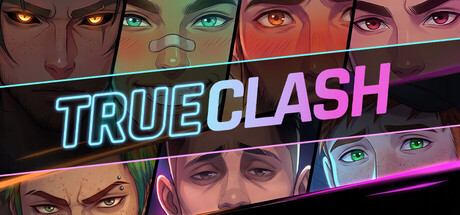
TrueClash uses generative AI as part of its art workflow: character art and backgrounds are initially generated with AI tools, then manually reviewed, edited, and refined by our team in order to maintain the game's consistent visual style.
AI tools were also used to assist with translation and as a development aid for coding.
Some of the licensed music tracks featured in the game may have been created with AI assistance by their respective artists.
This game utilizes AI-assisted generation for certain art assets and the core code framework. Every element has undergone thorough manual review, fine-tuning, and integration by our developers, guaranteeing that the final output aligns with the game's intended aesthetic and quality standards.No live‑generated AI content appears during gameplay
Generative AI Disclosure
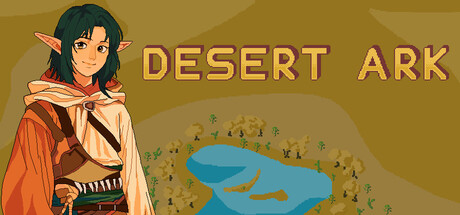
During the development of SandSea Ark, we utilized generative AI tools (such as Claude) to assist with:
1. Code writing and debugging: AI-assisted generation and optimization of GDScript code to improve development efficiency.
2. Data configuration: Assistance in maintaining game data tables and configuration files.
3. Documentation: Some technical documents and changelogs were generated with AI assistance.
The following content was NOT generated using AI:
- Game art assets, UI design, and scene layouts
- Core game design, mechanics, and balance tuning
This game does not contain live-generated AI content — all in-game content is pre-designed and hand-crafted. The game does not dynamically generate text, images, or audio during gameplay.
The game's programming, gameplay mechanics, system design, and overall game logic were developed by me using the Unity game engine. Generative AI tools were used only as an assistive resource for coding suggestions, debugging, optimization, and technical explanations. All AI-generated code was reviewed, modified, tested, and manually integrated into the project by me. The final implementation, design decisions, and gameplay systems were created and validated by the developer.
3d Models for Space Ships created with Meshy.
cooperation in Thinking, design and balance.
C# coding.
Unity Editor Agent for crafting suns and planets out of bought Unity Asset Store Assets.
No art or sound generation was used. Some help for coding the complex in-game enemy AI interactions were utilized from LLM models. Also the game analysis was made with coding help.
In the interest of transparency: DeckCrate was built with the help of AI including the development of the app, UI, Steam assets and the documentation website under https://deckcrate.app. AI was a tool in the process and not a replacement for judgment. Everything that ships is reviewed, tested, and signed off by a human. Nothing goes out the door on an AI’s word alone: code is read and understood, behavior is verified, and the final decisions are made by the developer.
Syncline is developed by me — AI tools were used to assist with parts of development, including code, some text content (UI copy, tutorial hints, level descriptions, store page copy), localization/translations, and some audio. All such content was directed by me and reviewed/edited before being included. No content is generated by AI at runtime — everything players see, hear, and play is fixed at build time.
Generative AI tools, including OpenAI ChatGPT/Codex, assisted during development with portions of the original C++ code, interface text, gameplay balancing, documentation, store-page materials, geometric visual design, and music synthesis. The developer reviewed, tested, selected, and integrated the resulting material. In-game graphics are procedurally drawn from original geometric shapes, while the original music and sound effects are synthesized by the game. No third-party characters, music recordings, voices, logos, or downloaded asset packs are included.
This game uses generative AI in limited, non-gameplay-critical areas:
- AI-assisted code refactoring and performance optimization during development
- AI-assisted translation polishing for multi-language support
- UI layout refinement suggested by AI tools during the design process
All core gameplay logic, the unique drawing-and-deduction design, and all original game artwork were created, reviewed and refined by human developers.
This game uses generative AI tools in parts of its development. Some code was written with AI coding assistants, and some marketing and store artwork — including the capsule art and logo — was produced with AI assistance, based on and matched to in-game assets we created ourselves. Some 3D assets were created with AI-assisted tools All screenshots show real gameplay, all AI-assisted output is reviewed by a human before it ships, and no AI-generated content is produced live during play.
This game uses a mix of human and generative AI tools. AI was used in some visual art assets, code generation, and portions of the store page text. All writing in the game, voice acting, and music are fully human-created.
Generative AI tools were used during development to create and refine portions of the game’s pre-generated visual artwork, including character and enemy art, environments, UI elements, icons, effects, and cutscene imagery. Generative AI was also used for sound effects and as an assistant during programming and development. All generated material was reviewed, edited, and integrated by the developer.
Hedra began as a physical board game designed and refined by one human developer over ten years. Nearly all of the tabletop game was created without generative AI; AI had a limited role in balance analysis. For the digital edition, AI tools played a substantial role in programming and technical development, including the original web app and its conversion into a desktop game. Most of Hedra's visual artwork was created with generative AI tools, then selected, reviewed, and integrated by the developer. The game contains pre-generated AI-assisted content. It does not generate artwork, text, audio, or other content while you play.
This is not actually required to disclose but since it crosses the line for some people, I should admit that AI coding tools were used during the game's production.
No AI was used to generate any images, audio, text, or design.
Its purpose was to help code mechanics according to my design, assist in debugging, and (most importantly) eliminate crunch.
Some pre-rendered 2D artwork (several of the optional tile-art style packs, plus store capsule and marketing images) was created with generative AI image tools, then curated, edited and integrated by the developer. Portions of the game's code and text were written with AI coding assistance under full human review. The game does not generate any content with AI at runtime, and contains no AI chat features.
I built Curling Stars in close collaboration with AI tools. I directed every part of the game myself, the design, gameplay rules, features, venues, art direction, and testing, while an AI coding assistant wrote and iterated on the code, procedural 3D scenes, characters, and animations under my direction. The soundtrack was created with AI music generation, curated and selected by me. Rosters and characters are fictional. Store artwork used Gen AI tools.
Generative AI was used as a collaborative programming assistant to help write game code, structure gameplay logic, and assist with optimization. Additionally, it was utilized to help draft and refine marketing copy for the store page. All visual assets, 3D models, animations, and creative direction are completely hand-crafted by a solo human artist.
To streamline the creative workflow, this game incorporates AI-assisted tools. AI was employed for initial code prototyping and some asset creation; however, every aspect of the game has been extensively reviewed, modified, and refined to ensure high-quality performance and consistency.
本游戏在开发过程中使用了生成式人工智能工具辅助制作预生成内容。
游戏中绝大部分美术素材,包括角色形象、角色序列帧动画、战斗场景背景、用户界面图形、物品与武器图标以及部分视觉特效,使用AI图像生成功能制作。所有生成图片均在加入游戏前经过开发者人工筛选,并根据实际需要进行裁切、缩放、色彩调整、组合、动画帧整理、局部修正和游戏内适配。
开发过程中也使用了 AI 编程辅助工具,帮助编写、整理、重构和排查部分程序代码。所有 AI 辅助代码均由开发者人工审阅、修改、整合和测试后才会加入游戏。
本游戏运行时不会连接生成式 AI 服务,也不会根据玩家输入实时生成图片、文本、音频、代码或其他内容。玩家无法通过游戏生成、上传、分享或导出 AI 内容。
During the game's development process, the Generative AI was used as a development aid. AI was used in some game image production and code review and improvement proposals, and all final images and codes included in the game were reviewed, modified, and quality checked by developers. The AI-generated results were not used without review, and verification procedures were performed to ensure that they did not infringe copyright and third-party rights. In addition, AI does not generate content or code in real time during gameplay.
Parts of the game's program code were written with the help of AI coding assistance, under the direction and review of the developer. The store page text and its translations were also drafted with AI assistance and reviewed by the developer. Some of the music was created with an AI music generation service (Suno), selected and adjusted by the developer. The remaining music, artwork, and sound effects are procedurally generated by the developer's own tools - no AI image generation models were used. The game does not generate any AI content during gameplay.
AI support was used solely for coding support during the game's development process. There is no AI system actively running during gameplay, generating real-time content, or connecting to an external AI service. Beyond the game's coding, the graphics, story, music, and other creative content were entirely created by human effort.
Generative AI tools were used during development to assist in creating visual concept art, UI background textures, and promotional graphics, as well as providing development assistance for code optimization and localization text. All AI-assisted assets were pre-generated prior to release, curated, and manually edited by the developer. The game does not feature any live or real-time AI content generation during gameplay.
What type of code?
Game logic, UI systems, audio management, and narrative engine code written in Python with PySide6.
How are you using it?
AI (Claude) was used as a coding assistant during development. The developer directed all features, reviewed all generated code, tested functionality, and made final implementation decisions. The AI assisted with writing and debugging code based on human specifications.
(AI was used as a coding assistant. All code was human-reviewed, tested, and approved before implementation. The game is offline single-player with no features that could enable malicious use.)
This game was created by a solo developer with substantial help from generative AI tools. Every output was reviewed by hand.
Code: Claude Opus 4.8, Claude Fable 5.0
Writing & translation: Claude Opus 4.8, Gemini Pro 3.1
Graphics: Gemini Nano Banana 2
Music: Claude Opus 4.8
Video: Gemini Omni
Generative AI tools were used during development to assist with selected pre-generated visual assets, promotional artwork, store-page materials, text, and code. All AI-assisted content was reviewed and edited by the developer before inclusion. The game does not generate AI content while running.
Generative AI tools were used during the development of this game to assist in creating background marketing materials and promotional store assets. Additionally, AI was utilized as a supportive tool for code optimization, bug-hunting, development consulting, and text localization. While the vast majority of the game's assets were created using traditional development methods, players may encounter a small number of AI-generated assets integrated within the game itself. No AI content is generated in real-time during gameplay.
AI was used to troubleshoot code and to draft isolated sections of the codebase, which I then finalized.
All graphics, UI, and music are made without AI.
AI was used for initial translation from English into other languages. Many translations were then reviewed and edited by native speakers.
During the development of this game, artificial intelligence tools were used strictly for pre-generated content. Specifically, AI was utilized to assist with code refinement, the creation of initial concept art, and the design of certain user interface (UI) elements. All AI-assisted assets and code were thoroughly reviewed, modified, and integrated manually to ensure they meet the game's specific style and technical requirements.
AI has been used during the development of Blokkit to accelerate the process of writing code, creating some assets for the store page, and for writing translations into 7 different languages,
Generative AI tools were used during development to assist with some pre-generated 2D artwork and UI imagery, 3D models and animations, instrumental music and sound effects, localization drafts, and portions of the game code. As a solo developer, I selected, edited, integrated, and reviewed all of these outputs before inclusion. The game does not generate content at runtime and does not send player input to generative AI services.
استُخدمت أدوات الذكاء الاصطناعي أثناء التطوير للمساعدة في كتابة أجزاء من كود اللعبة وبعض النصوص داخلها، مثل التلميحات ورسائل الواجهة، وكذلك في إنشاء بعض النماذج ثلاثية الأبعاد والخامات (التكستشر). جميع المحتوى المُنجز بمساعدة الذكاء الاصطناعي تمت مراجعته وتعديله واعتماده من المطوّر. قصة اللعبة وتصميمها وإخراجها من صنع الإنسان بالكامل، ولا يتم توليد أي محتوى بالذكاء الاصطناعي أثناء اللعب.
OpenAI Codex was used during development to assist with writing, reviewing, and debugging portions of the game’s code. All AI-assisted output was reviewed, edited, and integrated by the developer. The game does not use generative AI during gameplay, and no player input is sent to a generative AI service.
Generative AI is used in this game for both asset creation (such as UI elements and character visuals) and as a tool to assist in the development process (such as code organization). Every piece of content generated by AI is carefully reviewed and refined by the development team to ensure it meets our quality standards.
Generative AI tools were used extensively throughout development to create the game's code, dialogue and other written content, sound effects, visual assets, localization, and Steam store and marketing materials. All AI-generated content was reviewed, selected, and integrated by the developer before release. The game does not use generative AI to create new content during gameplay.
The images and illustrations in Old Money (icons, scenes, backgrounds) as well as parts of the store artwork were created with generative AI image tools and were curated and edited by the developer. The program code and parts of the texts were also developed with the assistance of AI tools and were reviewed, tested and are the responsibility of the developer. The game concept, design and balancing come from the developer. No content is generated by AI at runtime, and the game does not send any data to AI services.
AI Generated Content Disclosure
The developers of LIGHT IT provide the following disclosure regarding the use of AI tools in the creation of this game. All AI-assisted content is pre-generated; the game does not generate any AI content live during gameplay.
Music: The in-game music was produced using Suno, an AI music-generation tool.
Art: Some visual assets were created with the assistance of AI image-generation tools.
Code: AI assistants were used to help brainstorm implementation ideas and to assist with debugging.
All AI-assisted content and code was reviewed, tested, and refined by the developer before being included in the final game.
TrueClash uses generative AI as part of its art workflow: character art and backgrounds are initially generated with AI tools, then manually reviewed, edited, and refined by our team in order to maintain the game's consistent visual style.
AI tools were also used to assist with translation and as a development aid for coding.
Some of the licensed music tracks featured in the game may have been created with AI assistance by their respective artists.
This game utilizes AI-assisted generation for certain art assets and the core code framework. Every element has undergone thorough manual review, fine-tuning, and integration by our developers, guaranteeing that the final output aligns with the game's intended aesthetic and quality standards.No live‑generated AI content appears during gameplay
Generative AI Disclosure
During the development of SandSea Ark, we utilized generative AI tools (such as Claude) to assist with:
1. Code writing and debugging: AI-assisted generation and optimization of GDScript code to improve development efficiency.
2. Data configuration: Assistance in maintaining game data tables and configuration files.
3. Documentation: Some technical documents and changelogs were generated with AI assistance.
The following content was NOT generated using AI:
- Game art assets, UI design, and scene layouts
- Core game design, mechanics, and balance tuning
This game does not contain live-generated AI content — all in-game content is pre-designed and hand-crafted. The game does not dynamically generate text, images, or audio during gameplay.
The game's programming, gameplay mechanics, system design, and overall game logic were developed by me using the Unity game engine. Generative AI tools were used only as an assistive resource for coding suggestions, debugging, optimization, and technical explanations. All AI-generated code was reviewed, modified, tested, and manually integrated into the project by me. The final implementation, design decisions, and gameplay systems were created and validated by the developer.
3d Models for Space Ships created with Meshy.
cooperation in Thinking, design and balance.
C# coding.
Unity Editor Agent for crafting suns and planets out of bought Unity Asset Store Assets.
No art or sound generation was used. Some help for coding the complex in-game enemy AI interactions were utilized from LLM models. Also the game analysis was made with coding help.
In the interest of transparency: DeckCrate was built with the help of AI including the development of the app, UI, Steam assets and the documentation website under https://deckcrate.app. AI was a tool in the process and not a replacement for judgment. Everything that ships is reviewed, tested, and signed off by a human. Nothing goes out the door on an AI’s word alone: code is read and understood, behavior is verified, and the final decisions are made by the developer.
Syncline is developed by me — AI tools were used to assist with parts of development, including code, some text content (UI copy, tutorial hints, level descriptions, store page copy), localization/translations, and some audio. All such content was directed by me and reviewed/edited before being included. No content is generated by AI at runtime — everything players see, hear, and play is fixed at build time.
Generative AI tools, including OpenAI ChatGPT/Codex, assisted during development with portions of the original C++ code, interface text, gameplay balancing, documentation, store-page materials, geometric visual design, and music synthesis. The developer reviewed, tested, selected, and integrated the resulting material. In-game graphics are procedurally drawn from original geometric shapes, while the original music and sound effects are synthesized by the game. No third-party characters, music recordings, voices, logos, or downloaded asset packs are included.
This game uses generative AI in limited, non-gameplay-critical areas:
- AI-assisted code refactoring and performance optimization during development
- AI-assisted translation polishing for multi-language support
- UI layout refinement suggested by AI tools during the design process
All core gameplay logic, the unique drawing-and-deduction design, and all original game artwork were created, reviewed and refined by human developers.
This game uses generative AI tools in parts of its development. Some code was written with AI coding assistants, and some marketing and store artwork — including the capsule art and logo — was produced with AI assistance, based on and matched to in-game assets we created ourselves. Some 3D assets were created with AI-assisted tools All screenshots show real gameplay, all AI-assisted output is reviewed by a human before it ships, and no AI-generated content is produced live during play.