
Disclosure
Generative AI was used during the development of this game to create code, illustrations, and audio assets.
- Creator
- mayoaji
- Reviews
- -
- Added
- Oct 9, 2026
Public Steam disclosure research 25,376 disclosures tracked
Search developers’ Steam disclosures, compare classified AI use across games, and follow recorded changes. This index adds cross-game classifications and statistics to statements published on individual store pages.
Code help, debugging and other development work.
Capsule art, trailers and promotional material.
Pre-made art, audio, writing and other game assets.
Interactive or runtime AI features disclosed by the developer.
Groups reflect automatic analysis of public disclosures; mature records are excluded. These counts do not measure AI use across all of Steam. Missing or unclear statements cannot establish whether a game uses AI.
Generative AI was used during the development of this game to create code, illustrations, and audio assets.
AI assisted in writing the game's code and creating graphical elements
This game was created with a lot of help from AI. Although I'm an experienced game developer a lot of the physics, graphic elements, and code were generate with the help of AI.
Dealer's Choice was made by a solo developer working with AI assistance. AI tools helped write the game's code and in-game text, and the store artwork and achievement icons were rendered from 3D models built with AI assistance. All of this content was created during development and reviewed by the developer. Nothing in the game is generated by AI while you play.
The 32 illustrations, the soundtrack and the sound effects in A to Zen were created with generative AI tools from the developer's own prompts, then selected, checked and edited by hand. The in-game texts, the store translations and parts of the game code were also made with AI assistance and reviewed and tested by the developer. Game design, puzzle mechanics and the chapter concept are the developer's own work. Nothing is generated while you play, and the game does not connect to any AI service.
3D models were made with Meshy and the radio and trailer music with ElevenLabs, all then selected and edited by the developer. Code was written with AI assistance. Nothing is generated while you play.
NBD2 is an AI game development studio. As a solo indie dev who is unlikely to ever make a dime from any of my games, there's no other way I could bring my ideas to life. Pop 1,000,000 Hot Air Balloons was created using generative AI throughout development, including its artwork and visuals, store artwork, music, sound effects, player-facing text, and game code. All AI generation took place during development. The game does not generate AI content or code during play or connect to an external AI service. I recognize AI in game development is an extremely sensitive topic and I appreciate both sides. I only hope the game is fun. The goal should always be making something that human beings will enjoy.
The title logo was generated with an AI image tool and then cropped and resized by the developer. The store capsule artwork (the key art behind the logo) was generated with an AI image tool from text prompts only, then cropped and resized by the developer. The in-game text in every language except English and Japanese is machine-translated with an AI language model from the developer's English and Japanese text, and has not yet been reviewed by native speakers. Some English and Japanese interface text and the English and Japanese store description were drafted with an AI writing assistant and then reviewed and edited by the developer. The store description in the other languages is translated with an AI language model. The majority of the code and the design was written by AI coding agents (Claude and Codex) under the developer's direction and review. The in-game characters, items, maps, effects, music, sound effects and fonts are mostly purchased or licensed assets. The exceptions are 8 equipment icons, the slash and healing effects, the spectators in the stands, the crowd cheers and the app icon, which were drawn or synthesized by programs written by AI coding agents (no image or audio generation model was used). The cutting out, combining, recoloring and touching up of the purchased assets, and the shapes and light effects the game draws on screen during matches, are also done by programs written by AI.
AI was used in the creation and enhancement of the visuals and atmosphere of the game and to speed up the programming process
Parts of Tinselwood were made with generative AI during development: its music and sound effects, its interface icons and store art, some of its set-piece models, and parts of its code. All of it was reviewed and reworked by hand, and nothing is generated while you play.
The localization and some code snippets were generated using AI and reviewed
Memory Access Violation was made by a solo developer working with an AI coding assistant, which was used during development: Code and level design: much of the game's code, including the level-building tools, puzzle layouts, enemy behaviour and vehicle handling, was written with AI assistance. The developer directed, playtested and revised every level. Puzzle solutions were checked by automated solvers so each one is fair. Visuals: the game's environments, vehicles, mechs and enemies are built in code from simple geometric shapes and custom shaders. No AI image generators were used for in-game art.
Pixora was developed with AI-assisted tools, which were used to support certain aspects of coding and the creation of promotional materials for the store page. All AI-generated content used in the project is permitted for commercial use under the applicable licenses.
Artifical Railways was developed with extensive AI assistance, including programming and the creation of custom train models, procedural scenery, interface elements, and procedural sound effects. The game also incorporates third-party models, music, sound recordings, and fonts. Station announcements use AI-generated speech synthesized locally during gameplay from announcement templates and in-game railway information. This speech generation does not connect to an external AI service.
Pre-generated: The music was made with Suno. Sound effects, ambience and voices were made with ElevenLabs. The ability and tech icons were generated with AI image models and edited for the game. All of it was selected, edited and mixed by the developers. The 3D models, maps, animations and gameplay was developed with support of coding models. Every screenshot and video on this page was captured in the game. The store capsule art was refined with an AI image tool from in-game renders.
AI tools assisted the creation of in-game text and localization, and the development of code used to render pixel artwork and synthesize music and sound effects. The game does not use a generative AI model or service during gameplay.
Coding assistance, translation
Most of the 3D models appearing in this game, including the main protagonist and various objects, were generated and modeled using generative AI tools. While some of the programming code was also generated with the assistance of generative AI (such as Gemini), all tasks—including implementation, fine-tuning gameplay behaviors, overall game design, and adjustments—were carried out manually by a solo human developer.
Generative AI assisted with some programming and debugging during the development of Daylight Line. Some in-game visual assets, including battle status icons, were also created with the assistance of generative AI and then processed and integrated by the development team. The game does not generate AI content during gameplay.
We use generative AI for some of the following elements. ・Some of the in-game art ・Some of the code ・Some of the banners and trailers on the store page
Generative AI tools were used during development to create some visual assets and to assist with writing, modifying, and debugging code. All AI-generated or AI-assisted content was reviewed, adjusted, and integrated by the developer. The game does not use generative AI to create content during gameplay.
SoundGoat includes an optional real-time AI voice changer and offline dictation. Both run entirely on your own PC. One community RVC voice model ("Egirl") is included. Parts of the code and texts were written with AI assistance
Some source code and internal editor tooling were written with the assistance of AI coding tools during development. All of it was reviewed, edited and tested by the developer. The game's story, dialogue, characters and design are human-written. Visual and audio assets come from licensed asset packs and human-made content. No content is generated by AI while the game is running.
Clade is made by a small independent developer. During development, AI tools were used to help write some of the game's code, and to create some placeholder 3D models and text. All placeholder art is being replaced with handmade work, and this note will be updated as that happens. The game does not generate any content with AI while you play. The computer controlled empires are traditional game AI written for Clade, not generative AI.
Generative AI was used during development to assist in creating some character, monster, pet, environment, item icon, and promotional artwork, as well as to support programming and multilingual text translation. The resulting content was selected, adjusted, and integrated into the game by the developer. This content is created in advance during development; the game does not generate AI content in real time during gameplay.
AI was used as coding assistant, to create localization and also to mix and master sound and video files.
This game uses generative AI to assist in creating some game assets. All AI-generated assets are manually reviewed, adjusted, and refined by the developer. The game does not generate AI content in real-time during gameplay.
我们使用AI生成美术、代码、文案资产 无实时生成AI内容 We use AI for pictures,code and story.
No art, audio, levels, or other authored game content was created using generative AI. However, a small local AI model runs during gameplay to interpret the player's commands and control the character accordingly. Rest assured, it's dumb as a rock. It won't take over the world or your computer. It can barely take over the test subject.
AI was used as an interface and scripting assistant for industry standard tools such as Reaper, Godot, Blender, Aseprite, and Deepl for enhancing the quality and consistency of the game content and building systems I otherwise would not have the capacity to design and implement as solo developer. Where possible, artists are and will continue to be supported via use of their paid or free assets. For this game, the most money spent was on Quaternius source level packages. Notable exception to this is the UI, which was generated using RetroDiffusion with a python pipeline built in house for consistent design around UI elements using color normalization and targeting from a theme palette, which is then imported and tweaked in Godot.
Parts of the game's code and in-game text were written with AI assistance and edited by hand. The store capsule art was generated with AI image tools from the game's own visual style and then edited. No AI-generated image or audio files ship inside the game itself: every graphic is drawn in code while it runs, and all music and sound are synthesised live.
Generative AI-assisted tools were used during development to support programming, localization and store-page text, and the creation or refinement of some visual game assets. All AI-assisted output was reviewed, edited, tested and integrated by the developer. No content is generated by AI during gameplay, and the game does not connect to external AI services.
This game was created with extensive AI assistance. AI-generated and AI-assisted content is used in the game, store artwork, descriptions and trailer. This includes graphics and artwork, text, and contributions to programming, music and trailer production. The trailer and screenshots show actual footage captured from the game. No generative AI content is created during gameplay, and the game does not connect to external AI services while being played.
Generative AI tools were used during the development of this game to assist with creating certain visual assets, audio assets, and programming code. All AI-assisted content has been reviewed, edited, and integrated by the developer to ensure consistency with the game's artistic direction and overall quality. The game does not use generative AI to create content during gameplay.
It Wants You To Stay was developed using generative AI tools, including Claude Code, OpenAI Codex, Meta Muse, Meshy, Scenario, Eleven Labs, Suno AI, ChatGPT, and Seedance. AI was used to create code, many of the 3D models, sound effects, music, and videos. The game also includes free-to-use, human-made 3D models, with credit given to their authors. I understand that some players feel strongly about AI in games, and I respect that. If you prefer not to support games made using AI, this title may not be for you. I’m sharing this openly so you can make an informed choice before buying. If you choose to play, I hope you’ll judge the experience it delivers—its atmosphere, gameplay, performance, and value. Honest feedback, including negative reviews, is welcome. I take responsibility for the game’s quality and will use that feedback to help improve it.
The game uses AI-assisted tools during development, including code generation, asset creation, music composition, map prototyping, and image generation. These systems are part of the production workflow and do not generate new content during gameplay. AI for Coding: Development tools assist with scripting, debugging, and generating boilerplate code. All AI-generated code is reviewed and manually refined by the development team. AI for Visual Assets: Some environmental elements, props, and textures are created or enhanced using AI image-generation tools. These images are always curated, edited, and finalized by artists to ensure consistency with the game’s historical art direction. AI for Music: Background tracks and ambient layers may be composed with AI tools, then adjusted by human composers to match the tone of the game. AI for Maps: AI is used to prototype terrain shapes and layout ideas, which are later fully redesigned and polished by level designers. AI for Image Generation: Certain concept art, reference images, and early-stage visual drafts are produced using AI image-generation systems. These are used only as development references or starting points, not as final in‑game assets. All AI-generated materials are static, pre-produced, and manually validated. No AI system creates dynamic content, gameplay outcomes, or real-time images while the player is playing.
This game's content including code, artwork, audio, and text was generated with AI tools and refined by human hands.
This game uses Generative AI tools during development to assist with asset, text, or code generation. All AI-generated content has been manually reviewed, edited, and integrated by the developers.
This game was developed with extensive use of generative AI (Anthropic's Claude and OpenAI's GPT). The game code, the 3D models (generated by AI-written scripts), procedurally generated visuals, synthesized sound effects and music (produced by AI-written synthesis code), in-game text and translations, and the store page text and trailer were all created with AI assistance. No AI content is generated while the game is running, and the game does not connect to any external AI service.
The in-game Japanese and Simplified Chinese translations were created with the help of AI tools. AI coding assistants were also used during development. All artwork, from pitches to character designs, was made by hand, and the music was created by the credited artists.
Desert Springs uses AI-assisted tools in parts of its development: some UI icons and Images were made with AI image generation. All of it was reviewed and edited by the developer. 2D art, level design, game design and codes are human made. No content is generated by AI while the game runs.
Uses for some scripting Uses for some audio
This game contains content created with the assistance of AI tools. AI was used during development to assist with programming, visual assets, and other creative elements. All generated content was reviewed, edited, and integrated by the dev.
As a solo developer AI helped me with: - fine tuning text and Steam store descriptions - solve complex coding issues - visuals are not "ai" generated, but all visuals are programmatically generated within my own software, and the scripts that do that, are optimised by AI coding tools
All AI use happened during development. The background music was created with an AI music generation tool and edited by the developer. Parts of the in-game text, the store page text and the scripts used to build the 3D models were written with the help of an AI assistant, then reviewed and edited by the developer. No AI content is generated during gameplay.
As a solo dev, I use generative AI to help with some coding, visual and audio assets. Every AI asset was selected, refined, and directed by me. No AI content is generated when playing the game.
Generative AI tools were used during development to assist with portions of the game’s pre-generated 2D character and promotional artwork, localization drafts, and code. All AI-assisted material was reviewed, selected, and edited by the developer before inclusion. The game does not generate AI content during gameplay.
Graphic Sound Code
This game contains content created with the assistance of AI tools. AI was used during development to assist with programming, visual assets, and other creative elements. All generated content was reviewed, edited, and integrated by the dev.
Generative AI was used during the development of this game to create code, illustrations, and audio assets.
| Title⇅ | Disclosure | Creator⇅ | Src | Reviews⇅ | Added↓ |
|---|---|---|---|---|---|
 DROPANIC In-game content artaudiocode | Generative AI was used during the development of this game to create code, illustrations, and audio assets. | mayoaji | - | Oct 9, 2026 | |
 Biathlon Manager Dev only artcode | AI assisted in writing the game's code and creating graphical elements | Trueslow Studio | - | Oct 9, 2026 | |
 Blamcon's Range Day In-game content artcode | This game was created with a lot of help from AI. Although I'm an experienced game developer a lot of the physics, graphic elements, and code were generate with the help of AI. | Chris Patch | - | Oct 9, 2026 | |
 Dealer's Choice In-game content arttextcode | Dealer's Choice was made by a solo developer working with AI assistance. AI tools helped write the game's code and in-game text, and the store artwork and achievement icons were rendered from 3D models built with AI assistance. All of this content was created during development and reviewed by the developer. Nothing in the game is generated by AI while you play. | Mars Industries | - | Oct 9, 2026 | |
 A to Zen: Cozy Anime Puzzle In-game content artaudiocodetext | The 32 illustrations, the soundtrack and the sound effects in A to Zen were created with generative AI tools from the developer's own prompts, then selected, checked and edited by hand. The in-game texts, the store translations and parts of the game code were also made with AI assistance and reviewed and tested by the developer. Game design, puzzle mechanics and the chapter concept are the developer's own work. Nothing is generated while you play, and the game does not connect to any AI service. | Pross Digital Studio | - | Oct 9, 2026 | |
 Not Another Garbage Simulator In-game content artaudiocode | 3D models were made with Meshy and the radio and trailer music with ElevenLabs, all then selected and edited by the developer. Code was written with AI assistance. Nothing is generated while you play. | Score Software LLC | - | Oct 9, 2026 | |
 Pop 1,000,000 Hot Air Balloons In-game content artaudiotextcode | NBD2 is an AI game development studio. As a solo indie dev who is unlikely to ever make a dime from any of my games, there's no other way I could bring my ideas to life.
Pop 1,000,000 Hot Air Balloons was created using generative AI throughout development, including its artwork and visuals, store artwork, music, sound effects, player-facing text, and game code. All AI generation took place during development. The game does not generate AI content or code during play or connect to an external AI service.
I recognize AI in game development is an extremely sensitive topic and I appreciate both sides. I only hope the game is fun.
The goal should always be making something that human beings will enjoy. | NBD2 | - | Oct 9, 2026 | |
 MMO Guild Manager In-game content arttextcode | The title logo was generated with an AI image tool and then cropped and resized by the developer.
The store capsule artwork (the key art behind the logo) was generated with an AI image tool from text prompts only, then cropped and resized by the developer.
The in-game text in every language except English and Japanese is machine-translated with an AI language model from the developer's English and Japanese text, and has not yet been reviewed by native speakers.
Some English and Japanese interface text and the English and Japanese store description were drafted with an AI writing assistant and then reviewed and edited by the developer. The store description in the other languages is translated with an AI language model.
The majority of the code and the design was written by AI coding agents (Claude and Codex) under the developer's direction and review.
The in-game characters, items, maps, effects, music, sound effects and fonts are mostly purchased or licensed assets. The exceptions are 8 equipment icons, the slash and healing effects, the spectators in the stands, the crowd cheers and the app icon, which were drawn or synthesized by programs written by AI coding agents (no image or audio generation model was used). The cutting out, combining, recoloring and touching up of the purchased assets, and the shapes and light effects the game draws on screen during matches, are also done by programs written by AI. | iida-lab | - | Oct 9, 2026 | |
 Fruitpocalypse Dev only artcode | AI was used in the creation and enhancement of the visuals and atmosphere of the game and to speed up the programming process | SilverArrowGames | - | Oct 9, 2026 | |
 Tinselwood In-game content artaudiocode | Parts of Tinselwood were made with generative AI during development: its music and sound effects, its interface icons and store art, some of its set-piece models, and parts of its code. All of it was reviewed and reworked by hand, and nothing is generated while you play. | Clackety Rock LLC | - | Oct 9, 2026 | |
 The Theory of Humanity In-game content textcode | The localization and some code snippets were generated using AI and reviewed | Palm and Stars | - | Oct 9, 2026 | |
 Memory Access Violation In-game content codeart | Memory Access Violation was made by a solo developer working with an AI coding assistant, which was used during development:
Code and level design: much of the game's code, including the level-building tools, puzzle layouts, enemy behaviour and vehicle handling, was written with AI assistance. The developer directed, playtested and revised every level. Puzzle solutions were checked by automated solvers so each one is fair.
Visuals: the game's environments, vehicles, mechs and enemies are built in code from simple geometric shapes and custom shaders. No AI image generators were used for in-game art. | De La Guardia Games | - | Oct 9, 2026 | |
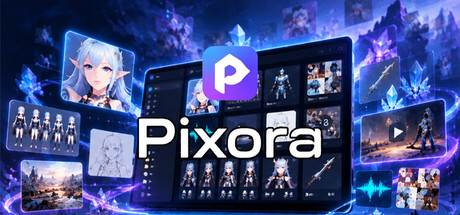 拾图 Store/marketing codeart | Pixora was developed with AI-assisted tools, which were used to support certain aspects of coding and the creation of promotional materials for the store page. All AI-generated content used in the project is permitted for commercial use under the applicable licenses. | 墨染六尘 | - | Oct 9, 2026 | |
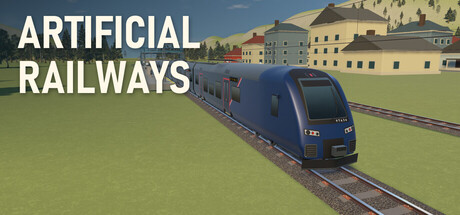 Artifical Railways Live AI artaudiocode | Artifical Railways was developed with extensive AI assistance, including programming and the creation of custom train models, procedural scenery, interface elements, and procedural sound effects. The game also incorporates third-party models, music, sound recordings, and fonts. Station announcements use AI-generated speech synthesized locally during gameplay from announcement templates and in-game railway information. This speech generation does not connect to an external AI service. | Starkim1999 | - | Oct 9, 2026 | |
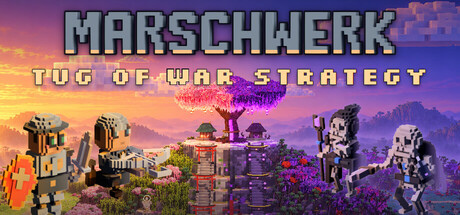 Marschwerk: Tug of War Strategy In-game content artaudiocode | Pre-generated: The music was made with Suno. Sound effects, ambience and voices were made with ElevenLabs. The ability and tech icons were generated with AI image models and edited for the game. All of it was selected, edited and mixed by the developers.
The 3D models, maps, animations and gameplay was developed with support of coding models.
Every screenshot and video on this page was captured in the game.
The store capsule art was refined with an AI image tool from in-game renders. | Andreas Hanuja | - | Oct 9, 2026 | |
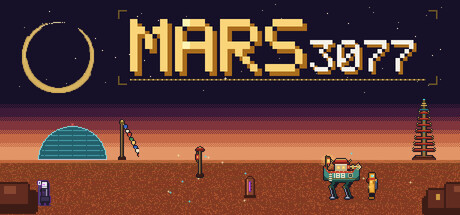 MARS3077 In-game content textcode | AI tools assisted the creation of in-game text and localization, and the development of code used to render pixel artwork and synthesize music and sound effects. The game does not use a generative AI model or service during gameplay. | NAMEK GAME STUDIO | - | Oct 9, 2026 | |
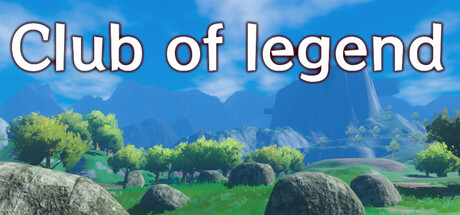 ファイナル棍棒 Unclear codetext | Coding assistance, translation | tokkuribunbuku | - | Oct 9, 2026 | |
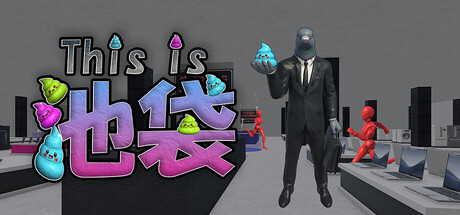 This is Ikebukuro In-game content artcode | Most of the 3D models appearing in this game, including the main protagonist and various objects, were generated and modeled using generative AI tools. While some of the programming code was also generated with the assistance of generative AI (such as Gemini), all tasks—including implementation, fine-tuning gameplay behaviors, overall game design, and adjustments—were carried out manually by a solo human developer. | Minovation Games | - | Oct 9, 2026 | |
 Daylight Line In-game content artcode | Generative AI assisted with some programming and debugging during the development of Daylight Line. Some in-game visual assets, including battle status icons, were also created with the assistance of generative AI and then processed and integrated by the development team. The game does not generate AI content during gameplay. | Windquill | - | Oct 9, 2026 | |
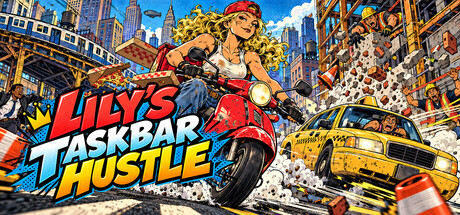 LILY'S TASKBAR HUSTLE In-game content artcode | We use generative AI for some of the following elements.
・Some of the in-game art
・Some of the code
・Some of the banners and trailers on the store page | OneCraft | - | Oct 9, 2026 | |
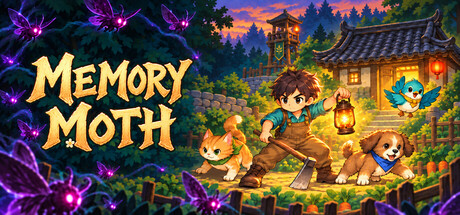 记忆蛀虫 Dev only artcodetext | Generative AI tools were used during development to create some visual assets and to assist with writing, modifying, and debugging code. All AI-generated or AI-assisted content was reviewed, adjusted, and integrated by the developer. The game does not use generative AI to create content during gameplay. | JSXPY工作室 | - | Oct 9, 2026 | |
 Soundboard - SoundGoat Live AI codetext | SoundGoat includes an optional real-time AI voice changer and offline dictation. Both run entirely on your own PC. One community RVC voice model ("Egirl") is included. Parts of the code and texts were written with AI assistance | amxn | - | Oct 9, 2026 | |
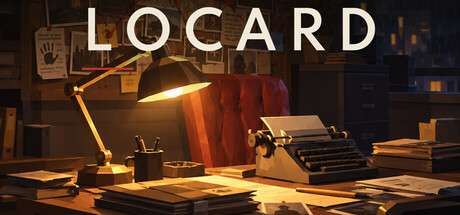 Locard Dev only code | Some source code and internal editor tooling were written with the assistance of AI coding tools during development. All of it was reviewed, edited and tested by the developer. The game's story, dialogue, characters and design are human-written. Visual and audio assets come from licensed asset packs and human-made content. No content is generated by AI while the game is running. | JinjaGames | - | Oct 9, 2026 | |
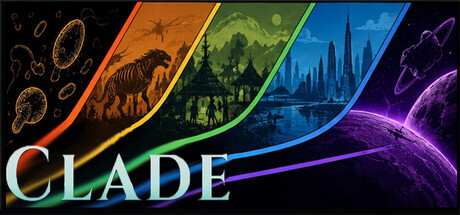 Clade Dev only codearttext | Clade is made by a small independent developer. During development, AI tools were used to help write some of the game's code, and to create some placeholder 3D models and text. All placeholder art is being replaced with handmade work, and this note will be updated as that happens. The game does not generate any content with AI while you play. The computer controlled empires are traditional game AI written for Clade, not generative AI. | Hyena Striata | - | Oct 9, 2026 | |
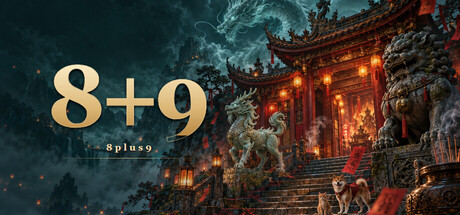 8+9 In-game content arttextcode | Generative AI was used during development to assist in creating some character, monster, pet, environment, item icon, and promotional artwork, as well as to support programming and multilingual text translation. The resulting content was selected, adjusted, and integrated into the game by the developer. This content is created in advance during development; the game does not generate AI content in real time during gameplay. | 蛋生遊戲 | - | Oct 9, 2026 | |
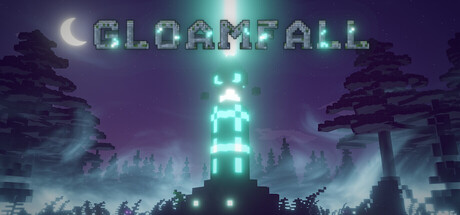 Gloamfall In-game content codetextaudio | AI was used as coding assistant, to create localization and also to mix and master sound and video files. | lenno | - | Oct 9, 2026 | |
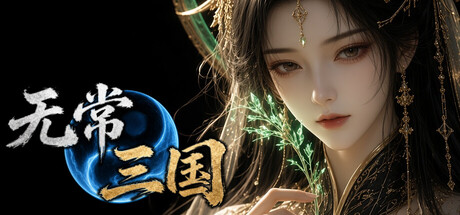 无常三国:乱世幸存者 In-game content artaudiocodetext | This game uses generative AI to assist in creating some game assets. All AI-generated assets are manually reviewed, adjusted, and refined by the developer. The game does not generate AI content in real-time during gameplay. | PRIMORDIAL STUDIO | - | Oct 9, 2026 | |
 国gal笑笑传 In-game content artcodetext | 我们使用AI生成美术、代码、文案资产
无实时生成AI内容
We use AI for pictures,code and story. | 羊头狗肉工作室 | - | Oct 9, 2026 | |
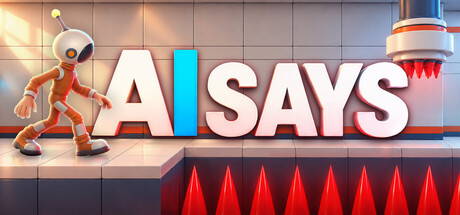 AI Says code | No art, audio, levels, or other authored game content was created using generative AI.
However, a small local AI model runs during gameplay to interpret the player's commands and control the character accordingly. Rest assured, it's dumb as a rock. It won't take over the world or your computer. It can barely take over the test subject. | Duck Milk | - | Oct 9, 2026 | |
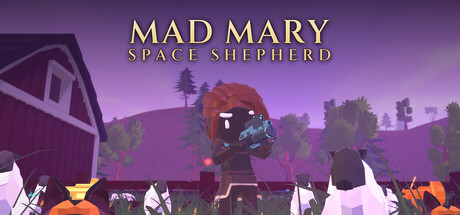 Mad Mary: Space Shepherd In-game content artcode | AI was used as an interface and scripting assistant for industry standard tools such as Reaper, Godot, Blender, Aseprite, and Deepl for enhancing the quality and consistency of the game content and building systems I otherwise would not have the capacity to design and implement as solo developer.
Where possible, artists are and will continue to be supported via use of their paid or free assets. For this game, the most money spent was on Quaternius source level packages.
Notable exception to this is the UI, which was generated using RetroDiffusion with a python pipeline built in house for consistent design around UI elements using color normalization and targeting from a theme palette, which is then imported and tweaked in Godot. | Spartan Game Studios | - | Oct 9, 2026 | |
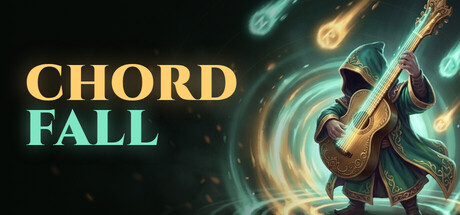 Chordfall In-game content arttextcode | Parts of the game's code and in-game text were written with AI assistance and edited by hand. The store capsule art was generated with AI image tools from the game's own visual style and then edited. No AI-generated image or audio files ship inside the game itself: every graphic is drawn in code while it runs, and all music and sound are synthesised live. | Kovid Bhaduri | - | Oct 9, 2026 | |
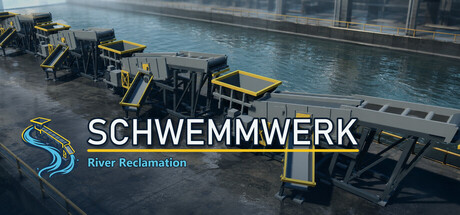 Schwemmwerk: River Reclamation In-game content arttextcode | Generative AI-assisted tools were used during development to support programming, localization and store-page text, and the creation or refinement of some visual game assets. All AI-assisted output was reviewed, edited, tested and integrated by the developer. No content is generated by AI during gameplay, and the game does not connect to external AI services. | Kartal Ziegner | - | Oct 9, 2026 | |
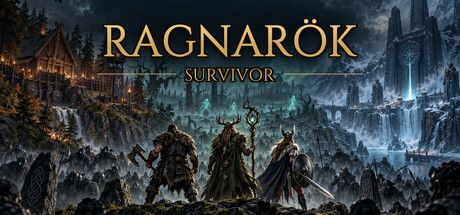 Ragnarök Survivor In-game content arttextaudiocode | This game was created with extensive AI assistance. AI-generated and AI-assisted content is used in the game, store artwork, descriptions and trailer. This includes graphics and artwork, text, and contributions to programming, music and trailer production. The trailer and screenshots show actual footage captured from the game. No generative AI content is created during gameplay, and the game does not connect to external AI services while being played. | Rabenwacht Studios | - | Oct 9, 2026 | |
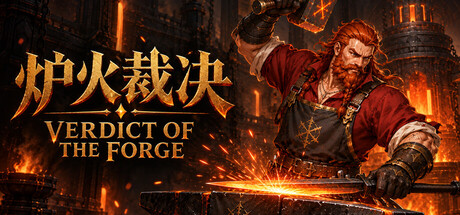 Verdict of the Forge In-game content artaudiocode | Generative AI tools were used during the development of this game to assist with creating certain visual assets, audio assets, and programming code. All AI-assisted content has been reviewed, edited, and integrated by the developer to ensure consistency with the game's artistic direction and overall quality. The game does not use generative AI to create content during gameplay. | 航海工作室 | - | Oct 9, 2026 | |
 It Wants You To Stay In-game content artaudiotextcode | It Wants You To Stay was developed using generative AI tools, including Claude Code, OpenAI Codex, Meta Muse, Meshy, Scenario, Eleven Labs, Suno AI, ChatGPT, and Seedance. AI was used to create code, many of the 3D models, sound effects, music, and videos. The game also includes free-to-use, human-made 3D models, with credit given to their authors.
I understand that some players feel strongly about AI in games, and I respect that. If you prefer not to support games made using AI, this title may not be for you. I’m sharing this openly so you can make an informed choice before buying.
If you choose to play, I hope you’ll judge the experience it delivers—its atmosphere, gameplay, performance, and value. Honest feedback, including negative reviews, is welcome. I take responsibility for the game’s quality and will use that feedback to help improve it. | AI & Design Game Studios | - | Oct 8, 2026 | |
 History of war: Napoleon in Spain In-game content artaudiocode | The game uses AI-assisted tools during development, including code generation, asset creation, music composition, map prototyping, and image generation. These systems are part of the production workflow and do not generate new content during gameplay.
AI for Coding: Development tools assist with scripting, debugging, and generating boilerplate code. All AI-generated code is reviewed and manually refined by the development team.
AI for Visual Assets: Some environmental elements, props, and textures are created or enhanced using AI image-generation tools. These images are always curated, edited, and finalized by artists to ensure consistency with the game’s historical art direction.
AI for Music: Background tracks and ambient layers may be composed with AI tools, then adjusted by human composers to match the tone of the game.
AI for Maps: AI is used to prototype terrain shapes and layout ideas, which are later fully redesigned and polished by level designers.
AI for Image Generation: Certain concept art, reference images, and early-stage visual drafts are produced using AI image-generation systems. These are used only as development references or starting points, not as final in‑game assets.
All AI-generated materials are static, pre-produced, and manually validated.
No AI system creates dynamic content, gameplay outcomes, or real-time images while the player is playing. | War History Studio | - | Oct 8, 2026 | |
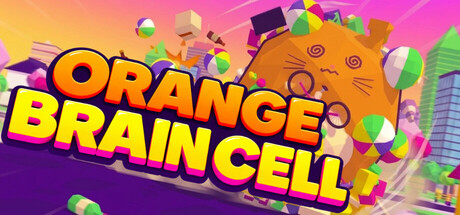 Orange Braincell In-game content artaudiotextcode | This game's content including code, artwork, audio, and text was generated with AI tools and refined by human hands. | Artur Latkovsky | - | Oct 7, 2026 | |
 Desk Pixie In-game content arttextcode | This game uses Generative AI tools during development to assist with asset, text, or code generation. All AI-generated content has been manually reviewed, edited, and integrated by the developers. | ByndWalker | - | Oct 7, 2026 | |
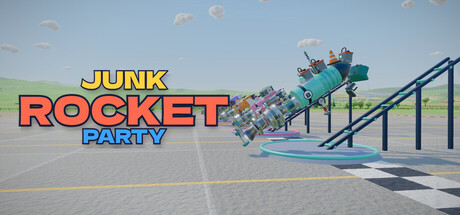 Junk Rocket Party In-game content artaudiocodetext | This game was developed with extensive use of generative AI (Anthropic's Claude and OpenAI's GPT). The game code, the 3D models (generated by AI-written scripts), procedurally generated visuals, synthesized sound effects and music (produced by AI-written synthesis code), in-game text and translations, and the store page text and trailer were all created with AI assistance. No AI content is generated while the game is running, and the game does not connect to any external AI service. | TOWA YOSHIDA | - | Oct 7, 2026 | |
 Zero League In-game content textcode | The in-game Japanese and Simplified Chinese translations were created with the help of AI tools. AI coding assistants were also used during development. All artwork, from pitches to character designs, was made by hand, and the music was created by the credited artists. | Zeromossdev | - | Oct 7, 2026 | |
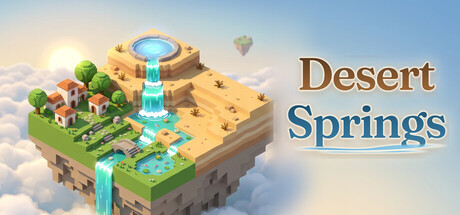 Desert Springs In-game content artcode | Desert Springs uses AI-assisted tools in parts of its development: some UI icons and Images were made with AI image generation. All of it was reviewed and edited by the developer. 2D art, level design, game design and codes are human made. No content is generated by AI while the game runs. | Robo Sombrero Studios | - | Oct 7, 2026 | |
 Druidika Unclear codeaudio | Uses for some scripting
Uses for some audio | Fort Chuck Entertainment | - | Oct 7, 2026 | |
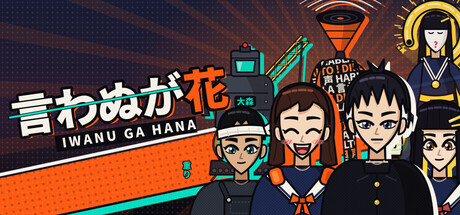 Iwanu Ga Hana In-game content artcode | This game contains content created with the assistance of AI tools. AI was used during development to assist with programming, visual assets, and other creative elements. All generated content was reviewed, edited, and integrated by the dev. | ISEKAI Games | - | Oct 7, 2026 | |
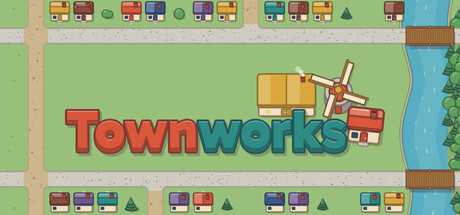 Townworks Store/marketing textcode | As a solo developer AI helped me with:
- fine tuning text and Steam store descriptions
- solve complex coding issues
- visuals are not "ai" generated, but all visuals are programmatically generated within my own software, and the scripts that do that, are optimised by AI coding tools | Ocelli | - | Oct 7, 2026 | |
 추 : 그날의 악몽 In-game content audiotextcode | All AI use happened during development. The background music was created with an AI music generation tool and edited by the developer. Parts of the in-game text, the store page text and the scripts used to build the 3D models were written with the help of an AI assistant, then reviewed and edited by the developer. No AI content is generated during gameplay. | HyungDongStudio | - | Oct 7, 2026 | |
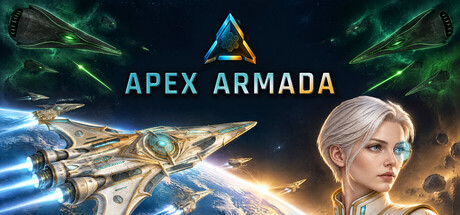 Apex Armada In-game content artaudiocode | As a solo dev, I use generative AI to help with some coding, visual and audio assets. Every AI asset was selected, refined, and directed by me. No AI content is generated when playing the game. | Max Q Games | - | Oct 7, 2026 | |
 L Wars: Chi Town In-game content arttextcode | Generative AI tools were used during development to assist with portions of the game’s pre-generated 2D character and promotional artwork, localization drafts, and code. All AI-assisted material was reviewed, selected, and edited by the developer before inclusion. The game does not generate AI content during gameplay. | Best KPI LLC | - | Oct 7, 2026 | |
 Fliegeralarm audiocode | Graphic
Sound
Code | Fliegeralarm Games | - | Oct 7, 2026 | |
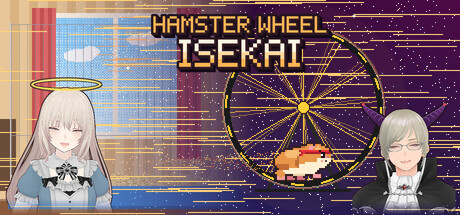 HAMSTER WHEEL ISEKAI In-game content artcode | This game contains content created with the assistance of AI tools. AI was used during development to assist with programming, visual assets, and other creative elements. All generated content was reviewed, edited, and integrated by the dev. | ISEKAI Games | - | Oct 7, 2026 | |
 SPLACHESS In-game content artaudiocode | Generative AI was used during the development of this game to create code, illustrations, and audio assets. | mayoaji | - | Oct 7, 2026 |


