Public Steam disclosure research25,497 disclosures tracked
Where do games disclose AI use?
Search developers’ Steam disclosures, compare classified AI use across
games, and follow recorded changes.
This index adds cross-game classifications and statistics to
statements published on individual store pages.
Groups reflect automatic analysis of public disclosures; mature records are excluded. These counts do not measure AI use across all of Steam.
Missing or unclear statements cannot establish whether a game uses AI.
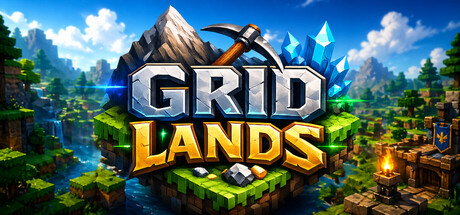
Grid Lands uses generative AI during development in three areas: some in-game illustrations and icons are produced with AI image-generation tools, some player-facing text (in-game copy and store-page text) is drafted with AI writing assistance, and our developers use AI coding assistants while writing the game. All assets, text, and code are reviewed and refined by our team before release. The game itself does not use generative AI at runtime — no player data is sent to AI services during play, and no in-game content is generated live.
Generative AI was used to assist with parts of development (including some code drafting) and store page writing. All content was reviewed and finalized by the developer, and no AI-generated runtime content is included.
AI tools were used as a support during development.
- Assistance with coding and English localization
- Some character artwork was initially sketched by the developer, then refined using AI tools and further manually adjusted
All final content was reviewed and edited by the developer.
AI image generation tools were used to create character artwork, background illustrations, and other visual assets in this game. AI coding assistance tools were used extensively throughout the development process for game logic and programming.
WinBolo's core engine and gameplay code was originally written by John Morrison between 1998 and 2008. The 2.0 modernization — including build system updates, the networking rewrite and platform ports — was developed with assistance from AI coding tools, with all architectural decisions, code review, and final integration handled by John Morrison.
Some non-gameplay marketing materials — including images and video elements used in trailers, social media, and the store page — were created using AI image generation as a starting point, with composition, editing, effects, and final selection done by hand. Gameplay screenshots and video footage are unedited captures from the actual game.
The game itself contains no generative AI content at runtime. Player-facing in-game assets (graphics, sound, music, text, UI) are human-created. The in-game AI opponents ("Brains," including NewAutopilot and future ML-trained agents) use traditional game AI techniques and trained reinforcement-learning models — they don't generate text, images, or audio during play.
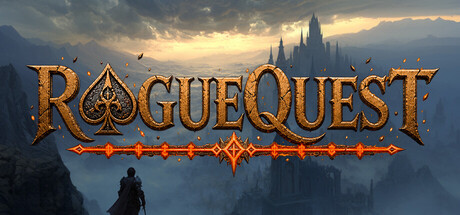
RogueQuest was made by a solo developer with the help of generative AI across most of its production: artwork (character portraits, environments, card illustrations), code (written collaboratively with AI coding assistants), and music/sound. Game design, writing, curation, and final decisions are made by a human. All AI-generated assets are pre-generated and shipped as static content. The game does not call any AI services while you play.
Generative AI tools were used during development to assist with the creation of some pre-generated 2D artwork and static visual assets included in the game, Steam store page, and marketing materials. AI tools were also used as development assistance for portions of the code. All resulting content was completed and integrated before release. The game does not use generative AI during gameplay, does not connect to external generative AI services, and does not generate text, images, audio, or other content at runtime.
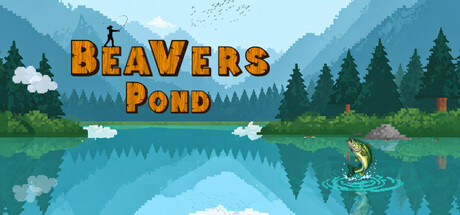
Beaver's Pond's game design, creative direction, art direction, gameplay systems, and overall vision were conceived and directed by a solo human developer. All AI-generated content was curated, edited, and integrated by the developer.
AI was used to assist in the following areas:
All game code was written with AI assistance
Character sprite artwork was generated with AI assistance
Lure artwork was generated with AI assistance
Fish artwork was generated with AI assistance
All music tracks were generated with AI assistance
The game contains several code snippets and folder modifications that remain unsolved. There is no artificial intelligence that directly affects the gameplay.
Generative AI tools were used as development assistance for scripting and for some marketing or store presentation assets.
All 3D models and core visual assets were created by the developer. The game does not use AI to generate content, code, images, audio, or text during gameplay, and it does not connect to any external AI services.
Nexus Legacy is made by a solo developer using AI-assisted production tools. These tools were used during development to help with visual iteration, asset production, prototyping and code assistance, making a larger persistent MMO possible with a small production pipeline.
The final game is not a live AI generator. Gameplay design, balance, economy, progression, PvE/PvP rules, server logic, world structure, final visuals and updates are selected, reviewed, edited and maintained by the developer.
No live generative AI is used to create player-facing content while the game is running.
This game was developed with the assistance of generative AI tools for portions of code, store text, and some marketing/supporting visual assets. The game does not generate AI content during gameplay.
During the game development process, we utilized artificial intelligence tools to assist with programming and created a variety of game assets, including images, icons, and localized content.
All assets generated or assisted by AI underwent thorough review and necessary adjustments before receiving official approval from our development team. This meticulous process ensured that the quality and style of all materials met the highest standards and remained consistent throughout the project.
AI disclosure: AI assistants were used during development to help write and refine the game's source code and to edit narrative text (board memos, news headlines, event copy). All AI-assisted output was reviewed, edited, and approved by a human before shipping.
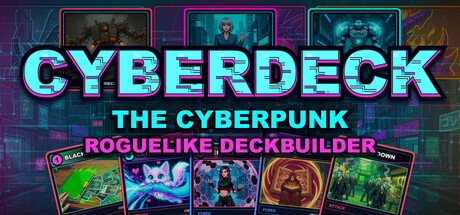
CyberDeck contains pre-generated visual art, animation frames, music, sound effects, voice audio, and written content created or assisted with generative AI tools, then curated and integrated by the development team. Generative AI also assists development, including code. No AI generates content during gameplay, and the game does not connect to external AI services while you play.
All in-game visual art assets in this title — including item icons, equipment artwork, character portraits, story illustrations, and UI decorative elements (frames, icons, and background textures) — are produced using OpenAI's ChatGPT image generation and xAI's Grok image generation API as core tools within our ink-wash and gongbi-style art pipeline. Every generated asset is reviewed, curated, manually retouched, and compositionally adjusted by the developer before being incorporated into the game. No real person's likeness has been used.
The game's source code is written by the developer, Kevin Chen, with OpenAI Codex and Anthropic Claude Code used as coding assistants during development. In-game narrative and dialogue text are written by the developer, with portions assisted by Anthropic Claude for polishing and proofreading.
This game's development used generative AI in three specific areas:
1. Source code: Portions of the source code were authored with assistance from large language model (LLM) coding tools.
2. Localization: In-game text translations for 10 languages (English, Simplified Chinese, Traditional Chinese, Korean, Russian, German, French, Spanish, Brazilian Portuguese, and Italian) were generated
using LLM-based tools from the original Japanese source text.
3. Visual assets (UI graphics and logo): Generative AI was used in some cases to assist with creating certain in-game UI icons and the game logo. These AI-assisted assets are limited to generic UI elements
(icons, indicators) and abstract logo designs, and do not depict real-world characters, brands, or copyrighted materials.
Nothing is outside the scope of AI usage. Images were generated with an AI workflow. Sounds are free and edited. Code includes consultation with free tier LLMs.
All visual assets were generated in part using Nano Banana. Some code was generated using Gemini. This project was done by a Solo Dev and few eternal assets were used except where noted.
Some graphical assets, musical assets, localization, and portions of code were partially created with the assistance of generative AI programs and large language models (LLMs).
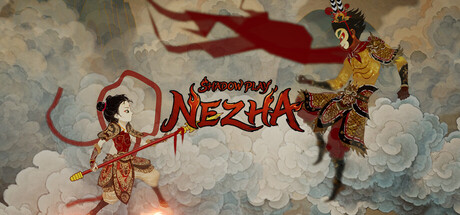
This game utilizes AI-assisted technologies in its development process. Generative AI was used to assist in writing code, refining localized text, and generating certain background ambient music and sound effects. Additionally, AI tools were used to help conceptualize and refine the unique "Shadow Puppetry" and "Ink-wash" artistic style assets to ensure a high-quality visual experience.
This app uses AI tools during the development process, for example to configure some behavior algorithms. All cat sprite art consists of hand-drawn works by human artists, purchased under a commercial license. No generative AI is used during gameplay.
Some store page artwork, marketing text, and game code were created with the assistance of AI tools (including this text), with direction, editing, and curation by the developer. All game design and creative decisions are human-made.
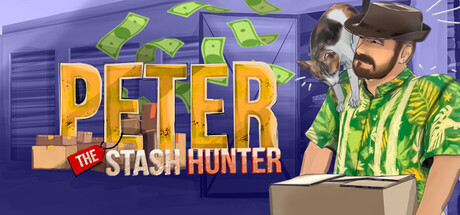
Peter the Stash Hunter has been mostly designed and coded by hand by a single developer using traditional methods. AI tools were used in the development process only in two supporting roles:
- Translating store descriptions and in-game text into different languages
- Acting as a helper assistant during code writing
All AI outputs have been reviewed and edited by the developer. Translations are planned to be improved over time based on community feedback. None of the game's visuals, story, characters, music, sound effects, gameplay mechanics, or design decisions have been generated by AI. There is also no AI system running inside the game.
During the development of this game, generative AI tools were used as a supportive resource for technical and creative tasks. Specifically, AI was utilized to assist in structuring complex C# scripts and providing visual reference images for world-building and character design. This allowed me as a solo developer to streamline my technical workflow and focus more on the core gameplay, environmental puzzles, and the unique atmospheric feel of the project. Every piece of AI-assisted logic or visual concept has been manually reviewed, adapted, and implemented by me to ensure it fits perfectly within the game's overall design.
Generative AI tools were used as development assistance for code prototyping, design iteration, selected promotional/store artwork, and AI-generated trailer music. The final game content is reviewed, edited, integrated, and curated by the developer.
The game does not use live generative AI during gameplay. No runtime AI-generated text, images, audio, or dialogue are produced for players.
AI tools were used to assist with code development and localization. All game design, art direction, and creative decisions were made by the developer.
Generative AI was used to assist in creating certain in-game UI assets (such as combo icons), the main capsule (cover art), and for code debugging during the development process. All AI-assisted content has been manually reviewed, refined, and integrated by the developer to ensure a high-quality experience.
Grid Lands uses generative AI during development in three areas: some in-game illustrations and icons are produced with AI image-generation tools, some player-facing text (in-game copy and store-page text) is drafted with AI writing assistance, and our developers use AI coding assistants while writing the game. All assets, text, and code are reviewed and refined by our team before release. The game itself does not use generative AI at runtime — no player data is sent to AI services during play, and no in-game content is generated live.
Generative AI was used to assist with parts of development (including some code drafting) and store page writing. All content was reviewed and finalized by the developer, and no AI-generated runtime content is included.
AI tools were used as a support during development.
- Assistance with coding and English localization
- Some character artwork was initially sketched by the developer, then refined using AI tools and further manually adjusted
All final content was reviewed and edited by the developer.
AI image generation tools were used to create character artwork, background illustrations, and other visual assets in this game. AI coding assistance tools were used extensively throughout the development process for game logic and programming.
WinBolo's core engine and gameplay code was originally written by John Morrison between 1998 and 2008. The 2.0 modernization — including build system updates, the networking rewrite and platform ports — was developed with assistance from AI coding tools, with all architectural decisions, code review, and final integration handled by John Morrison.
Some non-gameplay marketing materials — including images and video elements used in trailers, social media, and the store page — were created using AI image generation as a starting point, with composition, editing, effects, and final selection done by hand. Gameplay screenshots and video footage are unedited captures from the actual game.
The game itself contains no generative AI content at runtime. Player-facing in-game assets (graphics, sound, music, text, UI) are human-created. The in-game AI opponents ("Brains," including NewAutopilot and future ML-trained agents) use traditional game AI techniques and trained reinforcement-learning models — they don't generate text, images, or audio during play.
RogueQuest was made by a solo developer with the help of generative AI across most of its production: artwork (character portraits, environments, card illustrations), code (written collaboratively with AI coding assistants), and music/sound. Game design, writing, curation, and final decisions are made by a human. All AI-generated assets are pre-generated and shipped as static content. The game does not call any AI services while you play.
Generative AI tools were used during development to assist with the creation of some pre-generated 2D artwork and static visual assets included in the game, Steam store page, and marketing materials. AI tools were also used as development assistance for portions of the code. All resulting content was completed and integrated before release. The game does not use generative AI during gameplay, does not connect to external generative AI services, and does not generate text, images, audio, or other content at runtime.
Beaver's Pond's game design, creative direction, art direction, gameplay systems, and overall vision were conceived and directed by a solo human developer. All AI-generated content was curated, edited, and integrated by the developer.
AI was used to assist in the following areas:
All game code was written with AI assistance
Character sprite artwork was generated with AI assistance
Lure artwork was generated with AI assistance
Fish artwork was generated with AI assistance
All music tracks were generated with AI assistance
The game contains several code snippets and folder modifications that remain unsolved. There is no artificial intelligence that directly affects the gameplay.
Generative AI tools were used as development assistance for scripting and for some marketing or store presentation assets.
All 3D models and core visual assets were created by the developer. The game does not use AI to generate content, code, images, audio, or text during gameplay, and it does not connect to any external AI services.
Nexus Legacy is made by a solo developer using AI-assisted production tools. These tools were used during development to help with visual iteration, asset production, prototyping and code assistance, making a larger persistent MMO possible with a small production pipeline.
The final game is not a live AI generator. Gameplay design, balance, economy, progression, PvE/PvP rules, server logic, world structure, final visuals and updates are selected, reviewed, edited and maintained by the developer.
No live generative AI is used to create player-facing content while the game is running.
This game was developed with the assistance of generative AI tools for portions of code, store text, and some marketing/supporting visual assets. The game does not generate AI content during gameplay.
During the game development process, we utilized artificial intelligence tools to assist with programming and created a variety of game assets, including images, icons, and localized content.
All assets generated or assisted by AI underwent thorough review and necessary adjustments before receiving official approval from our development team. This meticulous process ensured that the quality and style of all materials met the highest standards and remained consistent throughout the project.
AI disclosure: AI assistants were used during development to help write and refine the game's source code and to edit narrative text (board memos, news headlines, event copy). All AI-assisted output was reviewed, edited, and approved by a human before shipping.
CyberDeck contains pre-generated visual art, animation frames, music, sound effects, voice audio, and written content created or assisted with generative AI tools, then curated and integrated by the development team. Generative AI also assists development, including code. No AI generates content during gameplay, and the game does not connect to external AI services while you play.
All in-game visual art assets in this title — including item icons, equipment artwork, character portraits, story illustrations, and UI decorative elements (frames, icons, and background textures) — are produced using OpenAI's ChatGPT image generation and xAI's Grok image generation API as core tools within our ink-wash and gongbi-style art pipeline. Every generated asset is reviewed, curated, manually retouched, and compositionally adjusted by the developer before being incorporated into the game. No real person's likeness has been used.
The game's source code is written by the developer, Kevin Chen, with OpenAI Codex and Anthropic Claude Code used as coding assistants during development. In-game narrative and dialogue text are written by the developer, with portions assisted by Anthropic Claude for polishing and proofreading.
This game's development used generative AI in three specific areas:
1. Source code: Portions of the source code were authored with assistance from large language model (LLM) coding tools.
2. Localization: In-game text translations for 10 languages (English, Simplified Chinese, Traditional Chinese, Korean, Russian, German, French, Spanish, Brazilian Portuguese, and Italian) were generated
using LLM-based tools from the original Japanese source text.
3. Visual assets (UI graphics and logo): Generative AI was used in some cases to assist with creating certain in-game UI icons and the game logo. These AI-assisted assets are limited to generic UI elements
(icons, indicators) and abstract logo designs, and do not depict real-world characters, brands, or copyrighted materials.
Nothing is outside the scope of AI usage. Images were generated with an AI workflow. Sounds are free and edited. Code includes consultation with free tier LLMs.
All visual assets were generated in part using Nano Banana. Some code was generated using Gemini. This project was done by a Solo Dev and few eternal assets were used except where noted.
Some graphical assets, musical assets, localization, and portions of code were partially created with the assistance of generative AI programs and large language models (LLMs).
This game utilizes AI-assisted technologies in its development process. Generative AI was used to assist in writing code, refining localized text, and generating certain background ambient music and sound effects. Additionally, AI tools were used to help conceptualize and refine the unique "Shadow Puppetry" and "Ink-wash" artistic style assets to ensure a high-quality visual experience.
This app uses AI tools during the development process, for example to configure some behavior algorithms. All cat sprite art consists of hand-drawn works by human artists, purchased under a commercial license. No generative AI is used during gameplay.
Some store page artwork, marketing text, and game code were created with the assistance of AI tools (including this text), with direction, editing, and curation by the developer. All game design and creative decisions are human-made.
Peter the Stash Hunter has been mostly designed and coded by hand by a single developer using traditional methods. AI tools were used in the development process only in two supporting roles:
- Translating store descriptions and in-game text into different languages
- Acting as a helper assistant during code writing
All AI outputs have been reviewed and edited by the developer. Translations are planned to be improved over time based on community feedback. None of the game's visuals, story, characters, music, sound effects, gameplay mechanics, or design decisions have been generated by AI. There is also no AI system running inside the game.
During the development of this game, generative AI tools were used as a supportive resource for technical and creative tasks. Specifically, AI was utilized to assist in structuring complex C# scripts and providing visual reference images for world-building and character design. This allowed me as a solo developer to streamline my technical workflow and focus more on the core gameplay, environmental puzzles, and the unique atmospheric feel of the project. Every piece of AI-assisted logic or visual concept has been manually reviewed, adapted, and implemented by me to ensure it fits perfectly within the game's overall design.
Generative AI tools were used as development assistance for code prototyping, design iteration, selected promotional/store artwork, and AI-generated trailer music. The final game content is reviewed, edited, integrated, and curated by the developer.
The game does not use live generative AI during gameplay. No runtime AI-generated text, images, audio, or dialogue are produced for players.
AI tools were used to assist with code development and localization. All game design, art direction, and creative decisions were made by the developer.
Generative AI was used to assist in creating certain in-game UI assets (such as combo icons), the main capsule (cover art), and for code debugging during the development process. All AI-assisted content has been manually reviewed, refined, and integrated by the developer to ensure a high-quality experience.