Public Steam disclosure research25,497 disclosures tracked
Where do games disclose AI use?
Search developers’ Steam disclosures, compare classified AI use across
games, and follow recorded changes.
This index adds cross-game classifications and statistics to
statements published on individual store pages.
Groups reflect automatic analysis of public disclosures; mature records are excluded. These counts do not measure AI use across all of Steam.
Missing or unclear statements cannot establish whether a game uses AI.
I used AI tools (such as ChatGPT) to assist in writing scripts and optimizing the game code, which helped bridge the technical gap as an individual developer. Additionally, AI was used for English translation and proofreading to ensure a natural and high-quality narrative for global players.
AI Disclosure
Generative AI tools were used to assist with writing store page descriptions and game development. All gameplay content — including art, audio, maze generation, and game mechanics — is created programmatically through traditional algorithms and code.
This game was developed with the assistance of generative AI tools, which were used to help create visual assets, code, and some audio elements. All generated content was reviewed, edited, and integrated by the developer to ensure consistency and quality.
No generative AI is used during gameplay. All content is pre-generated and curated before release.
Luminara: The Second Dawn was created by a solo developer with the help of AI tools to bring the game to life. Every piece of content—art, music, story, and code—has been personally reviewed, curated, and directed by me to ensure it fits the game's vision and quality standards.
Generative AI tools were used as development assistance for portions of the source code, including drafting, organization, and commenting. No live AI-generated content is produced during gameplay.
We used generative AI tools during development to assist with certain pre-generated visual assets, text content, localization drafts, and portions of code. All AI-assisted content was reviewed, edited, and approved by the developer before being used in the game or on the store page. The game does not use live-generated AI during gameplay.
This game uses generative AI as part of its development process. Most of the game’s implementation is based on AI-assisted code generated through prompts, which is then reviewed, modified, and integrated by the developer.
Generative AI is also used to create some 3D assets, including the player character object and certain background building objects. These assets are not used as raw AI output; they are selected, adjusted, revised, and optimized for in-game use by the developer before being implemented in the game.
The content shown in this game is not generated live during gameplay. It is created and reviewed in advance before being included in the final product.
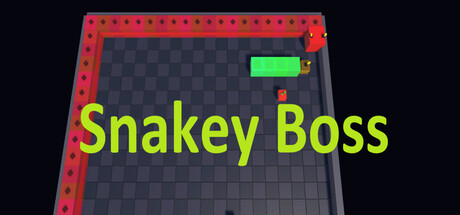
I have used the help of AI for some of the levels design, drafts of the bosses and other parts of the game design. Also part of the data models I have had help from AI to implement them.
AI helped guide the structure of the steam page and wording, It also helped with choosing a name that is not trademarked or taken. AI was used as a coding assistant during development.
We used AI tools (such as ChatGPT and Gemini) to assist with coding and brainstorming game design ideas during the development process. All final assets and game logic have been reviewed and refined by the developer.
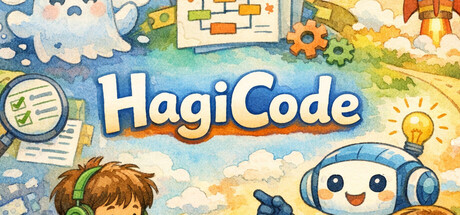
Hagicode is a software tool for code development that interfaces with third-party CLI tools. Accordingly, it invokes third-party CLI tools for content generation. These CLI tools, including Claude Code, Codex, Gemini CLI and others, are installed and used by users on their own computers independently.
Users utilizing these CLI tools are generally professional developers. Hagicode does not invoke any third-party AI generation services other than the aforementioned CLI tools. It merely acts as a caller to coordinate and display outputs returned by the CLI tools.
Therefore, Hagicode shall not be liable for the generated results and content. Hagicode is not the actual generator and implementer, but only a caller.
AI tools were used during parts of the development process to assist with early-stage graphics and code. Every AI-assisted element has since been carefully reworked, improved, and integrated through hands-on development.
The final product is shaped by deliberate design, creative iteration, and personal input to ensure a cohesive and original gameplay experience.
This game was built with the assistance of AI tools. Visual assets including character models, ability icons, and promotional art were generated using AI image generation. Game code, systems design, and implementation were developed with AI coding assistance. All gameplay mechanics, class balance, and game design decisions were directed by the developer.
During the development of "Farm Harbeest", we used generative AI to help improve production efficiency, including assistance with some art references, music and sound effect inspiration, and code logic references. All related content was manually reviewed, selected, reworked, edited, tested, and integrated. The final game content is reviewed and controlled by the developers. We confirm that the AI-assisted content does not include any unauthorized copyrighted material.
The developer used AI tools during the development process as a programming assistant to optimize and troubleshoot code. Additionally, a small number of 3D models utilized as game assets were created using AI generation tools. All core gameplay mechanics, level design, and the overall creative vision are strictly handcrafted.
Generative AI was used for base sprites and code. All assets were manually edited and adapted to match the game's aesthetic and ensure originality. Content is static and pre-rendered.
Art and Visual Assets: The game’s visual assets, including character designs, backgrounds, and UI elements, were pre-generated using AI tools. These assets were then curated and stylized to fit a unique comic-book aesthetic.
Code and Development: Portions of the game's underlying code and systems were developed with the assistance of AI-powered coding tools.
Quality Control: All AI-generated content has been thoroughly reviewed and edited by the developer to ensure it does not contain any infringing or illegal material and meets the game's quality standards.
Generative AI was used to assist in the creation of the game's codebase and logic. AI tools were also used to generate environmental art, background assets, and promotional marketing materials (including the Library Hero, Logo, and store page assets). All AI-generated content was reviewed and curated to ensure it meets quality standards and does not contain illegal or infringing material.
This game used generative AI tools during development to assist with some pre-generated content, including portions of visual assets and some code/text assistance. All AI-assisted output was reviewed, modified, and curated by the developer before being included in the game. This game does not use live-generated AI during gameplay.
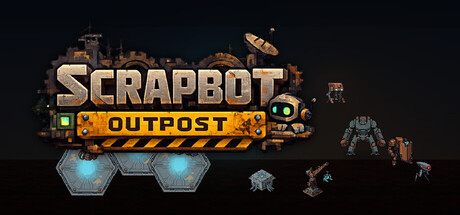
Scrapbot Outpost was created with assistance from AI tools.
AI tools were used for portions of the design, writing, translating, brainstorming, and implementation process, and for the creation of most game art assets.
Tools used during development include:
- OpenAI ChatGPT
- Claude Opus
- PixelLab.ai
All AI-assisted content was selected, reviewed, edited, and integrated by the developement team
AI was used for initial code reviews. Everything it produced was carefully reviewd, and we shipped those results in early production. It also served as a great "rubber duck".
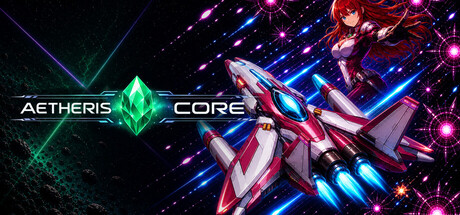
Aetheris Core is a hand-crafted indie game, built and tuned over thousands of hours of development and playtesting by Kavik Studios.
Generative AI tools were used to assist with parts of the process, including some visual and audio assets and technical code such as shaders. No content is generated live during gameplay; everything ships as fixed, pre-made assets. Every AI-assisted element was reviewed, edited, reworked, and integrated by hand to meet the game's quality and consistency standards. The design, balance, feel, and final form of the game are Kavik Studios' own work.
We've disclosed our use of AI tools openly since day one, and we're committed to keeping that transparency as the game grows.
This game makes limited use of generative artificial intelligence during development.
Generative AI was used to help create some game music and sound effects, to generate the store page thumbnail artwork, and as a support tool for brainstorming ideas and coding auto-completion.
All gameplay, design, and final creative decisions were made by the developer.
Generative AI tools were used during development to assist with writing and debugging parts of the game code. Some visual or text assets may have been created or edited with the assistance of generative AI. The game does not use live generative AI during gameplay.
Generative AI was used to assist in the creation of 2D graphical textures (such as the core visuals and aesthetic shop skins) as well as assisting as a tool in writing the underlying game code and mechanics.
This game was build entirely using Artificial Intelligence, including code, visual, sound effects and soundtracks. It was however crafted with care by a real human.
During the development of this game, generative artificial intelligence tools (such as language models) were used to assist in the generation of code, game logic, and certain content elements.
All systems have been manually integrated, validated, and fine-tuned by the developer. Artificial intelligence does not operate in real time within the game nor does it generate dynamic content for the end user.
Measures have been taken to ensure that the generated content complies with the required intellectual property and quality policies.
All of the game code is via Vibe coding.
Most of the art material is AI-generated.
About half the pre-written text is AI-generated (Prompt for the story, character behavior, etc).
All of the content of the text that the player sees in-game, during gameplay, is Live-AI-generated.
The Cinematic trailer is Ai generated.
I used AI tools (such as ChatGPT) to assist in writing scripts and optimizing the game code, which helped bridge the technical gap as an individual developer. Additionally, AI was used for English translation and proofreading to ensure a natural and high-quality narrative for global players.
AI Disclosure
Generative AI tools were used to assist with writing store page descriptions and game development. All gameplay content — including art, audio, maze generation, and game mechanics — is created programmatically through traditional algorithms and code.
This game was developed with the assistance of generative AI tools, which were used to help create visual assets, code, and some audio elements. All generated content was reviewed, edited, and integrated by the developer to ensure consistency and quality.
No generative AI is used during gameplay. All content is pre-generated and curated before release.
Luminara: The Second Dawn was created by a solo developer with the help of AI tools to bring the game to life. Every piece of content—art, music, story, and code—has been personally reviewed, curated, and directed by me to ensure it fits the game's vision and quality standards.
Generative AI tools were used as development assistance for portions of the source code, including drafting, organization, and commenting. No live AI-generated content is produced during gameplay.
We used generative AI tools during development to assist with certain pre-generated visual assets, text content, localization drafts, and portions of code. All AI-assisted content was reviewed, edited, and approved by the developer before being used in the game or on the store page. The game does not use live-generated AI during gameplay.
This game uses generative AI as part of its development process. Most of the game’s implementation is based on AI-assisted code generated through prompts, which is then reviewed, modified, and integrated by the developer.
Generative AI is also used to create some 3D assets, including the player character object and certain background building objects. These assets are not used as raw AI output; they are selected, adjusted, revised, and optimized for in-game use by the developer before being implemented in the game.
The content shown in this game is not generated live during gameplay. It is created and reviewed in advance before being included in the final product.
I have used the help of AI for some of the levels design, drafts of the bosses and other parts of the game design. Also part of the data models I have had help from AI to implement them.
AI helped guide the structure of the steam page and wording, It also helped with choosing a name that is not trademarked or taken. AI was used as a coding assistant during development.
We used AI tools (such as ChatGPT and Gemini) to assist with coding and brainstorming game design ideas during the development process. All final assets and game logic have been reviewed and refined by the developer.
Hagicode is a software tool for code development that interfaces with third-party CLI tools. Accordingly, it invokes third-party CLI tools for content generation. These CLI tools, including Claude Code, Codex, Gemini CLI and others, are installed and used by users on their own computers independently.
Users utilizing these CLI tools are generally professional developers. Hagicode does not invoke any third-party AI generation services other than the aforementioned CLI tools. It merely acts as a caller to coordinate and display outputs returned by the CLI tools.
Therefore, Hagicode shall not be liable for the generated results and content. Hagicode is not the actual generator and implementer, but only a caller.
AI tools were used during parts of the development process to assist with early-stage graphics and code. Every AI-assisted element has since been carefully reworked, improved, and integrated through hands-on development.
The final product is shaped by deliberate design, creative iteration, and personal input to ensure a cohesive and original gameplay experience.
This game was built with the assistance of AI tools. Visual assets including character models, ability icons, and promotional art were generated using AI image generation. Game code, systems design, and implementation were developed with AI coding assistance. All gameplay mechanics, class balance, and game design decisions were directed by the developer.
During the development of "Farm Harbeest", we used generative AI to help improve production efficiency, including assistance with some art references, music and sound effect inspiration, and code logic references. All related content was manually reviewed, selected, reworked, edited, tested, and integrated. The final game content is reviewed and controlled by the developers. We confirm that the AI-assisted content does not include any unauthorized copyrighted material.
The developer used AI tools during the development process as a programming assistant to optimize and troubleshoot code. Additionally, a small number of 3D models utilized as game assets were created using AI generation tools. All core gameplay mechanics, level design, and the overall creative vision are strictly handcrafted.
Generative AI was used for base sprites and code. All assets were manually edited and adapted to match the game's aesthetic and ensure originality. Content is static and pre-rendered.
Art and Visual Assets: The game’s visual assets, including character designs, backgrounds, and UI elements, were pre-generated using AI tools. These assets were then curated and stylized to fit a unique comic-book aesthetic.
Code and Development: Portions of the game's underlying code and systems were developed with the assistance of AI-powered coding tools.
Quality Control: All AI-generated content has been thoroughly reviewed and edited by the developer to ensure it does not contain any infringing or illegal material and meets the game's quality standards.
Generative AI was used to assist in the creation of the game's codebase and logic. AI tools were also used to generate environmental art, background assets, and promotional marketing materials (including the Library Hero, Logo, and store page assets). All AI-generated content was reviewed and curated to ensure it meets quality standards and does not contain illegal or infringing material.
This game used generative AI tools during development to assist with some pre-generated content, including portions of visual assets and some code/text assistance. All AI-assisted output was reviewed, modified, and curated by the developer before being included in the game. This game does not use live-generated AI during gameplay.
Scrapbot Outpost was created with assistance from AI tools.
AI tools were used for portions of the design, writing, translating, brainstorming, and implementation process, and for the creation of most game art assets.
Tools used during development include:
- OpenAI ChatGPT
- Claude Opus
- PixelLab.ai
All AI-assisted content was selected, reviewed, edited, and integrated by the developement team
AI was used for initial code reviews. Everything it produced was carefully reviewd, and we shipped those results in early production. It also served as a great "rubber duck".
Aetheris Core is a hand-crafted indie game, built and tuned over thousands of hours of development and playtesting by Kavik Studios.
Generative AI tools were used to assist with parts of the process, including some visual and audio assets and technical code such as shaders. No content is generated live during gameplay; everything ships as fixed, pre-made assets. Every AI-assisted element was reviewed, edited, reworked, and integrated by hand to meet the game's quality and consistency standards. The design, balance, feel, and final form of the game are Kavik Studios' own work.
We've disclosed our use of AI tools openly since day one, and we're committed to keeping that transparency as the game grows.
This game makes limited use of generative artificial intelligence during development.
Generative AI was used to help create some game music and sound effects, to generate the store page thumbnail artwork, and as a support tool for brainstorming ideas and coding auto-completion.
All gameplay, design, and final creative decisions were made by the developer.
Generative AI tools were used during development to assist with writing and debugging parts of the game code. Some visual or text assets may have been created or edited with the assistance of generative AI. The game does not use live generative AI during gameplay.
Generative AI was used to assist in the creation of 2D graphical textures (such as the core visuals and aesthetic shop skins) as well as assisting as a tool in writing the underlying game code and mechanics.
This game was build entirely using Artificial Intelligence, including code, visual, sound effects and soundtracks. It was however crafted with care by a real human.
During the development of this game, generative artificial intelligence tools (such as language models) were used to assist in the generation of code, game logic, and certain content elements.
All systems have been manually integrated, validated, and fine-tuned by the developer. Artificial intelligence does not operate in real time within the game nor does it generate dynamic content for the end user.
Measures have been taken to ensure that the generated content complies with the required intellectual property and quality policies.
All of the game code is via Vibe coding.
Most of the art material is AI-generated.
About half the pre-written text is AI-generated (Prompt for the story, character behavior, etc).
All of the content of the text that the player sees in-game, during gameplay, is Live-AI-generated.
The Cinematic trailer is Ai generated.