Public Steam disclosure research25,497 disclosures tracked
Where do games disclose AI use?
Search developers’ Steam disclosures, compare classified AI use across
games, and follow recorded changes.
This index adds cross-game classifications and statistics to
statements published on individual store pages.
Groups reflect automatic analysis of public disclosures; mature records are excluded. These counts do not measure AI use across all of Steam.
Missing or unclear statements cannot establish whether a game uses AI.
During development, we used AI-assisted tools to improve some code and autocomplete features to write parts of non-core code.We use AI-assisted translation in our localization workflow; all final text is human-reviewed and edited.
How We Used AI in When The Sun Dies
When developing When The Sun Dies, we leveraged artificial intelligence to enrich your experience and create a truly immersive world. AI is integrated into many different aspects of the game, playing significant roles both visibly and behind the scenes.
Areas Where AI Was Used:
Visual and Audio Design: We utilized AI-powered tools in the creation of some of the game's textures, 3D models, and sounds. This allowed our artists and sound designers to bring their visions to life more quickly and efficiently, enhancing the unique and unsettling atmosphere of the world.
Code Optimization and Development: AI-assisted processes were used in the development and optimization of certain parts of the game's core code. This helped us deliver a more stable, efficient, and seamless gameplay experience.
Story and World Building: AI-based suggestion systems contributed to detailing certain elements of our post-apocalyptic world's rich story and lore, as well as refining characters and events. This increased the depth of the world and the layers of narrative waiting to be discovered.
Our goal was to use AI as a tool to make When The Sun Dies the best and most unforgettable survival experience possible. We hope you enjoy these innovative approaches!
a few lines of the dialog were generated using AI and is currently used only as a placeholder.
the concept of some icons was generated using AI, but they were largely edited.
The game uses AI to generate content for the game and its store page, as well as marketing materials. The AI-generated content is manually reviewed by developers. If you find that this content infringes your copyright or contains illegal content, please contact the developers for deletion.
We use AI tools only for marketing concept development and brainstorming. All game content, assets, code, and gameplay systems are created entirely by our human development team. AI helps us explore marketing ideas and generate reference drafts for promotional materials, which are then recreated by our human designers ♥
Code & Development: AI tools were used to assist in organizing code structure and suggesting specific functions or methods. However, the vast majority of the game’s codebase was manually written and audited by the developer to ensure quality and performance.
Text & Marketing: AI was utilized to help draft and refine the text used in the "About This Game" section and the short description on the Steam Store page.
I used AI as a creative assistant during the development of this game — to generate ideas, speed up workflows, and support visual and textual content creation.
Examples include:
– Generating concept art for locations, equipment and magical symbols
– Creating stylized icons and background illustrations in an anime-fantasy style
– Drafting and refining text content (including English descriptions)
– Structuring design ideas
All in-game assets used in the build (models, animations, UI, gameplay systems) were assembled manually using UE5 and legally sourced content.
AI supported the creative process, but did not replace core development work.
We utilized AI technology in areas such as UI design and story text. However, we also performed secondary manual processing on these elements; we did not directly use AI-generated assets and text.
Furthermore, apart from the aforementioned content, all other parts of the game were created manually and did not use AI.
Some of the image assets in this game have been manually modified on an AI-generated basis, and some of the text has been adjusted with the assistance of AI.
This game is the result of individual development. AI was used as a supportive tool for brainstorming, as well as for experimentation in programming, graphics, and music. No AI-generated content was included in the game without modification: every element was revised, edited, and manually refined for the final version.
Some visual assets used on the store page (such as promotional key art and background elements) were initially created with the assistance of generative AI tools and then manually refined and edited by our art team. No in-game content is generated using AI during gameplay.
Some early drafts of marketing texts were generated using AI and later reviewed and edited by a human.
Some visual assets, including banners and promotional materials, were created with the assistance of artificial intelligence. All dialogue is generated in real time by artificial intelligence, making each interaction unique and dynamic.
The game requires the use of large language models. Players need to purchase APIs of various brand-specific large language models through other channels at their own expense, or deploy large language models locally on their own devices via Ollama to power the game.
We used generative AI tools to assist with the creation of some marketing assets and non-essential game content.
Specifically, AI was used to generate character voice lines via TTS, decorative images for UI or promotional materials, and to assist with writing flavor text and descriptions.
All final content was reviewed and edited by the development team to ensure quality and originality.
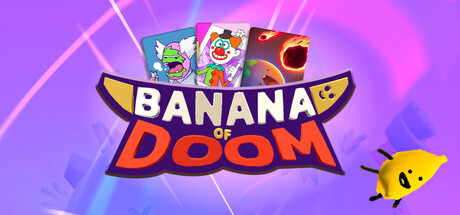
In Banana of Doom, AI takes the cards you play, pits them against each other, and generates funny, creative text reasons for the outcome then reveals them to the player
WilderLands uses AI to simulate NPC behavior and societies through reinforcement and deep learning.
AI agents adapt to the environment, form communities, make decisions, and learn over time.
They are not controlled by the player but evolve independently, creating personalized gameplay and unpredictable outcomes.
Quick Translate uses generative AI technology to provide its core functionality. When you capture a screen region or input text, the content is sent to cloud-based AI models that perform text recognition and translation. No AI-generated content is pre-packaged with the application, all translations are generated in real-time based on user input.
The AI is used for two purposes:
1. Text Recognition
When you capture a screen region, AI models analyze the image to identify and extract any text present, regardless of font, style, or language.
2. Translation
The recognized or user-provided text is processed by AI language models to generate accurate, context-aware translations in your chosen target language.
All AI processing occurs on secure remote servers. Your captured images and text are transmitted securely, used solely for generating translations, and are not stored or used for training purposes. Each translation request requires credits, which can be purchased through Steam.
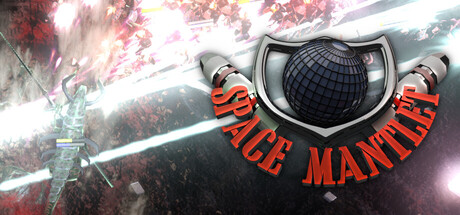
Space Mantlet uses AI to generate in game voices and translation text in game and in the store. Voice Synthesis Powered by: Coqui TTS – Mozilla Public License 2.0 Model: tts_models/en/vctk/vits (based on the VCTK corpus)
Our game features AI-powered character interactions using advanced language models. Players can engage in dynamic, natural conversations with in-game characters, making each experience unique and immersive."
Art: AI assisted with initial sketch concepts; final artwork is entirely hand-crafted.
Localization: AI translation used for initial processing; all text is human-reviewed and optimized.
Through the chat system, players can talk and interact with their closest companion pets in real-time.
To ensure a safe experience, this pet conversation feature applies both DeepSeek’s filtering system and an in-game keyword moderation system during the content generation process. These safeguards are designed to ensure compliance with Steam’s guidelines—preventing content that promotes hate or discrimination, incites violence, depicts real individuals in explicit ways, or infringes on copyrights.
We used generative AI tools during the development phase of the game to assist with the character controller code, the multiplayer system, and localization. We also used AI for language translation of the game’s store page and in-game texts. No AI-generated content is used during gameplay or at runtime.
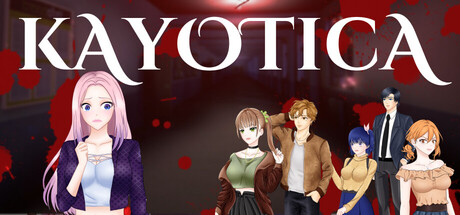
Kayotica includes a unique AI-driven detective system. During certain scenes, players talk to the AI who takes a role of a characters. The AI is limited to the story world and cannot go outside the game’s narrative. Player choices in these moments influence relationships and the upcoming story choices.
Some images in the game are AI-generated but are consistent with our characters and our color chart.
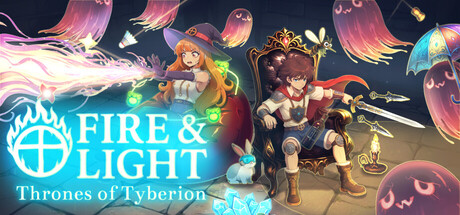
AI makes a lot of things easier for drawing, 3D, animation, code, music... but I don't use AI to avoid having to work, nor in place of my imagination: I create the lore, the character designs, the enemies and bosses, the powers and their combined effects, I write the dialogues myself and even the song lyrics.
In short, I don't use AI to create, but to produce with the means I have (I document all of this in the YouTube devlog.) And the more Tyberion takes shape, the more I replace AI assets with handmade assets.
During development, we used AI-assisted tools to improve some code and autocomplete features to write parts of non-core code.We use AI-assisted translation in our localization workflow; all final text is human-reviewed and edited.
How We Used AI in When The Sun Dies
When developing When The Sun Dies, we leveraged artificial intelligence to enrich your experience and create a truly immersive world. AI is integrated into many different aspects of the game, playing significant roles both visibly and behind the scenes.
Areas Where AI Was Used:
Visual and Audio Design: We utilized AI-powered tools in the creation of some of the game's textures, 3D models, and sounds. This allowed our artists and sound designers to bring their visions to life more quickly and efficiently, enhancing the unique and unsettling atmosphere of the world.
Code Optimization and Development: AI-assisted processes were used in the development and optimization of certain parts of the game's core code. This helped us deliver a more stable, efficient, and seamless gameplay experience.
Story and World Building: AI-based suggestion systems contributed to detailing certain elements of our post-apocalyptic world's rich story and lore, as well as refining characters and events. This increased the depth of the world and the layers of narrative waiting to be discovered.
Our goal was to use AI as a tool to make When The Sun Dies the best and most unforgettable survival experience possible. We hope you enjoy these innovative approaches!
a few lines of the dialog were generated using AI and is currently used only as a placeholder.
the concept of some icons was generated using AI, but they were largely edited.
The game uses AI to generate content for the game and its store page, as well as marketing materials. The AI-generated content is manually reviewed by developers. If you find that this content infringes your copyright or contains illegal content, please contact the developers for deletion.
We use AI tools only for marketing concept development and brainstorming. All game content, assets, code, and gameplay systems are created entirely by our human development team. AI helps us explore marketing ideas and generate reference drafts for promotional materials, which are then recreated by our human designers ♥
Code & Development: AI tools were used to assist in organizing code structure and suggesting specific functions or methods. However, the vast majority of the game’s codebase was manually written and audited by the developer to ensure quality and performance.
Text & Marketing: AI was utilized to help draft and refine the text used in the "About This Game" section and the short description on the Steam Store page.
I used AI as a creative assistant during the development of this game — to generate ideas, speed up workflows, and support visual and textual content creation.
Examples include:
– Generating concept art for locations, equipment and magical symbols
– Creating stylized icons and background illustrations in an anime-fantasy style
– Drafting and refining text content (including English descriptions)
– Structuring design ideas
All in-game assets used in the build (models, animations, UI, gameplay systems) were assembled manually using UE5 and legally sourced content.
AI supported the creative process, but did not replace core development work.
We utilized AI technology in areas such as UI design and story text. However, we also performed secondary manual processing on these elements; we did not directly use AI-generated assets and text.
Furthermore, apart from the aforementioned content, all other parts of the game were created manually and did not use AI.
Some of the image assets in this game have been manually modified on an AI-generated basis, and some of the text has been adjusted with the assistance of AI.
This game is the result of individual development. AI was used as a supportive tool for brainstorming, as well as for experimentation in programming, graphics, and music. No AI-generated content was included in the game without modification: every element was revised, edited, and manually refined for the final version.
Some visual assets used on the store page (such as promotional key art and background elements) were initially created with the assistance of generative AI tools and then manually refined and edited by our art team. No in-game content is generated using AI during gameplay.
Some early drafts of marketing texts were generated using AI and later reviewed and edited by a human.
Some visual assets, including banners and promotional materials, were created with the assistance of artificial intelligence. All dialogue is generated in real time by artificial intelligence, making each interaction unique and dynamic.
The game requires the use of large language models. Players need to purchase APIs of various brand-specific large language models through other channels at their own expense, or deploy large language models locally on their own devices via Ollama to power the game.
We used generative AI tools to assist with the creation of some marketing assets and non-essential game content.
Specifically, AI was used to generate character voice lines via TTS, decorative images for UI or promotional materials, and to assist with writing flavor text and descriptions.
All final content was reviewed and edited by the development team to ensure quality and originality.
In Banana of Doom, AI takes the cards you play, pits them against each other, and generates funny, creative text reasons for the outcome then reveals them to the player
WilderLands uses AI to simulate NPC behavior and societies through reinforcement and deep learning.
AI agents adapt to the environment, form communities, make decisions, and learn over time.
They are not controlled by the player but evolve independently, creating personalized gameplay and unpredictable outcomes.
Quick Translate uses generative AI technology to provide its core functionality. When you capture a screen region or input text, the content is sent to cloud-based AI models that perform text recognition and translation. No AI-generated content is pre-packaged with the application, all translations are generated in real-time based on user input.
The AI is used for two purposes:
1. Text Recognition
When you capture a screen region, AI models analyze the image to identify and extract any text present, regardless of font, style, or language.
2. Translation
The recognized or user-provided text is processed by AI language models to generate accurate, context-aware translations in your chosen target language.
All AI processing occurs on secure remote servers. Your captured images and text are transmitted securely, used solely for generating translations, and are not stored or used for training purposes. Each translation request requires credits, which can be purchased through Steam.
Space Mantlet uses AI to generate in game voices and translation text in game and in the store. Voice Synthesis Powered by: Coqui TTS – Mozilla Public License 2.0 Model: tts_models/en/vctk/vits (based on the VCTK corpus)
Our game features AI-powered character interactions using advanced language models. Players can engage in dynamic, natural conversations with in-game characters, making each experience unique and immersive."
Art: AI assisted with initial sketch concepts; final artwork is entirely hand-crafted.
Localization: AI translation used for initial processing; all text is human-reviewed and optimized.
Through the chat system, players can talk and interact with their closest companion pets in real-time.
To ensure a safe experience, this pet conversation feature applies both DeepSeek’s filtering system and an in-game keyword moderation system during the content generation process. These safeguards are designed to ensure compliance with Steam’s guidelines—preventing content that promotes hate or discrimination, incites violence, depicts real individuals in explicit ways, or infringes on copyrights.
We used generative AI tools during the development phase of the game to assist with the character controller code, the multiplayer system, and localization. We also used AI for language translation of the game’s store page and in-game texts. No AI-generated content is used during gameplay or at runtime.
Kayotica includes a unique AI-driven detective system. During certain scenes, players talk to the AI who takes a role of a characters. The AI is limited to the story world and cannot go outside the game’s narrative. Player choices in these moments influence relationships and the upcoming story choices.
Some images in the game are AI-generated but are consistent with our characters and our color chart.
AI makes a lot of things easier for drawing, 3D, animation, code, music... but I don't use AI to avoid having to work, nor in place of my imagination: I create the lore, the character designs, the enemies and bosses, the powers and their combined effects, I write the dialogues myself and even the song lyrics.
In short, I don't use AI to create, but to produce with the means I have (I document all of this in the YouTube devlog.) And the more Tyberion takes shape, the more I replace AI assets with handmade assets.