Public Steam disclosure research25,508 disclosures tracked
Where do games disclose AI use?
Search developers’ Steam disclosures, compare classified AI use across
games, and follow recorded changes.
This index adds cross-game classifications and statistics to
statements published on individual store pages.
Groups reflect automatic analysis of public disclosures; mature records are excluded. These counts do not measure AI use across all of Steam.
Missing or unclear statements cannot establish whether a game uses AI.
Our team uses generative AI tools to assist with parts of the game's artwork, including some in-game art and store page images, and with first-pass translation of in-game text. All AI-assisted art and translations are reviewed, edited, and finalized by our team. Music and sound effects do not use AI. We hold the necessary rights to all content shipped in this game. No content is generated by AI at runtime.
Blind Spot's writing, art, audio, and design were created without generative AI.
AI was used in one area: localization. Every language was handled identically. All in-game dialogue was translated entirely by human translators, with no AI involvement at any stage. The interface text, some menu text, options, and other short UI strings were given an AI first pass, which the same human translators then reviewed and corrected language by language before it shipped.
No AI-generated art, audio, or gameplay content appears in the game.
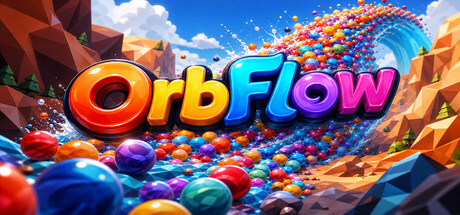
OrbFlow was created with the assistance of AI coding agents for script generation, physics optimization, and text drafting. All game design, level layouts, visual aesthetics, and quality assurance were directed, tested, and refined by the human developer.
The developer describes how their game uses Generative AI in the development process:
- Pre-generated Content: Generative AI tools were used during development to assist in creating concept art, text drafts, and localization text. All AI-assisted assets were subsequently reviewed, edited, and refined by the developer.
- The game does not contain any live-generated AI content during gameplay.
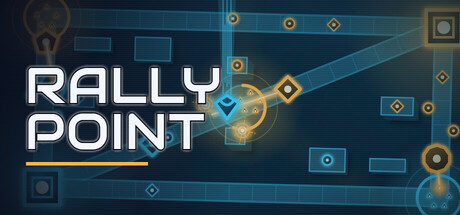
Rally Point's visuals and store art are drawn by code from the game's own geometry. No image, audio, or voice generation model was used. That code was written with AI assistance, as were the non-English translations.
The game uses generative artificial intelligence on informative text messages and coding assistance. The game rules and campaign maps are crafted by a human,.
Some of the game's content was created with the assistance of generative AI tools and was then reviewed, edited and curated by the developer. This includes portions of the art assets, some audio content, and the translation of interface and subtitle text into languages other than Turkish and English. No content is generated by AI at runtime.
All visual art in SagoCat — characters, animation, and visual design — is hand-crafted, with no AI used.
Generative AI is used as follows: the pet's conversational replies are generated in real time by a third-party AI service and require an internet connection (use the built-in free quota or your own API key); during development, AI tools also assisted with parts of the code, some in-app text, and some sound effects.
- Audio: background music is generated with AI music tools.
- Translation: in-game and store text is translated using AI.
- Code: the game's code, including the code that draws every visual at runtime,
was written with the help of an AI coding assistant.
Destroy the Flag was developed with the assistance of a generative AI coding assistant (Claude, by Anthropic), used throughout development as a programming and writing collaborator.
Pre-Generated content (created during development, ships with the game):
- In-game interface text — menu labels, HUD text, on-screen instructions, and system messages — was drafted with AI assistance as part of the game's code, then reviewed and refined by the developer before shipping.
- The Steam store page's short and long descriassistance, then fact-checked, edited, and approvpublishing.
Live-Generated content: None. The game does not usnt isgenerated by AI while the game is being
played
Generative AI was used only to assist with text localization and marketing assets; no AI-generated artwork, audio, or runtime content is included in the game.
Generative AI was used to create initial drafts for some in-game localization text. All AI-assisted content is pre-generated; the game does not generate AI content during play or connect to external AI services.
Some assets used during the development of Agent Pro were created or assisted using generative AI tools. All content included in the released version of the game has been reviewed, edited, and approved by the developer before being integrated into the game. No AI-generated content is created by players or generated dynamically during gameplay.
Some pre-rendered artwork — event illustrations, key art, and store capsule images — was created with the assistance of generative AI tools, then selected, edited, and composited by the developer. Localization drafts were produced with AI translation tools and reviewed by the developer. All in-game unit, UI, and map art uses licensed, human-made asset packs. No content is generated by AI at runtime.
We used generative AI to assist with translating Galacto's in-game text into its supported languages. All game design, artwork, sound and music were created by hand without generative AI
This game generates content with AI, entirely on your machine: an embedded, frozen local model writes and illustrates the "Book" of each run (texts and fictional game covers). No internet connection is required, no data is collected, and nothing is generated by external services. The game's translations were AI-assisted, then human-reviewed.
This game contains pre-generated AI-assisted content used during development, including gameplay code, selected in-game and UI text/localization, generated sound effects, and AI-assisted visual materials for Steam community/store assets such as achievement icons. No AI content is generated live during gameplay, and the game does not connect to external AI services at runtime.
This software uses generative AI to provide real-time text and speech translation. It recognizes on-screen text via OCR, then calls AI large language models that you configure (such as DeepSeek, GPT, Qwen, Doubao, etc.) or the built-in local translation model (Hy-MT2) to generate real-time translations, shown in the VR overlay. Translation results are for reference only, are not guaranteed to be accurate, and do not constitute professional advice.
Generative AI was not used to create any in-game content resources. AI was utilized solely for the translation of certain in-game languages and external content, such as our Steam page.
AI is used as a translation aid for localizing in-game text and Steam store page text into the supported languages. All original Japanese text is written by the developer.
Generative AI tools were used during development to assist with the creation and refinement of some 2D UI/art assets and localization text. All AI-assisted content is pre-generated, reviewed, and edited before inclusion in the game. The game does not use live generative AI during gameplay.
An AI assistant was used while making this game: the word clues and definitions. Nothing is generated while you play - every puzzle, word and clue is fixed in the build and verified before release. The art is not AI-generated: the capsules, logo and icons are rendered by our own tool from the game's own colours and mark, the interface sounds are by Kenney (CC0) and the music is licensed from Ovani Sound.
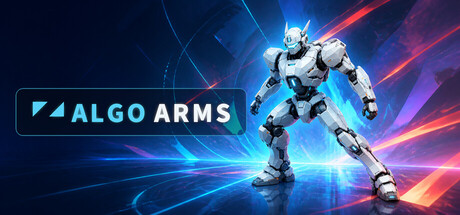
Generative AI was used as a development tool for this game. An AI assistant helped with programming, game design iteration, and text translation, always under the developer's direction and review. Some 3D models, such as mech parts, are based on assets created with generative AI tools and then adjusted and integrated by the developer. No content is generated by AI during gameplay: enemy behavior is not generative AI, but the same deterministic node-based algorithms that players build themselves.
We have used generative AI tools to translate the game into other languages and make it accessible to a wider audience. The development team has reviewed and overseen the integration of all text to ensure correct display and the proper functioning of the interface and menus.
Some of the game's text, including in-app interface copy and the store page description, was drafted with the assistance of an LLM and edited by the developer, as was the game's source code. All artwork, animation, 3D models and audio are human-authored. The game does not generate any content at runtime.
Most of this game's source code was written with the help of generative AI tools. English localization drafts were produced the same way and then reviewed and edited by the developer. All graphics, Korean text, and game design were created by the developer; sound uses CC0-licensed recordings. This game does not use AI at runtime.
PupRacers is developed by a solo human developer. AI tools are used as development assistants for various tasks including translations, code assistance, and content creation. All AI output is reviewed, edited, and validated by the developer. The creative vision, game design, and final decisions are 100% human-driven.
Store page texts and localization drafts were prepared with the help of AI tools, and parts of the game's source code were written with AI coding assistants — all of it reviewed, edited and tested by the developer. All art, game design and audio are human-made. The in-game opponent is a custom neural network trained by the developer through self-play (a chess-engine-style game AI, not generative AI).
This game uses AI-assisted translation for the Steam store page and some in-game UI text. As a solo indie developer with limited resources, AI translation helps make the game accessible to more players and support a wider range of languages.
Pre-generated pixel-art character artwork, animation frames, and localization text were created with assistance from generative AI tools during development. All shipped results are fixed in the build, human-reviewed, and based on original prompts or project-owned references. The application performs no live AI generation.
Generative AI tools were used to create the Steam capsule artwork and other promotional images, and to assist with drafting and editing portions of the Steam store page text. All final text was reviewed and revised by the developer, and all promotional artwork was reviewed and selected by the developer. The game does not use generative AI at runtime, and no AI content is generated during gameplay.
Generative AI tools are used during development to assist with selected art production and localization. All AI-assisted outputs are reviewed, edited, and approved by the development team before being integrated into the game. The game does not use generative AI at runtime, and no content is generated live or delivered directly to players as unreviewed AI output.
Laryen includes an optional in-game AI companion named Laria. When a player asks Laria a question by voice or text, her answer is generated at runtime by an AI language model, grounded in Laryen's own game data (monsters, hunting grounds, equipment, drops and progression). Laria answers questions about the game only. She does not generate artwork, music, or content that is shared with other players, and using her is never required to play.
Some artwork used in our store page and marketing materials was created with the assistance of generative AI tools and reviewed by our team before publication.
Yes, we used AI to translate our game into several languages other than French and English, in order to make it accessible to a wider international audience.
Generative AI tools were used during development to assist with portions of source code and early drafts of store-page
and localization text. All AI-assisted output was reviewed, edited, and integrated by the developer. The game does not
generate AI content during gameplay and does not connect to external AI services.
Generative AI was used for parts of the game's 3D assets, voice and narration, ambient audio, translations, and store artwork.
All generated content was reviewed and edited by hand. No AI is used at runtime.
Generative AI tools were used to create marketing copy and selected promotional materials, as well as to translate and localize in-game, marketing, and community texts.
Generative AI was used only as a writing aid: the first drafts of the character's short speech-bubble lines, the store page text and our support/privacy web pages were written with an LLM (Claude) and then reviewed and edited by our team. No AI-generated images, 3D models, animations, voices or music are used; the character model, motions and songs were created by people. Nothing is generated by AI at runtime.
Generative AI was used for some textures and 3D models, as well as for English translation of both the game and its Steam store page.
All original content, including the story, dialogue, archive documents, game design, level design, programming, and Chinese localization, was created by the developer.
Generative AI was used during development to assist with coding, promotional artwork, and store-page copy and localization. All outputs were reviewed by the developer.
Pre-generated AI tools were used to assist in creating portions of the game's music, narration, character assets, and localization. All resulting content was reviewed and edited before being included as fixed game content. The game does not generate content with AI during gameplay or connect to an external AI service while running.
AI tools were used to draft store page text and to translate the in-game text into English, Japanese and Chinese.
AI was also used for part of the art.
All of this was reviewed and edited by the developers.
No AI-generated content is created while the game is running.
Our team uses generative AI tools to assist with parts of the game's artwork, including some in-game art and store page images, and with first-pass translation of in-game text. All AI-assisted art and translations are reviewed, edited, and finalized by our team. Music and sound effects do not use AI. We hold the necessary rights to all content shipped in this game. No content is generated by AI at runtime.
Blind Spot's writing, art, audio, and design were created without generative AI.
AI was used in one area: localization. Every language was handled identically. All in-game dialogue was translated entirely by human translators, with no AI involvement at any stage. The interface text, some menu text, options, and other short UI strings were given an AI first pass, which the same human translators then reviewed and corrected language by language before it shipped.
No AI-generated art, audio, or gameplay content appears in the game.
OrbFlow was created with the assistance of AI coding agents for script generation, physics optimization, and text drafting. All game design, level layouts, visual aesthetics, and quality assurance were directed, tested, and refined by the human developer.
The developer describes how their game uses Generative AI in the development process:
- Pre-generated Content: Generative AI tools were used during development to assist in creating concept art, text drafts, and localization text. All AI-assisted assets were subsequently reviewed, edited, and refined by the developer.
- The game does not contain any live-generated AI content during gameplay.
Rally Point's visuals and store art are drawn by code from the game's own geometry. No image, audio, or voice generation model was used. That code was written with AI assistance, as were the non-English translations.
The game uses generative artificial intelligence on informative text messages and coding assistance. The game rules and campaign maps are crafted by a human,.
Some of the game's content was created with the assistance of generative AI tools and was then reviewed, edited and curated by the developer. This includes portions of the art assets, some audio content, and the translation of interface and subtitle text into languages other than Turkish and English. No content is generated by AI at runtime.
All visual art in SagoCat — characters, animation, and visual design — is hand-crafted, with no AI used.
Generative AI is used as follows: the pet's conversational replies are generated in real time by a third-party AI service and require an internet connection (use the built-in free quota or your own API key); during development, AI tools also assisted with parts of the code, some in-app text, and some sound effects.
- Audio: background music is generated with AI music tools.
- Translation: in-game and store text is translated using AI.
- Code: the game's code, including the code that draws every visual at runtime,
was written with the help of an AI coding assistant.
Destroy the Flag was developed with the assistance of a generative AI coding assistant (Claude, by Anthropic), used throughout development as a programming and writing collaborator.
Pre-Generated content (created during development, ships with the game):
- In-game interface text — menu labels, HUD text, on-screen instructions, and system messages — was drafted with AI assistance as part of the game's code, then reviewed and refined by the developer before shipping.
- The Steam store page's short and long descriassistance, then fact-checked, edited, and approvpublishing.
Live-Generated content: None. The game does not usnt isgenerated by AI while the game is being
played
Generative AI was used only to assist with text localization and marketing assets; no AI-generated artwork, audio, or runtime content is included in the game.
Generative AI was used to create initial drafts for some in-game localization text. All AI-assisted content is pre-generated; the game does not generate AI content during play or connect to external AI services.
Some assets used during the development of Agent Pro were created or assisted using generative AI tools. All content included in the released version of the game has been reviewed, edited, and approved by the developer before being integrated into the game. No AI-generated content is created by players or generated dynamically during gameplay.
Some pre-rendered artwork — event illustrations, key art, and store capsule images — was created with the assistance of generative AI tools, then selected, edited, and composited by the developer. Localization drafts were produced with AI translation tools and reviewed by the developer. All in-game unit, UI, and map art uses licensed, human-made asset packs. No content is generated by AI at runtime.
We used generative AI to assist with translating Galacto's in-game text into its supported languages. All game design, artwork, sound and music were created by hand without generative AI
This game generates content with AI, entirely on your machine: an embedded, frozen local model writes and illustrates the "Book" of each run (texts and fictional game covers). No internet connection is required, no data is collected, and nothing is generated by external services. The game's translations were AI-assisted, then human-reviewed.
This game contains pre-generated AI-assisted content used during development, including gameplay code, selected in-game and UI text/localization, generated sound effects, and AI-assisted visual materials for Steam community/store assets such as achievement icons. No AI content is generated live during gameplay, and the game does not connect to external AI services at runtime.
This software uses generative AI to provide real-time text and speech translation. It recognizes on-screen text via OCR, then calls AI large language models that you configure (such as DeepSeek, GPT, Qwen, Doubao, etc.) or the built-in local translation model (Hy-MT2) to generate real-time translations, shown in the VR overlay. Translation results are for reference only, are not guaranteed to be accurate, and do not constitute professional advice.
Generative AI was not used to create any in-game content resources. AI was utilized solely for the translation of certain in-game languages and external content, such as our Steam page.
AI is used as a translation aid for localizing in-game text and Steam store page text into the supported languages. All original Japanese text is written by the developer.
Generative AI tools were used during development to assist with the creation and refinement of some 2D UI/art assets and localization text. All AI-assisted content is pre-generated, reviewed, and edited before inclusion in the game. The game does not use live generative AI during gameplay.
An AI assistant was used while making this game: the word clues and definitions. Nothing is generated while you play - every puzzle, word and clue is fixed in the build and verified before release. The art is not AI-generated: the capsules, logo and icons are rendered by our own tool from the game's own colours and mark, the interface sounds are by Kenney (CC0) and the music is licensed from Ovani Sound.
Generative AI was used as a development tool for this game. An AI assistant helped with programming, game design iteration, and text translation, always under the developer's direction and review. Some 3D models, such as mech parts, are based on assets created with generative AI tools and then adjusted and integrated by the developer. No content is generated by AI during gameplay: enemy behavior is not generative AI, but the same deterministic node-based algorithms that players build themselves.
We have used generative AI tools to translate the game into other languages and make it accessible to a wider audience. The development team has reviewed and overseen the integration of all text to ensure correct display and the proper functioning of the interface and menus.
Some of the game's text, including in-app interface copy and the store page description, was drafted with the assistance of an LLM and edited by the developer, as was the game's source code. All artwork, animation, 3D models and audio are human-authored. The game does not generate any content at runtime.
Most of this game's source code was written with the help of generative AI tools. English localization drafts were produced the same way and then reviewed and edited by the developer. All graphics, Korean text, and game design were created by the developer; sound uses CC0-licensed recordings. This game does not use AI at runtime.
PupRacers is developed by a solo human developer. AI tools are used as development assistants for various tasks including translations, code assistance, and content creation. All AI output is reviewed, edited, and validated by the developer. The creative vision, game design, and final decisions are 100% human-driven.
Store page texts and localization drafts were prepared with the help of AI tools, and parts of the game's source code were written with AI coding assistants — all of it reviewed, edited and tested by the developer. All art, game design and audio are human-made. The in-game opponent is a custom neural network trained by the developer through self-play (a chess-engine-style game AI, not generative AI).
This game uses AI-assisted translation for the Steam store page and some in-game UI text. As a solo indie developer with limited resources, AI translation helps make the game accessible to more players and support a wider range of languages.
Pre-generated pixel-art character artwork, animation frames, and localization text were created with assistance from generative AI tools during development. All shipped results are fixed in the build, human-reviewed, and based on original prompts or project-owned references. The application performs no live AI generation.
Generative AI tools were used to create the Steam capsule artwork and other promotional images, and to assist with drafting and editing portions of the Steam store page text. All final text was reviewed and revised by the developer, and all promotional artwork was reviewed and selected by the developer. The game does not use generative AI at runtime, and no AI content is generated during gameplay.
Generative AI tools are used during development to assist with selected art production and localization. All AI-assisted outputs are reviewed, edited, and approved by the development team before being integrated into the game. The game does not use generative AI at runtime, and no content is generated live or delivered directly to players as unreviewed AI output.
Laryen includes an optional in-game AI companion named Laria. When a player asks Laria a question by voice or text, her answer is generated at runtime by an AI language model, grounded in Laryen's own game data (monsters, hunting grounds, equipment, drops and progression). Laria answers questions about the game only. She does not generate artwork, music, or content that is shared with other players, and using her is never required to play.
Some artwork used in our store page and marketing materials was created with the assistance of generative AI tools and reviewed by our team before publication.
Yes, we used AI to translate our game into several languages other than French and English, in order to make it accessible to a wider international audience.
Generative AI tools were used during development to assist with portions of source code and early drafts of store-page
and localization text. All AI-assisted output was reviewed, edited, and integrated by the developer. The game does not
generate AI content during gameplay and does not connect to external AI services.
Generative AI was used for parts of the game's 3D assets, voice and narration, ambient audio, translations, and store artwork.
All generated content was reviewed and edited by hand. No AI is used at runtime.
Generative AI tools were used to create marketing copy and selected promotional materials, as well as to translate and localize in-game, marketing, and community texts.
Generative AI was used only as a writing aid: the first drafts of the character's short speech-bubble lines, the store page text and our support/privacy web pages were written with an LLM (Claude) and then reviewed and edited by our team. No AI-generated images, 3D models, animations, voices or music are used; the character model, motions and songs were created by people. Nothing is generated by AI at runtime.
Generative AI was used for some textures and 3D models, as well as for English translation of both the game and its Steam store page.
All original content, including the story, dialogue, archive documents, game design, level design, programming, and Chinese localization, was created by the developer.
Generative AI was used during development to assist with coding, promotional artwork, and store-page copy and localization. All outputs were reviewed by the developer.
Pre-generated AI tools were used to assist in creating portions of the game's music, narration, character assets, and localization. All resulting content was reviewed and edited before being included as fixed game content. The game does not generate content with AI during gameplay or connect to an external AI service while running.
AI tools were used to draft store page text and to translate the in-game text into English, Japanese and Chinese.
AI was also used for part of the art.
All of this was reviewed and edited by the developers.
No AI-generated content is created while the game is running.