
Disclosure
Generative AI was used for in-game text localization with human supervision.
- Creator
- HiPe Studio
- Reviews
- -
- Added
- Aug 22, 2026
Public Steam disclosure research 25,508 disclosures tracked
Search developers’ Steam disclosures, compare classified AI use across games, and follow recorded changes. This index adds cross-game classifications and statistics to statements published on individual store pages.
Code help, debugging and other development work.
Capsule art, trailers and promotional material.
Pre-made art, audio, writing and other game assets.
Interactive or runtime AI features disclosed by the developer.
Groups reflect automatic analysis of public disclosures; mature records are excluded. These counts do not measure AI use across all of Steam. Missing or unclear statements cannot establish whether a game uses AI.
Generative AI was used for in-game text localization with human supervision.
No AI was used to create the artwork, animation, or sound effects. All of it is made by human hands. The game's English text is almost completely written by my hand. The other supported languages are partially AI-translated from my English source. Native-speaker review is ongoing, and corrected translations ship in updates. The soundtrack is original music that I've written over the last 30 years. I used AI to produce the final compositions.
CardCrafter uses generative AI to create some of the content shipped with the game: • Art: card illustrations, character and enemy portraits, icons, currencies and background scenes are created primarily with generative image models, then curated, post-processed and integrated by human. • Audio: some sound effects and background music are created with generative AI tools. • Text & localization: In-game text such as card descriptions is drafted with AI assistance and edited by hand; the Simplified Chinese and English localizations are machine-translated first, then human-proofread. All of this content is pre-generated during development and baked into the game. The game does not generate any AI content at runtime, and never sends player input to an AI. Everything produced with AI is reviewed and selected by human before inclusion.
Generative AI was used for some of the game's 2D artwork and for localizing in-game and store text into 8 languages, all reviewed by the developer.No content is generated by AI while you play.
Hi! I’m a solo indie developer working on this game during my free time outside of daily life. To bring this project to life with limited time and resources, I used AI tools to assist parts of the development process, such as brainstorming, early prototypes, draft writing, and iteration support. However, the core game design, gameplay systems, story structure, balancing, and final implementation were all personally planned, edited, and integrated by me. AI is a tool that helps me turn ideas into something playable—it does not replace the creative decisions behind this game. I know people may have different opinions about AI, so I want to be transparent about it. Thank you for playing and supporting my work. I hope you enjoy exploring this broken, virus-corrupted world.
Generative AI was used to assist in localizing the game's text into multiple languages during development.
Generative AI tools were used during development to assist with pre-generated content. No generative AI content is created during gameplay, and the game does not connect to external AI services.
Art: AI image tools assisted with some 2D assets; all final art was produced by our artists based on original designs. Localization: Core languages were translated by our team; additional languages use AI-assisted translation.
Some visual assets and text content used in this game were created or assisted by generative artificial intelligence tools. All AI-generated content has been reviewed, edited, and integrated by the development team to ensure consistency with the game's design and quality standards.
AI tools were utilized to assist with testing processes and to generate localized store page descriptions.
This product uses generative AI extensively during development. Pre-generated AI-assisted content includes images, story text, code, music, and other game materials. All such content was reviewed, edited, and integrated by the developer before inclusion in the game and store materials. No live-generated AI content is used during gameplay, and the game does not connect to external AI services while running.
Generative AI tools were used during development to assist in creating selected pre-generated 2D visual assets, promotional artwork, and localized text. All AI-assisted content was reviewed, edited, and curated by the developer before being included in the game or its store materials. Altaria Online does not use generative AI to create content during gameplay, and no player input is sent to external AI services.
English Localisation
Portions of this game were created with the assistance of generative artificial intelligence (AI) technologies, as detailed below: · Art assets: In-game item icons, character portraits, and grotto building sprites were produced using AI image generation tools during the creative process, then curated, modified, and integrated by the development team. · Text content: Certain narrative text, item descriptions, and multilingual localization translations were drafted with the assistance of AI language models, and subsequently reviewed and revised by hand. · Real-time NPC dialogue: The game features an optional NPC dialogue system through which players may configure their own large language model API to have NPCs generate dialogue in real time. This feature is entirely optional; when not configured, the game uses built-in pre-written dialogue lines.
The game uses a mix of original, handmade assets and a few pre-generated AI components: - Voice & Narration: The narration for text lines has been generated using AI voice generation tools. - Music: The background music tracks contain AI-generated music. - Marketing & Branding: Out-of-game visual assets (such as the storefront graphics, library capsules, desktop icon, and startup splash art) contain AI-generated elements. All core code, gameplay mechanics, level design, in-game visual assets and the original story were created entirely from scratch without AI assistance.
This game utilizes adaptive AI technology during gameplay to power the police interrogator's responses. Player input is evaluated live to generate dynamic, context-aware dialogue and push the interrogation forward.
Some music and portions of localized text were created with the assistance of generative AI tools. All AI-assisted content was reviewed, edited, and integrated by the developer before being included in the final game. No AI-generated content is created during gameplay.
Generative AI tools were used during development to assist with the creation of some game artwork, audio, localization text, and other game content. All AI-assisted outputs were reviewed and, where necessary, edited by the developer before being included in the game. The game does not generate AI content during gameplay.
The game's code, in-game text (Korean and English), localization, and store page text were created with the assistance of AI tools (Anthropic Claude), under human direction and review. Pixel artwork and audio are produced by procedural generation scripts that were also written with AI assistance. No content is generated by AI at runtime.
Evymind Clips uses AI to help you find the best moments in videos you choose. It can transcribe speech, translate subtitles, and suggest highlights with helpful titles and short summaries. You remain in control: every suggestion can be reviewed, adjusted, or removed before export. The application only works from your source video. It does not create new footage, voices, music, or images. Depending on the feature, AI processing may take place on your computer or through our cloud service.
Some store page and marketing artwork in this game was created with the help of generative AI tools. Game text localization into languages other than English and Korean was produced with AI-assisted translation and reviewed before shipping. All AI-generated content is pre-generated during development; the game does not generate any content live at runtime.
Some marketing assets on the store page (capsules, logo) were produced with a generative AI tool, based on screenshots and 3D renders from the game itself. Part of the in-game text (encyclopaedia entries and mission briefings) was drafted with the assistance of a large language model, then reviewed and edited by the developer. The 3D parts, textures and the simulation itself are authored. Nothing is generated while the game is running.
Generative AI was used as an assistive tool for translating parts of the scenario and in-game text. All translated content has been thoroughly reviewed, refined, and proofread manually by the developer to ensure natural phrasing and quality.
ChromaFlow was developed with assistance from generative AI tools (such as Large Language Models) to help write and structure the source code and draft store descriptions. All AI-generated content was reviewed, edited, and integrated manually. The game does not feature live, runtime generative AI or external API connections during gameplay.
Generative AI tools were used as an assistive tool to draft and localize portions of the game's text and Steam store marketing copy. All outputs were reviewed, edited, and approved by the developer before inclusion. The game does not generate AI content while running.
This game was developed with the assistance of generative AI tools for certain content, including: Some visual art assets (images/textures) Some narrative and story text Programming assistance All AI-generated content has been reviewed, edited, and integrated by the developer to ensure final quality and stylistic consistency.
Generative AI tools were used only to assist with localization and the writing of text for the Steam store page. No content is generated while the product is running.
This game uses generative AI to translate certain text, including in-game UI text and the data collection consent form. No generative AI was used for artwork or sound.
The game's text localization was created using artificial intelligence.
Generative AI was used as a writing and translation aid during development, always under human direction and review: in-game lesson and interface text, their translations into the supported languages, achievement text, and this store page. All of it was reviewed by the developer. The game itself does not use AI at runtime — nothing is generated while you play, and every level is deterministic.
Generative AI tools were used during the development of Only Up: 2D Platformer to create and assist with certain game content. This includes portions of the game's code, some visual assets, the soundtrack, and additional localization content.
The visual assets in SoulTamer — 3D models, textures, icons, and effects — were produced during development by procedural generation scripts (Blender/Python) authored with AI assistance. Monster names, in-game text, the English localization, and this store page were also written with AI assistance, then reviewed and adjusted by the developer. No AI runs while you play. All content is generated ahead of time and ships as fixed assets.
Generative AI tools were used during development to help create and refine pre generated visual assets, text and localization, and code. All AI-assisted material included in the game was reviewed and integrated by the developer, with further editing where needed. The game does not use live generative AI and does not generate content during gameplay.
Development of Wandering Bard used generative AI tools to assist with some pre-generated character portraits, environment and store artwork, narrative and dialogue text, fixed character voice recordings, and instrumental music. All of this content was generated before release, then reviewed, selected, edited and integrated by the developer. The game does not generate content during play and does not connect to external AI services during play.
Some elements of this game were created using generative AI tools: part of the visual assets (including the logo), the music, and part of the translations. No generative AI is used during gameplay.
Some of the 2D images in SplatStick were created with the help of generative AI tools and then edited by hand. Parts of the source code and the in-game interface text were written with the help of an AI coding assistant. Everything else is made by people: sound effects, particle effects and fonts come from licensed third-party asset packs. The game does not use generative AI while you play. Nothing is generated at runtime.
Some of this game's assets were made with the assistance of generative AI tools and were reviewed, curated and hand-finished by the developer. No content is generated while you play.
Generative AI tools were used during development to assist with selected pre-generated visual assets, promotional and store-page materials, and localization/text. All AI-assisted content was reviewed, edited, curated, and approved by the developer before inclusion. No generative AI is used during gameplay, and the game does not connect to external AI services while running.
Generative AI was used during development as a coding assistant and to assist with drafting and translating store-page and marketing text. Some pixel-art assets were rendered by deterministic drawing code written with AI assistance; the final images were not directly output by a text-to-image or diffusion model. All shipped and published content was reviewed and edited by the developer. No generative AI runs in the game, and no content is generated from player input.
The loading screen and in game titles were generated via AI
The background art, character art, and music in this game were created with the assistance of generative AI tools. The story and narrative text were written by humans.
This game’s art, music, and localization were created with the assistance of generative AI during production. All related content was pre-generated during development, then selected and integrated by the developer. No generative AI services are called during gameplay, and no AI content is generated in real time.
Draftfall uses pre-generated generative AI content created during development. Most 2D visual assets—including character artwork, sprites, backgrounds, card illustrations and story panels—were created with AI assistance, along with portions of the narrative and gameplay text. All content was reviewed, edited and integrated by the developer. Draftfall does not generate AI content during gameplay or connect to generative AI services while running.
Generative AI is used for localization in some languages.
Generative AI tools were used during development to assist with programming, localization, and the creation and editing of some promotional artwork. AI-assisted content was reviewed and adjusted by the developer. The game does not generate content during gameplay.
Some of the game's background music was created using generative AI tools. Parts of the game's localization (text translations) were also produced with AI assistance and reviewed by the team. All other content — game design, artwork, and core systems — was created without generative AI.
Some content was created with the assistance of generative AI tools: 2D store and marketing art (library capsule and library hero), the game's localization into non-English languages, and portions of in-game flavour text. All localization was reviewed before shipping. All in-game visuals are generated procedurally at runtime from code, all sound effects are synthesised at runtime, and all music is human-composed and licensed under CC BY 4.0. The game performs no AI generation at runtime and connects to no external AI service.
This game uses AI-assisted tools during development, limited exclusively to programming assistance, assistance with the creation of certain UI assets, and multilingual translation assistance. AI-generated output is not integrated directly into the game. All content is manually reviewed, edited, integrated, proofread, and tested by the development team before use. AI is not used to create characters, character illustrations, character-related artwork, animations, music, sound effects, narrative, or other core creative content. The game does not generate content in real time while running, nor does it connect to external AI services to provide generative features to players.
Some pre-generated game assets, artwork and translations were created or assisted using generative AI. All AI-generated content has been reviewed, edited and integrated by the developer. QuizForge does not use generative AI to create live in-game content during gameplay.
AI has been widely used on localization to speed up the process.
| Title⇅ | Disclosure | Creator⇅ | Src | Reviews⇅ | Added↓ |
|---|---|---|---|---|---|
 電脳防衛戦記 In-game content text | Generative AI was used for in-game text localization with human supervision. | HiPe Studio | - | Aug 22, 2026 | |
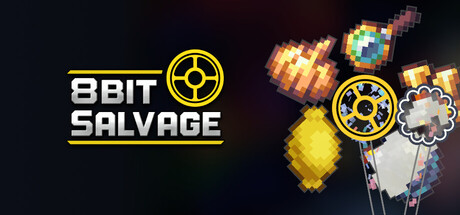 8bit Salvage In-game content audiotext | No AI was used to create the artwork, animation, or sound effects. All of it is made by human hands.
The game's English text is almost completely written by my hand. The other supported languages are partially AI-translated from my English source. Native-speaker review is ongoing, and corrected translations ship in updates.
The soundtrack is original music that I've written over the last 30 years. I used AI to produce the final compositions. | Fertile Soil Productions | - | Aug 22, 2026 | |
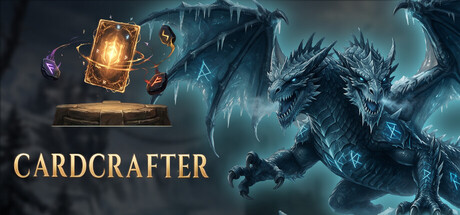 鑄牌匠心 In-game content artaudiotext | CardCrafter uses generative AI to create some of the content shipped with the game:
• Art: card illustrations, character and enemy portraits, icons, currencies and background scenes are created primarily with generative image models, then curated, post-processed and integrated by human.
• Audio: some sound effects and background music are created with generative AI tools.
• Text & localization: In-game text such as card descriptions is drafted with AI assistance and edited by hand; the Simplified Chinese and English localizations are machine-translated first, then human-proofread.
All of this content is pre-generated during development and baked into the game. The game does not generate any AI content at runtime, and never sends player input to an AI. Everything produced with AI is reviewed and selected by human before inclusion. | FunPlay Tech | - | Aug 22, 2026 | |
 Football Agent In-game content arttext | Generative AI was used for some of the game's 2D artwork and for localizing in-game and store text into 8 languages, all reviewed by the developer.No content is generated by AI while you play. | ATERO GAMES | - | Aug 22, 2026 | |
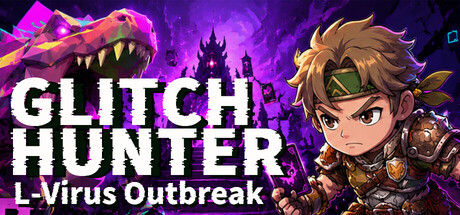 Glitch Hunter: L-Virus Outbreak In-game content text | Hi! I’m a solo indie developer working on this game during my free time outside of daily life.
To bring this project to life with limited time and resources, I used AI tools to assist parts of the development process, such as brainstorming, early prototypes, draft writing, and iteration support.
However, the core game design, gameplay systems, story structure, balancing, and final implementation were all personally planned, edited, and integrated by me.
AI is a tool that helps me turn ideas into something playable—it does not replace the creative decisions behind this game.
I know people may have different opinions about AI, so I want to be transparent about it.
Thank you for playing and supporting my work.
I hope you enjoy exploring this broken, virus-corrupted world. | Benebridge | - | Aug 22, 2026 | |
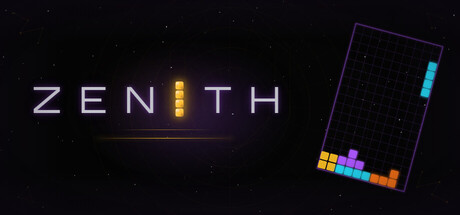 ZENITH In-game content text | Generative AI was used to assist in localizing the game's text into multiple languages during development. | Yoshiaki Nakamura | - | Aug 22, 2026 | |
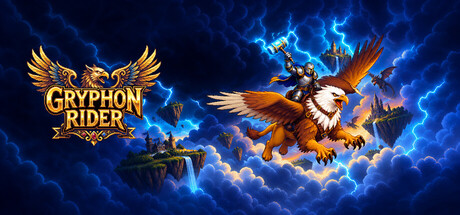 Gryphon Rider In-game content arttextaudio | Generative AI tools were used during development to assist with pre-generated content. No generative AI content is created during gameplay, and the game does not connect to external AI services. | Gryphonspire Games | - | Aug 22, 2026 | |
 슬라임의 세계 In-game content arttext | Art: AI image tools assisted with some 2D assets; all final art was produced by our artists based on original designs.
Localization: Core languages were translated by our team; additional languages use AI-assisted translation. | TEAM42 | - | Aug 22, 2026 | |
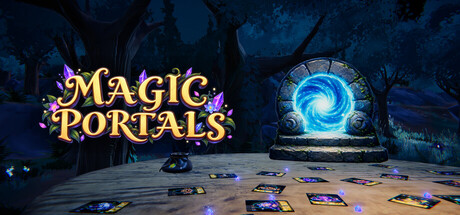 Magic Portals In-game content arttext | Some visual assets and text content used in this game were created or assisted by generative artificial intelligence tools. All AI-generated content has been reviewed, edited, and integrated by the development team to ensure consistency with the game's design and quality standards. | RTForge | - | Aug 22, 2026 | |
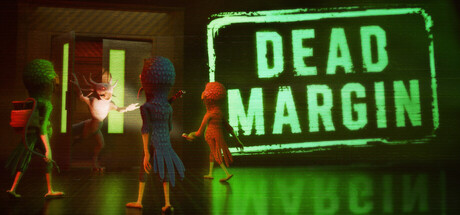 Dead Margin Store/marketing text | AI tools were utilized to assist with testing processes and to generate localized store page descriptions. | Bug Production | - | Aug 22, 2026 | |
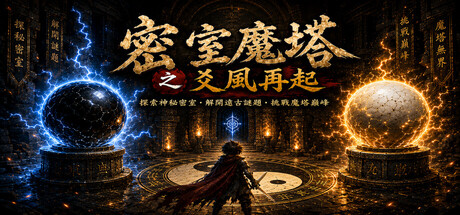 密室魔塔之爻風再起 In-game content arttextcodeaudio | This product uses generative AI extensively during development. Pre-generated AI-assisted content includes images, story text, code, music, and other game materials. All such content was reviewed, edited, and integrated by the developer before inclusion in the game and store materials. No live-generated AI content is used during gameplay, and the game does not connect to external AI services while running. | 玠子工作室 | - | Aug 22, 2026 | |
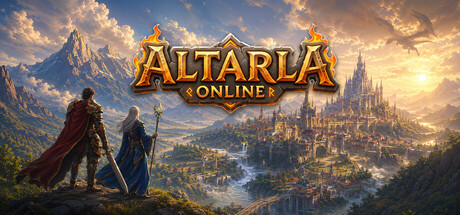 Altaria Online In-game content arttext | Generative AI tools were used during development to assist in creating selected pre-generated 2D visual assets, promotional artwork, and localized text. All AI-assisted content was reviewed, edited, and curated by the developer before being included in the game or its store materials. Altaria Online does not use generative AI to create content during gameplay, and no player input is sent to external AI services. | Altaria Studio | - | Aug 22, 2026 | |
 Dinonid In-game content text | English Localisation | Inclusive Gaming GmbH | - | Aug 22, 2026 | |
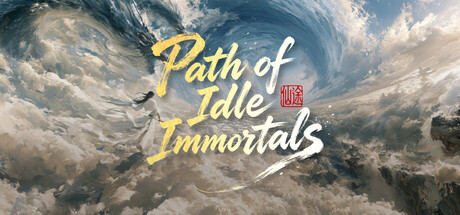 Idle Immortal Path Live AI arttext | Portions of this game were created with the assistance of generative artificial intelligence (AI) technologies, as detailed below:
· Art assets: In-game item icons, character portraits, and grotto building sprites were produced using AI image generation tools during the creative process, then curated, modified, and integrated by the development team.
· Text content: Certain narrative text, item descriptions, and multilingual localization translations were drafted with the assistance of AI language models, and subsequently reviewed and revised by hand.
· Real-time NPC dialogue: The game features an optional NPC dialogue system through which players may configure their own large language model API to have NPCs generate dialogue in real time. This feature is entirely optional; when not configured, the game uses built-in pre-written dialogue lines. | Hangzhou Binjiang Huan Yinfeng Network Technology Studio | - | Aug 22, 2026 | |
 Fluttering In-game content audiotextart | The game uses a mix of original, handmade assets and a few pre-generated AI components:
- Voice & Narration: The narration for text lines has been generated using AI voice generation tools.
- Music: The background music tracks contain AI-generated music.
- Marketing & Branding: Out-of-game visual assets (such as the storefront graphics, library capsules, desktop icon, and startup splash art) contain AI-generated elements.
All core code, gameplay mechanics, level design, in-game visual assets and the original story were created entirely from scratch without AI assistance. | LL | - | Aug 21, 2026 | |
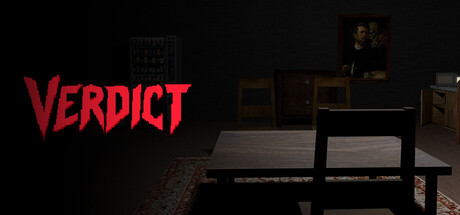 Verdict Live AI text | This game utilizes adaptive AI technology during gameplay to power the police interrogator's responses. Player input is evaluated live to generate dynamic, context-aware dialogue and push the interrogation forward. | Untold Software | - | Aug 20, 2026 | |
 Fragments of Ember In-game content audiotext | Some music and portions of localized text were created with the assistance of generative AI tools. All AI-assisted content was reviewed, edited, and integrated by the developer before being included in the final game. No AI-generated content is created during gameplay. | Rodrigo Santos | - | Aug 20, 2026 | |
 Deep Core Protocol In-game content artaudiotext | Generative AI tools were used during development to assist with the creation of some game artwork, audio, localization text, and other game content. All AI-assisted outputs were reviewed and, where necessary, edited by the developer before being included in the game. The game does not generate AI content during gameplay. | Shinum | - | Aug 20, 2026 | |
 SOGUL: Den of the Deep In-game content arttextcode | The game's code, in-game text (Korean and English), localization, and store page text were created with the assistance of AI tools (Anthropic Claude), under human direction and review. Pixel artwork and audio are produced by procedural generation scripts that were also written with AI assistance. No content is generated by AI at runtime. | SoThanks Games | - | Aug 20, 2026 | |
 Evymind Clips: Automatic Highlights & Shorts In-game content textaudio | Evymind Clips uses AI to help you find the best moments in videos you choose. It can transcribe speech, translate subtitles, and suggest highlights with helpful titles and short summaries. You remain in control: every suggestion can be reviewed, adjusted, or removed before export.
The application only works from your source video. It does not create new footage, voices, music, or images. Depending on the feature, AI processing may take place on your computer or through our cloud service. | Magilith | - | Aug 20, 2026 | |
 NO CLEAN, NO EXIT In-game content arttext | Some store page and marketing artwork in this game was created with the help of generative AI tools. Game text localization into languages other than English and Korean was produced with AI-assisted translation and reviewed before shipping. All AI-generated content is pre-generated during development; the game does not generate any content live at runtime. | Sumflower Games | - | Aug 20, 2026 | |
 La Bidouillerie In-game content text | Some marketing assets on the store page (capsules, logo) were produced with a generative AI tool, based on screenshots and 3D renders from the game itself.
Part of the in-game text (encyclopaedia entries and mission briefings) was drafted with the assistance of a large language model, then reviewed and edited by the developer.
The 3D parts, textures and the simulation itself are authored. Nothing is generated while the game is running. | AngeloStudio | - | Aug 20, 2026 | |
 Misohagi Crossing In-game content text | Generative AI was used as an assistive tool for translating parts of the scenario and in-game text. All translated content has been thoroughly reviewed, refined, and proofread manually by the developer to ensure natural phrasing and quality. | sweet ampoule | - | Aug 20, 2026 | |
 ChromaFlow Store/marketing codetext | ChromaFlow was developed with assistance from generative AI tools (such as Large Language Models) to help write and structure the source code and draft store descriptions. All AI-generated content was reviewed, edited, and integrated manually. The game does not feature live, runtime generative AI or external API connections during gameplay. | RVLWorks | - | Aug 20, 2026 | |
 The World's Shortest Horror Game Store/marketing text | Generative AI tools were used as an assistive tool to draft and localize portions of the game's text and Steam store marketing copy. All outputs were reviewed, edited, and approved by the developer before inclusion. The game does not generate AI content while running. | Playmoth Games | - | Aug 20, 2026 | |
 黑色废土行动 In-game content arttextcode | This game was developed with the assistance of generative AI tools for certain content, including:
Some visual art assets (images/textures)
Some narrative and story text
Programming assistance
All AI-generated content has been reviewed, edited, and integrated by the developer to ensure final quality and stylistic consistency. | 冷漠乌鸦 | - | Aug 20, 2026 | |
 Fidget Toy Engine In-game content text | Generative AI tools were used only to assist with localization and the writing of text for the Steam store page. No content is generated while the product is running. | Fidget Toy Engine Studio | - | Aug 20, 2026 | |
 Carriers Together In-game content text | This game uses generative AI to translate certain text, including in-game UI text and the data collection consent form. No generative AI was used for artwork or sound. | HooTootyGames | - | Aug 20, 2026 | |
 ReMasterOfGame In-game content text | The game's text localization was created using artificial intelligence. | Semenova Alena | - | Aug 20, 2026 | |
 RouteScript In-game content text | Generative AI was used as a writing and translation aid during development, always under human direction and review: in-game lesson and interface text, their translations into the supported languages, achievement text, and this store page. All of it was reviewed by the developer. The game itself does not use AI at runtime — nothing is generated while you play, and every level is deterministic. | smak.works | - | Aug 20, 2026 | |
 Only Up: 2D Platformer In-game content artaudiocodetext | Generative AI tools were used during the development of Only Up: 2D Platformer to create and assist with certain game content. This includes portions of the game's code, some visual assets, the soundtrack, and additional localization content. | Scythé Games | - | Aug 20, 2026 | |
 Soul Tamer In-game content arttext | The visual assets in SoulTamer — 3D models, textures, icons, and effects — were produced
during development by procedural generation scripts (Blender/Python) authored with AI
assistance. Monster names, in-game text, the English localization, and this store page were
also written with AI assistance, then reviewed and adjusted by the developer.
No AI runs while you play. All content is generated ahead of time and ships as fixed assets. | たこる | - | Aug 20, 2026 | |
 Grimoire of Hecate : Tower of Starlight In-game content arttextcode | Generative AI tools were used during development to help create and refine pre generated visual assets, text and localization, and code. All AI-assisted material included in the game was reviewed and integrated by the developer, with further editing where needed. The game does not use live generative AI and does not generate content during gameplay. | Blablah Games | - | Aug 20, 2026 | |
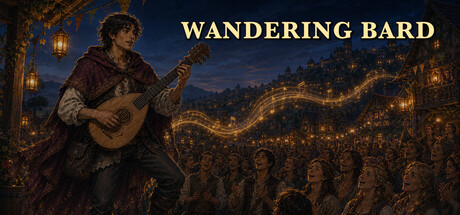 Wandering Bard In-game content arttextaudio | Development of Wandering Bard used generative AI tools to assist with some pre-generated character portraits, environment and store artwork, narrative and dialogue text, fixed character voice recordings, and instrumental music. All of this content was generated before release, then reviewed, selected, edited and integrated by the developer. The game does not generate content during play and does not connect to external AI services during play. | Fossil Studios | - | Aug 20, 2026 | |
 Dodgeon In-game content artaudiotext | Some elements of this game were created using generative AI tools: part of the visual assets (including the logo), the music, and part of the translations. No generative AI is used during gameplay. | Ludikatt | - | Aug 20, 2026 | |
 SplatStick In-game content arttextcode | Some of the 2D images in SplatStick were created with the help of generative AI tools and then edited by hand. Parts of the source code and the in-game interface text were written with the help of an AI coding assistant.
Everything else is made by people: sound effects, particle effects and fonts come from licensed third-party asset packs.
The game does not use generative AI while you play. Nothing is generated at runtime. | Ramil Nasrullaev | - | Aug 20, 2026 | |
 Windward Isles In-game content artaudiotextcode | Some of this game's assets were made with the assistance of generative AI tools and were reviewed, curated and hand-finished by the developer. No content is generated while you play. | Meridian Studios | - | Aug 20, 2026 | |
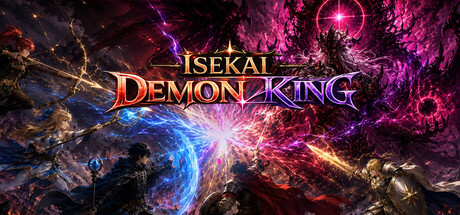 Isekai: Demon King In-game content arttext | Generative AI tools were used during development to assist with selected pre-generated visual assets, promotional and store-page materials, and localization/text. All AI-assisted content was reviewed, edited, curated, and approved by the developer before inclusion. No generative AI is used during gameplay, and the game does not connect to external AI services while running. | Jose Alonso Ugaz Diaz | - | Aug 20, 2026 | |
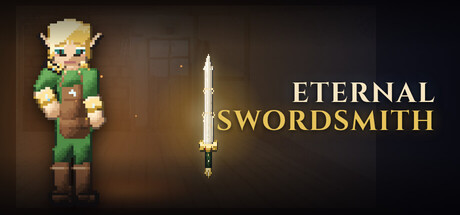 Eternal Swordsmith Dev only codetextart | Generative AI was used during development as a coding assistant and to assist with drafting and translating store-page and marketing text. Some pixel-art assets were rendered by deterministic drawing code written with AI assistance; the final images were not directly output by a text-to-image or diffusion model. All shipped and published content was reviewed and edited by the developer. No generative AI runs in the game, and no content is generated from player input. | sasoriken-games | - | Aug 20, 2026 | |
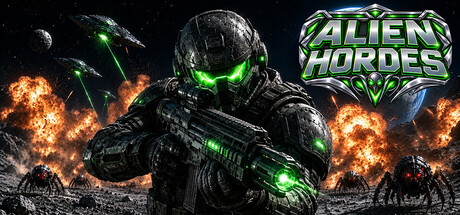 Alien Hordes In-game content text | The loading screen and in game titles were generated via AI | Dave Thomas | - | Aug 20, 2026 | |
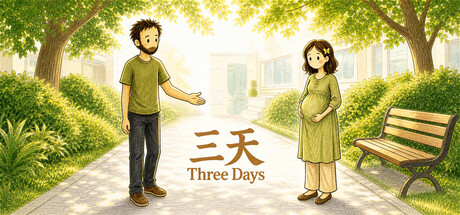 三天 Three Days In-game content artaudiotext | The background art, character art, and music in this game were created with the assistance of generative AI tools. The story and narrative text were written by humans. | FAN | - | Aug 20, 2026 | |
 我在地狱等着你 In-game content artaudiotext | This game’s art, music, and localization were created with the assistance of generative AI during production. All related content was pre-generated during development, then selected and integrated by the developer. No generative AI services are called during gameplay, and no AI content is generated in real time. | 从从从从从心丶 | - | Aug 20, 2026 | |
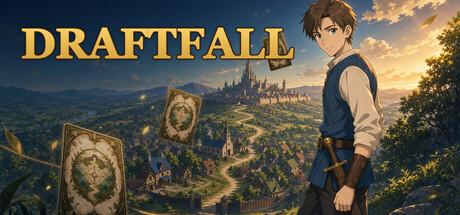 Draftfall In-game content arttext | Draftfall uses pre-generated generative AI content created during development. Most 2D visual assets—including character artwork, sprites, backgrounds, card illustrations and story panels—were created with AI assistance, along with portions of the narrative and gameplay text. All content was reviewed, edited and integrated by the developer. Draftfall does not generate AI content during gameplay or connect to generative AI services while running. | JJ Battlelokit | - | Aug 20, 2026 | |
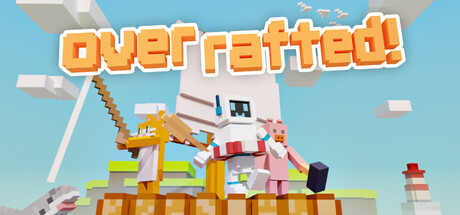 Overrafted! In-game content text | Generative AI is used for localization in some languages. | Studio Rivi | - | Aug 20, 2026 | |
 Mosaic Melt In-game content codetextart | Generative AI tools were used during development to assist with programming, localization, and the creation and editing of some promotional artwork. AI-assisted content was reviewed and adjusted by the developer. The game does not generate content during gameplay. | Parallel Cat Games | - | Aug 20, 2026 | |
 Money Wars : Modern Ages In-game content audiotext | Some of the game's background music was created using generative AI tools. Parts of the game's localization (text translations) were also produced with AI assistance and reviewed by the team. All other content — game design, artwork, and core systems — was created without generative AI. | EarthQuick | - | Aug 20, 2026 | |
 Leeway In-game content arttext | Some content was created with the assistance of generative AI tools: 2D store and
marketing art (library capsule and library hero), the game's localization into
non-English languages, and portions of in-game flavour text. All localization was
reviewed before shipping. All in-game visuals are generated procedurally at runtime
from code, all sound effects are synthesised at runtime, and all music is
human-composed and licensed under CC BY 4.0. The game performs no AI generation at
runtime and connects to no external AI service. | Singularity Reach Studios | - | Aug 20, 2026 | |
 HoloCozy In-game content codearttext | This game uses AI-assisted tools during development, limited exclusively to programming assistance, assistance with the creation of certain UI assets, and multilingual translation assistance. AI-generated output is not integrated directly into the game. All content is manually reviewed, edited, integrated, proofread, and tested by the development team before use.
AI is not used to create characters, character illustrations, character-related artwork, animations, music, sound effects, narrative, or other core creative content. The game does not generate content in real time while running, nor does it connect to external AI services to provide generative features to players. | Ninth Games | - | Aug 20, 2026 | |
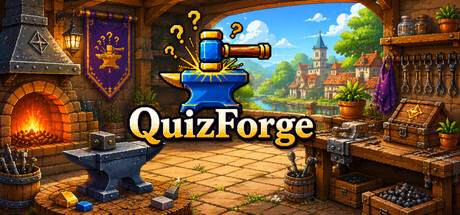 QuizForge In-game content arttext | Some pre-generated game assets, artwork and translations were created or assisted using generative AI. All AI-generated content has been reviewed, edited and integrated by the developer. QuizForge does not use generative AI to create live in-game content during gameplay. | Howling Wolf Games | - | Aug 20, 2026 | |
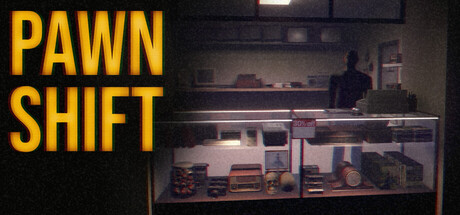 PAWN SHIFT In-game content text | AI has been widely used on localization to speed up the process. | Two-Man Shift | - | Aug 20, 2026 |


