Public Steam disclosure research25,519 disclosures tracked
Where do games disclose AI use?
Search developers’ Steam disclosures, compare classified AI use across
games, and follow recorded changes.
This index adds cross-game classifications and statistics to
statements published on individual store pages.
Groups reflect automatic analysis of public disclosures; mature records are excluded. These counts do not measure AI use across all of Steam.
Missing or unclear statements cannot establish whether a game uses AI.
Some of the game's 3D models (characters, monsters, and items) were created using the generative AI tool. Some in-game text translations were produced with AI assistance. All of this content was pre-generated during development, and we hold the appropriate rights to use it in the game.
Some store page text, marketing copy, and promotional planning materials for Black File were created with assistance from generative AI tools and reviewed, edited, and approved by the development team before publication. The game does not use generative AI to create content during gameplay.
This game uses generative AI ONLY to assist with translations for some supported languages.
Gameplay, puzzles, artwork, characters, and game design are created by the development team.
The art, music, and writing in this game were created with AI tools during development, directed by the developer through written prompts. The development process is documented publicly, prompt by prompt. The shipped game contains no live or runtime AI generation — the in-game assistant “Aya” is a hand-authored, deterministic simulation, and the game makes no network or model calls during play.
Generative AI assisted with: English localization (AI-translated, developer-reviewed),
some store-page capsule art (generated programmatically), and store-page description text.
No AI runs live/at runtime in the game. Core code, game design and original in-game
sprite art were made by the developer.
This game makes use of generative AI as part of the creative pipeline across art, text, sound, and voice. None of it is dumped in raw — every asset is curated, edited, and reworked by hand, and every line of dialogue is agonized over until it earns its place. AI is a tool here, not the author; the taste, the pacing, and the final call on what stays are all made by people. The codebase, in the interest of full honesty, is held together with AI-assisted spaghetti and sheer willpower — but it works, and every line is reviewed before shipping.
This game uses generative AI in the following ways:
In-game assets: Some game objects and assets were generated using Unity's built-in AI tools.
Development assistance: Claude (Anthropic) was used as a coding and development assistant during development.
Store page content: Store page descriptions and marketing copy were drafted with the assistance of Claude (Anthropic).
SonderSoft uses generative AI for localization to make Arena Bot Manager accessible to more players worldwide. ABM features an optional AI voice-commentator for arena events that can be disabled as per player preference.
SonderSoft pays artists to participate in the creative process, and some artists may choose on their own to use generative AI as part of their workflow; SonderSoft respects the creative tools artists choose in order to realize their own artistic vision.
Whenever possible, SonderSoft prioritizes paying artists, creators, and actors.
The game's code, artwork, text content, and some marketing assets were created with the assistance of generative AI tools during development. All AI-generated content was reviewed, tested, and curated by the developer before inclusion. The game does not generate any content in real time using AI — all content is pre-rendered and static.
This game and its store page may include pre-generated AI-assisted content, such as visual assets, store artwork, marketing images, text drafts and localization support. All AI-assisted content is reviewed, selected and edited manually before inclusion.
The game does not use live-generated AI during gameplay.
Generative AI was used as an assistive tool for some parts of the following game development tasks:
(Background images, item images, coloring of character artwork, sound, code review, optimization, and localization text.)
Some of this game's content was created with the assistance of generative AI tools, including portions of the artwork, sound, in-game text translation, and source code, as well as parts of this store page. All AI-assisted content was reviewed and refined by our team before use. The game does not generate any content using AI in real time during gameplay.
Some early designs of characters were assisted by AI, and the initial animations of some characters were also aided by AI.
Utilize generative artificial intelligence to aid in the translation and localization of menu texts and interface elements.
Some of the visual art in Board Poker was created with the help of generative AI tools and then reviewed and refined by our team; the rest is hand-made or sourced from licensed asset packs. Music and sound effects use no generative AI. Generative AI also assisted with text — drafting some interface translations and the store and marketing copy, all reviewed and edited by our team. No content is generated by AI while the game is running.
We have used AI as a translation tool to translate this game from Japanese to English.
As a result, some parts of the text may contain unnatural phrasing or content that differs from the original intent.
The game's lessons and coach commentary were drafted with generative AI tools and then edited by the developer and written into the code. Nothing is generated live while you play. The game's actual analysis, such as equity, odds, and the grading of your decisions, is computed by the game's code, not by AI.
The game's 2D artwork was also created using generative AI image tools.
SWIFTALE PLAYER uses generative AI for live text generation during gameplay. The player connects their own supported local or cloud LLM, and the model acts as a game master by generating narration, action suggestions, and story responses.
The game does not include a hosted AI service. AI output is processed through structured game systems, including rule-based safety checks, resource/state management, and engine-side adjudication constraints. The intended content profile is general fantasy adventure, and the game is not designed to generate sexual content, hate content, extreme gore, or adult-only material.
This game uses generative AI for the translation of in-game text.
AI-generated translations are reviewed using translation services and human editing, and are revised or expanded as needed.
Generative AI is also used as a production aid for some UI images. Generated materials are manually edited and adjusted by humans.
Generative AI is not used to generate content while the game is running.
This game includes pre-generated content made with the assistance of generative AI tools during development. AI tools were used to help create and iterate some static story illustrations, character and store-art references, voice and sound-effect materials, texture details, copy polishing, and localization drafts. All such content is selected, edited, assembled, and manually reviewed by the developer before shipping. The game does not connect to a live generative AI service during play and does not generate new player-facing AI content at runtime.
Generative AI tools were used during development to assist in the creation of some pre-generated visual assets, character voices, translations, and promotional materials. All AI-assisted content was reviewed, edited, and curated by the developer. The game does not generate AI content in real time during gameplay.
We used a Gen AI powered tool to localize the following:
- (in some languages) In-game text
- (in some languages) Steam store descriptions
We plan to replace these with human translation and LQA when we can afford it.
Until then, we are using Gen AI temporarily.
We used a Gen AI powered tool to localize the following:
- (in some languages) In-game text
- (in some languages) Steam store descriptions
We plan to replace these with human translation and LQA when we can afford it.
Until then, we are using Gen AI temporarily.
We used a Gen AI powered tool to localize the following:
- (in some languages) In-game text
- (in some languages) Steam store descriptions
We plan to replace these with human translation and LQA when we can afford it.
Until then, we are using Gen AI temporarily.
We used a Gen AI powered tool to localize the following:
- (in some languages) In-game text
- (in some languages) Steam store descriptions
We plan to replace these with human translation and LQA when we can afford it.
Until then, we are using Gen AI temporarily.
This game was created with the assistance of generative AI during development.
Generative AI tools were used to help produce parts of the game’s art, written content, and soundtrack. All AI-assisted content was selected, refined, and assembled by the developer as part of the final game experience.
Parts of development (coding assistance) and the store/marketing page's text and graphics were created using AI-assisted tools (including Anthropic Claude). In-game graphics and audio come from licensed asset packs or were assembled manually; no content is generated by AI at runtime within the game.
In King of Props, generative AI is used exclusively for text-based content: An AI assistant helped translate the in-game texts and menus into the supported languages (German, English, French, Spanish, Italian, Japanese) and assisted with drafts for shop pages and marketing texts. I reviewed and revised all results. Visual assets come from licensed asset packs and are not generated by AI; no AI runs during gameplay.
AI tools were used to assist with localization for some of the supported languages in Guncrypt. Many translations were reviewed by native speakers at Halfbrick, although not every supported language received a full review.
If you notice anything that seems incorrect in your language, please let us know. We’d appreciate your help improving it.
During production we use generative AI in one narrow way: internal placeholders. Rough concept sketches and scratch voice lines hold a spot while the real assets are being made. Every placeholder is flagged in-engine, and none of it ships in the game players buy — the release version contains no generative AI content. Testers in early builds may spot flagged placeholders; that's what the flags are for. All art, writing, and voice work in the finished game is made by people. We know even placeholder use is a fair thing to question, so where we do use these tools, we aim for ones that license their training data and compensate the creators behind it.
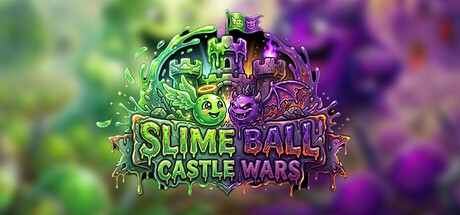
Slimeball Castle Wars was made by a solo developer with the help of generative AI tools. AI was used during development to help create:
Music and audio — background music tracks were made using AI music-generation tools.
Art and sprites — building art, unit sprites, and other in-game graphics were created or assisted with AI image tools.
In-game text — some descriptions and written content were drafted with AI assistance.
Code — parts of the game's code were written with the help of an AI coding assistant.
We use generative AI tools to assist with:- Machine translation (MT) of interface and data text, reviewed before release.- Drafts of store page text and marketing materials.All content is reviewed by a human before publication.Art, creatures, and music [adjust to reflect reality] do not use generative AI / use AI for [X].
This game uses generative AI-assisted development for some fictional market event text, achievement/icon concepts, interface copy, and marketing/store text. All AI-assisted content is pre-generated, reviewed, edited, and included by the developer. The game does not generate AI content live during gameplay.
Almost the entire game uses traditional assets made by people. Artificial intelligence was only used as an aid to create some music, sound effects, images, and translations.
EchoMind uses a locally running large language model to generate conversational text responses in real time based on the user’s prompts and local memory/context.
The AI-generated content is limited to text-based conversation and local memory summaries. EchoMind does not generate images, music, voices, sound effects, 3D models, textures, or executable code as part of its normal user experience.
Pre-generated AI content: character art, backgrounds, icons and key art images, music and sound effects, and portions of the story text were created with generative AI tools (Google Gemini, fal.ai, Anthropic Claude) and were reviewed and edited by the developers. No AI content is generated at runtime.
During the Early Access period and onwards to launch, we will be integrating and testing AI technologies to create ongoing secondary content like daily and weekly quests, and the material surrounding those quests needed to communicate that to the gamer.
We expect these to significantly enhance the user experience for gamers when used as tools under the guidance of the development team.
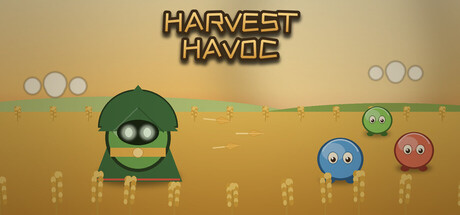
Some non-interactive assets in Harvest Havoc were produced with AI-assisted tools:
- Background music tracks were generated via AI music synthesis models, then curated and mixed by the developer.
- Sound effects were produced with AI-assisted audio generation tools.
- English and Japanese in-game text was drafted with AI translation assistance and then reviewed by the developer.
All gameplay code, level design, sprite art, and character animations were created by the developer without AI generation. No AI content is generated at runtime.
Some of the game's 3D models (characters, monsters, and items) were created using the generative AI tool. Some in-game text translations were produced with AI assistance. All of this content was pre-generated during development, and we hold the appropriate rights to use it in the game.
Some store page text, marketing copy, and promotional planning materials for Black File were created with assistance from generative AI tools and reviewed, edited, and approved by the development team before publication. The game does not use generative AI to create content during gameplay.
This game uses generative AI ONLY to assist with translations for some supported languages.
Gameplay, puzzles, artwork, characters, and game design are created by the development team.
The art, music, and writing in this game were created with AI tools during development, directed by the developer through written prompts. The development process is documented publicly, prompt by prompt. The shipped game contains no live or runtime AI generation — the in-game assistant “Aya” is a hand-authored, deterministic simulation, and the game makes no network or model calls during play.
Generative AI assisted with: English localization (AI-translated, developer-reviewed),
some store-page capsule art (generated programmatically), and store-page description text.
No AI runs live/at runtime in the game. Core code, game design and original in-game
sprite art were made by the developer.
This game makes use of generative AI as part of the creative pipeline across art, text, sound, and voice. None of it is dumped in raw — every asset is curated, edited, and reworked by hand, and every line of dialogue is agonized over until it earns its place. AI is a tool here, not the author; the taste, the pacing, and the final call on what stays are all made by people. The codebase, in the interest of full honesty, is held together with AI-assisted spaghetti and sheer willpower — but it works, and every line is reviewed before shipping.
This game uses generative AI in the following ways:
In-game assets: Some game objects and assets were generated using Unity's built-in AI tools.
Development assistance: Claude (Anthropic) was used as a coding and development assistant during development.
Store page content: Store page descriptions and marketing copy were drafted with the assistance of Claude (Anthropic).
SonderSoft uses generative AI for localization to make Arena Bot Manager accessible to more players worldwide. ABM features an optional AI voice-commentator for arena events that can be disabled as per player preference.
SonderSoft pays artists to participate in the creative process, and some artists may choose on their own to use generative AI as part of their workflow; SonderSoft respects the creative tools artists choose in order to realize their own artistic vision.
Whenever possible, SonderSoft prioritizes paying artists, creators, and actors.
The game's code, artwork, text content, and some marketing assets were created with the assistance of generative AI tools during development. All AI-generated content was reviewed, tested, and curated by the developer before inclusion. The game does not generate any content in real time using AI — all content is pre-rendered and static.
This game and its store page may include pre-generated AI-assisted content, such as visual assets, store artwork, marketing images, text drafts and localization support. All AI-assisted content is reviewed, selected and edited manually before inclusion.
The game does not use live-generated AI during gameplay.
Generative AI was used as an assistive tool for some parts of the following game development tasks:
(Background images, item images, coloring of character artwork, sound, code review, optimization, and localization text.)
Some of this game's content was created with the assistance of generative AI tools, including portions of the artwork, sound, in-game text translation, and source code, as well as parts of this store page. All AI-assisted content was reviewed and refined by our team before use. The game does not generate any content using AI in real time during gameplay.
Some early designs of characters were assisted by AI, and the initial animations of some characters were also aided by AI.
Utilize generative artificial intelligence to aid in the translation and localization of menu texts and interface elements.
Some of the visual art in Board Poker was created with the help of generative AI tools and then reviewed and refined by our team; the rest is hand-made or sourced from licensed asset packs. Music and sound effects use no generative AI. Generative AI also assisted with text — drafting some interface translations and the store and marketing copy, all reviewed and edited by our team. No content is generated by AI while the game is running.
We have used AI as a translation tool to translate this game from Japanese to English.
As a result, some parts of the text may contain unnatural phrasing or content that differs from the original intent.
The game's lessons and coach commentary were drafted with generative AI tools and then edited by the developer and written into the code. Nothing is generated live while you play. The game's actual analysis, such as equity, odds, and the grading of your decisions, is computed by the game's code, not by AI.
The game's 2D artwork was also created using generative AI image tools.
SWIFTALE PLAYER uses generative AI for live text generation during gameplay. The player connects their own supported local or cloud LLM, and the model acts as a game master by generating narration, action suggestions, and story responses.
The game does not include a hosted AI service. AI output is processed through structured game systems, including rule-based safety checks, resource/state management, and engine-side adjudication constraints. The intended content profile is general fantasy adventure, and the game is not designed to generate sexual content, hate content, extreme gore, or adult-only material.
This game uses generative AI for the translation of in-game text.
AI-generated translations are reviewed using translation services and human editing, and are revised or expanded as needed.
Generative AI is also used as a production aid for some UI images. Generated materials are manually edited and adjusted by humans.
Generative AI is not used to generate content while the game is running.
This game includes pre-generated content made with the assistance of generative AI tools during development. AI tools were used to help create and iterate some static story illustrations, character and store-art references, voice and sound-effect materials, texture details, copy polishing, and localization drafts. All such content is selected, edited, assembled, and manually reviewed by the developer before shipping. The game does not connect to a live generative AI service during play and does not generate new player-facing AI content at runtime.
Generative AI tools were used during development to assist in the creation of some pre-generated visual assets, character voices, translations, and promotional materials. All AI-assisted content was reviewed, edited, and curated by the developer. The game does not generate AI content in real time during gameplay.
We used a Gen AI powered tool to localize the following:
- (in some languages) In-game text
- (in some languages) Steam store descriptions
We plan to replace these with human translation and LQA when we can afford it.
Until then, we are using Gen AI temporarily.
We used a Gen AI powered tool to localize the following:
- (in some languages) In-game text
- (in some languages) Steam store descriptions
We plan to replace these with human translation and LQA when we can afford it.
Until then, we are using Gen AI temporarily.
We used a Gen AI powered tool to localize the following:
- (in some languages) In-game text
- (in some languages) Steam store descriptions
We plan to replace these with human translation and LQA when we can afford it.
Until then, we are using Gen AI temporarily.
We used a Gen AI powered tool to localize the following:
- (in some languages) In-game text
- (in some languages) Steam store descriptions
We plan to replace these with human translation and LQA when we can afford it.
Until then, we are using Gen AI temporarily.
This game was created with the assistance of generative AI during development.
Generative AI tools were used to help produce parts of the game’s art, written content, and soundtrack. All AI-assisted content was selected, refined, and assembled by the developer as part of the final game experience.
Parts of development (coding assistance) and the store/marketing page's text and graphics were created using AI-assisted tools (including Anthropic Claude). In-game graphics and audio come from licensed asset packs or were assembled manually; no content is generated by AI at runtime within the game.
In King of Props, generative AI is used exclusively for text-based content: An AI assistant helped translate the in-game texts and menus into the supported languages (German, English, French, Spanish, Italian, Japanese) and assisted with drafts for shop pages and marketing texts. I reviewed and revised all results. Visual assets come from licensed asset packs and are not generated by AI; no AI runs during gameplay.
AI tools were used to assist with localization for some of the supported languages in Guncrypt. Many translations were reviewed by native speakers at Halfbrick, although not every supported language received a full review.
If you notice anything that seems incorrect in your language, please let us know. We’d appreciate your help improving it.
During production we use generative AI in one narrow way: internal placeholders. Rough concept sketches and scratch voice lines hold a spot while the real assets are being made. Every placeholder is flagged in-engine, and none of it ships in the game players buy — the release version contains no generative AI content. Testers in early builds may spot flagged placeholders; that's what the flags are for. All art, writing, and voice work in the finished game is made by people. We know even placeholder use is a fair thing to question, so where we do use these tools, we aim for ones that license their training data and compensate the creators behind it.
Slimeball Castle Wars was made by a solo developer with the help of generative AI tools. AI was used during development to help create:
Music and audio — background music tracks were made using AI music-generation tools.
Art and sprites — building art, unit sprites, and other in-game graphics were created or assisted with AI image tools.
In-game text — some descriptions and written content were drafted with AI assistance.
Code — parts of the game's code were written with the help of an AI coding assistant.
We use generative AI tools to assist with:- Machine translation (MT) of interface and data text, reviewed before release.- Drafts of store page text and marketing materials.All content is reviewed by a human before publication.Art, creatures, and music [adjust to reflect reality] do not use generative AI / use AI for [X].
This game uses generative AI-assisted development for some fictional market event text, achievement/icon concepts, interface copy, and marketing/store text. All AI-assisted content is pre-generated, reviewed, edited, and included by the developer. The game does not generate AI content live during gameplay.
Almost the entire game uses traditional assets made by people. Artificial intelligence was only used as an aid to create some music, sound effects, images, and translations.
EchoMind uses a locally running large language model to generate conversational text responses in real time based on the user’s prompts and local memory/context.
The AI-generated content is limited to text-based conversation and local memory summaries. EchoMind does not generate images, music, voices, sound effects, 3D models, textures, or executable code as part of its normal user experience.
Pre-generated AI content: character art, backgrounds, icons and key art images, music and sound effects, and portions of the story text were created with generative AI tools (Google Gemini, fal.ai, Anthropic Claude) and were reviewed and edited by the developers. No AI content is generated at runtime.
During the Early Access period and onwards to launch, we will be integrating and testing AI technologies to create ongoing secondary content like daily and weekly quests, and the material surrounding those quests needed to communicate that to the gamer.
We expect these to significantly enhance the user experience for gamers when used as tools under the guidance of the development team.
Some non-interactive assets in Harvest Havoc were produced with AI-assisted tools:
- Background music tracks were generated via AI music synthesis models, then curated and mixed by the developer.
- Sound effects were produced with AI-assisted audio generation tools.
- English and Japanese in-game text was drafted with AI translation assistance and then reviewed by the developer.
All gameplay code, level design, sprite art, and character animations were created by the developer without AI generation. No AI content is generated at runtime.