Public Steam disclosure research25,380 disclosures tracked
Where do games disclose AI use?
Search developers’ Steam disclosures, compare classified AI use across
games, and follow recorded changes.
This index adds cross-game classifications and statistics to
statements published on individual store pages.
Groups reflect automatic analysis of public disclosures; mature records are excluded. These counts do not measure AI use across all of Steam.
Missing or unclear statements cannot establish whether a game uses AI.
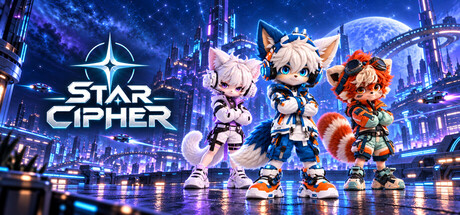
Generative AI was used during development to create character and environment artwork, comic illustrations, achievement-card artwork, store artwork, music, and English pronunciation audio, and to assist with learning dialogue and localization. This content is prepared in advance and included with the game. The game does not generate AI content or connect to third-party AI services during gameplay. Custom chapters use the device’s available text-to-speech voices.
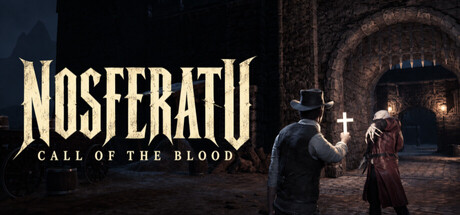
Generative AI tools were used during development to create visual references and assist with the creation of some 3D assets. AI-generated outputs used as source material were further edited, refined, or integrated by the developer before inclusion in the game. Generative AI may also be used to create or assist with some music, sound, and localization assets, with outputs reviewed and edited before inclusion. No generative AI is used at runtime.
The game uses AI-generated code, textures, and sound effects.Some 2D item artwork was created with generative AI tools during development, including certain pet-care items, container states, and shed-fur graphics. Store promotional illustrations, title artwork, and icons were also created with generative AI tools. AI assisted with drafting and translating the store descriptions. The relevant in-game artwork is provided as pre-generated static assets. The game does not use generative AI to create content during gameplay.
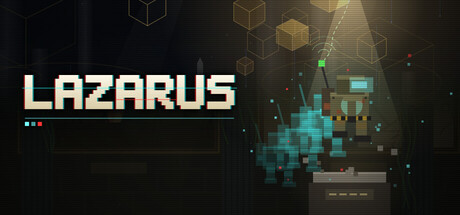
LAZARUS was developed with the help of generative AI tools. AI assisted in writing the game's code — including the code that draws every visual and synthesizes all music and sound effects in real time — as well as drafting the story, dialogue, in-game text, English/Chinese localization and store page text. All content was directed, reviewed and edited by the developer. The game does not use AI to generate any content while it is running.
Generative AI was used during development to create in-game artwork, music, sound effects, text, and translations, as well as store and promotional artwork. The game does not generate AI content during gameplay.
Generative AI tools were used during development to assist with creating visual assets, drafting and editing text, translation, and programming. AI-assisted assets and text included in the game were reviewed and edited by the developer. The game does not generate new content with AI during play.
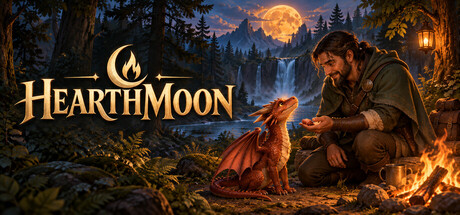
HearthMoon uses AI to generate NPC dialogue during gameplay and synthesize NPC voices. Spoken input is transcribed so villagers and the dragon companion can respond to the player. AI-assisted artwork and writing are also used in development and in store-page marketing. Conversations are experimental and responses may be inconsistent.
Parts of the game's code and the store page text were written with the help of an AI assistant. All art, 3D models, sounds and music are not AI-generated: 3D models come from Kenney asset packs (CC0) or are built procedurally in code, visuals and marketing images are rendered in-engine, and sounds and music come from CC0 libraries.
Generative AI was used during development to create images and music, and to assist with programming, in-game text and skill descriptions, translations, and store page descriptions. The game does not use generative AI to generate content during gameplay.
Generative AI tools were used during development to assist with localization and the creation of some game assets. Generative AI is not used to generate content during gameplay, and the game does not connect to external AI services during execution.
The art, music, and sound effects in this game were made with the help of generative AI tools, and each piece was selected and refined by the developer. The Chinese and English translations were drafted with AI assistance and will continue to be refined throughout Early Access. The story and dialogue were written by the developer, and the game was designed by the developer.
Generative AI tools were used during development to assist with drafting and refining portions of the game's store-page copy, localization, and player-facing text. All AI-assisted content was reviewed, edited, and approved by the developer. The game does not generate AI content during gameplay and does not connect to external AI services.
Pre-generated AI tools assisted with development, including code, interface copy and localization, in-game comic illustrations, and promotional key art, logo, and icon drafts. The developer reviewed and edited all AI-assisted output before inclusion. The game does not generate AI content while running.
AI-assisted tools were used during the development of some visual assets, music, and localization. All AI-assisted content has been reviewed, edited, and integrated by the development team, and is used under licenses that permit commercial use.
Generative AI was used to create some artwork, music, sound effects, text, and localization included in the game. Some AI-generated content is used as-is, while some has been edited by the developer.
The game does not generate AI content at runtime.
AI tools were used during development to create some sound effects and voice audio, and to assist with store-page text. These assets and text are prepared in advance.
Some of the game's content was created with the help of generative AI tools and then reviewed and integrated by the developer: several 3D models and their textures, the logo and key art, some of the music and voices, and the English translation of the game's text. All of it is pre-generated: the game does not generate anything with AI while you play.
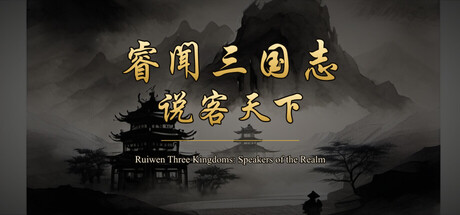
NPC dialogue in Ruiwen’s Romance of the Three Kingdoms: The Life of a Persuader is generated in real‑time by a locally‑running AI model. All content is computed offline on your own device, with no data uploaded to external servers.
The game’s story framework, directed plotlines, numerical judgement rules and ending conditions are all hand‑crafted. The AI is only responsible for generating character conversations.
Multiple safety guardrails are built‑in: automatic profanity detection, historical timeline checks to avoid anachronisms, character‑stance locking and fallback responses. These ensure every line of dialogue fits the character’s identity and historical context.
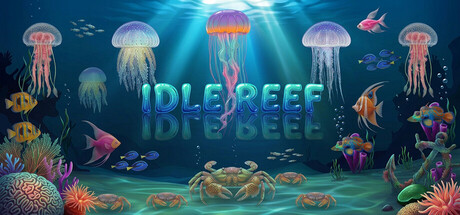
During the development of our game, generative AI tools were used to assist in creating certain 2D underwater background visuals, store page graphics. Additionally, AI-based language models were utilized for writing the store page descriptions and localizing the game into various languages. All AI-generated content was manually reviewed and edited before being implemented into the game or the store page.
During the development of FOOTBALL EXECUTIVE 27, generative AI tools were used to assist with parts of the program code, localization, and the editorial review of user interface and in-game text. All AI-assisted content was manually reviewed and revised before being included in the game. No content is generated by generative AI during gameplay, and no player input is transmitted to any external AI service.
Audio sound effects, translated localization text, and promotional trailer videos in this game were produced with the assistance of generative AI tools. All AI-assisted assets have been reviewed, edited and finalized by the development team.
Generative AI tools were used in a supporting role for parts of our art, sound, and translation work. For art assets in particular, we avoid using AI-generated output as-is; AI serves mainly as a starting point and reference, and much of the final artwork is reworked and finalized by our team.
Gemwise includes pre-generated music, visual artwork, and localized text created with generative AI tools. These assets were selected, edited, processed, integrated, and reviewed by the developer. The game does not generate AI content during gameplay and does not connect to external AI services.
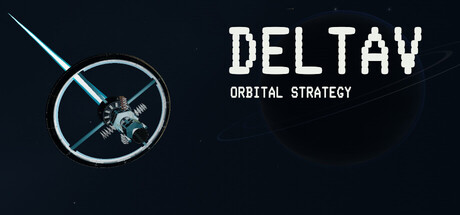
Generative AI tools were used during development to assist with drafting and editing some written content, lore and localization. All AI-assisted material was reviewed and revised by the developer before inclusion. DeltaV does not generate content during gameplay and does not connect to any generative AI service. Its computer-controlled opponents use conventional rule-based game logic, not generative AI.
Generative AI was used to create selected promotional artwork for the Steam store page and to assist with the localization of store text. All generated content was reviewed and edited by the developer. No generative AI is used during gameplay, and the game does not connect to external AI services.
Generative AI was used during development to create in-game text, including item descriptions, interface copy, narrative text and localization. The Steam trailer also includes pre-generated AI cinematic visuals and music. No content is generated by AI during gameplay.
Glyphy's achievement guides are written with AI assistance and checked before release. Each one starts from Steam's own achievement list, so nothing is added or missed. The steps are written from scratch and must pass automated checks for accuracy, clarity and originality. Anything that can't be confirmed is marked "unverified" instead of guessed. The app itself has no AI features, and nothing is generated while you use it.
Generative AI was used during development to create some of the game's 2D artwork, UI assets, sound effects, and localized text. This content was prepared before release and is included as part of the game.
Generative AI was used to translate the game's text from Japanese into the other supported languages (English, Simplified Chinese, Traditional Chinese, Russian, German and French). The original Japanese text was written by a human.
Generative AI was used to create some pre-generated 3D models, artwork, audio, and voice assets used in the game and marketing materials. No AI-generated content is created during gameplay.
AI-assisted development tools (an AI coding assistant) were used during development to help write code and portions of this store page's descriptive text. No game art, music, or narrative content was generated by AI.
During development, generative AI tools including OpenAI image generation and Higgsfield assisted with pre-generated visual source material for characters, enemies, bosses, animation strips, world props and floors, menu and capsule art, icons, and achievement art. AI coding assistants also contributed to production code, QA tooling, documentation, player-facing copy, and localization drafts. The developer selected, edited, cleaned, composited, animated, integrated, and QA-reviewed the resulting material. All player-visible content is fixed in the shipped build: no prompt, generative model, or external generation service runs at runtime, and the game has no live-generated AI feature.
AI tools were used to assist with some of the programming, under the direction and review of the game's developer. AI was also used in the translation process for non-English languages. All art and music were created by human artists.
AI tools assisted with static artwork, marketing images and localization. During play, a bundled language model running locally on your PC generates dialogue, narrative and diary text from your input, card instructions and conversation context. No external AI service or API key is required. No images or voices are generated during play. Output quality, response time and consistency vary with your hardware and input.
Please note that non-Japanese localization is currently generated by AI. I plan to replace this with professional human localization in the future.
Furthermore, one sound effect was created using AI.
All other elements have been meticulously crafted by myself.
Various visual and audio assets, translations, and promotional materials were created with the assistance of generative AI tools. All AI-assisted content was selected, reviewed, and integrated by the developer.
No generative AI is used during gameplay, and the game does not generate content in real time.
Generative AI tools were used during development to create artwork, character voices, sound effects, and portions of the written content. AI-generated artwork is also used in the store page and promotional materials. These assets are prepared in advance; the game does not generate AI content or connect to generative AI services during gameplay.
AI tools (Anthropic Claude) assisted the developer with the code, the vector art, the texts and translations, and the synthesized music and sound effects. Everything was directed and reviewed by the developer. No AI runs in the game and nothing is generated at runtime.
Generative AI was used during development to create character and environment artwork, comic illustrations, achievement-card artwork, store artwork, music, and English pronunciation audio, and to assist with learning dialogue and localization. This content is prepared in advance and included with the game. The game does not generate AI content or connect to third-party AI services during gameplay. Custom chapters use the device’s available text-to-speech voices.
Generative AI tools were used during development to create visual references and assist with the creation of some 3D assets. AI-generated outputs used as source material were further edited, refined, or integrated by the developer before inclusion in the game. Generative AI may also be used to create or assist with some music, sound, and localization assets, with outputs reviewed and edited before inclusion. No generative AI is used at runtime.
The game uses AI-generated code, textures, and sound effects.Some 2D item artwork was created with generative AI tools during development, including certain pet-care items, container states, and shed-fur graphics. Store promotional illustrations, title artwork, and icons were also created with generative AI tools. AI assisted with drafting and translating the store descriptions. The relevant in-game artwork is provided as pre-generated static assets. The game does not use generative AI to create content during gameplay.
LAZARUS was developed with the help of generative AI tools. AI assisted in writing the game's code — including the code that draws every visual and synthesizes all music and sound effects in real time — as well as drafting the story, dialogue, in-game text, English/Chinese localization and store page text. All content was directed, reviewed and edited by the developer. The game does not use AI to generate any content while it is running.
Generative AI was used during development to create in-game artwork, music, sound effects, text, and translations, as well as store and promotional artwork. The game does not generate AI content during gameplay.
Generative AI tools were used during development to assist with creating visual assets, drafting and editing text, translation, and programming. AI-assisted assets and text included in the game were reviewed and edited by the developer. The game does not generate new content with AI during play.
HearthMoon uses AI to generate NPC dialogue during gameplay and synthesize NPC voices. Spoken input is transcribed so villagers and the dragon companion can respond to the player. AI-assisted artwork and writing are also used in development and in store-page marketing. Conversations are experimental and responses may be inconsistent.
Parts of the game's code and the store page text were written with the help of an AI assistant. All art, 3D models, sounds and music are not AI-generated: 3D models come from Kenney asset packs (CC0) or are built procedurally in code, visuals and marketing images are rendered in-engine, and sounds and music come from CC0 libraries.
Generative AI was used during development to create images and music, and to assist with programming, in-game text and skill descriptions, translations, and store page descriptions. The game does not use generative AI to generate content during gameplay.
Generative AI tools were used during development to assist with localization and the creation of some game assets. Generative AI is not used to generate content during gameplay, and the game does not connect to external AI services during execution.
The art, music, and sound effects in this game were made with the help of generative AI tools, and each piece was selected and refined by the developer. The Chinese and English translations were drafted with AI assistance and will continue to be refined throughout Early Access. The story and dialogue were written by the developer, and the game was designed by the developer.
Generative AI tools were used during development to assist with drafting and refining portions of the game's store-page copy, localization, and player-facing text. All AI-assisted content was reviewed, edited, and approved by the developer. The game does not generate AI content during gameplay and does not connect to external AI services.
Pre-generated AI tools assisted with development, including code, interface copy and localization, in-game comic illustrations, and promotional key art, logo, and icon drafts. The developer reviewed and edited all AI-assisted output before inclusion. The game does not generate AI content while running.
AI-assisted tools were used during the development of some visual assets, music, and localization. All AI-assisted content has been reviewed, edited, and integrated by the development team, and is used under licenses that permit commercial use.
Generative AI was used to create some artwork, music, sound effects, text, and localization included in the game. Some AI-generated content is used as-is, while some has been edited by the developer.
The game does not generate AI content at runtime.
AI tools were used during development to create some sound effects and voice audio, and to assist with store-page text. These assets and text are prepared in advance.
Some of the game's content was created with the help of generative AI tools and then reviewed and integrated by the developer: several 3D models and their textures, the logo and key art, some of the music and voices, and the English translation of the game's text. All of it is pre-generated: the game does not generate anything with AI while you play.
NPC dialogue in Ruiwen’s Romance of the Three Kingdoms: The Life of a Persuader is generated in real‑time by a locally‑running AI model. All content is computed offline on your own device, with no data uploaded to external servers.
The game’s story framework, directed plotlines, numerical judgement rules and ending conditions are all hand‑crafted. The AI is only responsible for generating character conversations.
Multiple safety guardrails are built‑in: automatic profanity detection, historical timeline checks to avoid anachronisms, character‑stance locking and fallback responses. These ensure every line of dialogue fits the character’s identity and historical context.
During the development of our game, generative AI tools were used to assist in creating certain 2D underwater background visuals, store page graphics. Additionally, AI-based language models were utilized for writing the store page descriptions and localizing the game into various languages. All AI-generated content was manually reviewed and edited before being implemented into the game or the store page.
During the development of FOOTBALL EXECUTIVE 27, generative AI tools were used to assist with parts of the program code, localization, and the editorial review of user interface and in-game text. All AI-assisted content was manually reviewed and revised before being included in the game. No content is generated by generative AI during gameplay, and no player input is transmitted to any external AI service.
Audio sound effects, translated localization text, and promotional trailer videos in this game were produced with the assistance of generative AI tools. All AI-assisted assets have been reviewed, edited and finalized by the development team.
Generative AI tools were used in a supporting role for parts of our art, sound, and translation work. For art assets in particular, we avoid using AI-generated output as-is; AI serves mainly as a starting point and reference, and much of the final artwork is reworked and finalized by our team.
Gemwise includes pre-generated music, visual artwork, and localized text created with generative AI tools. These assets were selected, edited, processed, integrated, and reviewed by the developer. The game does not generate AI content during gameplay and does not connect to external AI services.
Generative AI tools were used during development to assist with drafting and editing some written content, lore and localization. All AI-assisted material was reviewed and revised by the developer before inclusion. DeltaV does not generate content during gameplay and does not connect to any generative AI service. Its computer-controlled opponents use conventional rule-based game logic, not generative AI.
Generative AI was used to create selected promotional artwork for the Steam store page and to assist with the localization of store text. All generated content was reviewed and edited by the developer. No generative AI is used during gameplay, and the game does not connect to external AI services.
Generative AI was used during development to create in-game text, including item descriptions, interface copy, narrative text and localization. The Steam trailer also includes pre-generated AI cinematic visuals and music. No content is generated by AI during gameplay.
Glyphy's achievement guides are written with AI assistance and checked before release. Each one starts from Steam's own achievement list, so nothing is added or missed. The steps are written from scratch and must pass automated checks for accuracy, clarity and originality. Anything that can't be confirmed is marked "unverified" instead of guessed. The app itself has no AI features, and nothing is generated while you use it.
Generative AI was used during development to create some of the game's 2D artwork, UI assets, sound effects, and localized text. This content was prepared before release and is included as part of the game.
Generative AI was used to translate the game's text from Japanese into the other supported languages (English, Simplified Chinese, Traditional Chinese, Russian, German and French). The original Japanese text was written by a human.
Generative AI was used to create some pre-generated 3D models, artwork, audio, and voice assets used in the game and marketing materials. No AI-generated content is created during gameplay.
AI-assisted development tools (an AI coding assistant) were used during development to help write code and portions of this store page's descriptive text. No game art, music, or narrative content was generated by AI.
During development, generative AI tools including OpenAI image generation and Higgsfield assisted with pre-generated visual source material for characters, enemies, bosses, animation strips, world props and floors, menu and capsule art, icons, and achievement art. AI coding assistants also contributed to production code, QA tooling, documentation, player-facing copy, and localization drafts. The developer selected, edited, cleaned, composited, animated, integrated, and QA-reviewed the resulting material. All player-visible content is fixed in the shipped build: no prompt, generative model, or external generation service runs at runtime, and the game has no live-generated AI feature.
AI tools were used to assist with some of the programming, under the direction and review of the game's developer. AI was also used in the translation process for non-English languages. All art and music were created by human artists.
AI tools assisted with static artwork, marketing images and localization. During play, a bundled language model running locally on your PC generates dialogue, narrative and diary text from your input, card instructions and conversation context. No external AI service or API key is required. No images or voices are generated during play. Output quality, response time and consistency vary with your hardware and input.
Please note that non-Japanese localization is currently generated by AI. I plan to replace this with professional human localization in the future.
Furthermore, one sound effect was created using AI.
All other elements have been meticulously crafted by myself.
Various visual and audio assets, translations, and promotional materials were created with the assistance of generative AI tools. All AI-assisted content was selected, reviewed, and integrated by the developer.
No generative AI is used during gameplay, and the game does not generate content in real time.
Generative AI tools were used during development to create artwork, character voices, sound effects, and portions of the written content. AI-generated artwork is also used in the store page and promotional materials. These assets are prepared in advance; the game does not generate AI content or connect to generative AI services during gameplay.
AI tools (Anthropic Claude) assisted the developer with the code, the vector art, the texts and translations, and the synthesized music and sound effects. Everything was directed and reviewed by the developer. No AI runs in the game and nothing is generated at runtime.