








Disclosure
We used AI to assist with language localization and to help create development tools used during the production of the game.
- Creator
- McDoodle
- Reviews
- -
- Added
- Sep 18, 2026
Public Steam disclosure research 25,380 disclosures tracked
Search developers’ Steam disclosures, compare classified AI use across games, and follow recorded changes. This index adds cross-game classifications and statistics to statements published on individual store pages.
Code help, debugging and other development work.
Capsule art, trailers and promotional material.
Pre-made art, audio, writing and other game assets.
Interactive or runtime AI features disclosed by the developer.
Groups reflect automatic analysis of public disclosures; mature records are excluded. These counts do not measure AI use across all of Steam. Missing or unclear statements cannot establish whether a game uses AI.
We used AI to assist with language localization and to help create development tools used during the production of the game.
Some environment prop artwork was created with an image-generation model from written briefs, then hand-reviewed, cropped and integrated. Sprites, tilesets, audio, UI, achievement icons and all code are authored procedurally or by hand. No AI-generated text, narrative or live-generated content.
Salvage Inc. was designed, developed, and assembled by a human developer. Generative AI tools were used to assist in the creation of some game assets, including certain visual and audio elements.
Generative AI was used during development to assist in creating some pre-generated game assets, such as sound effects and visual content. No AI-generated content is created during gameplay.
Generative AI was used during development to assist with some artwork and text, including the main menu background, achievement icons and draft translations for some localized text. This content was selected and edited during production and is included as pre-generated game assets. The game does not use generative AI services to create content at runtime.
Some of the game's assets were created with generative AI tools during development and are pre-generated: card illustrations, character portraits and UI artwork (image generation), several 3D character models (Meshy), sound effects, music and the narrated story panels (ElevenLabs). Parts of the code were written with AI coding assistants. All of this content was reviewed and integrated by the developer. The game does not generate any content while you play.
Wickwood is made by one developer, and generative AI was used openly in its production. Here is exactly where: - Code: the game's GDScript code, the pixel-drawing scripts and the build/test tools were written with Claude (Anthropic) under the developer's design, direction and review. - Text: the in-game notes and place descriptions, the ending credits and the store page copy were drafted with Claude and edited and approved by the developer. - Music: all music tracks (world, main menu, finale) were generated with Google's Lyria from prompts written by the developer. - Artwork: tilesets, characters and creatures are hand-drawn commercial pixel-art packs (credited in-game), not AI-generated. Some landmark props (the standing stones, the cave interiors, the bunker hatch and similar pieces) were drawn or assembled pixel by pixel by scripts written with Claude, using the palettes and parts of those packs. - Sound effects were sourced from Freesound and Kenney's sound packs. - Store art (capsules, logo, icons) was made by hand; screenshots and video are captured from the game itself. No AI runs during gameplay: nothing is generated live, and the game does not connect to any online AI service.
Development of this game used AI assistance for writing source code, and for creating some of the in-game art assets such as objects and enemies. All AI-generated content was produced during development and reviewed by the developer; the game does not generate any content with AI at runtime.
Generative AI was used during development to assist with game text, narrative, and localization. Store artwork was also created using generative AI. Gameplay screenshots and trailer footage were captured from the game. The game does not generate AI content during play or connect to external AI services.
Generative AI was used to support and enhance the Soundtrack Production.
Generative AI tools were used to assist in creating some pre-generated UI images, promotional artwork, and graphical assets. All AI-assisted assets are pre-generated and were reviewed and edited by the developer before being included in the game or used on the Steam store page. The game does not generate AI content during gameplay.
The text in HEATSINK — its interface strings and its translations — was written with the assistance of generative AI. Nothing is generated while you play. There are no AI-generated images or audio in this game, because there are no image or audio files at all: every shape on screen is drawn by code, and every sound is synthesised when the game launches.
No generative AI is used during live gameplay. During our development process we use generative AI for some algorithms, pixel art, some marketing content and where appropriate to improve code quality.
While AI tools were used to assist with the creation of select assets for our game's store page, all featured assets are fully original designs developed by our internal team.
Portions of the game's 2D artwork were created with the assistance of generative AI image tools, then curated, edited, and integrated by the developer. Text localization into non-English languages was produced with AI translation assistance under developer review.
This game uses some generative artificial intelligence images
Some auxiliary art assets (the overworld map background) used AI tools for concept assistance in the early stage of creation. The developer then conducted extensive manual secondary design and reconstruction, including hand-drawn routes, level node layout, color unification, and UI interaction design. The core gameplay, unit system, combat numerical balance, battle log system, and all strategic logic are purely hand-designed by the developer and do not use AI generation. This is a solo-developed strategy game; AI was only used to improve the efficiency of specific art assets. Thank you for your understanding
The pixel art in Miners Cat Revolution: the cats, the icons and the store art was generated with AI and then edited and assembled by hand. The translations into the nine languages other than Spanish were AI-assisted and reviewed afterwards. Everything else is human-made: the code, the game design, the balance and the original Spanish text are written by one person. Nothing is generated while you play. All of it ships with the game, finished and fixed.
War of the Watchers uses generative AI in two places. Both are pre-generated before release and ship as fixed files; nothing is generated while you play. Character dialogue is voiced using AI text-to-speech. Every line was written by the developer, and the tool performs those written lines. Each take is recorded before release and ships as an audio file. Some promotional artwork, including the key art and store capsules, was produced with AI image tools and then edited by the developer. Game code, level design and all in-game visuals are hand-authored. No content is generated during gameplay.
Some 2D sprites, sound effects, and music tracks were created with the assistance of generative AI tools during development and were manually reviewed and edited by the developer.
AI was used to help with created capsule art and assist with building the teaser trailers. There is no generative AI art, sound effects, video, or voice art in the game itself.
There is no active generative AI content when you play the game. Some of the still images to support the quests, fate and hope cards were originally AI generated.
For game banners, we collect elements from game art and then use AI to turn them into a single composition.
The game had used AI tools for localization and dialogue voice lines. The game does not use any generative AI or any sort of AI during gameplay.
This game contains a small amount of AI-assisted art assets, all of which were reviewed and adjusted.
I use AI as a "better search engine" for code snippets and design research, and to create examples I can mark up to show artists what I am looking for. Paid artists create the monsters, backgrounds and UI icons, and everything else is hand-created or downloaded from asset packs or is available from free art sites. The artists also use AI in their workflows.
Developer Note on AI Assistance: Gods of the Arena: Blood & Sand is crafted using a hybrid development approach, combining human game design, rigorous combat programming, and hand-tuned mechanics with generative AI tools for concept ideation and visual asset workflows.
Generative AI assisted with development-time content, including procedural visual assets and pre-written store-page text. Content is prepared before release; the game does not generate AI content during gameplay or connect to an external AI service.
Generative AI was used to assist in creating some of the game's illustrations and in developing certain tools used during production.
Some prototype artwork, including enemy and environment assets, was generated with AI tools and subsequently refined by the developer.
We are using AI to help write, structure, and/or review written code by the team. Some of the artwork in this game was produced with the help of generative AI tools.
Starbloom Ranch features artwork developed with generative AI.
During development, generative AI was used to assist in creating selected game images and promotional artwork, including library images, the game logo, and capsule art. All AI-generated images were manually reviewed, edited, and unified in style by the development team. All in-game code, gameplay systems, audio, and text were created by hand. The game itself does not generate, display, or depend on any AI content at runtime.
This game is handcrafted by indie developers. Generative tools were used only to support the creation of specific assets, while the final game reflects the developers’ own creative vision.
Meshy was used during production to assist in converting my hand-drawn character concepts into 3D avatars, which were then integrated, refined, and animated for the final game.
Generative AI tools were used to create some of the game's visual assets and audio.
Some 2D artwork in this game (store artwork and in-game character portraits) was drafted with generative AI tools, then curated and edited by the developers. No AI content is generated during gameplay.
Desmarchon currently includes pre-generated AI images for the store page and achievement images, as well as AI-generated promotional artwork and icons, and some text. Everything has been reviewed by a human.
Some images and sounds were created with the help of AI.
No Luck Left is developed by a solo developer. To help create the game's 3D character models within the scope of a one-person project, I used generative AI tools such as Meshy and TripoSR during development. The resulting pre-generated assets were selected, optimized and integrated into the game by me. No content is generated by AI during gameplay, and the game does not connect to an external AI service.
AI tools were used during the development of Slot Crawler to assist in creating select visual assets and promotional materials. Every AI-assisted element was reviewed, refined, and integrated by the developer to ensure consistency with the game’s artistic direction and quality standards.
AI was used ONLY in the creation of the UI images and menu backgrounds. All gameplay and other assets were NOT created using AI.
AI generates a few images and icons, reviewed manually.
Some of the artworks in the game and on the steam product page are AI generated.
Generative AI tools assisted development of the game’s geometric artwork, music compositions, in-game text, and store and marketing materials. These are prepared during development and included in the game or its promotional assets. Graphics are drawn and music is synthesized locally from fixed content definitions; the game does not generate content with AI during gameplay or connect to external AI services.
We build Last Treasure Online with AI tools. Much of the code is written with AI, including shaders, scripts that model props and furniture in Blender, and scripts that synthesize sound effects and ambience. Most text in the game is AI generated, but all names, personalities, schedules, stories, lore, knowledge, etc is strongly scaffolded and enforced by us as designers. In play, NPCs speak through an AI language model on our server in order to talk about hundreds of subjects in different ways depending on what they know about them, you, the world, etc.... The model only rewords lines and facts we wrote: it cannot invent places, items, prices or quests, and players never type text into it. No images, textures, 3D models, music or sounds come from diffusion image, 3D or audio models. Characters and clothing are hand-painted, and the world's textures are photographs.
Generative AI is used during development to create artwork, animation, music, sound effects and some text, including store artwork and descriptions. Content is selected, edited and integrated before release. SkyStray does not generate AI content during gameplay or connect to external AI services while you play.
It has been used in the page visuals.
AI tools were used during development to help create pre-generated content including pixel artwork, character and boss sprites, some written narrative and interface text, and original synthesized music and sound arrangements. These assets are included in the installed game. Gameplay does not generate content through an AI service at runtime.
This game has been created by a solo developer with 30 years of experience. It is not until now with the assistance of generative AI coding that I have been able to truly bring my visions to life in a timely manor. I hope you enjoy it.
| Title⇅ | Disclosure | Creator⇅ | Src | Reviews⇅ | Added↓ |
|---|---|---|---|---|---|
 Thugs in Fantasy In-game content text | We used AI to assist with language localization and to help create development tools used during the production of the game. | McDoodle | - | Sep 18, 2026 | |
 Night Ops: Undead In-game content art | Some environment prop artwork was created with an image-generation model from written briefs, then hand-reviewed, cropped and integrated. Sprites, tilesets, audio, UI, achievement icons and all code are authored procedurally or by hand. No AI-generated text, narrative or live-generated content. | Boarded Window Games | - | Sep 18, 2026 | |
 Salvage Inc In-game content artaudio | Salvage Inc. was designed, developed, and assembled by a human developer. Generative AI tools were used to assist in the creation of some game assets, including certain visual and audio elements. | Hyper Mode | - | Sep 18, 2026 | |
 Life bar In-game content artaudio | Generative AI was used during development to assist in creating some pre-generated game assets, such as sound effects and visual content. No AI-generated content is created during gameplay. | liam frydman | - | Sep 18, 2026 | |
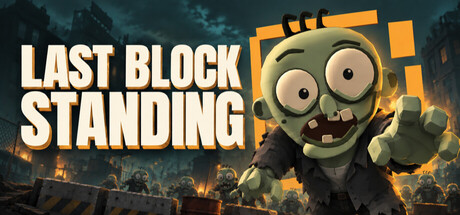 Last Block Standing In-game content arttext | Generative AI was used during development to assist with some artwork and text, including the main menu background, achievement icons and draft translations for some localized text. This content was selected and edited during production and is included as pre-generated game assets. The game does not use generative AI services to create content at runtime. | Black Wings | - | Sep 18, 2026 | |
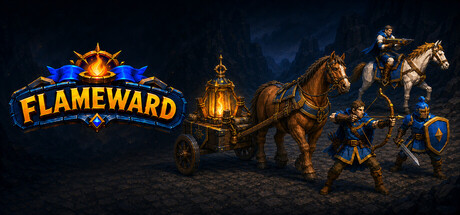 Flameward In-game content artaudiotextcode | Some of the game's assets were created with generative AI tools during development and are pre-generated: card illustrations, character portraits and UI artwork (image generation), several 3D character models (Meshy), sound effects, music and the narrated story panels (ElevenLabs). Parts of the code were written with AI coding assistants. All of this content was reviewed and integrated by the developer. The game does not generate any content while you play. | Polo the Frog | - | Sep 18, 2026 | |
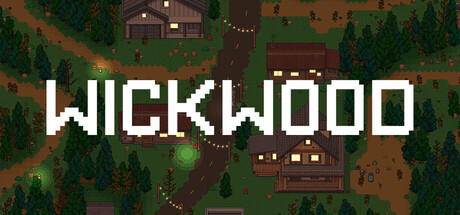 Wickwood In-game content textaudiocode | Wickwood is made by one developer, and generative AI was used openly in its production. Here is exactly where:
- Code: the game's GDScript code, the pixel-drawing scripts and the build/test tools were written with Claude (Anthropic) under the developer's design, direction and review.
- Text: the in-game notes and place descriptions, the ending credits and the store page copy were drafted with Claude and edited and approved by the developer.
- Music: all music tracks (world, main menu, finale) were generated with Google's Lyria from prompts written by the developer.
- Artwork: tilesets, characters and creatures are hand-drawn commercial pixel-art packs (credited in-game), not AI-generated. Some landmark props (the standing stones, the cave interiors, the bunker hatch and similar pieces) were drawn or assembled pixel by pixel by scripts written with Claude, using the palettes and parts of those packs.
- Sound effects were sourced from Freesound and Kenney's sound packs.
- Store art (capsules, logo, icons) was made by hand; screenshots and video are captured from the game itself.
No AI runs during gameplay: nothing is generated live, and the game does not connect to any online AI service. | Renderville Games | - | Sep 18, 2026 | |
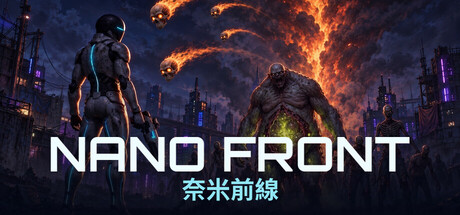 NANO FRONT In-game content artcode | Development of this game used AI assistance for writing source code, and for creating some of the in-game art assets such as objects and enemies. All AI-generated content was produced during development and reviewed by the developer; the game does not generate any content with AI at runtime. | Yang.biz | - | Sep 18, 2026 | |
 Wildixir In-game content textart | Generative AI was used during development to assist with game text, narrative, and localization. Store artwork was also created using generative AI. Gameplay screenshots and trailer footage were captured from the game. The game does not generate AI content during play or connect to external AI services. | Alexframe | - | Sep 18, 2026 | |
 Nullwatch In-game content audio | Generative AI was used to support and enhance the Soundtrack Production. | Grid North Games | - | Sep 18, 2026 | |
 ROCK//CLICK In-game content art | Generative AI tools were used to assist in creating some pre-generated UI images, promotional artwork, and graphical assets. All AI-assisted assets are pre-generated and were reviewed and edited by the developer before being included in the game or used on the Steam store page. The game does not generate AI content during gameplay. | Studio Ember | - | Sep 18, 2026 | |
 HEATSINK In-game content text | The text in HEATSINK — its interface strings and its translations — was written with the assistance of generative AI.
Nothing is generated while you play. There are no AI-generated images or audio in this game, because there are no image or audio files at all: every shape on screen is drawn by code, and every sound is synthesised when the game launches. | Anquri | - | Sep 18, 2026 | |
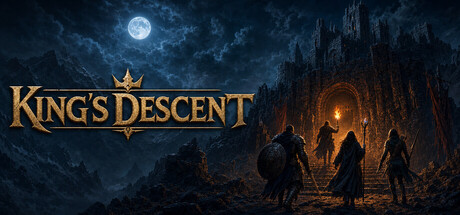 King's Descent Store/marketing artcode | No generative AI is used during live gameplay. During our development process we use generative AI for some algorithms, pixel art, some marketing content and where appropriate to improve code quality. | Stoneshift Games | - | Sep 18, 2026 | |
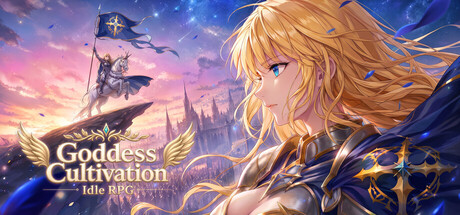 女神养成:放置型 / Goddess Cultivation: Idle RPG Store/marketing art | While AI tools were used to assist with the creation of select assets for our game's store page, all featured assets are fully original designs developed by our internal team. | 女神养成工作室 | - | Sep 18, 2026 | |
 Glintwave In-game content arttext | Portions of the game's 2D artwork were created with the assistance of generative AI image tools, then curated, edited, and integrated by the developer. Text localization into non-English languages was produced with AI translation assistance under developer review. | Karmikal Apps | - | Sep 18, 2026 | |
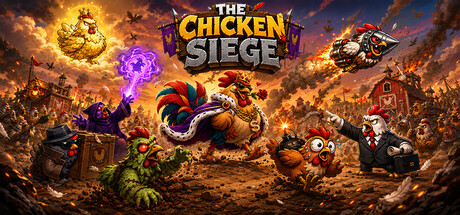 Chicken Siege Unclear art | This game uses some generative artificial intelligence images | IDB Productions | - | Sep 18, 2026 | |
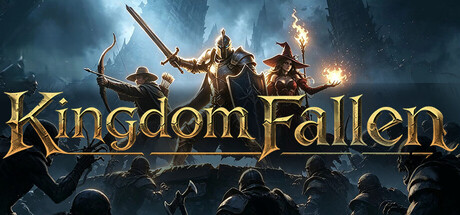 The Fallen Kingdom In-game content art | Some auxiliary art assets (the overworld map background) used AI tools for concept assistance in the early stage of creation. The developer then conducted extensive manual secondary design and reconstruction, including hand-drawn routes, level node layout, color unification, and UI interaction design.
The core gameplay, unit system, combat numerical balance, battle log system, and all strategic logic are purely hand-designed by the developer and do not use AI generation. This is a solo-developed strategy game; AI was only used to improve the efficiency of specific art assets. Thank you for your understanding | Hellfire Studio | - | Sep 18, 2026 | |
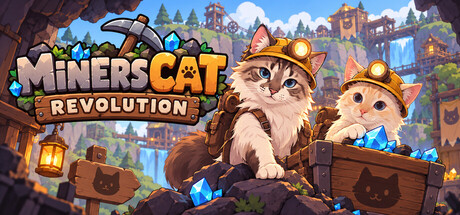 Miners Cat Revolution In-game content arttext | The pixel art in Miners Cat Revolution: the cats, the icons and the store art was generated with AI and then edited and assembled by hand. The translations into the nine languages other than Spanish were AI-assisted and reviewed afterwards.
Everything else is human-made: the code, the game design, the balance and the original Spanish text are written by one person.
Nothing is generated while you play. All of it ships with the game, finished and fixed. | Igris | - | Sep 18, 2026 | |
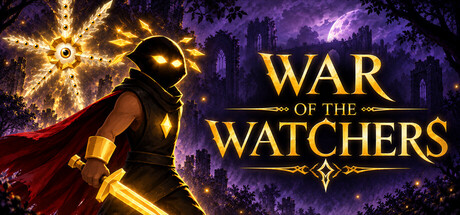 War of the Watchers In-game content audioart | War of the Watchers uses generative AI in two places. Both are pre-generated before release and ship as fixed files; nothing is generated while you play.
Character dialogue is voiced using AI text-to-speech. Every line was written by the developer, and the tool performs those written lines. Each take is recorded before release and ships as an audio file.
Some promotional artwork, including the key art and store capsules, was produced with AI image tools and then edited by the developer.
Game code, level design and all in-game visuals are hand-authored. No content is generated during gameplay. | Crown & Cross Studios | - | Sep 18, 2026 | |
 Intercept Line In-game content artaudio | Some 2D sprites, sound effects, and music tracks were created with the assistance of generative AI tools during development and were manually reviewed and edited by the developer. | Kinato | - | Sep 18, 2026 | |
 For the Common Wealth Store/marketing art | AI was used to help with created capsule art and assist with building the teaser trailers. There is no generative AI art, sound effects, video, or voice art in the game itself. | Podule Games | - | Sep 18, 2026 | |
 To Rule... Bavarin In-game content art | There is no active generative AI content when you play the game. Some of the still images to support the quests, fate and hope cards were originally AI generated. | Andy House | - | Sep 18, 2026 | |
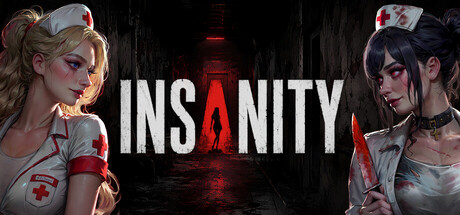 Insanity: Altered Store/marketing art | For game banners, we collect elements from game art and then use AI to turn them into a single composition. | ARA Games | - | Sep 17, 2026 | |
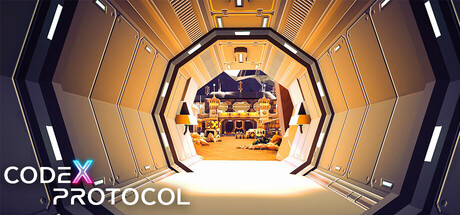 CodeX Protocol In-game content textaudio | The game had used AI tools for localization and dialogue voice lines. The game does not use any generative AI or any sort of AI during gameplay. | CodingKraft | - | Sep 17, 2026 | |
 恶意结核 (MechaBlight) In-game content art | This game contains a small amount of AI-assisted art assets, all of which were reviewed and adjusted. | YeMaoFanKa | - | Sep 17, 2026 | |
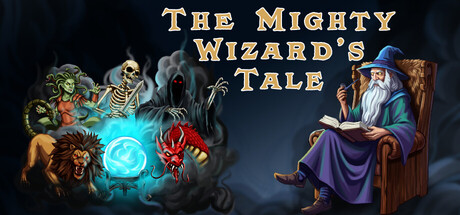 The Mighty Wizard's Tale In-game content codeart | I use AI as a "better search engine" for code snippets and design research, and to create examples I can mark up to show artists what I am looking for. Paid artists create the monsters, backgrounds and UI icons, and everything else is hand-created or downloaded from asset packs or is available from free art sites. The artists also use AI in their workflows. | Oxdeadbeef Games | - | Sep 17, 2026 | |
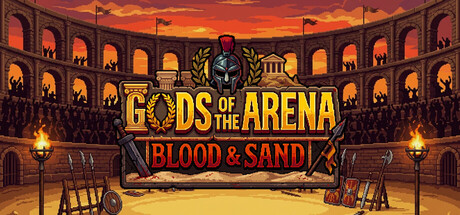 Gods of the Arena: Blood & Sand Dev only art | Developer Note on AI Assistance: Gods of the Arena: Blood & Sand is crafted using a hybrid development approach, combining human game design, rigorous combat programming, and hand-tuned mechanics with generative AI tools for concept ideation and visual asset workflows. | Aeterna Nexus | - | Sep 16, 2026 | |
 VACATION Store/marketing arttext | Generative AI assisted with development-time content, including procedural visual assets and pre-written store-page text. Content is prepared before release; the game does not generate AI content during gameplay or connect to an external AI service. | SLOPWORKS | - | Sep 16, 2026 | |
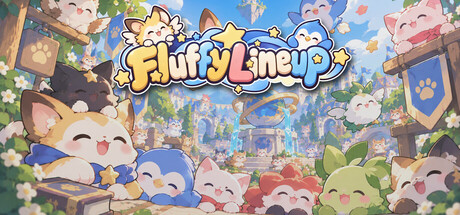 Fluffy Lineup In-game content art | Generative AI was used to assist in creating some of the game's illustrations and in developing certain tools used during production. | Yustar | - | Sep 16, 2026 | |
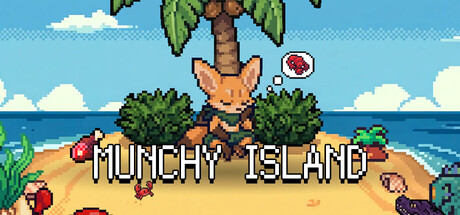 暴食海岛 Munchy Island In-game content art | Some prototype artwork, including enemy and environment assets, was generated with AI tools and subsequently refined by the developer. | clownpiece | - | Sep 16, 2026 | |
 Genesis Core In-game content artcode | We are using AI to help write, structure, and/or review written code by the team. Some of the artwork in this game was produced with the help of generative AI tools. | Sunday's Playground | - | Sep 16, 2026 | |
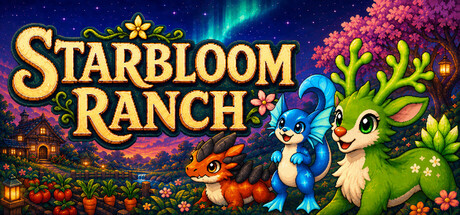 Starbloom Ranch In-game content art | Starbloom Ranch features artwork developed with generative AI. | Recoil Mojo | - | Sep 16, 2026 | |
 柴科夫派对 Store/marketing art | During development, generative AI was used to assist in creating selected game images and promotional artwork, including library images, the game logo, and capsule art. All AI-generated images were manually reviewed, edited, and unified in style by the development team. All in-game code, gameplay systems, audio, and text were created by hand. The game itself does not generate, display, or depend on any AI content at runtime. | Monster Reborn | - | Sep 16, 2026 | |
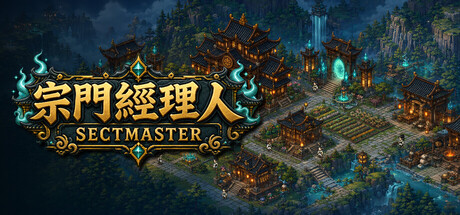 宗门经理人 - sect In-game content art | This game is handcrafted by indie developers. Generative tools were used only to support the creation of specific assets, while the final game reflects the developers’ own creative vision. | Tiec Games | - | Sep 16, 2026 | |
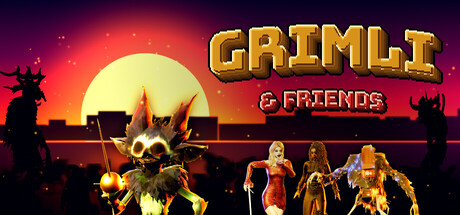 Grimli & Friends In-game content art | Meshy was used during production to assist in converting my hand-drawn character concepts into 3D avatars, which were then integrated, refined, and animated for the final game. | JoyMandate | - | Sep 16, 2026 | |
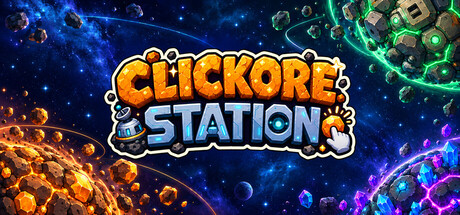 Clickore Station In-game content artaudio | Generative AI tools were used to create some of the game's visual assets and audio. | Ludikatt | - | Sep 16, 2026 | |
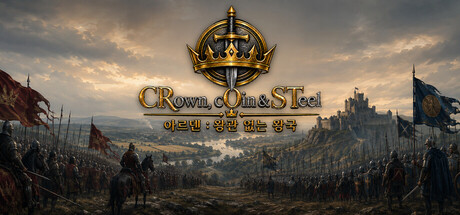 Crown, Coin & Steel In-game content art | Some 2D artwork in this game (store artwork and in-game character portraits) was drafted with generative AI tools, then curated and edited by the developers. No AI content is generated during gameplay. | IDB WORKS | - | Sep 16, 2026 | |
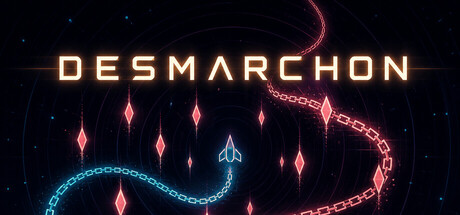 Desmarchon In-game content arttext | Desmarchon currently includes pre-generated AI images for the store page and achievement images, as well as AI-generated promotional artwork and icons, and some text. Everything has been reviewed by a human. | Wisern Games | - | Sep 16, 2026 | |
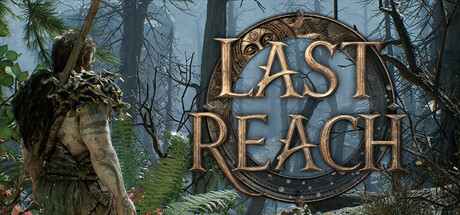 Last Reach Unclear artaudio | Some images and sounds were created with the help of AI. | Greengage Games | - | Sep 16, 2026 | |
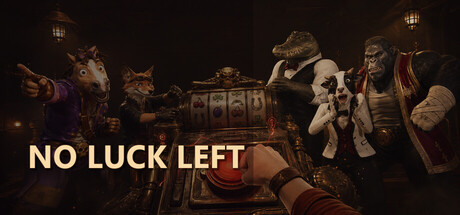 No Luck Left In-game content art | No Luck Left is developed by a solo developer. To help create the game's 3D character models within the scope of a one-person project, I used generative AI tools such as Meshy and TripoSR during development. The resulting pre-generated assets were selected, optimized and integrated into the game by me. No content is generated by AI during gameplay, and the game does not connect to an external AI service. | Jonas Funk | - | Sep 16, 2026 | |
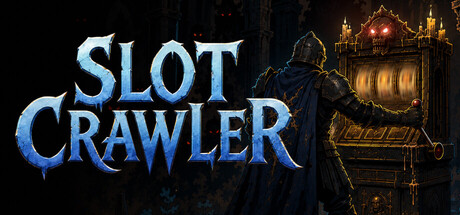 Slot Crawler Store/marketing art | AI tools were used during the development of Slot Crawler to assist in creating select visual assets and promotional materials. Every AI-assisted element was reviewed, refined, and integrated by the developer to ensure consistency with the game’s artistic direction and quality standards. | Disco Studio | - | Sep 16, 2026 | |
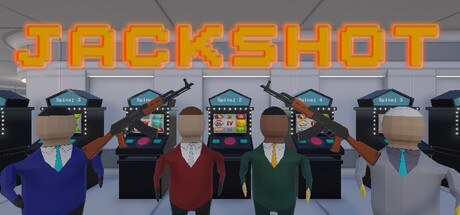 Jackshot In-game content art | AI was used ONLY in the creation of the UI images and menu backgrounds. All gameplay and other assets were NOT created using AI. | und3d | - | Sep 16, 2026 | |
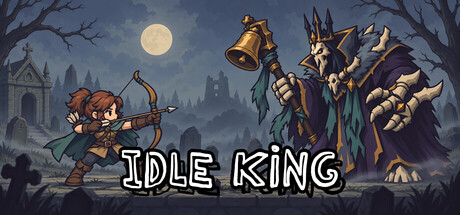 Idle King: Loot Together In-game content art | AI generates a few images and icons, reviewed manually. | PcZ Games | - | Sep 16, 2026 | |
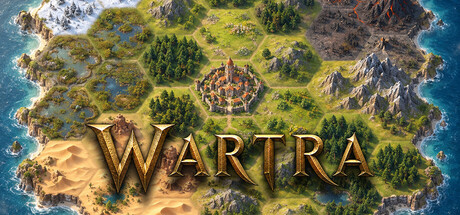 Wartra In-game content art | Some of the artworks in the game and on the steam product page are AI generated. | Jens P. Behrens | - | Sep 16, 2026 | |
 OUTPREFORM In-game content artaudiotext | Generative AI tools assisted development of the game’s geometric artwork, music compositions, in-game text, and store and marketing materials. These are prepared during development and included in the game or its promotional assets. Graphics are drawn and music is synthesized locally from fixed content definitions; the game does not generate content with AI during gameplay or connect to external AI services. | Closing Bell Games | - | Sep 16, 2026 | |
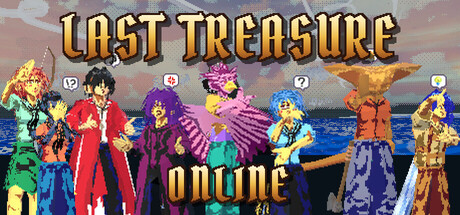 Last Treasure Online Live AI codetext | We build Last Treasure Online with AI tools. Much of the code is written with AI, including shaders, scripts that model props and furniture in Blender, and scripts that synthesize sound effects and ambience. Most text in the game is AI generated, but all names, personalities, schedules, stories, lore, knowledge, etc is strongly scaffolded and enforced by us as designers. In play, NPCs speak through an AI language model on our server in order to talk about hundreds of subjects in different ways depending on what they know about them, you, the world, etc.... The model only rewords lines and facts we wrote: it cannot invent places, items, prices or quests, and players never type text into it. No images, textures, 3D models, music or sounds come from diffusion image, 3D or audio models. Characters and clothing are hand-painted, and the world's textures are photographs. | dabsouljaboy | - | Sep 16, 2026 | |
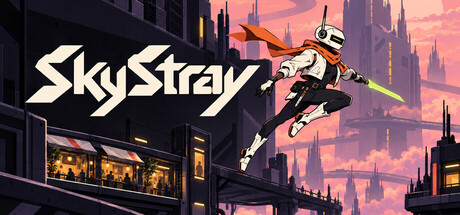 SkyStray In-game content artaudiotext | Generative AI is used during development to create artwork, animation, music, sound effects and some text, including store artwork and descriptions. Content is selected, edited and integrated before release. SkyStray does not generate AI content during gameplay or connect to external AI services while you play. | Sam Mayell | - | Sep 15, 2026 | |
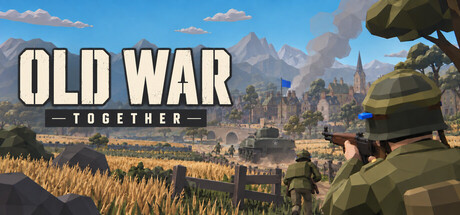 Old War Together Store/marketing art | It has been used in the page visuals. | cnsgames | - | Sep 15, 2026 | |
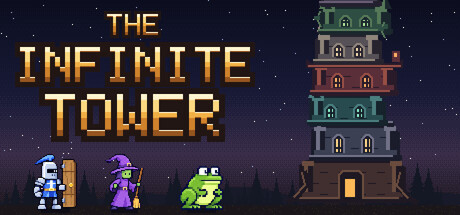 The Infinite Tower In-game content arttextaudio | AI tools were used during development to help create pre-generated content including pixel artwork, character and boss sprites, some written narrative and interface text, and original synthesized music and sound arrangements. These assets are included in the installed game. Gameplay does not generate content through an AI service at runtime. | Charlie Pilotti | - | Sep 15, 2026 | |
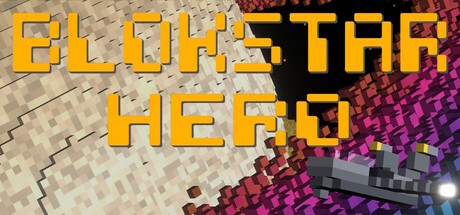 BLOKSTAR HERO Dev only code | This game has been created by a solo developer with 30 years of experience. It is not until now with the assistance of generative AI coding that I have been able to truly bring my visions to life in a timely manor. I hope you enjoy it. | The Shrike | - | Sep 15, 2026 |


