Public Steam disclosure research25,380 disclosures tracked
Where do games disclose AI use?
Search developers’ Steam disclosures, compare classified AI use across
games, and follow recorded changes.
This index adds cross-game classifications and statistics to
statements published on individual store pages.
Groups reflect automatic analysis of public disclosures; mature records are excluded. These counts do not measure AI use across all of Steam.
Missing or unclear statements cannot establish whether a game uses AI.
This game uses generative AI tools in parts of the development and content creation process. Generative AI was used for concept exploration, drafting some 2D image/audio assets, and organizing text ideas. Final in-game content is reviewed and edited by the development team to ensure quality and consistency before release. We comply with applicable laws and platform policies, and will continue to refine or replace relevant content when needed.
This game uses generative AI during development to assist with concept art,
texture drafts, store media preparation, and iteration of visual assets.
Final in-game assets are reviewed, edited, and integrated by the developer
before release. The game does not use generative AI to create live gameplay
content during play.
We utilize only Google AI Studio text-to-speech models during development to pre-generate voice acting files for regional localization. All generated audio files are post-processed, mixed, and hardcoded into the game build using standard engine tools before distribution. No assets infringe on existing copyrights.
Some temporary placeholder visuals currently used in the game were created with the help of AI-assisted image generation tools. These assets are only used during early development and will gradually be replaced with original or professionally refined artwork.
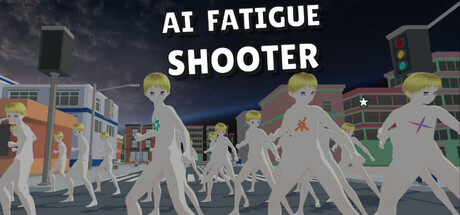
The game includes AI-driven enemy characters ("LLM zombies") that players can interact with through dialogue. These characters use a language model to generate responses dynamically during gameplay. The AI is used only to produce in-game dialogue and behavior for these enemies and does not generate user-uploaded content or external assets.
Dance Floor VR uses some pre-generated AI-assisted content for selected visual assets and music/audio elements. All such content was reviewed and integrated by the developer. The game does not generate AI content during gameplay and does not connect to external AI services.
AI is used on an ad hoc basis for: 3D model texturing, code assistance, and references for asset modeling. It does not affect gameplay or interactive content.
Generative AI tools were used to assist with store page text, translation drafts, and promotional copy. All final content was reviewed and edited by the developer.
Generative AI tools were used to assist with select visual artwork, specifically the game’s main marketing images/store page artwork and splash screen.
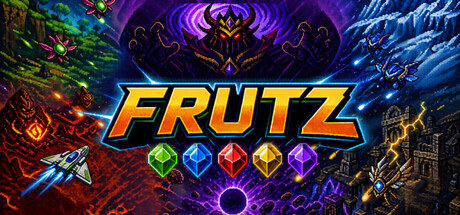
Frutz does not use live-generated AI content during gameplay.
Some visual assets used in the game and store page were created using a combination of licensed art assets, generative AI-assisted imagery, and manual editing by the developer.
All AI-assisted content was reviewed and modified before being included in the final project.
This game uses generative AI tools in limited ways to support development. Some music tracks were created using AI music generation tools, and certain marketing or store page visual assets were assisted by AI. All core gameplay and implementation were created by the developer.
Some visual assets and promotional materials for this game were created or assisted using generative AI tools. All content was reviewed, edited, and integrated by the developer.
Generative AI has been used during development to create certain concept art, promotional materials, visual mockups, and marketing assets. These assets are used for early-stage presentation and community engagement.
Gameplay systems, game design, programming, and final in-game content are developed and curated by the development team. No live-generated AI content is currently generated for players during gameplay.
Artificial intelligence (AI) was leveraged for key aspects of the game's development, including in-game logic, support systems, and certain artistic assets.
The Moment of Panic uses generative artificial intelligence during gameplay to power its AI advisor characters. These locally running, open-source LLM-based advisors respond to intelligence signals, argue from assigned personalities, and attempt to influence the player’s decisions. Core game logic, threat truth, scoring, win/loss conditions, and outcomes are controlled by the game itself, not by the language model. Generative AI is used for dynamic in-game text responses only, and for some images shown alongside that text. Images are not generated at runtime.
Generative AI was used to assist with the creation of some 3D models, music, sound effects, and certain visual assets used in the game and on the store page. Tools such as Meshy AI and Suno AI were used during asset creation. All final assets were reviewed, selected, and edited before being included in the final product.
The visual assets, audio, music, in-game text, and store page content of this game were created with the help of generative AI tools. All AI-generated content was reviewed, selected, and assembled by the developer. The game's design, code, and systems were created by the developer.
Generative AI tools were used during development for ideation, development assistance, and promotional exploration. All final gameplay systems, game logic, and in-game content were created and reviewed by the developer.
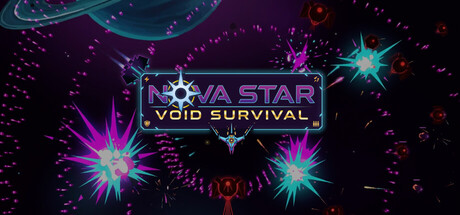
Some promotional artwork and store graphic backgrounds may include AI-assisted elements. The core gameplay, UI, ships, enemies, mechanics, systems and visual identity are created and edited by the developer using original game assets.
During the development process, procedural- and AI-based tools were used to assist with content creation. In all such cases, the final product reflects the creativity and expression of our own team.
We do not knowingly use any AI-generated content that infringes on existing copyrighted works.
Generative AI tools were used during parts of the game's development process for concept exploration, visual ideation, and promotional asset creation.
All gameplay systems, game design, programming, and final in-game content were reviewed, edited, and integrated by the development team.
All music was generated by AI.
Anything not covered up with an effect was touched up by AI. We created the original concepts in Piskel.
Ai assisted with some aspects of coding/refactoring/debugging.
The image in our store media, with the 3 ships, was generated using AI based on our in-game enemy ships and the players "elite" ship. Everything else was created using Canva.
FLATLINE utilizes advanced generative AI technologies to enhance both the visual and interactive experience:
Visual Assets (Pre-generated): To achieve the unique aesthetic of "clean decay" and the massive brutalist landscapes of London 2036, we employed AI-rendering tools (Nanobanana and Veo). All images and video sequences were pre-generated and underwent meticulous manual post-processing to align with the project’s artistic vision.
Interactivity (Live-generated): The episode’s climax features a live dialogue with the system "Anomaly." This character’s responses are generated in real-time using the GPT-4 model, allowing each player to find their own unique arguments in the final confrontation with the network.
We use AI as a force-multiplier for a solo creator, enabling the realization of a world that would otherwise be impossible to build at this scale using traditional methods
This game uses AI tools during development to assist with the creation of certain 3D models and prototyping. All gameplay design, final programming, balancing, creative direction, and system integration were carried out by the developer.
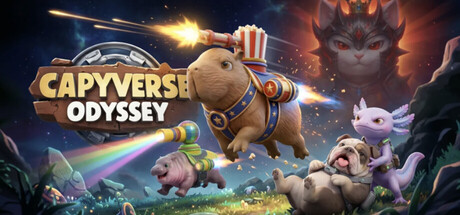
Some artwork in Capyverse Odyssey was created with assistance from generative AI tools and further refined, polished, and modified by the studio’s artists and development team. Final gameplay systems, design, programming, and core game content are developed by Metazooie Studios.
Some of the music in BomBom Saga is AI-Assisted. This means that the original composition — the soul of the track, the rhythm, lyrics, and beatbox — was 100% created by me.After creation, I used an AI music editing tool (fully licensed for commercial use) strictly to polish, enhance, and refine the instruments. The AI acted merely as a finalization tool, not a creator. No purely AI-generated content is present in the game. Furthermore, I conducted exhaustive copyright checks over several days to guarantee that all tracks are completely safe and free of any infringements.
This game uses generative AI tools in parts of the development and content creation process. Generative AI was used for concept exploration, drafting some 2D image/audio assets, and organizing text ideas. Final in-game content is reviewed and edited by the development team to ensure quality and consistency before release. We comply with applicable laws and platform policies, and will continue to refine or replace relevant content when needed.
This game uses generative AI during development to assist with concept art,
texture drafts, store media preparation, and iteration of visual assets.
Final in-game assets are reviewed, edited, and integrated by the developer
before release. The game does not use generative AI to create live gameplay
content during play.
We utilize only Google AI Studio text-to-speech models during development to pre-generate voice acting files for regional localization. All generated audio files are post-processed, mixed, and hardcoded into the game build using standard engine tools before distribution. No assets infringe on existing copyrights.
Some temporary placeholder visuals currently used in the game were created with the help of AI-assisted image generation tools. These assets are only used during early development and will gradually be replaced with original or professionally refined artwork.
The game includes AI-driven enemy characters ("LLM zombies") that players can interact with through dialogue. These characters use a language model to generate responses dynamically during gameplay. The AI is used only to produce in-game dialogue and behavior for these enemies and does not generate user-uploaded content or external assets.
Dance Floor VR uses some pre-generated AI-assisted content for selected visual assets and music/audio elements. All such content was reviewed and integrated by the developer. The game does not generate AI content during gameplay and does not connect to external AI services.
AI is used on an ad hoc basis for: 3D model texturing, code assistance, and references for asset modeling. It does not affect gameplay or interactive content.
Generative AI tools were used to assist with store page text, translation drafts, and promotional copy. All final content was reviewed and edited by the developer.
Generative AI tools were used to assist with select visual artwork, specifically the game’s main marketing images/store page artwork and splash screen.
Frutz does not use live-generated AI content during gameplay.
Some visual assets used in the game and store page were created using a combination of licensed art assets, generative AI-assisted imagery, and manual editing by the developer.
All AI-assisted content was reviewed and modified before being included in the final project.
This game uses generative AI tools in limited ways to support development. Some music tracks were created using AI music generation tools, and certain marketing or store page visual assets were assisted by AI. All core gameplay and implementation were created by the developer.
Some visual assets and promotional materials for this game were created or assisted using generative AI tools. All content was reviewed, edited, and integrated by the developer.
Generative AI has been used during development to create certain concept art, promotional materials, visual mockups, and marketing assets. These assets are used for early-stage presentation and community engagement.
Gameplay systems, game design, programming, and final in-game content are developed and curated by the development team. No live-generated AI content is currently generated for players during gameplay.
Artificial intelligence (AI) was leveraged for key aspects of the game's development, including in-game logic, support systems, and certain artistic assets.
The Moment of Panic uses generative artificial intelligence during gameplay to power its AI advisor characters. These locally running, open-source LLM-based advisors respond to intelligence signals, argue from assigned personalities, and attempt to influence the player’s decisions. Core game logic, threat truth, scoring, win/loss conditions, and outcomes are controlled by the game itself, not by the language model. Generative AI is used for dynamic in-game text responses only, and for some images shown alongside that text. Images are not generated at runtime.
Generative AI was used to assist with the creation of some 3D models, music, sound effects, and certain visual assets used in the game and on the store page. Tools such as Meshy AI and Suno AI were used during asset creation. All final assets were reviewed, selected, and edited before being included in the final product.
The visual assets, audio, music, in-game text, and store page content of this game were created with the help of generative AI tools. All AI-generated content was reviewed, selected, and assembled by the developer. The game's design, code, and systems were created by the developer.
Generative AI tools were used during development for ideation, development assistance, and promotional exploration. All final gameplay systems, game logic, and in-game content were created and reviewed by the developer.
Some promotional artwork and store graphic backgrounds may include AI-assisted elements. The core gameplay, UI, ships, enemies, mechanics, systems and visual identity are created and edited by the developer using original game assets.
During the development process, procedural- and AI-based tools were used to assist with content creation. In all such cases, the final product reflects the creativity and expression of our own team.
We do not knowingly use any AI-generated content that infringes on existing copyrighted works.
Generative AI tools were used during parts of the game's development process for concept exploration, visual ideation, and promotional asset creation.
All gameplay systems, game design, programming, and final in-game content were reviewed, edited, and integrated by the development team.
All music was generated by AI.
Anything not covered up with an effect was touched up by AI. We created the original concepts in Piskel.
Ai assisted with some aspects of coding/refactoring/debugging.
The image in our store media, with the 3 ships, was generated using AI based on our in-game enemy ships and the players "elite" ship. Everything else was created using Canva.
FLATLINE utilizes advanced generative AI technologies to enhance both the visual and interactive experience:
Visual Assets (Pre-generated): To achieve the unique aesthetic of "clean decay" and the massive brutalist landscapes of London 2036, we employed AI-rendering tools (Nanobanana and Veo). All images and video sequences were pre-generated and underwent meticulous manual post-processing to align with the project’s artistic vision.
Interactivity (Live-generated): The episode’s climax features a live dialogue with the system "Anomaly." This character’s responses are generated in real-time using the GPT-4 model, allowing each player to find their own unique arguments in the final confrontation with the network.
We use AI as a force-multiplier for a solo creator, enabling the realization of a world that would otherwise be impossible to build at this scale using traditional methods
This game uses AI tools during development to assist with the creation of certain 3D models and prototyping. All gameplay design, final programming, balancing, creative direction, and system integration were carried out by the developer.
Some artwork in Capyverse Odyssey was created with assistance from generative AI tools and further refined, polished, and modified by the studio’s artists and development team. Final gameplay systems, design, programming, and core game content are developed by Metazooie Studios.
Some of the music in BomBom Saga is AI-Assisted. This means that the original composition — the soul of the track, the rhythm, lyrics, and beatbox — was 100% created by me.After creation, I used an AI music editing tool (fully licensed for commercial use) strictly to polish, enhance, and refine the instruments. The AI acted merely as a finalization tool, not a creator. No purely AI-generated content is present in the game. Furthermore, I conducted exhaustive copyright checks over several days to guarantee that all tracks are completely safe and free of any infringements.