Public Steam disclosure research25,380 disclosures tracked
Where do games disclose AI use?
Search developers’ Steam disclosures, compare classified AI use across
games, and follow recorded changes.
This index adds cross-game classifications and statistics to
statements published on individual store pages.
Groups reflect automatic analysis of public disclosures; mature records are excluded. These counts do not measure AI use across all of Steam.
Missing or unclear statements cannot establish whether a game uses AI.
This game uses AI-assisted tools in the development of certain in-game visuals
and assets. Additionally, AI tools were used to assist in the localization and
translation of in-game text content. All AI-generated content has been reviewed
and edited by the development team. No AI is used to generate content during
gameplay, and the game does not connect to any external AI services at runtime.
Generative artificial intelligence tools were used during development to help create certain visual elements (sprites) and to assist with generating portions of code. No content is generated in real time during gameplay.
Pre-generated generative AI was used to create portions of the game's Steam store marketing artwork, including key art and derived capsule and library images. The released game does not generate AI content at runtime, and players do not directly interact with generative AI.
Most of battle sounds come are authored but some voiceover is AI. I will provide option to disable all AI voices.
If game budged grows i will reinvest it to get it replaced and sounds recorded by actual people.
Generative AI tools were used during development to assist with creating and iterating some pre-generated visual assets, UI icons, concept art, text drafts, and development/code prototypes.
All AI-assisted content was reviewed, edited, and selected by the developer before being included in the game.
The game does not use live generative AI during gameplay, does not generate new content for players in real time, and does not send player input or personal data to any AI service.
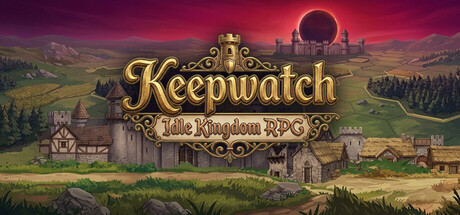
Some assets in Keepwatch were created with the assistance of generative AI
tools. This includes portions of the icon set, UI elements, a number of sound
effects, and some character animations.
All AI-assisted output is reviewed, edited and integrated by hand to match the
game's hand-painted art direction, and none of it ships in the state it was
generated in.
Game code, systems design, economy balance and all written content are
authored entirely by hand.
Keepwatch does not use any AI systems at runtime. Nothing is generated on the
player's machine while the game is running.
Character portraits and environment artwork were generated using AI tools and reviewed, curated, and refined by the developer for final use. Narrator voice acting was generated using AI voice synthesis, directed and selected by the developer.
This game is currently in pre-alpha, and its visual assets are still evolving.
Generative AI has been used as part of the asset creation process to help achieve more detailed and varied visuals than a purely simplistic low-poly approach. AI-generated elements are extensively iterated, customized, and integrated specifically for this game under direct developer oversight.
The current assets should not be considered final. As development progresses, we plan to replace and improve them with better versions as the game's visual direction and production evolve.
The images currently used on the Steam store page, including the capsule art, were generated using AI. All of these images will be replaced with final, original artwork when the game demo is released.
No AI-generated assets are used in the game itself.
Setlist Shuffle ships two categories of pre-generated, player-facing AI content. They are the card illustrations and the genre music tracks.
Both sets were reviewed and hand-selected before release and ship as fixed assets. No content is generated live during play, and the game contains no AI-driven chat or dialogue.
Everything else is not AI-generated: the achievement icons are hand-drawn vectors, and all game text, design and simulation logic are the developer's own.
The game's visual assets (team crests, logos, player sprites, play cards and UI icons), in-game writing (the manual, tips, and team and town descriptions) and music (16 tracks generated with Suno under a paid commercial license) were created with the assistance of AI tools during development, under the direction of a single human designer who authored the game's design, systems and football logic. No content is generated while the game is running.
I’m developing this game alongside my job and family life. So yes, I’ve used AI: without these tools, I probably would never have been able to bring a project of this scale to completion.
I remain the creative lead, the developer, and the person making all the decisions about the game. I see AI as an employee or assistant that helps me on a daily basis: it allows me to work faster, solve certain problems, and accomplish things that would otherwise have taken much more time.
Try the demo and make up your own mind: it’s up to you to decide whether it affects your enjoyment of the game in any way.
Ai-assisted tools were used during development for programming support. Some visuals and audio were created through developer-directed, deterministic code and exported as fixed assets—not generated by image, video, or audio models. Screenshots and trailers show actual gameplay footage.
Some of the game's artwork — environments, ships, collectible objects — was created with the help of generative AI tools, then reworked, cropped and integrated by hand by the developer.
Pre-generated AI tools were used to create some artwork, including store promotional art and in-game character portraits, and some music and audio assets. These assets are prepared before play. Pocket Dynasty does not use generative AI services to create content during gameplay; its football simulation and computer-controlled teams use programmed game systems.
Pre-generated AI-assisted artwork is used for selected character portraits, property and location imagery, career and education illustrations, and promotional materials. All such content is reviewed and curated by the developer before inclusion. The game does not generate AI content during gameplay.
Some visual assets and 3D assets used in this game were created with the assistance of generative AI. The generated assets were edited and adjusted by the developer as needed before being incorporated into the game. No content is generated by AI in real time during gameplay.
Parts of the content shipped with this game were made with generative AI tools and then reviewed and edited by us before release: illustrations and background artwork, sound effects, organ cues and the menu music track, the spoken goal and penalty announcements in all seven interface languages, and parts of the in-game text and its translations. The same applies to our store artwork and to the trailers, which use pre-generated AI music and narration. All of it is produced before release. No generative AI runs while you play: the game creates no content or code at runtime and connects to no external AI service. Newspaper reports are assembled from prepared text and the events of your own career.
We used AI as a “support tool” in the creation of in-store visuals and certain in-game UI elements. We use AI solely as a support tool. We never leave the entire process to AI for any task.
Some of the artwork and images in this game were created using generative AI. AI was used as a tool during development to create visual assets used in the game and its store presentation.
Generative AI tools (such as Gemini) were used during development to assist in creating graphic design elements for in-game parody VHS cover art and store page graphic assets. All AI-generated artwork was manually curated, edited, and formatted into final 3D texture maps for the game's assets.
Generative AI tools were used to assist with English localization and early drafts of in-game letter content. All AI-assisted text was reviewed and edited by the developer. No AI-generated images or audio are included.
Generative AI was used to create some pre-generated audio assets, primarily background and menu music. These audio files were created during development and are included as static game assets.
This game's text localization into multiple languages was assisted by AI translation tools. Three background music tracks, licensed from Pixabay, were AI-created or AI-modified by their original creators. All other artwork, audio, and game assets are human-made or sourced from licensed marketplaces — no other AI-generated content is used.
AI was used for some translations, music, and visual assets. The game does not create AI-generated content during gameplay, and AI was not used to write the game’s code.
Some of this game's assets and content were created with the help of generative AI tools during development. This includes certain graphical assets (such as store and marketing art and athlete portraits) and was also used to help generate and populate in-game content such as races, athletes and equipment. All AI-assisted content is created during development, reviewed and curated by the developer, and ships as fixed, pre-made content — the game does not generate any content with AI in real time, and does not connect to any AI service during play.
Generative AI tools were used during development to assist with portions of the game’s code and the creation or refinement of certain visual and marketing assets. All AI-assisted material was reviewed, edited, and integrated by the developer. The game does not generate AI content during gameplay.
AI tools were used during development to create pre-generated content. The game's text was translated from English into 16 additional languages using AI translation with automated consistency review. Game artwork and the soundtrack were created by the developer using generative AI tools; every asset was individually reviewed and curated before inclusion. Store page assets (screenshots, trailer, capsule art) depict or derive from this same game content. The game contains no live/runtime AI generation — all content is fixed at build time, and the game runs fully offline.
Blitz Jong uses generative AI for part of its art and audio: the selectable player avatars, the home screen key art, the background music, animations, and some of the optional voice packs for call announcements.
Some graphics, illustrations, and text used in the game were pre-generated with the help of generative AI during development and were subsequently reviewed, selected, and edited by the developer. No content is generated by AI during gameplay.
Generative AI tools were used during the development of MINTHAVEN to assist with creating and iterating visual assets, including concept art and card artwork. AI-generated content is reviewed, edited, and integrated by the development team. No generative AI content is created in real time during gameplay.
All final visuals of the game are created and finalized by our art team. AI-assisted tools are used only during the early concept and ideation stages. All visual assets in the final version are manually created, refined, and finalized by our artists.
Generative AI tools were used during development: to assist with writing the game code, to draft in-game and store text, and to produce store graphics (capsules, icons). The simulation itself runs on deterministic algorithms; no content is generated by AI at runtime.
Some visual assets in the game were created with the assistance of generative AI tools. All gameplay systems, mechanics, and interactive content were developed by the team.
Generative AI is utilized as support in the game's development, employed for concept creation, texture upscaling, and the design of icons and visual elements.
This game uses AI-assisted tools in the development of certain in-game visuals
and assets. Additionally, AI tools were used to assist in the localization and
translation of in-game text content. All AI-generated content has been reviewed
and edited by the development team. No AI is used to generate content during
gameplay, and the game does not connect to any external AI services at runtime.
Generative artificial intelligence tools were used during development to help create certain visual elements (sprites) and to assist with generating portions of code. No content is generated in real time during gameplay.
Pre-generated generative AI was used to create portions of the game's Steam store marketing artwork, including key art and derived capsule and library images. The released game does not generate AI content at runtime, and players do not directly interact with generative AI.
Most of battle sounds come are authored but some voiceover is AI. I will provide option to disable all AI voices.
If game budged grows i will reinvest it to get it replaced and sounds recorded by actual people.
Generative AI tools were used during development to assist with creating and iterating some pre-generated visual assets, UI icons, concept art, text drafts, and development/code prototypes.
All AI-assisted content was reviewed, edited, and selected by the developer before being included in the game.
The game does not use live generative AI during gameplay, does not generate new content for players in real time, and does not send player input or personal data to any AI service.
Some assets in Keepwatch were created with the assistance of generative AI
tools. This includes portions of the icon set, UI elements, a number of sound
effects, and some character animations.
All AI-assisted output is reviewed, edited and integrated by hand to match the
game's hand-painted art direction, and none of it ships in the state it was
generated in.
Game code, systems design, economy balance and all written content are
authored entirely by hand.
Keepwatch does not use any AI systems at runtime. Nothing is generated on the
player's machine while the game is running.
Character portraits and environment artwork were generated using AI tools and reviewed, curated, and refined by the developer for final use. Narrator voice acting was generated using AI voice synthesis, directed and selected by the developer.
This game is currently in pre-alpha, and its visual assets are still evolving.
Generative AI has been used as part of the asset creation process to help achieve more detailed and varied visuals than a purely simplistic low-poly approach. AI-generated elements are extensively iterated, customized, and integrated specifically for this game under direct developer oversight.
The current assets should not be considered final. As development progresses, we plan to replace and improve them with better versions as the game's visual direction and production evolve.
The images currently used on the Steam store page, including the capsule art, were generated using AI. All of these images will be replaced with final, original artwork when the game demo is released.
No AI-generated assets are used in the game itself.
Setlist Shuffle ships two categories of pre-generated, player-facing AI content. They are the card illustrations and the genre music tracks.
Both sets were reviewed and hand-selected before release and ship as fixed assets. No content is generated live during play, and the game contains no AI-driven chat or dialogue.
Everything else is not AI-generated: the achievement icons are hand-drawn vectors, and all game text, design and simulation logic are the developer's own.
The game's visual assets (team crests, logos, player sprites, play cards and UI icons), in-game writing (the manual, tips, and team and town descriptions) and music (16 tracks generated with Suno under a paid commercial license) were created with the assistance of AI tools during development, under the direction of a single human designer who authored the game's design, systems and football logic. No content is generated while the game is running.
I’m developing this game alongside my job and family life. So yes, I’ve used AI: without these tools, I probably would never have been able to bring a project of this scale to completion.
I remain the creative lead, the developer, and the person making all the decisions about the game. I see AI as an employee or assistant that helps me on a daily basis: it allows me to work faster, solve certain problems, and accomplish things that would otherwise have taken much more time.
Try the demo and make up your own mind: it’s up to you to decide whether it affects your enjoyment of the game in any way.
Ai-assisted tools were used during development for programming support. Some visuals and audio were created through developer-directed, deterministic code and exported as fixed assets—not generated by image, video, or audio models. Screenshots and trailers show actual gameplay footage.
Some of the game's artwork — environments, ships, collectible objects — was created with the help of generative AI tools, then reworked, cropped and integrated by hand by the developer.
Pre-generated AI tools were used to create some artwork, including store promotional art and in-game character portraits, and some music and audio assets. These assets are prepared before play. Pocket Dynasty does not use generative AI services to create content during gameplay; its football simulation and computer-controlled teams use programmed game systems.
Pre-generated AI-assisted artwork is used for selected character portraits, property and location imagery, career and education illustrations, and promotional materials. All such content is reviewed and curated by the developer before inclusion. The game does not generate AI content during gameplay.
Some visual assets and 3D assets used in this game were created with the assistance of generative AI. The generated assets were edited and adjusted by the developer as needed before being incorporated into the game. No content is generated by AI in real time during gameplay.
Parts of the content shipped with this game were made with generative AI tools and then reviewed and edited by us before release: illustrations and background artwork, sound effects, organ cues and the menu music track, the spoken goal and penalty announcements in all seven interface languages, and parts of the in-game text and its translations. The same applies to our store artwork and to the trailers, which use pre-generated AI music and narration. All of it is produced before release. No generative AI runs while you play: the game creates no content or code at runtime and connects to no external AI service. Newspaper reports are assembled from prepared text and the events of your own career.
We used AI as a “support tool” in the creation of in-store visuals and certain in-game UI elements. We use AI solely as a support tool. We never leave the entire process to AI for any task.
Some of the artwork and images in this game were created using generative AI. AI was used as a tool during development to create visual assets used in the game and its store presentation.
Generative AI tools (such as Gemini) were used during development to assist in creating graphic design elements for in-game parody VHS cover art and store page graphic assets. All AI-generated artwork was manually curated, edited, and formatted into final 3D texture maps for the game's assets.
Generative AI tools were used to assist with English localization and early drafts of in-game letter content. All AI-assisted text was reviewed and edited by the developer. No AI-generated images or audio are included.
Generative AI was used to create some pre-generated audio assets, primarily background and menu music. These audio files were created during development and are included as static game assets.
This game's text localization into multiple languages was assisted by AI translation tools. Three background music tracks, licensed from Pixabay, were AI-created or AI-modified by their original creators. All other artwork, audio, and game assets are human-made or sourced from licensed marketplaces — no other AI-generated content is used.
AI was used for some translations, music, and visual assets. The game does not create AI-generated content during gameplay, and AI was not used to write the game’s code.
Some of this game's assets and content were created with the help of generative AI tools during development. This includes certain graphical assets (such as store and marketing art and athlete portraits) and was also used to help generate and populate in-game content such as races, athletes and equipment. All AI-assisted content is created during development, reviewed and curated by the developer, and ships as fixed, pre-made content — the game does not generate any content with AI in real time, and does not connect to any AI service during play.
Generative AI tools were used during development to assist with portions of the game’s code and the creation or refinement of certain visual and marketing assets. All AI-assisted material was reviewed, edited, and integrated by the developer. The game does not generate AI content during gameplay.
AI tools were used during development to create pre-generated content. The game's text was translated from English into 16 additional languages using AI translation with automated consistency review. Game artwork and the soundtrack were created by the developer using generative AI tools; every asset was individually reviewed and curated before inclusion. Store page assets (screenshots, trailer, capsule art) depict or derive from this same game content. The game contains no live/runtime AI generation — all content is fixed at build time, and the game runs fully offline.
Blitz Jong uses generative AI for part of its art and audio: the selectable player avatars, the home screen key art, the background music, animations, and some of the optional voice packs for call announcements.
Some graphics, illustrations, and text used in the game were pre-generated with the help of generative AI during development and were subsequently reviewed, selected, and edited by the developer. No content is generated by AI during gameplay.
Generative AI tools were used during the development of MINTHAVEN to assist with creating and iterating visual assets, including concept art and card artwork. AI-generated content is reviewed, edited, and integrated by the development team. No generative AI content is created in real time during gameplay.
All final visuals of the game are created and finalized by our art team. AI-assisted tools are used only during the early concept and ideation stages. All visual assets in the final version are manually created, refined, and finalized by our artists.
Generative AI tools were used during development: to assist with writing the game code, to draft in-game and store text, and to produce store graphics (capsules, icons). The simulation itself runs on deterministic algorithms; no content is generated by AI at runtime.
Some visual assets in the game were created with the assistance of generative AI tools. All gameplay systems, mechanics, and interactive content were developed by the team.
Generative AI is utilized as support in the game's development, employed for concept creation, texture upscaling, and the design of icons and visual elements.