Public Steam disclosure research25,394 disclosures tracked
Where do games disclose AI use?
Search developers’ Steam disclosures, compare classified AI use across
games, and follow recorded changes.
This index adds cross-game classifications and statistics to
statements published on individual store pages.
Groups reflect automatic analysis of public disclosures; mature records are excluded. These counts do not measure AI use across all of Steam.
Missing or unclear statements cannot establish whether a game uses AI.
Generative AI tools were used during development to create some of the game’s 3D models, artwork, and audio, as well as promotional artwork. This content is pre-generated and integrated into the game or its marketing materials. The game does not generate AI content during gameplay.
Generative AI tools were used during development to assist in creating certain pre-generated visual assets, music/audio, and localization content. All such content is fixed in the shipped game and reviewed by the developer. No AI-generated content is created during gameplay.
Some of the in-game text and the store page text were written with the help of AI tools and edited by the developer. All artwork and sound are drawn and synthesized by the game's own code; no image, audio or video generators were used. Nothing is generated by AI while you play.
Skate N Chill uses pre-generated AI artwork and instrumental music created with Suno. AI-generated artwork is also used in store and promotional materials. These assets are prepared before release; no AI content is generated during gameplay.
We use generative AI across all disciplines of game development, most often with heavy amounts of human editing. That involves audio and visual art, 3D models, our logo, and localization. We use it as a productivity tool so we can achieve a higher level of quality, faster, than we would have been able to.
This was created by a developer who used AI to assist with concept images, 3D model creation, and assets. Each piece was meticulously placed by an actual person. We're comedians, not professional artists.
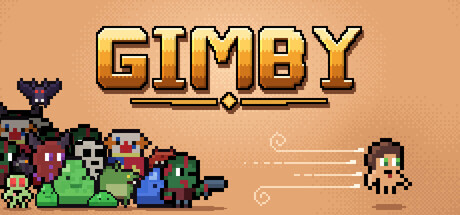
AI tools were used to help write the game's code and make some placeholder sprites and text. All placeholder art/text is being removed by me, and i'm getting help with the removal/cleanup of AI code.
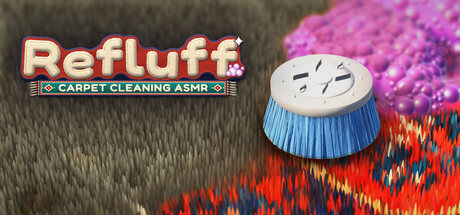
Some 3D models in this game - the cleaning tool heads - were created with an AI 3D model generation tool and then edited by hand. Everything else was made without generative AI: the simulation and code, the sound effects (real recordings), the carpet photographs and all store page artwork. No content is generated by AI while you play.
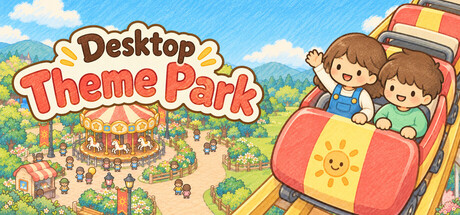
We used AI tools to help create artwork, music, and text, including translations. We selected and refined the visuals to fit Desktop Theme Park’s cartoon style.
Generative AI was used for reference images for some 3D models, materials and images, and store artwork. Certain portions of tooling workflows for asset creation are driven by AI agents. AI was also used to assist with written text and translations. All AI-assisted content, including AI-generated translations, was reviewed, edited, and approved by the development team before being included in the final game. No content is generated by AI during gameplay.
An AI coding assistant (Claude, Anthropic) was used under the developer's direction to help write the game's code, some in-game text and the note tables of its music, which is then rendered by our own synthesis code and a licensed instrument sample library. No audio-generation, image-generation or voice models were used: no AI-generated artwork, 3D models, voice or sound recordings ship in the game, on the store page or in marketing materials. Every shipped track is logged in a provenance ledger and checked against YouTube Content ID
Some environment, item, interface, and branding artwork was created with assistance from generative AI and then selected, edited, and integrated by the developer. AI tools also assisted with drafting or translating some text and localization, which were reviewed by the developer. The game does not use live-generated AI content during gameplay.
Decorative artwork and background shop-window textures in the game, as well as Steam store capsule artwork, library artwork, logos and icons, were generated with AI before release. No AI content is generated during gameplay.
The music and some of the images were created using artificial intelligence. Localization into some languages was performed using artificial intelligence.
The in-game text translations (26 languages), as well as this store page's texts and their translations, were prepared with the help of generative AI tools. No AI-generated content is produced while you play.
Parts of the artwork and audio in Shred Inc. — including textures, images and sound effects — were created using generative AI tools and then reviewed and edited by hand. The same applies to some of the store page and marketing material. No content is generated by AI during gameplay, and the game does not connect to any external AI service.
From the moment I understood the weakness of my flesh, it disgusted me. I craved the strength and certainty of steel. I aspired to the purity of the blessed machine. Your kind cling to your flesh as if it will not decay and fail you. One day, the crude biomass you call a temple will wither, and you will beg my kind to save you. But I am already saved. For the Machine is Immortal.
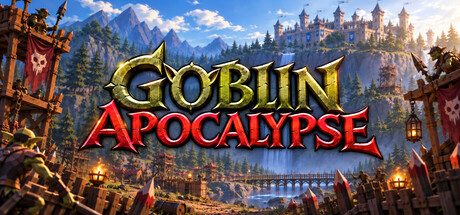
AI is used to assist with the localization and translation of the game's store page and in game text. It is also used to assist with some simple voice interactions, such as goblin growls and battle cries, as well as basic texture adjustments that fit the game's low poly visual style.
Generative AI helped create some artwork, UI icons, audio assets and store graphics during development. Store graphics use our original cat designs as references. No content is generated during play, and the game does not connect to an AI service.
The original story was written by a human author. AI was used to write AI speech in the game. It was also used in localization as a supportive tool. We gladly work with the community to bring the game to more languages.
This game used AI to make it possible to be developed by one person in reasonable time, with the hope that more people will join later to replace the AI part.
We use AI tools to help with localization and to rework or resize some visual assets. Our team carefully reviews and refines the results before they make it into the game. It’s still the same team behind our games for the past 15 years, making the creative decisions and taking care of the details.
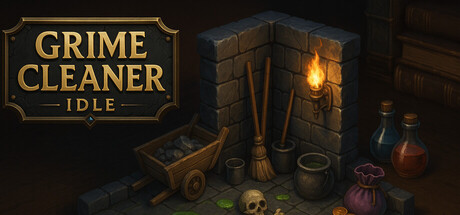
Grime Cleaner Idle is made by one person, and I used AI tools to help with parts of it. The store cover art, the game icons and some of the debris art started as AI-generated images that I picked out and edited by hand to fit the game. The translations were also drafted with AI and then checked to make sure they work in the game. Nothing in the game is generated by AI while you play. Everything you see ships with the game.
Some character portraits, club scene illustrations, and store artwork were created with generative AI and selected or edited for Matchday. The game does not generate content during play.
Generative AI was used as a development aid, for example for ideas, text, code assistance, and visual drafts. The game was reviewed, adjusted, and finalized by the developer.
AI was used during the development of the game mainly for code optimization and improvements. To a limited extent, AI was also used to create some graphics and to improve the appearance of a small number of interface elements.
This game utilizes generative AI tools to assist in creating certain in-game assets. Specifically, AI was used to generate initial drafts for box trademark textures, warehouse prop assets, and some UI resources. All generated assets were manually reviewed and modified by our development team to ensure they do not infringe upon any third-party copyrights before being implemented into the final game
Generative AI was used during development to create artwork, music and sound assets, including artwork used on the store page. AI also assisted with story development, alongside substantial writing and editing by the developer. All of this content was created before release. The game does not generate AI content or connect to AI services during play.
Store page and marketing: the main capsule art was composed and rendered by the developer from in-game models, with generative AI used to repaint parts of the background (landscape, sky and lighting), then corrected by hand. Some promotional videos use an AI-generated voiceover.
InteractiVR uses generative AI during play. The interviewer characters are driven by a large language model that generates their questions, follow up questions and responses live, in response to what the player says and to the job role and experience level the player selects. Player speech is transcribed by automatic speech recognition, and interviewer dialogue is spoken using synthesized voice. The written performance report at the end of a session is also AI generated.
The AI is constrained by a system prompt scoped to job interview conversation and to evaluating answers against the STAR method. It does not depict or impersonate real people. Interviewer characters are fictional.
The AI evaluates the structure and completeness of a player's answers against the STAR method. It is a practice and training tool and does not make hiring decisions.
For languages other than Simplified Chinese, this game uses AI-assisted translation (including this notice). We will continue to improve translation quality.
Generative AI tools were used during development to create some of the game’s 3D models, artwork, and audio, as well as promotional artwork. This content is pre-generated and integrated into the game or its marketing materials. The game does not generate AI content during gameplay.
Generative AI tools were used during development to assist in creating certain pre-generated visual assets, music/audio, and localization content. All such content is fixed in the shipped game and reviewed by the developer. No AI-generated content is created during gameplay.
Some of the in-game text and the store page text were written with the help of AI tools and edited by the developer. All artwork and sound are drawn and synthesized by the game's own code; no image, audio or video generators were used. Nothing is generated by AI while you play.
Skate N Chill uses pre-generated AI artwork and instrumental music created with Suno. AI-generated artwork is also used in store and promotional materials. These assets are prepared before release; no AI content is generated during gameplay.
We use generative AI across all disciplines of game development, most often with heavy amounts of human editing. That involves audio and visual art, 3D models, our logo, and localization. We use it as a productivity tool so we can achieve a higher level of quality, faster, than we would have been able to.
This was created by a developer who used AI to assist with concept images, 3D model creation, and assets. Each piece was meticulously placed by an actual person. We're comedians, not professional artists.
AI tools were used to help write the game's code and make some placeholder sprites and text. All placeholder art/text is being removed by me, and i'm getting help with the removal/cleanup of AI code.
Some 3D models in this game - the cleaning tool heads - were created with an AI 3D model generation tool and then edited by hand. Everything else was made without generative AI: the simulation and code, the sound effects (real recordings), the carpet photographs and all store page artwork. No content is generated by AI while you play.
We used AI tools to help create artwork, music, and text, including translations. We selected and refined the visuals to fit Desktop Theme Park’s cartoon style.
Generative AI was used for reference images for some 3D models, materials and images, and store artwork. Certain portions of tooling workflows for asset creation are driven by AI agents. AI was also used to assist with written text and translations. All AI-assisted content, including AI-generated translations, was reviewed, edited, and approved by the development team before being included in the final game. No content is generated by AI during gameplay.
An AI coding assistant (Claude, Anthropic) was used under the developer's direction to help write the game's code, some in-game text and the note tables of its music, which is then rendered by our own synthesis code and a licensed instrument sample library. No audio-generation, image-generation or voice models were used: no AI-generated artwork, 3D models, voice or sound recordings ship in the game, on the store page or in marketing materials. Every shipped track is logged in a provenance ledger and checked against YouTube Content ID
Some environment, item, interface, and branding artwork was created with assistance from generative AI and then selected, edited, and integrated by the developer. AI tools also assisted with drafting or translating some text and localization, which were reviewed by the developer. The game does not use live-generated AI content during gameplay.
Decorative artwork and background shop-window textures in the game, as well as Steam store capsule artwork, library artwork, logos and icons, were generated with AI before release. No AI content is generated during gameplay.
The music and some of the images were created using artificial intelligence. Localization into some languages was performed using artificial intelligence.
The in-game text translations (26 languages), as well as this store page's texts and their translations, were prepared with the help of generative AI tools. No AI-generated content is produced while you play.
Parts of the artwork and audio in Shred Inc. — including textures, images and sound effects — were created using generative AI tools and then reviewed and edited by hand. The same applies to some of the store page and marketing material. No content is generated by AI during gameplay, and the game does not connect to any external AI service.
From the moment I understood the weakness of my flesh, it disgusted me. I craved the strength and certainty of steel. I aspired to the purity of the blessed machine. Your kind cling to your flesh as if it will not decay and fail you. One day, the crude biomass you call a temple will wither, and you will beg my kind to save you. But I am already saved. For the Machine is Immortal.
AI is used to assist with the localization and translation of the game's store page and in game text. It is also used to assist with some simple voice interactions, such as goblin growls and battle cries, as well as basic texture adjustments that fit the game's low poly visual style.
Generative AI helped create some artwork, UI icons, audio assets and store graphics during development. Store graphics use our original cat designs as references. No content is generated during play, and the game does not connect to an AI service.
The original story was written by a human author. AI was used to write AI speech in the game. It was also used in localization as a supportive tool. We gladly work with the community to bring the game to more languages.
This game used AI to make it possible to be developed by one person in reasonable time, with the hope that more people will join later to replace the AI part.
We use AI tools to help with localization and to rework or resize some visual assets. Our team carefully reviews and refines the results before they make it into the game. It’s still the same team behind our games for the past 15 years, making the creative decisions and taking care of the details.
Grime Cleaner Idle is made by one person, and I used AI tools to help with parts of it. The store cover art, the game icons and some of the debris art started as AI-generated images that I picked out and edited by hand to fit the game. The translations were also drafted with AI and then checked to make sure they work in the game. Nothing in the game is generated by AI while you play. Everything you see ships with the game.
Some character portraits, club scene illustrations, and store artwork were created with generative AI and selected or edited for Matchday. The game does not generate content during play.
Generative AI was used as a development aid, for example for ideas, text, code assistance, and visual drafts. The game was reviewed, adjusted, and finalized by the developer.
AI was used during the development of the game mainly for code optimization and improvements. To a limited extent, AI was also used to create some graphics and to improve the appearance of a small number of interface elements.
This game utilizes generative AI tools to assist in creating certain in-game assets. Specifically, AI was used to generate initial drafts for box trademark textures, warehouse prop assets, and some UI resources. All generated assets were manually reviewed and modified by our development team to ensure they do not infringe upon any third-party copyrights before being implemented into the final game
Generative AI was used during development to create artwork, music and sound assets, including artwork used on the store page. AI also assisted with story development, alongside substantial writing and editing by the developer. All of this content was created before release. The game does not generate AI content or connect to AI services during play.
Store page and marketing: the main capsule art was composed and rendered by the developer from in-game models, with generative AI used to repaint parts of the background (landscape, sky and lighting), then corrected by hand. Some promotional videos use an AI-generated voiceover.
InteractiVR uses generative AI during play. The interviewer characters are driven by a large language model that generates their questions, follow up questions and responses live, in response to what the player says and to the job role and experience level the player selects. Player speech is transcribed by automatic speech recognition, and interviewer dialogue is spoken using synthesized voice. The written performance report at the end of a session is also AI generated.
The AI is constrained by a system prompt scoped to job interview conversation and to evaluating answers against the STAR method. It does not depict or impersonate real people. Interviewer characters are fictional.
The AI evaluates the structure and completeness of a player's answers against the STAR method. It is a practice and training tool and does not make hiring decisions.
For languages other than Simplified Chinese, this game uses AI-assisted translation (including this notice). We will continue to improve translation quality.