Public Steam disclosure research25,380 disclosures tracked
Where do games disclose AI use?
Search developers’ Steam disclosures, compare classified AI use across
games, and follow recorded changes.
This index adds cross-game classifications and statistics to
statements published on individual store pages.
Groups reflect automatic analysis of public disclosures; mature records are excluded. These counts do not measure AI use across all of Steam.
Missing or unclear statements cannot establish whether a game uses AI.
Some visual assets used in this game were created or assisted by generative AI tools during development. All AI-generated content was reviewed, edited, and integrated by the developer before being included in the final game. No AI-generated content is created during gameplay.
AI-generated art assets are used in this game. All such assets have been manually reviewed and adjusted to ensure a consistent visual style and quality.
Generative AI tools were used during development to assist in the creation of some pre-generated visual assets, character voices, translations, and promotional materials. All AI-assisted content was reviewed, edited, and curated by the developer. The game does not generate AI content in real time during gameplay.
This game uses AI-generated content, created during development and included as fixed, pre-generated assets in the shipped game (not generated live or dynamically during gameplay).
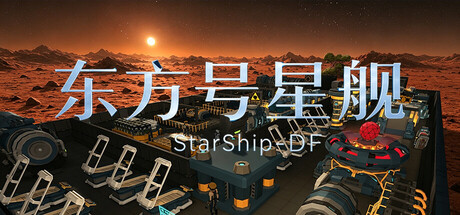
3D models: Unit, structure, and Titan models are generated using Meshy, an AI text/image-to-3D generation tool.
Music: The game's background soundtrack (16 tracks) is generated using Suno, an AI music generation tool.
This game is developed by a solo developer. To ship a project of this scope in a reasonable timeframe, some assets are created with the help of generative AI tools. This includes parts of the user interface, certain icons, and the game logo. All core gameplay, code, systems, and world generation are built by hand. AI is used only as a support tool for visual assets, and all generated content is reviewed and edited before use.
Almost the entire game uses traditional assets made by people. Artificial intelligence was only used as an aid to create some music, sound effects, images, and translations.
The game's music tracks were generated using AI tools (ElevenLabs Music, on a paid commercial plan, and Stable Audio Open) and were curated and edited by the developer. Key art and some promotional images were created with AI image generation (Stable Diffusion) and reviewed by the developer. All gameplay visuals, game design, and code are original work. No AI content is generated at runtime.
Some store page graphical assets and marketing images were created with generative AI and edited manually. The game itself does not use generative AI during gameplay.
Characters, monsters, some buildings, CG images, and logos were generated using AI.
The characters and some 3D building models were created by V2Fun, and the materials are licensed for commercial use under the CC BY 4.0 license.
Some of this game's Steam store and marketing art was created using AI image-generation tools. Specifically, the store capsule images (header, main, small, and vertical capsules), the library artwork (library capsule and hero image), and the logo background were AI-generated.
AI was used only for this promotional store art. All in-game content — pixel-art sprites, backgrounds, UI, animations, and effects — is made from licensed, human-authored pixel-art assets and contains no AI-generated content. The game's audio and gameplay contain no AI-generated content.
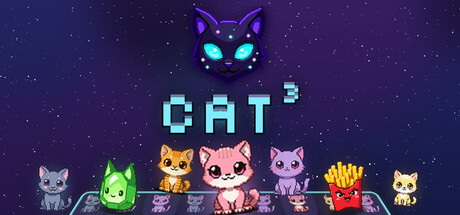
The visual art in Cat 3. The cat sprites, enemies, icons, relic, UI art, and the store/marketing images were created with the help of generative AI tools. I'm a solo developer and a programmer at heart: I can't draw, so I set up a local pixel-art generation pipeline to make the game's artwork. No AI-generated content is produced during gameplay.
This game was made with the help of AI. The music was generated using Suno, and AI tools assisted with other content and store materials, all reviewed and curated by the developer.
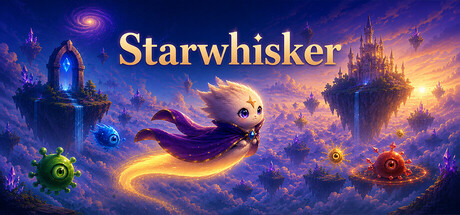
Starwhisker is a solo indie project. During early development, some placeholder assets and development materials were created with the assistance of AI tools to help prototype ideas quickly and focus resources on gameplay development.
As development continues, these assets are being progressively refined, replaced, or supplemented with original work created specifically for the game. The goal is to ensure Starwhisker develops its own distinct artistic identity while remaining transparent about the tools used during its creation.
Generative AI was used to assist with writing, editing, and translating store page text and marketing copy. No generative AI content is generated in real time during gameplay.
This game includes some AI-assisted music and Steam store marketing assets created during development. All such content was reviewed and integrated by the developer. No AI-generated content is created during gameplay, and players cannot generate AI content within the game.
The game was designed, assembled, reworked, tested, and integrated by the developer, with a manually defined artistic direction and gameplay experience.
Generative AI tools were used as creative assistance for certain visual, audio, cinematic, code-related, and promotional content.
This content was then selected, edited, adapted, and adjusted to match the game’s artistic identity, gameplay, and final experience.
Some of Citadel Zero's visual assets (pixel-art sprites, icons, and backgrounds) were created with the help of generative AI tools, then reviewed and refined by the developer. All such content is pre-generated and baked into the game — Citadel Zero performs no real-time AI generation and connects to no AI service while you play.
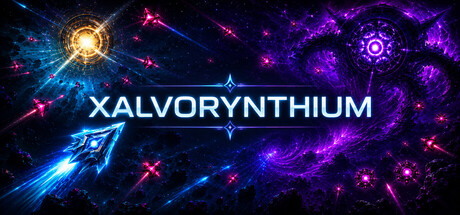
Xalvorynthium does not use generative AI during gameplay and does not connect to any external AI service while the game is running.
Some pre-generated visual assets used for store marketing, promotional artwork, capsule images, logos, or related presentation materials may have been created or assisted with generative AI tools. These assets were reviewed and selected by the developer before use.
This game may include pre-generated content created or assisted by generative artificial intelligence tools during development, mainly for support with visual materials, promotional text, localization/translation, and marketing assets.
All content included in the game and on the store page has been manually reviewed, edited, and approved by the development team before publication. The game does not use generative artificial intelligence in real time during gameplay, so no new AI-generated content is created while the user is playing.
The game does not use generative artificial intelligence in real time. No images, text, sounds, dialogue, missions, or any other content are generated by AI while the game is running.
StarCinder includes some content created with the assistance of generative AI tools. This includes certain music tracks, ship concept art, ship models, and background/menu imagery. The developer directed the style, mood, and design goals for these assets, then reviewed, selected, and integrated the final content into the game. StarCinder does not generate AI content during gameplay and does not connect to external AI services while players are playing.
Some game assets were created with the help of AI tools during development. No AI runs during gameplay and no player data is sent to external services.
Some of this game's 2D art/images and in-game text were created with the help of generative AI tools during development, then reviewed and edited by the developer. Some of the game's code was also written with the assistance of AI coding tools. The game does not generate any content using AI while you play.
Localisation: The game's interface text was localised into 11 languages (French, Spanish (Latin America), Italian, German, Portuguese (Brazil), Russian, Simplified Chinese, Korean, Japanese, Polish, Turkish) with the assistance of AI tools. All original English source text was written by the developer.
Voice-over: Some in-game voice-over was created using AI voice generation, used alongside recordings from real voice artists.
Music: Two background music tracks heard on in-game radios were generated with AI tools, then filtered and edited by the developer in FL Studio.
Store art: The capsule artwork combines a hand-made logo created by a commissioned artist with an AI-generated background.
This work incorporates the use of generative artificial intelligence (AI) in the following areas: Parts of the artwork, parts of the sound, and localization.
Parts of Hollow Orbit were made with help from generative AI tools — assisting with the game's code, some in-engine visuals and audio, and store/marketing assets like the logo and trailer graphics. All output was reviewed and finalized by the developer, and no content is generated by AI during gameplay.
We used generative AI mainly for generating code. It has also been used for writing flavour text, many interface descriptions and some lines for an AI character. Finally it has also been used for proofreading.
Generative AI was used as an assistant during development for drafting and editing store-page text, brainstorming, and code assistance. Final game assets, gameplay, implementation, and creative direction are reviewed and edited by the developer. No live-generated AI content is used during gameplay.
The art, music, and written text in this game were created using commercial generative AI services, working from the developer's own designs and ideas under direct human supervision, with each asset and passage curated and edited by hand. All content is pre-generated — no AI runs while you play.
Generative AI was used only as a development aid during production. All content included in the final game was reviewed and approved by the developer. The released game does not generate content using AI.
The developer used generative AI tools during development to assist in creating pre-generated assets, including concept art for backgrounds and placeholder text assets. None of the AI content is generated in real-time during gameplay.
This game uses text-to-speech to generate character voices, image-to-3D tools to create ship models, and image-to-video tools to produce cinematic sequences you may encounter during gameplay.
AI-generated content has been used to enhance and enrich the in-game experience.
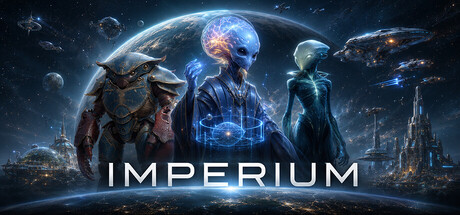
Imperium is a solo-developed game that makes extensive use of generative AI
to create its content:
• Visual art and graphical assets — planet surfaces, buildings, species and
ship artwork, interface art, and store/marketing imagery — were generated
using Midjourney and ChatGPT, then extensively edited, composited, and
refined by hand in Photoshop (including Photoshop's AI tools) to fit the
game's art direction.
• Music was generated using Suno.
• Sound effects were generated using ElevenLabs.
Every asset is reviewed, edited, and approved by the developer before it
ships, and the game's design, systems, and balance are the developer's own.
Imperium's in-game opponents use traditional algorithmic AI, not generative AI.
Generative AI tools (Gemini) were used to assist in creating marketing materials and capsule images for the Steam store page. Additionally, AI was utilized for in-game text translation and localization. No in-game visual assets were generated by AI, and there is no live AI generation during gameplay.
"AI tools (Leonardo AI) were used to generate some concept art and UI textures during development. AI tools (Gemini) were used to generate background music assets. All assets were pre-generated before being integrated into the game."
Some visual assets used in this game were created or assisted by generative AI tools during development. All AI-generated content was reviewed, edited, and integrated by the developer before being included in the final game. No AI-generated content is created during gameplay.
AI-generated art assets are used in this game. All such assets have been manually reviewed and adjusted to ensure a consistent visual style and quality.
Generative AI tools were used during development to assist in the creation of some pre-generated visual assets, character voices, translations, and promotional materials. All AI-assisted content was reviewed, edited, and curated by the developer. The game does not generate AI content in real time during gameplay.
This game uses AI-generated content, created during development and included as fixed, pre-generated assets in the shipped game (not generated live or dynamically during gameplay).
3D models: Unit, structure, and Titan models are generated using Meshy, an AI text/image-to-3D generation tool.
Music: The game's background soundtrack (16 tracks) is generated using Suno, an AI music generation tool.
This game is developed by a solo developer. To ship a project of this scope in a reasonable timeframe, some assets are created with the help of generative AI tools. This includes parts of the user interface, certain icons, and the game logo. All core gameplay, code, systems, and world generation are built by hand. AI is used only as a support tool for visual assets, and all generated content is reviewed and edited before use.
Almost the entire game uses traditional assets made by people. Artificial intelligence was only used as an aid to create some music, sound effects, images, and translations.
The game's music tracks were generated using AI tools (ElevenLabs Music, on a paid commercial plan, and Stable Audio Open) and were curated and edited by the developer. Key art and some promotional images were created with AI image generation (Stable Diffusion) and reviewed by the developer. All gameplay visuals, game design, and code are original work. No AI content is generated at runtime.
Some store page graphical assets and marketing images were created with generative AI and edited manually. The game itself does not use generative AI during gameplay.
Characters, monsters, some buildings, CG images, and logos were generated using AI.
The characters and some 3D building models were created by V2Fun, and the materials are licensed for commercial use under the CC BY 4.0 license.
Some of this game's Steam store and marketing art was created using AI image-generation tools. Specifically, the store capsule images (header, main, small, and vertical capsules), the library artwork (library capsule and hero image), and the logo background were AI-generated.
AI was used only for this promotional store art. All in-game content — pixel-art sprites, backgrounds, UI, animations, and effects — is made from licensed, human-authored pixel-art assets and contains no AI-generated content. The game's audio and gameplay contain no AI-generated content.
The visual art in Cat 3. The cat sprites, enemies, icons, relic, UI art, and the store/marketing images were created with the help of generative AI tools. I'm a solo developer and a programmer at heart: I can't draw, so I set up a local pixel-art generation pipeline to make the game's artwork. No AI-generated content is produced during gameplay.
This game was made with the help of AI. The music was generated using Suno, and AI tools assisted with other content and store materials, all reviewed and curated by the developer.
Starwhisker is a solo indie project. During early development, some placeholder assets and development materials were created with the assistance of AI tools to help prototype ideas quickly and focus resources on gameplay development.
As development continues, these assets are being progressively refined, replaced, or supplemented with original work created specifically for the game. The goal is to ensure Starwhisker develops its own distinct artistic identity while remaining transparent about the tools used during its creation.
Generative AI was used to assist with writing, editing, and translating store page text and marketing copy. No generative AI content is generated in real time during gameplay.
This game includes some AI-assisted music and Steam store marketing assets created during development. All such content was reviewed and integrated by the developer. No AI-generated content is created during gameplay, and players cannot generate AI content within the game.
The game was designed, assembled, reworked, tested, and integrated by the developer, with a manually defined artistic direction and gameplay experience.
Generative AI tools were used as creative assistance for certain visual, audio, cinematic, code-related, and promotional content.
This content was then selected, edited, adapted, and adjusted to match the game’s artistic identity, gameplay, and final experience.
Some of Citadel Zero's visual assets (pixel-art sprites, icons, and backgrounds) were created with the help of generative AI tools, then reviewed and refined by the developer. All such content is pre-generated and baked into the game — Citadel Zero performs no real-time AI generation and connects to no AI service while you play.
Xalvorynthium does not use generative AI during gameplay and does not connect to any external AI service while the game is running.
Some pre-generated visual assets used for store marketing, promotional artwork, capsule images, logos, or related presentation materials may have been created or assisted with generative AI tools. These assets were reviewed and selected by the developer before use.
This game may include pre-generated content created or assisted by generative artificial intelligence tools during development, mainly for support with visual materials, promotional text, localization/translation, and marketing assets.
All content included in the game and on the store page has been manually reviewed, edited, and approved by the development team before publication. The game does not use generative artificial intelligence in real time during gameplay, so no new AI-generated content is created while the user is playing.
The game does not use generative artificial intelligence in real time. No images, text, sounds, dialogue, missions, or any other content are generated by AI while the game is running.
StarCinder includes some content created with the assistance of generative AI tools. This includes certain music tracks, ship concept art, ship models, and background/menu imagery. The developer directed the style, mood, and design goals for these assets, then reviewed, selected, and integrated the final content into the game. StarCinder does not generate AI content during gameplay and does not connect to external AI services while players are playing.
Some game assets were created with the help of AI tools during development. No AI runs during gameplay and no player data is sent to external services.
Some of this game's 2D art/images and in-game text were created with the help of generative AI tools during development, then reviewed and edited by the developer. Some of the game's code was also written with the assistance of AI coding tools. The game does not generate any content using AI while you play.
Localisation: The game's interface text was localised into 11 languages (French, Spanish (Latin America), Italian, German, Portuguese (Brazil), Russian, Simplified Chinese, Korean, Japanese, Polish, Turkish) with the assistance of AI tools. All original English source text was written by the developer.
Voice-over: Some in-game voice-over was created using AI voice generation, used alongside recordings from real voice artists.
Music: Two background music tracks heard on in-game radios were generated with AI tools, then filtered and edited by the developer in FL Studio.
Store art: The capsule artwork combines a hand-made logo created by a commissioned artist with an AI-generated background.
This work incorporates the use of generative artificial intelligence (AI) in the following areas: Parts of the artwork, parts of the sound, and localization.
Parts of Hollow Orbit were made with help from generative AI tools — assisting with the game's code, some in-engine visuals and audio, and store/marketing assets like the logo and trailer graphics. All output was reviewed and finalized by the developer, and no content is generated by AI during gameplay.
We used generative AI mainly for generating code. It has also been used for writing flavour text, many interface descriptions and some lines for an AI character. Finally it has also been used for proofreading.
Generative AI was used as an assistant during development for drafting and editing store-page text, brainstorming, and code assistance. Final game assets, gameplay, implementation, and creative direction are reviewed and edited by the developer. No live-generated AI content is used during gameplay.
The art, music, and written text in this game were created using commercial generative AI services, working from the developer's own designs and ideas under direct human supervision, with each asset and passage curated and edited by hand. All content is pre-generated — no AI runs while you play.
Generative AI was used only as a development aid during production. All content included in the final game was reviewed and approved by the developer. The released game does not generate content using AI.
The developer used generative AI tools during development to assist in creating pre-generated assets, including concept art for backgrounds and placeholder text assets. None of the AI content is generated in real-time during gameplay.
This game uses text-to-speech to generate character voices, image-to-3D tools to create ship models, and image-to-video tools to produce cinematic sequences you may encounter during gameplay.
AI-generated content has been used to enhance and enrich the in-game experience.
Imperium is a solo-developed game that makes extensive use of generative AI
to create its content:
• Visual art and graphical assets — planet surfaces, buildings, species and
ship artwork, interface art, and store/marketing imagery — were generated
using Midjourney and ChatGPT, then extensively edited, composited, and
refined by hand in Photoshop (including Photoshop's AI tools) to fit the
game's art direction.
• Music was generated using Suno.
• Sound effects were generated using ElevenLabs.
Every asset is reviewed, edited, and approved by the developer before it
ships, and the game's design, systems, and balance are the developer's own.
Imperium's in-game opponents use traditional algorithmic AI, not generative AI.
Generative AI tools (Gemini) were used to assist in creating marketing materials and capsule images for the Steam store page. Additionally, AI was utilized for in-game text translation and localization. No in-game visual assets were generated by AI, and there is no live AI generation during gameplay.
"AI tools (Leonardo AI) were used to generate some concept art and UI textures during development. AI tools (Gemini) were used to generate background music assets. All assets were pre-generated before being integrated into the game."