








Disclosure
AI was used for art, audio, text and translations, including store artwork. No AI generation during gameplay.
- Creator
- weather
- Reviews
- -
- Added
- Oct 3, 2026
Public Steam disclosure research 25,380 disclosures tracked
Search developers’ Steam disclosures, compare classified AI use across games, and follow recorded changes. This index adds cross-game classifications and statistics to statements published on individual store pages.
Code help, debugging and other development work.
Capsule art, trailers and promotional material.
Pre-made art, audio, writing and other game assets.
Interactive or runtime AI features disclosed by the developer.
Groups reflect automatic analysis of public disclosures; mature records are excluded. These counts do not measure AI use across all of Steam. Missing or unclear statements cannot establish whether a game uses AI.
AI was used for art, audio, text and translations, including store artwork. No AI generation during gameplay.
This game includes generative AI. Used for assisting coding, and localization,No arts or story texts were generated by AI.
An AI coding assistant (Claude, Anthropic) was used under the developer's direction to help write the game's code, some in-game text and the note tables of its music, which is then rendered by our own synthesis code and a licensed instrument sample library. No audio-generation, image-generation or voice models were used: no AI-generated artwork, 3D models, voice or sound recordings ship in the game, on the store page or in marketing materials. Every shipped track is logged in a provenance ledger and checked against YouTube Content ID
The music and some of the images were created using artificial intelligence. Localization into some languages was performed using artificial intelligence.
The in-game text translations (26 languages), as well as this store page's texts and their translations, were prepared with the help of generative AI tools. No AI-generated content is produced while you play.
i coded this game by hand over 16 years; now i use ai to help me with the refactor (from hotseat -> online play)
This game uses Generative AI for most 2D artwork and UI elements. All characters, enemies and environments were created fully without the use of AI.
Generative AI tools were used to a very limited extent during the development of the game for a few minor visual elements. These consist only of a small number of simple effect graphics, which were subsequently adapted and edited for use in the game. Generative AI was also used as a writing aid to improve and refine some of the text used on the game's Steam store page. The core content and functionality of the game were not created using generative AI.
As a solo developer I have been using some generative AI tools to support the design of some card illustrations and backgrounds. These assets are prepared before release and through early access I intend to replace the majority of these assets with alternatives, where appropriate. Siegehand does not generate content using AI during gameplay.
AI tools were used to help create some in-game assets. The final game reflects my creative vision and direction.
Generative AI was used for art and sound.
The original story was written by a human author. AI was used to write AI speech in the game. It was also used in localization as a supportive tool. We gladly work with the community to bring the game to more languages.
Some sound effects and the in-game text localization were created with the help of AI tools during development. All AI-generated audio and translated text was reviewed and edited by a human before shipping.
The game includes two AI generated music tracks and all Non-English text was translated using AI translation tools.
This game used AI to make it possible to be developed by one person in reasonable time, with the hope that more people will join later to replace the AI part.
We use AI tools to help with localization and to rework or resize some visual assets. Our team carefully reviews and refines the results before they make it into the game. It’s still the same team behind our games for the past 15 years, making the creative decisions and taking care of the details.
This game includes content created with the help of generative AI. The base 3D animal models were generated using an AI 3D-modeling tool and then rigged, animated, and hand-finished by the developer. Non-English translations were initially AI-drafted and then reviewed and corrected by the developer. All content is final and reviewed before release — no AI content is generated while you play.
Artificial intelligence was used only to assist with the code. The entire art style was created and drawn entirely by hand.
Generative AI was used as a development aid, for example for ideas, text, code assistance, and visual drafts. The game was reviewed, adjusted, and finalized by the developer.
As a solo dev who is horrible at drawing but good at code, 2d and 3d assets have been build using the help of generative AI.
AI was used during the development of the game mainly for code optimization and improvements. To a limited extent, AI was also used to create some graphics and to improve the appearance of a small number of interface elements.
Generative AI tools were used during the development of MEAM Launcher and some of the included games. AI-assisted and AI-generated content may include character and environment concepts, images, textures, 3D models, visual assets, music, sound effects, text, dialogue, code, and other development assets. AI tools were also used to assist with programming, prototyping, troubleshooting, game development, and general creative development. All AI-generated or AI-assisted content was reviewed, selected, edited, implemented, and/or further developed by the developer before being included in the final product. MEAM Launcher does not use generative AI to create content dynamically during gameplay. The AI usage described above relates to content and development work created before distribution of the software.
Generative AI was used during development to create artwork, music and sound assets, including artwork used on the store page. AI also assisted with story development, alongside substantial writing and editing by the developer. All of this content was created before release. The game does not generate AI content or connect to AI services during play.
The operator portraits in-game are procedurally drawn, but their designs were based on AI-generated reference art. The full body operators in the promo images were also AI-generated.
Translations from English into other languages have been done with the help of AI tools.
Most of the game's code and the Steam page artwork were made with the help of AI. The farm animal 3D models were made in Blender with the help of AI tools (Astra and Claude). The game does not generate any AI content while you play.
AI tools are used in some parts of the development process, including translations for the Steam store page and in-game UI text, as well as assistance with some visual assets.
Translations wher made by AI from human written German texts
Portions of the art and code in this game were generated by AI.
Guild of Souls features artwork developed with generative AI.
AI was used for coding, translations and achievements. The map, airports and countries come from public datasets. Nothing is generated by AI while you play.
Generative AI tools were used during development to create part of what you see and hear: the portraits of the fictional players and their faces at different ages, background illustrations, the short ambient videos, the music, the commentator's recorded calls and the surnames he calls out —a synthetic voice that does not belong to any real person— and part of the art on this page. Everything was reviewed, trimmed and edited by hand before going in, and every commentator line was checked with speech recognition to make sure it says what it should. The sound effects are real public-domain recordings. The game does not generate anything with AI while you play.
AI was used only to generate the base background artwork, which was then manually edited and adapted to fit the game's art style.
Pre-generated content only; nothing is generated while the game runs. - Localization: the game and store page were translated into 9 languages (Portuguese, Spanish, French, German, Polish, Russian, Japanese, Korean, Simplified Chinese) with AI assistance. - Writing: story, tutorial and store text were drafted with AI assistance and edited and approved by the developer. - Visuals are drawn procedurally by the game's own code; no AI image generators were used. Sound effects and music are licensed CC0 recordings chosen by the developer.
Generative AI assisted the creation of characters, card artwork, environments, some interface artwork, pre-rendered animations, and some narrative and localized text during development. This content was selected, edited, and reviewed in the game. Generative AI was also used to create store artwork. Music and sound effects include locally synthesized audio. The game does not use generative AI to create content during gameplay.
AI-assisted tools were used during development to create some visual assets and textures, music and sound effects, and to assist with English localization. Generated promotional illustrations and pre-generated synthetic voice performances are also used in the Steam store materials and trailers. These assets were selected, edited and integrated during production. The game does not generate AI content while it is running.
Ratiator is made by a small independent studio, and generative AI is one of the tools that lets a tiny team build a world this big. Every piece of AI-assisted content was directed, selected and refined by us to match our own art direction and design. Artwork: backgrounds, UI elements, event illustrations, icons and key art were created with AI image tools from our concepts and art direction, then curated, edited and assembled by hand. 3D models: our rats and their household-junk weapons and armour started as AI-generated 3D models built from our concept art. We then rigged, fitted, animated and tuned them with our own tools, so every rat moves and fights the way we designed it. Animation: a few short cinematic clips and the living light in some backgrounds (flickering lanterns, flowing water) were made with AI video tools and blended into our original paintings. Writing: story and event texts were drafted with the help of an AI writing assistant, then edited and shaped by us to fit the world and its humour. Nothing in the game is generated by AI while you play. Every fight, rat and story event is driven by the game's own systems, and no player data is sent to any AI service.
Some artwork, translations, and store page text were created with the help of AI tools.
Generative AI tools were used during development to help with coding. All assets are 3d modeled or free to use assets. The game does not generate AI content or connect to an AI service.
Copy for the store page and localization in game and on the store page was generated by AI
Parts of the in-game text, its translation, and the store page text were drafted with AI assistance and edited by hand.
Generative AI tools were used during development to create pre-generated character voices, music, and store artwork, and to assist with writing. These assets are prepared in advance. The game does not generate AI content or connect to third-party AI services during gameplay.
Generative AI tools were used during development to create visual assets and music, and to assist with localization. All content is prepared in advance. The game does not generate AI content during gameplay or connect to external AI services.
Some visual assets and the music in Roadweave were created with the help of generative AI tools during development: the key art, logo, store and library artwork, icons and achievement badges were made with image tools, and the soundtrack with a music tool. Every asset was selected and edited by the developer before release. Generative AI is not used while you play. Maps are built by the game's own procedural generator from a seed — ordinary game code, not AI.
Generative AI-assisted tools were used during development to support the creation and refinement of some pre-generated visual assets. No AI content is generated during gameplay.
The game's art assets (tile, monster and item sprite atlases) were produced during development using OpenAI's image generation service. We then processed the output ourselves into transparent PNGs and assembled them into atlases, which ship as static assets inside the build. The game does not call any AI service at runtime and contains no live-generated content. Every generated image was manually reviewed and corrected before being added to the atlas. Apart from the art, the code, game design, balance and text involve no AI-generated content.
Generative AI was used during development to help create some visual assets and assist with development work. The resulting content was selected, edited, and integrated into the game by the developer.
Generative AI was used in supporting the generation of artwork, code, testing and marketing.
Guild Master features artwork developed with generative AI.
AI used for help with coding support and analysing the balancing.
| Title⇅ | Disclosure | Creator⇅ | Src | Reviews⇅ | Added↓ |
|---|---|---|---|---|---|
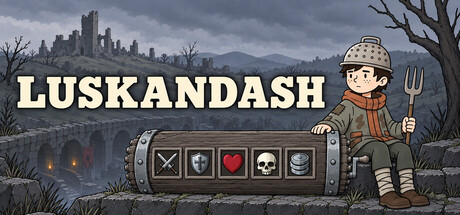 Luskandash In-game content artaudiotext | AI was used for art, audio, text and translations, including store artwork. No AI generation during gameplay. | weather | - | Oct 3, 2026 | |
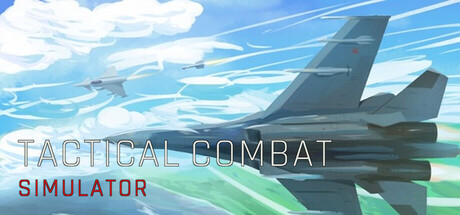 Tactical Combat Simulator Dev only codetext | This game includes generative AI. Used for assisting coding, and localization,No arts or story texts were generated by AI. | Terraminus Studios | - | Oct 3, 2026 | |
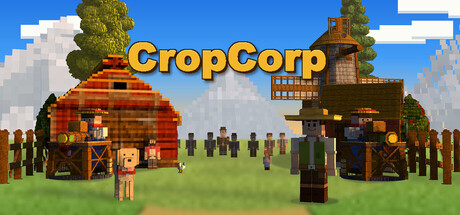 CropCorp In-game content codetext | An AI coding assistant (Claude, Anthropic) was used under the developer's direction to help write the game's code, some in-game text and the note tables of its music, which is then rendered by our own synthesis code and a licensed instrument sample library. No audio-generation, image-generation or voice models were used: no AI-generated artwork, 3D models, voice or sound recordings ship in the game, on the store page or in marketing materials. Every shipped track is logged in a provenance ledger and checked against YouTube Content ID | Web Level Up | - | Oct 3, 2026 | |
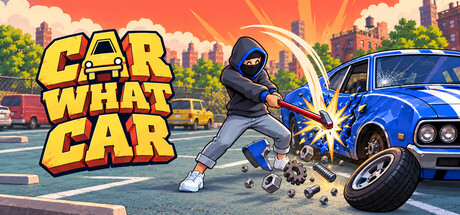 Car? What Car? In-game content audioarttext | The music and some of the images were created using artificial intelligence. Localization into some languages was performed using artificial intelligence. | WINYCH GAMES | - | Oct 3, 2026 | |
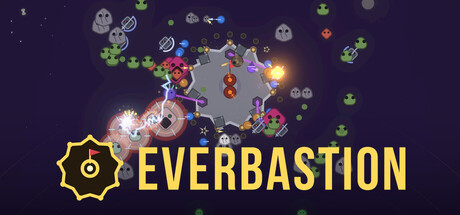 EverBastion In-game content text | The in-game text translations (26 languages), as well as this store page's texts and their translations, were prepared with the help of generative AI tools. No AI-generated content is produced while you play. | Osiris Atlas | - | Oct 3, 2026 | |
 Final Tactics Dev only code | i coded this game by hand over 16 years; now i use ai to help me with the refactor (from hotseat -> online play) | Final Tactics Creator | - | Oct 3, 2026 | |
 Wyrmhold In-game content art | This game uses Generative AI for most 2D artwork and UI elements. All characters, enemies and environments were created fully without the use of AI. | DHG Game Studio | - | Oct 3, 2026 | |
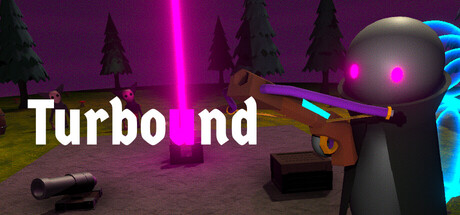 Turbound In-game content arttext | Generative AI tools were used to a very limited extent during the development of the game for a few minor visual elements. These consist only of a small number of simple effect graphics, which were subsequently adapted and edited for use in the game.
Generative AI was also used as a writing aid to improve and refine some of the text used on the game's Steam store page.
The core content and functionality of the game were not created using generative AI. | Broken Telescopė | - | Oct 3, 2026 | |
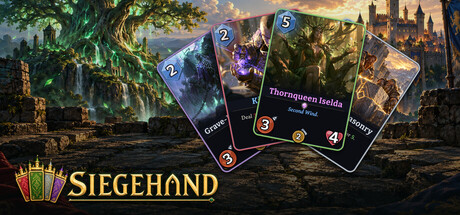 Siegehand In-game content art | As a solo developer I have been using some generative AI tools to support the design of some card illustrations and backgrounds. These assets are prepared before release and through early access I intend to replace the majority of these assets with alternatives, where appropriate. Siegehand does not generate content using AI during gameplay. | Kessel Studio Games | - | Oct 3, 2026 | |
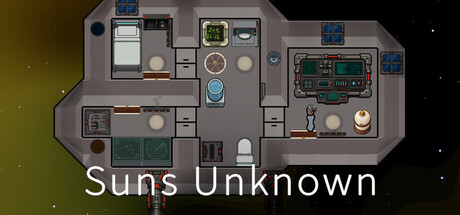 Suns Unknown In-game content art | AI tools were used to help create some in-game assets. The final game reflects my creative vision and direction. | Moralsoft | - | Oct 3, 2026 | |
 Wargrown In-game content artaudio | Generative AI was used for art and sound. | Drowning Donkey | - | Oct 3, 2026 | |
 AI BREACH In-game content text | The original story was written by a human author. AI was used to write AI speech in the game. It was also used in localization as a supportive tool. We gladly work with the community to bring the game to more languages. | Arkhive Systems | - | Oct 3, 2026 | |
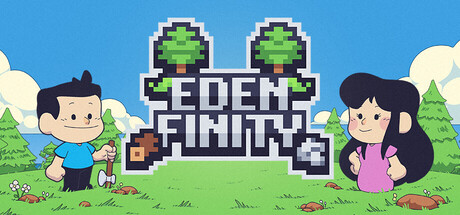 Edenfinity In-game content audiotext | Some sound effects and the in-game text localization were created with the help of AI tools during development. All AI-generated audio and translated text was reviewed and edited by a human before shipping. | Cauê Ferrareto | - | Oct 3, 2026 | |
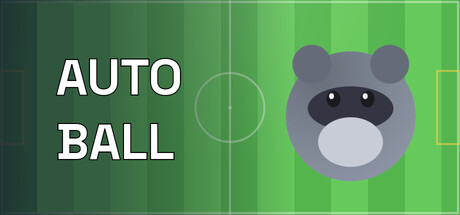 Auto Ball In-game content audiotext | The game includes two AI generated music tracks and all Non-English text was translated using AI translation tools. | Dominick Favata | - | Oct 3, 2026 | |
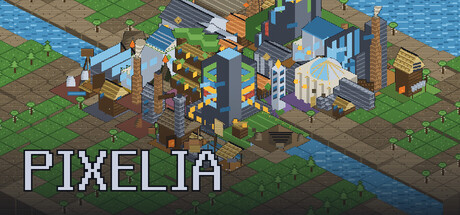 Pixelia Unclear | This game used AI to make it possible to be developed by one person in reasonable time, with the hope that more people will join later to replace the AI part. | Eduardo Morais | - | Oct 3, 2026 | |
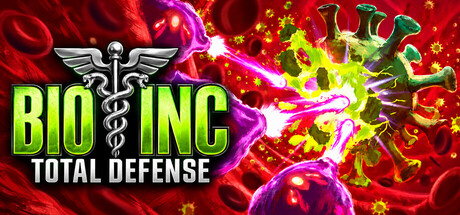 Bio Inc. Total Defense In-game content arttext | We use AI tools to help with localization and to rework or resize some visual assets. Our team carefully reviews and refines the results before they make it into the game. It’s still the same team behind our games for the past 15 years, making the creative decisions and taking care of the details. | DryGin Studios | - | Oct 3, 2026 | |
 Habitat: The Endless Terrarium In-game content arttext | This game includes content created with the help of generative AI. The base 3D animal models were generated using an AI 3D-modeling tool and then rigged, animated, and hand-finished by the developer. Non-English translations were initially AI-drafted and then reviewed and corrected by the developer. All content is final and reviewed before release — no AI content is generated while you play. | divineVisitation | - | Oct 3, 2026 | |
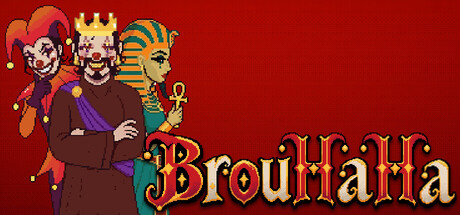 BrouHaHa Dev only code | Artificial intelligence was used only to assist with the code. The entire art style was created and drawn entirely by hand. | Porto Palma Studios | - | Oct 3, 2026 | |
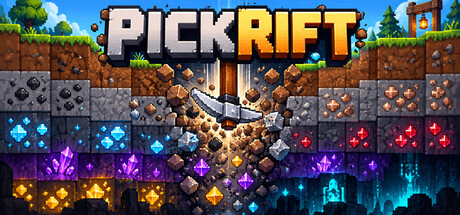 PICKRIFT Dev only textcodeart | Generative AI was used as a development aid, for example for ideas, text, code assistance, and visual drafts. The game was reviewed, adjusted, and finalized by the developer. | NodeTen Games | - | Oct 3, 2026 | |
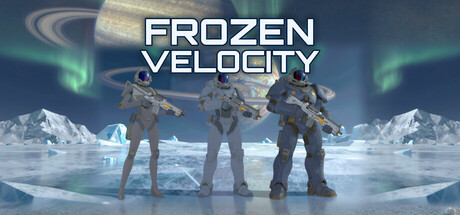 Frozen Velocity In-game content art | As a solo dev who is horrible at drawing but good at code, 2d and 3d assets have been build using the help of generative AI. | OPPRESSED Game Studios | - | Oct 3, 2026 | |
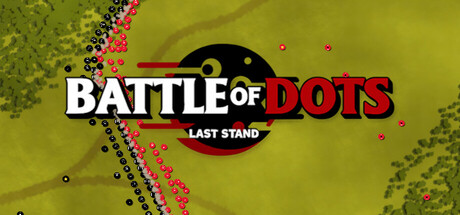 Battle Of Dots: Last Stand In-game content artcode | AI was used during the development of the game mainly for code optimization and improvements. To a limited extent, AI was also used to create some graphics and to improve the appearance of a small number of interface elements. | WarNode Interactive | - | Oct 3, 2026 | |
 MEAM Launcher In-game content artaudiotextcode | Generative AI tools were used during the development of MEAM Launcher and some of the included games.
AI-assisted and AI-generated content may include character and environment concepts, images, textures, 3D models, visual assets, music, sound effects, text, dialogue, code, and other development assets. AI tools were also used to assist with programming, prototyping, troubleshooting, game development, and general creative development.
All AI-generated or AI-assisted content was reviewed, selected, edited, implemented, and/or further developed by the developer before being included in the final product.
MEAM Launcher does not use generative AI to create content dynamically during gameplay. The AI usage described above relates to content and development work created before distribution of the software. | Mor10 Productions | - | Oct 2, 2026 | |
 Frontier Harvest Initiative In-game content artaudiotext | Generative AI was used during development to create artwork, music and sound assets, including artwork used on the store page. AI also assisted with story development, alongside substantial writing and editing by the developer. All of this content was created before release. The game does not generate AI content or connect to AI services during play. | More Than Devs | - | Oct 2, 2026 | |
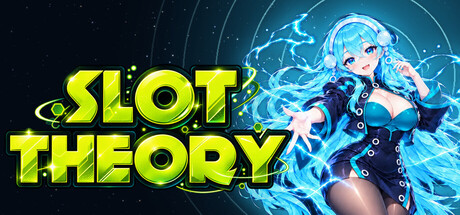 Slot Theory In-game content art | The operator portraits in-game are procedurally drawn, but their designs were based on AI-generated reference art. The full body operators in the promo images were also AI-generated. | Dextrome | - | Oct 2, 2026 | |
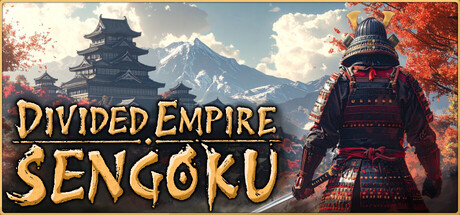 Divided Empire: Sengoku In-game content text | Translations from English into other languages have been done with the help of AI tools. | Composition GS | - | Oct 2, 2026 | |
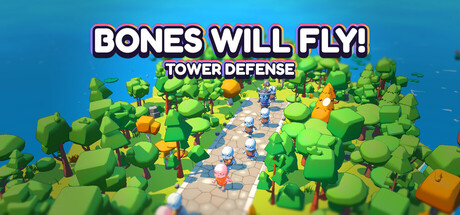 Bones will Fly: Tower Defense In-game content artcode | Most of the game's code and the Steam page artwork were made with the help of AI. The farm animal 3D models were made in Blender with the help of AI tools (Astra and Claude). The game does not generate any AI content while you play. | Nonna's Oven Games | - | Oct 2, 2026 | |
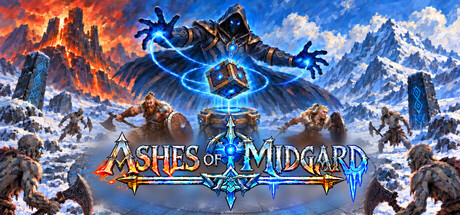 Ashes of Midgard In-game content textart | AI tools are used in some parts of the development process, including translations for the Steam store page and in-game UI text, as well as assistance with some visual assets. | EverTier Games | - | Oct 2, 2026 | |
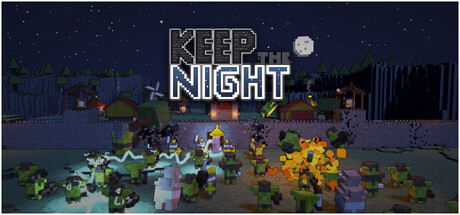 Keep the night In-game content text | Translations wher made by AI from human written German texts | GamingPugsStudios | - | Oct 1, 2026 | |
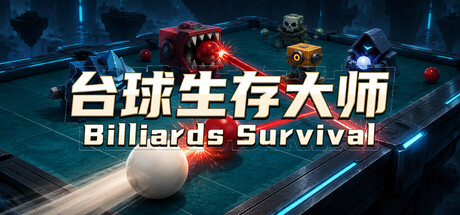 台球生存大师 Billiards Survival In-game content artcode | Portions of the art and code in this game were generated by AI. | 放马过去 | - | Oct 1, 2026 | |
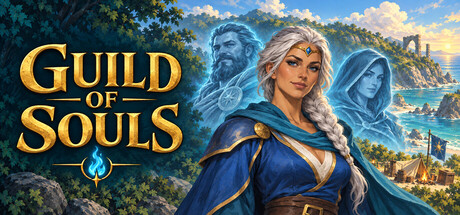 Guild of Souls In-game content art | Guild of Souls features artwork developed with generative AI. | Recoil Mojo | - | Oct 1, 2026 | |
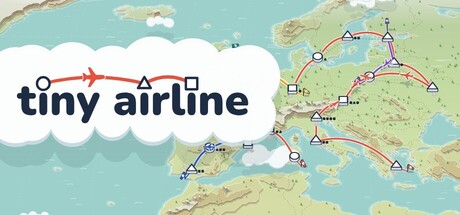 Tiny Airline In-game content text | AI was used for coding, translations and achievements. The map, airports and countries come from public datasets. Nothing is generated by AI while you play. | Inner Core Studios | - | Oct 1, 2026 | |
 Pick & Roll Manager In-game content artaudiotext | Generative AI tools were used during development to create part of what you see and hear: the portraits of the fictional players and their faces at different ages, background illustrations, the short ambient videos, the music, the commentator's recorded calls and the surnames he calls out —a synthetic voice that does not belong to any real person— and part of the art on this page. Everything was reviewed, trimmed and edited by hand before going in, and every commentator line was checked with speech recognition to make sure it says what it should. The sound effects are real public-domain recordings. The game does not generate anything with AI while you play. | Maillard Retro Labs | - | Oct 1, 2026 | |
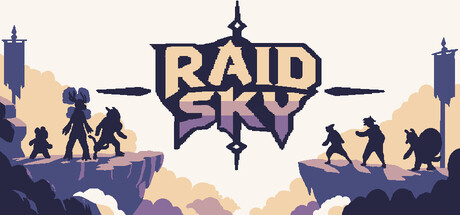 Raid Sky In-game content art | AI was used only to generate the base background artwork, which was then manually edited and adapted to fit the game's art style. | Kimicharu01 | - | Oct 1, 2026 | |
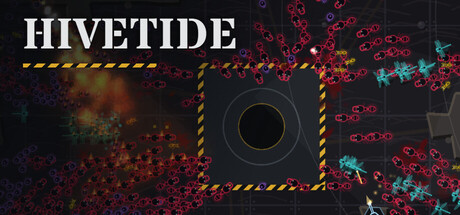 Hivetide In-game content text | Pre-generated content only; nothing is generated while the game runs.
- Localization: the game and store page were translated into 9 languages (Portuguese, Spanish, French, German, Polish, Russian, Japanese, Korean, Simplified Chinese) with AI assistance.
- Writing: story, tutorial and store text were drafted with AI assistance and edited and approved by the developer.
- Visuals are drawn procedurally by the game's own code; no AI image generators were used. Sound effects and music are licensed CC0 recordings chosen by the developer. | DragonFlameGameStudio | - | Oct 1, 2026 | |
 Wok the Deck In-game content arttext | Generative AI assisted the creation of characters, card artwork, environments, some interface artwork, pre-rendered animations, and some narrative and localized text during development. This content was selected, edited, and reviewed in the game. Generative AI was also used to create store artwork. Music and sound effects include locally synthesized audio. The game does not use generative AI to create content during gameplay. | 敏航 | - | Oct 1, 2026 | |
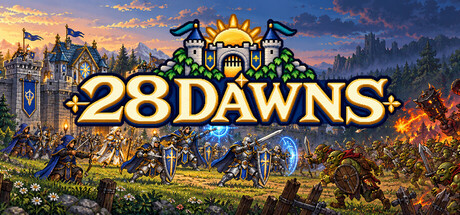 28 Dawns In-game content artaudiotext | AI-assisted tools were used during development to create some visual assets and textures, music and sound effects, and to assist with English localization. Generated promotional illustrations and pre-generated synthetic voice performances are also used in the Steam store materials and trailers. These assets were selected, edited and integrated during production. The game does not generate AI content while it is running. | Vaelmino Games | - | Oct 1, 2026 | |
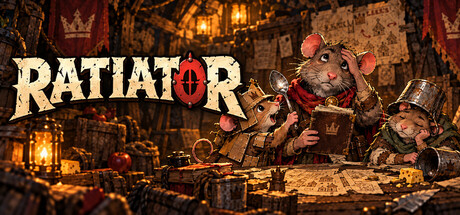 Ratiator In-game content arttext | Ratiator is made by a small independent studio, and generative AI is one of the tools that lets a tiny team build a world this big. Every piece of AI-assisted content was directed, selected and refined by us to match our own art direction and design.
Artwork: backgrounds, UI elements, event illustrations, icons and key art were created with AI image tools from our concepts and art direction, then curated, edited and assembled by hand.
3D models: our rats and their household-junk weapons and armour started as AI-generated 3D models built from our concept art. We then rigged, fitted, animated and tuned them with our own tools, so every rat moves and fights the way we designed it.
Animation: a few short cinematic clips and the living light in some backgrounds (flickering lanterns, flowing water) were made with AI video tools and blended into our original paintings.
Writing: story and event texts were drafted with the help of an AI writing assistant, then edited and shaped by us to fit the world and its humour.
Nothing in the game is generated by AI while you play. Every fight, rat and story event is driven by the game's own systems, and no player data is sent to any AI service. | Akando Games | - | Oct 1, 2026 | |
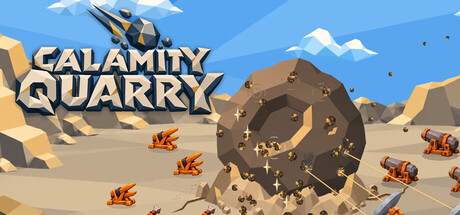 Calamity Quarry In-game content arttext | Some artwork, translations, and store page text were created with the help of AI tools. | Prussian_lemon | - | Oct 1, 2026 | |
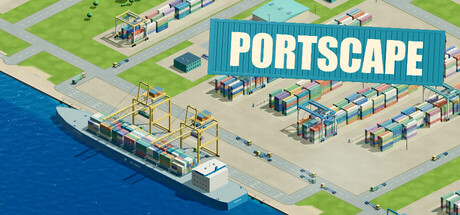 Portscape Dev only code | Generative AI tools were used during development to help with coding. All assets are 3d modeled or free to use assets. The game does not generate AI content or connect to an AI service. | Inner Core Studios | - | Oct 1, 2026 | |
 Adverse Reactions In-game content text | Copy for the store page and localization in game and on the store page was generated by AI | Going Rogue Games | - | Oct 1, 2026 | |
 Grand Ouvert In-game content text | Parts of the in-game text, its translation, and the store page text were drafted with AI assistance and edited by hand. | DASPRiD | - | Oct 1, 2026 | |
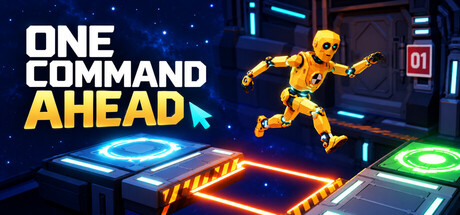 One Command Ahead In-game content audiotextart | Generative AI tools were used during development to create pre-generated character voices, music, and store artwork, and to assist with writing. These assets are prepared in advance. The game does not generate AI content or connect to third-party AI services during gameplay. | Newtro Studios | - | Oct 1, 2026 | |
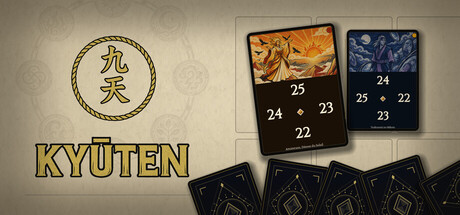 Kyūten In-game content artaudiotext | Generative AI tools were used during development to create visual assets and music, and to assist with localization. All content is prepared in advance. The game does not generate AI content during gameplay or connect to external AI services. | Pix4Geeks | - | Oct 1, 2026 | |
 Roadweave In-game content artaudio | Some visual assets and the music in Roadweave were created with the help of generative AI tools during development: the key art, logo, store and library artwork, icons and achievement badges were made with image tools, and the soundtrack with a music tool. Every asset was selected and edited by the developer before release.
Generative AI is not used while you play. Maps are built by the game's own procedural generator from a seed — ordinary game code, not AI. | AppGX | - | Oct 1, 2026 | |
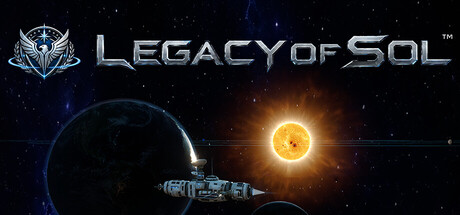 Legacy of Sol In-game content art | Generative AI-assisted tools were used during development to support the creation and refinement of some pre-generated visual assets. No AI content is generated during gameplay. | LittleShark Marketing Kft. | - | Oct 1, 2026 | |
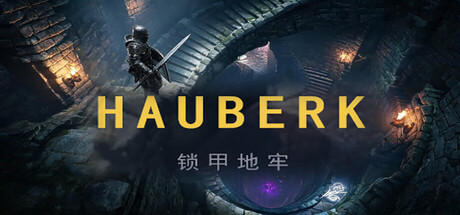 Hauberk锁甲地牢 In-game content art | The game's art assets (tile, monster and item sprite atlases) were produced during development using OpenAI's image generation service. We then processed the output ourselves into transparent PNGs and assembled them into atlases, which ship as static assets inside the build. The game does not call any AI service at runtime and contains no live-generated content. Every generated image was manually reviewed and corrected before being added to the atlas. Apart from the art, the code, game design, balance and text involve no AI-generated content. | BAI XIAN LE | - | Oct 1, 2026 | |
 Roguelette In-game content art | Generative AI was used during development to help create some visual assets and assist with development work. The resulting content was selected, edited, and integrated into the game by the developer. | Nightbyte | - | Oct 1, 2026 | |
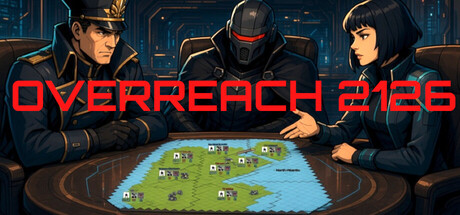 OVERREACH 2126 Dev only artcode | Generative AI was used in supporting the generation of artwork, code, testing and marketing. | The Extremely Tiny Game Studio | - | Oct 1, 2026 | |
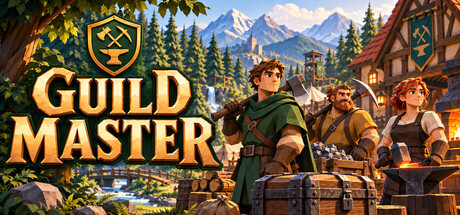 Guild Master In-game content art | Guild Master features artwork developed with generative AI. | Recoil Mojo | - | Oct 1, 2026 | |
 Roll In Dev only code | AI used for help with coding support and analysing the balancing. | AceBuffer | - | Oct 1, 2026 |


