Public Steam disclosure research25,706 disclosures tracked
Where do games disclose AI use?
Search developers’ Steam disclosures, compare classified AI use across
games, and follow recorded changes.
This index adds cross-game classifications and statistics to
statements published on individual store pages.
Groups reflect automatic analysis of public disclosures; mature records are excluded. These counts do not measure AI use across all of Steam.
Missing or unclear statements cannot establish whether a game uses AI.
As a solo indie developer, I use AI for multi-language localization. This helps me deliver a smoother, more accessible player experience while allowing me to focus more time on gameplay, systems, level design, and so on.
The store page text was drafted and refined with the assistance of generative AI, with all content being ultimately reviewed and approved by our team to ensure quality and clarity.
Generative AI was used for the production of SOME art assets. Some are completely handmade, Some are almost entirely AI with additional human editing. This normally varies by game where one will have lots of AI and one will be completely handmade.
Art assets refer to images and music.
No AI ever runs during runtime.
This game uses pre-generated AI only for certain UI background images and promotional store visuals. These assets were created before release and remain fixed. The game does not include any live AI generation during gameplay.
We use AI tools to assist in development strictly for:
1.Writing boilerplate code and handling repetitive tasks.
2.Adjusting and refining our original texture assets.
3.Polishing the script and text.
All content is manually reviewed and finalized by the team.
I use AI to supplement as a stand in for what will eventually become human made content, currently its just music at the main menu and some parts of images in advertisements
Some of the background concept art images are AI-generated. Examples include the character background on the right side of the main interface and the background of the puzzle mini-game.
This game uses generative AI during development to assist with the creation of visual assets and music. AI was also used to assist with certain marketing materials (e.g., trailer and store assets). All AI-assisted content is reviewed and edited by the developer before release. The game does not generate content from player inputs at runtime, and no player data is used to train AI models.
Generative AI tools were used during development exclusively at auxiliary stages of production. Some visual elements for the game’s Steam store page, as well as certain interface elements, were created using AI generation and then manually refined and integrated.
AI is not used in gameplay, game logic, character behavior, or decision-making systems. All mechanics, balance, and interactions in the game are developed by the author and function independently of AI.
Most of the images in the game, as well as marketing materials, have been generated through AI or have had AI filters applied to them for the sake of a consistent art style. Some of the game's text has also been AI-generated, though to a much lesser extent.
All of it has been manually reviewed and has had corrections applied where needed.
AI tools were used to generate initial drafts for some character and background assets. However, all AI-generated assets were manually retouched, edited, and finalized by the developer to ensure a consistent art style and quality.
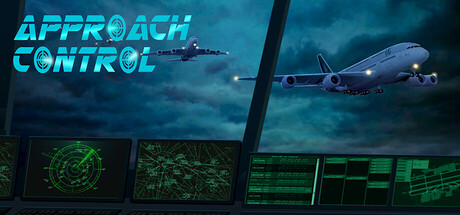
ChatGPT was used to create trophies for the trophy case. All in-game art was created myself using Photoshop. The splash page was created by my part-time artist. She bought imagery from istockphoto, and asked me to generate the 3D aircraft renderings, which I did using Unity3D. To the very best of my knowledge, AI was ONLY used to generate the 20 trophies.
Since this game is older than “Reflection Of Sin”, I was inexperienced when it came to finding good ambient music. For this reason, I used AI to create ambient music in only a few levels.
This game uses generative AI as part of the development process. AI tools are utilized to help create or modify certain sound effects, visual assets, and concept materials. All AI-generated content is reviewed, edited, and integrated by the development team. No generative AI systems are used during live gameplay.
AI has been used to enable the small team of developers to generate code faster and speed up development significantly. It has also been used to generate some art assets. We aim to use AI in a way to enhance the speed and quality of our output, while being mindful of not using it in a way that hurts the artistical integrity of the game.
Images in-game and marketing were designed by us, then generated with ChatGPT, then modified and edited by us. Coding support from ChatGPT Codex, that has been so much help.
Just used to help make the game.
"Generative AI was used solely for the creation of marketing and promotional materials, such as storefront banners and promotional posters. All in-game assets—including 3D models, textures, environments, and animations—have been manually hand-crafted by the developer without the use of AI to ensure artistic integrity and the highest quality for the gameplay experience."
Some in-game and store artwork assets were generated with the assistance of AI tools and then edited and integrated by the developer. No copyrighted material was intentionally used.
Generative AI tools were utilized during the development of The Bliss to assist with initial script brainstorming, technical troubleshooting, and the creation of minor 2D artwork elements. All AI-assisted content was heavily modified, edited, and curated by the development team to align with the game's strict artistic vision. (Note: Any 3D AI-generated assets were used strictly as temporary placeholders during prototyping and have been completely replaced by human-crafted models in the final release).
We have utilized AI-assisted design for the store materials and some 2D background images within the game. However, these are not purely AI-generated; they are based on our original photographs that were enhanced using AI technology, and subsequently refined manually to ensure quality.
We utilize AI tools to assist in our development process. Any content generated with AI is then carefully refined and polished by our design team to ensure it aligns perfectly with the game's unique art style and overall vision.
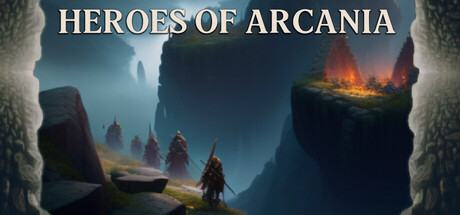
The art in this demo was either directly created using the visual assets of the Second Edition of the tabletop game "Heroes of Arcania" or inspired by/edited to be a close approximation of the visual assets of said tabletop game.
The art from the tabletop game is NOT AI generated art but AI assisted.
All of the art started as a drawing or photograph created by the original artist which was then used as a base image that was processed by AI to sharpen the image.
This process ensures that NO ONE'S art is stolen.
On top of this, every one of the over 750 unique images used for the tabletop game is put through google image search. If any come back with a result other than "No image found", it is replaced to ensure due diligence is done to protect others.
As a solo indie developer, I use AI for multi-language localization. This helps me deliver a smoother, more accessible player experience while allowing me to focus more time on gameplay, systems, level design, and so on.
The store page text was drafted and refined with the assistance of generative AI, with all content being ultimately reviewed and approved by our team to ensure quality and clarity.
Generative AI was used for the production of SOME art assets. Some are completely handmade, Some are almost entirely AI with additional human editing. This normally varies by game where one will have lots of AI and one will be completely handmade.
Art assets refer to images and music.
No AI ever runs during runtime.
This game uses pre-generated AI only for certain UI background images and promotional store visuals. These assets were created before release and remain fixed. The game does not include any live AI generation during gameplay.
We use AI tools to assist in development strictly for:
1.Writing boilerplate code and handling repetitive tasks.
2.Adjusting and refining our original texture assets.
3.Polishing the script and text.
All content is manually reviewed and finalized by the team.
I use AI to supplement as a stand in for what will eventually become human made content, currently its just music at the main menu and some parts of images in advertisements
Some of the background concept art images are AI-generated. Examples include the character background on the right side of the main interface and the background of the puzzle mini-game.
This game uses generative AI during development to assist with the creation of visual assets and music. AI was also used to assist with certain marketing materials (e.g., trailer and store assets). All AI-assisted content is reviewed and edited by the developer before release. The game does not generate content from player inputs at runtime, and no player data is used to train AI models.
Generative AI tools were used during development exclusively at auxiliary stages of production. Some visual elements for the game’s Steam store page, as well as certain interface elements, were created using AI generation and then manually refined and integrated.
AI is not used in gameplay, game logic, character behavior, or decision-making systems. All mechanics, balance, and interactions in the game are developed by the author and function independently of AI.
Most of the images in the game, as well as marketing materials, have been generated through AI or have had AI filters applied to them for the sake of a consistent art style. Some of the game's text has also been AI-generated, though to a much lesser extent.
All of it has been manually reviewed and has had corrections applied where needed.
AI tools were used to generate initial drafts for some character and background assets. However, all AI-generated assets were manually retouched, edited, and finalized by the developer to ensure a consistent art style and quality.
ChatGPT was used to create trophies for the trophy case. All in-game art was created myself using Photoshop. The splash page was created by my part-time artist. She bought imagery from istockphoto, and asked me to generate the 3D aircraft renderings, which I did using Unity3D. To the very best of my knowledge, AI was ONLY used to generate the 20 trophies.
Since this game is older than “Reflection Of Sin”, I was inexperienced when it came to finding good ambient music. For this reason, I used AI to create ambient music in only a few levels.
This game uses generative AI as part of the development process. AI tools are utilized to help create or modify certain sound effects, visual assets, and concept materials. All AI-generated content is reviewed, edited, and integrated by the development team. No generative AI systems are used during live gameplay.
AI has been used to enable the small team of developers to generate code faster and speed up development significantly. It has also been used to generate some art assets. We aim to use AI in a way to enhance the speed and quality of our output, while being mindful of not using it in a way that hurts the artistical integrity of the game.
Images in-game and marketing were designed by us, then generated with ChatGPT, then modified and edited by us. Coding support from ChatGPT Codex, that has been so much help.
Just used to help make the game.
"Generative AI was used solely for the creation of marketing and promotional materials, such as storefront banners and promotional posters. All in-game assets—including 3D models, textures, environments, and animations—have been manually hand-crafted by the developer without the use of AI to ensure artistic integrity and the highest quality for the gameplay experience."
Some in-game and store artwork assets were generated with the assistance of AI tools and then edited and integrated by the developer. No copyrighted material was intentionally used.
Generative AI tools were utilized during the development of The Bliss to assist with initial script brainstorming, technical troubleshooting, and the creation of minor 2D artwork elements. All AI-assisted content was heavily modified, edited, and curated by the development team to align with the game's strict artistic vision. (Note: Any 3D AI-generated assets were used strictly as temporary placeholders during prototyping and have been completely replaced by human-crafted models in the final release).
We have utilized AI-assisted design for the store materials and some 2D background images within the game. However, these are not purely AI-generated; they are based on our original photographs that were enhanced using AI technology, and subsequently refined manually to ensure quality.
We utilize AI tools to assist in our development process. Any content generated with AI is then carefully refined and polished by our design team to ensure it aligns perfectly with the game's unique art style and overall vision.
The art in this demo was either directly created using the visual assets of the Second Edition of the tabletop game "Heroes of Arcania" or inspired by/edited to be a close approximation of the visual assets of said tabletop game.
The art from the tabletop game is NOT AI generated art but AI assisted.
All of the art started as a drawing or photograph created by the original artist which was then used as a base image that was processed by AI to sharpen the image.
This process ensures that NO ONE'S art is stolen.
On top of this, every one of the over 750 unique images used for the tabletop game is put through google image search. If any come back with a result other than "No image found", it is replaced to ensure due diligence is done to protect others.