Public Steam disclosure research25,714 disclosures tracked
Where do games disclose AI use?
Search developers’ Steam disclosures, compare classified AI use across
games, and follow recorded changes.
This index adds cross-game classifications and statistics to
statements published on individual store pages.
Groups reflect automatic analysis of public disclosures; mature records are excluded. These counts do not measure AI use across all of Steam.
Missing or unclear statements cannot establish whether a game uses AI.
All text content was originally written in pt‑BR (Brazilian Portuguese) and localized into other languages with the assistance of AI tools. This localization extends beyond the game itself.
All creative assets were created by humans, such as audio, visual, and other content developed by our team or licensed from third parties.
Generative AI tools were used during development for selected marketing art concepts and production assistance. Final assets and text were reviewed and edited by the developer. Pulse Citadel does not use live-generated AI during gameplay; in-game research nodes, combat behavior, progression, achievements, and UI text are fixed content.
As a legally blind solo developer, AI-assisted tools helped with visual concepting and production support. All final store materials and game content were reviewed, selected, and edited by the developer.
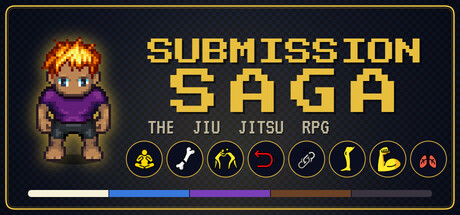
Some UI icons, character and creature sprites, and other in-game graphics in Submission Saga were created with the assistance of generative AI image tools (including Pixellab.ai), and portions of the store page text were drafted with AI writing assistance. Portions of the game's source code were also written with the assistance of an AI coding assistant. All AI-generated content was reviewed, edited, and curated by the developer before inclusion. No AI is used to generate content live during gameplay.
Translations and text content are AI-generated. Some of the UI and game backgrounds are AI generated with manual post-processing. Some of the VFX for the animations are AI generated with post-processing.
During the development of this game, generative AI is used as a supporting tool for parts of the Japanese / English translation drafts. Final wording is reviewed and adjusted internally before being adopted.
The main theme song for Escape From Planet Pan features lyrics by Nob Studio and was composed using Suno AI.
All other assets were created traditionally.
Some of the text descriptions on the game’s store page, certain in-game localization texts, and some images used in the test version were generated with the help of AI technology.
TRANSLATIONS in store page and in-game have been generated with artificial intelligence. These translations are FULLY OPTIONAL to use and you can experience the full game without any artificial intelligence by playing in the English language. I wanted to give people the possibility to experience the game in their native language, which is why this decision was made.
AI tools were used during development for assistance with English localization, parts of programming, and the creation of certain icons and visual assets. All generated content was reviewed and edited by the developer before being included in the final game.
This game is the handcrafted work of developer duo. During the development process, generative tools were used as supportive instruments within the creative workflow. The final game experience fully reflects the developer’s original creative vision and craftsmanship.
Some store page artwork, capsule images, and library artwork for Peg Cascade were created with assistance from generative AI tools, then selected, edited, and prepared by the developer for use in the game’s presentation. The game does not generate AI content during gameplay.
This game uses generative AI to assist with the creation of pixel art assets (character sprites, projectiles, icons, capsule art) and to support code development. All generated content was reviewed, integrated, and finalized by the developer. No AI is used at runtime —
every asset is pre-generated and baked into the build. No player data is sent to AI services during gameplay.
We've harnessed the power of Generative AI technology to create several of our game's unique theme background artworks, enhancing your gaming experience with visually stunning designs.
As a solo indie developer, I use AI to assist with multi-language localization and the creation of some background images. This helps me provide a smoother, more accessible player experience while allowing me to focus more time on gameplay, systems, level design, and other core parts of the game.
Generative AI was used only during production for early concept exploration and the creation of some promotional asset drafts. The game does not use generative AI during gameplay. All core in-game assets were manually reviewed, edited, and reworked by human artists.
Generative AI tools were used during development to assist with portions of the game's programming workflow, including prototyping, debugging, and code iteration. All code is reviewed, modified, integrated, and validated by the developer.
Some store-page and marketing visual assets may be created or assisted with generative AI. The game itself does not generate AI content during gameplay.
I'm a solo developer. Without AI tools, this game would not exist — the art, music, and copy would have been unaffordable to commission and impossible for me to produce alone. AI let me focus on what I actually built by hand: the game design, the mechanics, the 181 tomes, the scoring engine, the balance, the words.
What's AI-generated:
• Visual art (backgrounds, character portraits, tome/scroll/blessing illustrations, store page art) — generated with AI image tools, curated and selected by me
• Music — generated with AI audio tools, curated and selected by me
• Some flavor text and descriptive copy — drafted with AI assistance, edited by me
What's not AI:
• The game itself — every system, mechanic, balance number, character design, and core decision is mine
• The dictionary, the tile distributions, the scoring math, the run structure, the boss fights — hand-built
• The code — written by me with the help of AI assistants the same way any modern developer uses them
No AI runs at runtime. Nothing is generated for you on the fly during play. Everything you see was reviewed before it shipped.
This game was developed with the assistance of generative AI tools. AI was used during development to assist with code, audio, and visual assets. All AI-generated content was reviewed, edited, and integrated by the developer. No generative AI operates at runtime during gameplay.
Generative AI was used during development to assist with some visual concept art, store page images, and marketing assets. All AI-assisted content is manually reviewed, edited, and curated by the developer. The game does not include real-time generative AI content.
Dead Sector's in-game rank insignia icons, app icon, and Steam store graphics were produced procedurally via custom Python rendering scripts (PIL and resvg) authored with AI coding assistance. The output is deterministic vector and raster compositing, not generative-AI imagery. No image, audio, or animation generation models were used in any content shipped with the game. Game design, mechanics design and logic are original developer work.
Some visual assets, store assets, localization drafts, and marketing materials for SEO OR DIE were created or enhanced with the assistance of generative AI tools.
All AI-assisted content was reviewed, edited, and integrated by the developer to match the game's final art direction, narrative tone, and quality standards.
The game does not use real-time AI generation during gameplay.
Cyber Spartan uses AI-generated content for select visual assets, including character expression artwork and some promotional materials. Core gameplay code, game design, and level design are human-directed. AI tools were used as a creative partner
throughout development.
Generative AI tools were used during development to create selected promotional graphics and visual materials. The game does not use generative AI during gameplay.
This game uses generative artificial intelligence (AI) to create some of its visual art assets. Certain in-game images and illustrations were partially generated with the assistance of AI-based painting tools.
All text content was originally written in pt‑BR (Brazilian Portuguese) and localized into other languages with the assistance of AI tools. This localization extends beyond the game itself.
All creative assets were created by humans, such as audio, visual, and other content developed by our team or licensed from third parties.
Generative AI tools were used during development for selected marketing art concepts and production assistance. Final assets and text were reviewed and edited by the developer. Pulse Citadel does not use live-generated AI during gameplay; in-game research nodes, combat behavior, progression, achievements, and UI text are fixed content.
As a legally blind solo developer, AI-assisted tools helped with visual concepting and production support. All final store materials and game content were reviewed, selected, and edited by the developer.
Some UI icons, character and creature sprites, and other in-game graphics in Submission Saga were created with the assistance of generative AI image tools (including Pixellab.ai), and portions of the store page text were drafted with AI writing assistance. Portions of the game's source code were also written with the assistance of an AI coding assistant. All AI-generated content was reviewed, edited, and curated by the developer before inclusion. No AI is used to generate content live during gameplay.
Translations and text content are AI-generated. Some of the UI and game backgrounds are AI generated with manual post-processing. Some of the VFX for the animations are AI generated with post-processing.
During the development of this game, generative AI is used as a supporting tool for parts of the Japanese / English translation drafts. Final wording is reviewed and adjusted internally before being adopted.
The main theme song for Escape From Planet Pan features lyrics by Nob Studio and was composed using Suno AI.
All other assets were created traditionally.
Some of the text descriptions on the game’s store page, certain in-game localization texts, and some images used in the test version were generated with the help of AI technology.
TRANSLATIONS in store page and in-game have been generated with artificial intelligence. These translations are FULLY OPTIONAL to use and you can experience the full game without any artificial intelligence by playing in the English language. I wanted to give people the possibility to experience the game in their native language, which is why this decision was made.
AI tools were used during development for assistance with English localization, parts of programming, and the creation of certain icons and visual assets. All generated content was reviewed and edited by the developer before being included in the final game.
This game is the handcrafted work of developer duo. During the development process, generative tools were used as supportive instruments within the creative workflow. The final game experience fully reflects the developer’s original creative vision and craftsmanship.
Some store page artwork, capsule images, and library artwork for Peg Cascade were created with assistance from generative AI tools, then selected, edited, and prepared by the developer for use in the game’s presentation. The game does not generate AI content during gameplay.
This game uses generative AI to assist with the creation of pixel art assets (character sprites, projectiles, icons, capsule art) and to support code development. All generated content was reviewed, integrated, and finalized by the developer. No AI is used at runtime —
every asset is pre-generated and baked into the build. No player data is sent to AI services during gameplay.
We've harnessed the power of Generative AI technology to create several of our game's unique theme background artworks, enhancing your gaming experience with visually stunning designs.
As a solo indie developer, I use AI to assist with multi-language localization and the creation of some background images. This helps me provide a smoother, more accessible player experience while allowing me to focus more time on gameplay, systems, level design, and other core parts of the game.
Generative AI was used only during production for early concept exploration and the creation of some promotional asset drafts. The game does not use generative AI during gameplay. All core in-game assets were manually reviewed, edited, and reworked by human artists.
Generative AI tools were used during development to assist with portions of the game's programming workflow, including prototyping, debugging, and code iteration. All code is reviewed, modified, integrated, and validated by the developer.
Some store-page and marketing visual assets may be created or assisted with generative AI. The game itself does not generate AI content during gameplay.
I'm a solo developer. Without AI tools, this game would not exist — the art, music, and copy would have been unaffordable to commission and impossible for me to produce alone. AI let me focus on what I actually built by hand: the game design, the mechanics, the 181 tomes, the scoring engine, the balance, the words.
What's AI-generated:
• Visual art (backgrounds, character portraits, tome/scroll/blessing illustrations, store page art) — generated with AI image tools, curated and selected by me
• Music — generated with AI audio tools, curated and selected by me
• Some flavor text and descriptive copy — drafted with AI assistance, edited by me
What's not AI:
• The game itself — every system, mechanic, balance number, character design, and core decision is mine
• The dictionary, the tile distributions, the scoring math, the run structure, the boss fights — hand-built
• The code — written by me with the help of AI assistants the same way any modern developer uses them
No AI runs at runtime. Nothing is generated for you on the fly during play. Everything you see was reviewed before it shipped.
This game was developed with the assistance of generative AI tools. AI was used during development to assist with code, audio, and visual assets. All AI-generated content was reviewed, edited, and integrated by the developer. No generative AI operates at runtime during gameplay.
Generative AI was used during development to assist with some visual concept art, store page images, and marketing assets. All AI-assisted content is manually reviewed, edited, and curated by the developer. The game does not include real-time generative AI content.
Dead Sector's in-game rank insignia icons, app icon, and Steam store graphics were produced procedurally via custom Python rendering scripts (PIL and resvg) authored with AI coding assistance. The output is deterministic vector and raster compositing, not generative-AI imagery. No image, audio, or animation generation models were used in any content shipped with the game. Game design, mechanics design and logic are original developer work.
Some visual assets, store assets, localization drafts, and marketing materials for SEO OR DIE were created or enhanced with the assistance of generative AI tools.
All AI-assisted content was reviewed, edited, and integrated by the developer to match the game's final art direction, narrative tone, and quality standards.
The game does not use real-time AI generation during gameplay.
Cyber Spartan uses AI-generated content for select visual assets, including character expression artwork and some promotional materials. Core gameplay code, game design, and level design are human-directed. AI tools were used as a creative partner
throughout development.
Generative AI tools were used during development to create selected promotional graphics and visual materials. The game does not use generative AI during gameplay.
This game uses generative artificial intelligence (AI) to create some of its visual art assets. Certain in-game images and illustrations were partially generated with the assistance of AI-based painting tools.