Public Steam disclosure research25,727 disclosures tracked
Where do games disclose AI use?
Search developers’ Steam disclosures, compare classified AI use across
games, and follow recorded changes.
This index adds cross-game classifications and statistics to
statements published on individual store pages.
Groups reflect automatic analysis of public disclosures; mature records are excluded. These counts do not measure AI use across all of Steam.
Missing or unclear statements cannot establish whether a game uses AI.
Generative AI tools are used exclusively during the development process to assist with creating store page and community-related visual materials. No generative AI content is used in the core gameplay experience or real-time in-game systems.
I created this game in my coding class for school which prioritizes AI coding and development. I have coded a significant portion of this game using artificial tools.
This game uses generative AI tools in limited ways during development, primarily for pre-generated visual/text assets. All AI-assisted content is reviewed, edited, and finalized by the developer before being included in the game. No AI-generated content is created in real time during gameplay.
Generative AI tools were used in a limited and supportive capacity during the development of this project. AI-generated imagery served primarily as visual reference material for the creation of certain 2D assets and textures. In addition, ChatGPT was utilized to assist with language translation, provide guidance during the debugging process, and support the setup and written presentation of the game’s Steam store page.
VainGraphics is a local AI workspace application. Its core functionality heavily utilizes live-generated AI content, allowing users to run Large Language Models (LLMs) to generate text, stories, and code snippets, as well as image generation models to create local artwork. All generative processes run locally on the user's hardware.
This game uses generative AI in the following ways:
• Some of the 2D artwork, images, and icons used in the game and on its
Steam store page were created with the assistance of generative AI tools.
All such assets were then reviewed, edited, and curated by our team.
• Translations for the game's supported languages (localization) were
produced with the assistance of generative AI (machine translation) tools.
All AI-generated content is pre-generated during development. The game does
not generate any AI content live during gameplay.
AI is used for cinematic cutscenes and certain art assets, but the majority of the work is done manually.
Similarly, code workflows include partial generation for certain C++, C#, and HLSL functions.
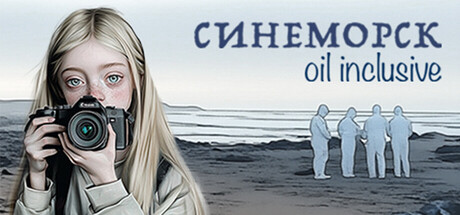
Artificial intelligence was used to create the game. With the help of ChatGPT, we were able to analyze and organize several thousand messages from eco-volunteer chat groups, as well as dozens of media articles, podcasts, and vlogs about the spill. All of this was necessary to identify key events, troubling themes, and the moods of people involved in disaster response, and was used by a human author to further develop the plot and dialogue. The images were created using Midjourney. Photos of real landscapes, but not people, were used to generate prompts. The game’s music was generated in Stability AI. The code to adapt the existing game structure to the Ren’py framework was written using Cursor AI.
Some visual assets used in this game, including character artwork, background images, UI-related artwork, and promotional images, were created or enhanced with the assistance of generative AI tools during development.
All AI-assisted assets were reviewed, selected, edited, and integrated by the development team before being included in the final game. The game does not generate AI content in real time during gameplay.
Generative AI was used to assist with the creation of some 3D models, music, sound effects, and certain visual assets used in the game and on the store page. Tools such as Meshy AI and Suno AI were used during asset creation. All final assets were reviewed, selected, and edited before being included in the final product.
Artificial Intelligence is used to generate some of the images and visual assets displayed in the game. All generated content is reviewed and curated by the development team before publication.
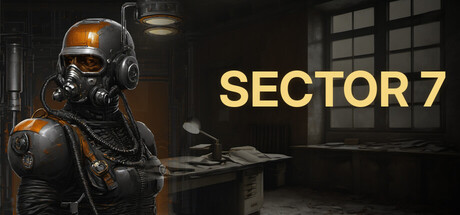
Some of Sector 7's artwork — including its store and marketing images — and its narrative text were created with AI assistance and then reviewed and edited by the developer. Localization into additional languages used AI translation with human review.
Generative AI tools were used as part of the development and drafting workflow. Hex Tower Boogie does not generate content during gameplay, does not connect to external AI services, and all shipped/store content is reviewed and curated by the developer.
Generative AI was used only for pre-generation of some content. It was used to create some marketing materials for the store page, as well as music and some sound effects. All such content was reviewed, selected, and finalized by the developer before being included in the game or published on the store page.
The game does not utilize real-time generative AI. Generative AI does not contribute to the story, enemy behavior, gameplay, dialogue, or any other interaction with the player during gameplay.
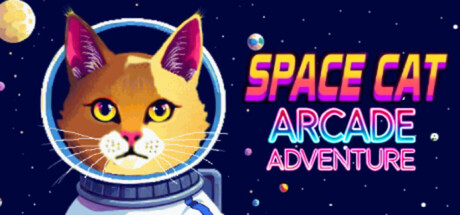
Generative AI tools were used during the creation of marketing and promotional materials for the game's Steam Store page and Community Hub assets. Specifically, the game's official community avatars, group banner backgrounds, and concept art presentations were generated using AI imagery tools to establish the game's retro space pixel-art aesthetic. No AI-generated assets are contained directly within the game code or build itself.
This game used generative AI tools during development to assist with the creation and iteration of some visual assets, text and code. All AI-assisted content was reviewed, edited and manually implemented by the developer. The game does not generate AI content during gameplay.
The music and background tracks in the game were pre-generated using generative AI platforms. These AI-generated audio files were curated to fit the project's atmosphere and statically included in the game. The game does not use any real-time AI generation for content or music.
Some 2D art (such as cosmetic items) and the background music were created using generative AI tools based on developer reference images, then reviewed and edited by the developer. No AI runs during gameplay.
The visual assets, audio, music, in-game text, and store page content of this game were created with the help of generative AI tools. All AI-generated content was reviewed, selected, and assembled by the developer. The game's design, code, and systems were created by the developer.
Some code assistance tools and limited generative AI techniques were used during development. Some card artwork has been refined with the assistance of AI-based editing tools.
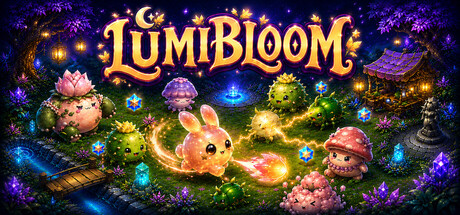
Some visual assets, promotional artwork, sound concepts, and early creative content for Lumibloom were created or assisted using generative AI tools during development. All AI-assisted content is reviewed, edited, and integrated by the developer to fit the game’s final artistic direction and gameplay experience.
Generative AI tools are used exclusively during the development process to assist with creating store page and community-related visual materials. No generative AI content is used in the core gameplay experience or real-time in-game systems.
I created this game in my coding class for school which prioritizes AI coding and development. I have coded a significant portion of this game using artificial tools.
This game uses generative AI tools in limited ways during development, primarily for pre-generated visual/text assets. All AI-assisted content is reviewed, edited, and finalized by the developer before being included in the game. No AI-generated content is created in real time during gameplay.
Generative AI tools were used in a limited and supportive capacity during the development of this project. AI-generated imagery served primarily as visual reference material for the creation of certain 2D assets and textures. In addition, ChatGPT was utilized to assist with language translation, provide guidance during the debugging process, and support the setup and written presentation of the game’s Steam store page.
VainGraphics is a local AI workspace application. Its core functionality heavily utilizes live-generated AI content, allowing users to run Large Language Models (LLMs) to generate text, stories, and code snippets, as well as image generation models to create local artwork. All generative processes run locally on the user's hardware.
This game uses generative AI in the following ways:
• Some of the 2D artwork, images, and icons used in the game and on its
Steam store page were created with the assistance of generative AI tools.
All such assets were then reviewed, edited, and curated by our team.
• Translations for the game's supported languages (localization) were
produced with the assistance of generative AI (machine translation) tools.
All AI-generated content is pre-generated during development. The game does
not generate any AI content live during gameplay.
AI is used for cinematic cutscenes and certain art assets, but the majority of the work is done manually.
Similarly, code workflows include partial generation for certain C++, C#, and HLSL functions.
Artificial intelligence was used to create the game. With the help of ChatGPT, we were able to analyze and organize several thousand messages from eco-volunteer chat groups, as well as dozens of media articles, podcasts, and vlogs about the spill. All of this was necessary to identify key events, troubling themes, and the moods of people involved in disaster response, and was used by a human author to further develop the plot and dialogue. The images were created using Midjourney. Photos of real landscapes, but not people, were used to generate prompts. The game’s music was generated in Stability AI. The code to adapt the existing game structure to the Ren’py framework was written using Cursor AI.
Some visual assets used in this game, including character artwork, background images, UI-related artwork, and promotional images, were created or enhanced with the assistance of generative AI tools during development.
All AI-assisted assets were reviewed, selected, edited, and integrated by the development team before being included in the final game. The game does not generate AI content in real time during gameplay.
Generative AI was used to assist with the creation of some 3D models, music, sound effects, and certain visual assets used in the game and on the store page. Tools such as Meshy AI and Suno AI were used during asset creation. All final assets were reviewed, selected, and edited before being included in the final product.
Artificial Intelligence is used to generate some of the images and visual assets displayed in the game. All generated content is reviewed and curated by the development team before publication.
Some of Sector 7's artwork — including its store and marketing images — and its narrative text were created with AI assistance and then reviewed and edited by the developer. Localization into additional languages used AI translation with human review.
Generative AI tools were used as part of the development and drafting workflow. Hex Tower Boogie does not generate content during gameplay, does not connect to external AI services, and all shipped/store content is reviewed and curated by the developer.
Generative AI was used only for pre-generation of some content. It was used to create some marketing materials for the store page, as well as music and some sound effects. All such content was reviewed, selected, and finalized by the developer before being included in the game or published on the store page.
The game does not utilize real-time generative AI. Generative AI does not contribute to the story, enemy behavior, gameplay, dialogue, or any other interaction with the player during gameplay.
Generative AI tools were used during the creation of marketing and promotional materials for the game's Steam Store page and Community Hub assets. Specifically, the game's official community avatars, group banner backgrounds, and concept art presentations were generated using AI imagery tools to establish the game's retro space pixel-art aesthetic. No AI-generated assets are contained directly within the game code or build itself.
This game used generative AI tools during development to assist with the creation and iteration of some visual assets, text and code. All AI-assisted content was reviewed, edited and manually implemented by the developer. The game does not generate AI content during gameplay.
The music and background tracks in the game were pre-generated using generative AI platforms. These AI-generated audio files were curated to fit the project's atmosphere and statically included in the game. The game does not use any real-time AI generation for content or music.
Some 2D art (such as cosmetic items) and the background music were created using generative AI tools based on developer reference images, then reviewed and edited by the developer. No AI runs during gameplay.
The visual assets, audio, music, in-game text, and store page content of this game were created with the help of generative AI tools. All AI-generated content was reviewed, selected, and assembled by the developer. The game's design, code, and systems were created by the developer.
Some code assistance tools and limited generative AI techniques were used during development. Some card artwork has been refined with the assistance of AI-based editing tools.
Some visual assets, promotional artwork, sound concepts, and early creative content for Lumibloom were created or assisted using generative AI tools during development. All AI-assisted content is reviewed, edited, and integrated by the developer to fit the game’s final artistic direction and gameplay experience.