Public Steam disclosure research25,380 disclosures tracked
Where do games disclose AI use?
Search developers’ Steam disclosures, compare classified AI use across
games, and follow recorded changes.
This index adds cross-game classifications and statistics to
statements published on individual store pages.
Groups reflect automatic analysis of public disclosures; mature records are excluded. These counts do not measure AI use across all of Steam.
Missing or unclear statements cannot establish whether a game uses AI.
Some included character, animal, creature and sample images were created with generative AI and then edited and prepared for the product. Generative AI also assisted with localization. MEMEMINT does not generate new images or text with generative AI during use and does not connect to a third-party generative AI service. Its local background-removal feature uses a non-generative segmentation model.
We use generative AI for some of the following elements.
・Some of the in-game art
・Some of the code
・Some of the banners and trailers on the store page
Generative AI tools were used during development to create some visual assets and to assist with writing, modifying, and debugging code. All AI-generated or AI-assisted content was reviewed, adjusted, and integrated by the developer. The game does not use generative AI to create content during gameplay.
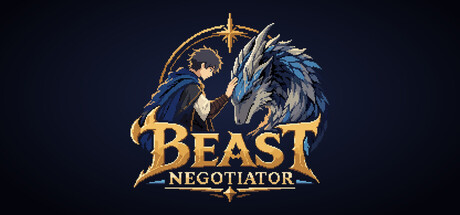
This game uses generative AI to create pre-generated content that ships with the game: character and monster artwork, backgrounds and other images, the logo, negotiation dialogue text, and level design. The store page text and marketing images are also created with AI assistance. No AI content is generated live while you play.
Music, background, videos and images in this game, especially the artwork, were created using AI tools as a visual supplement.
This creative choice allowed me to focus more time and resources on what matters most, delivering longer, more engaging, and fun gameplay.
Generative AI was used during development to create some visual assets, including the title artwork and app icon. AI tools also assisted with some 3D models, in-game text, localization, and sound effects. The game does not use generative AI services to create content during play.
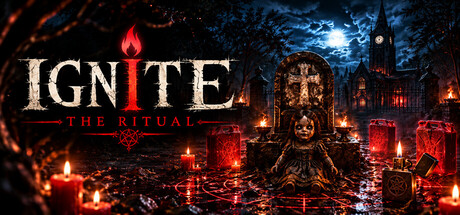
Generative AI tools were used to assist with drafting and refining the Steam store page description for Ignite: The Ritual. No generative AI content is used as an in-game asset or generated during gameplay.
Generative AI was used during development to create some vegetation textures and to assist with in-game text, quest descriptions, and store copy. This content is prepared in advance and included with the game. The game does not generate AI content during gameplay or connect to third-party AI services.
Some source code and internal editor tooling were written with the assistance of AI coding tools during development. All of it was reviewed, edited and tested by the developer. The game's story, dialogue, characters and design are human-written. Visual and audio assets come from licensed asset packs and human-made content. No content is generated by AI while the game is running.
Generative AI was used during development to create selected pre-generated visual assets, including some character models, weapon presentation models and related images, as well as some promotional artwork for the store. These assets were selected, post-processed and integrated by the developer. Store gameplay screenshots are captured from the running game and have not been generatively altered; they may show game content that uses pre-generated AI assets. The current game does not call generative AI services or generate new content during play.
AI tools were used during development to assist with portions of the game’s artwork, audio, and gameplay logic, which were refined and integrated by the developer. All AI-assisted content was created in advance; the game does not use real-time generative AI during gameplay.
Generative AI was used to create pre-generated vivid reinterpretations of public-domain classical paintings and promotional/store artwork. These fixed images are included with the game. Gameplay does not generate AI content or connect to external AI services; imported images are processed locally.
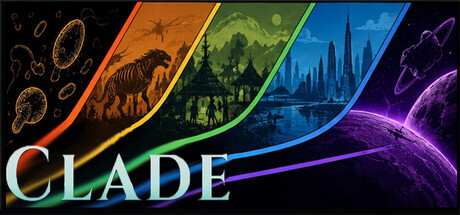
Clade is made by a small independent developer. During development, AI tools were used to help write some of the game's code, and to create some placeholder 3D models and text. All placeholder art is being replaced with handmade work, and this note will be updated as that happens. The game does not generate any content with AI while you play. The computer controlled empires are traditional game AI written for Clade, not generative AI.
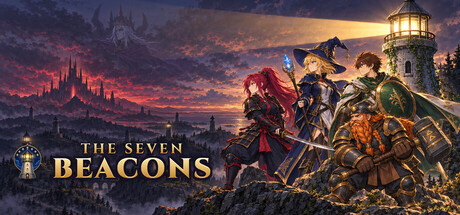
The Seven Beacons is made by a small independent studio that uses generative AI tools as part of production. Every piece is directed, chosen and integrated by the developer.
Pre-generated with AI assistance:
- Illustrations: combat art, backgrounds, characters, and the store and library art.
- Music: compositions created with AI assistance and performed with sampled instruments.
- The English and Brazilian Portuguese translations (the game was written in Spanish).
- Pixel sprites and sound effects, generated by scripts written with AI assistance.
- The text of this store page.
The game does not generate any AI content while you play: everything you see and hear was made before release and ships with the game.
This game uses generative AI to assist in creating some game assets. All AI-generated assets are manually reviewed, adjusted, and refined by the developer. The game does not generate AI content in real-time during gameplay.
Subject Zero was made with an AI assistant. Its code, its written content (the headlines, incidents, exams, the codex and every interface string) and the translations of the interface and the manual were written with Claude (Anthropic) under the developer's direction and review.
The achievement icons on this store page are AI-generated images (Midjourney). The teaser trailer's video clips were generated with Google Veo, its narration was synthesised with ElevenLabs, and its subtitles were machine-translated.
Nothing is generated while you play: the game contains no AI model and calls no online service. Every headline, incident and outcome comes from fixed tables written in advance, and the same seed always plays out the same way.
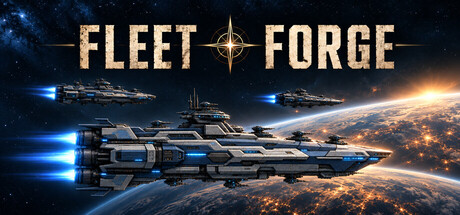
Generative AI tools were used during development to create and refine visual artwork, including spacecraft images, environments, story illustrations, and promotional graphics. This content was prepared during development and is included as fixed assets. Fleet Forge does not generate AI artwork, dialogue, or other content during gameplay.
Some 3D models, textures and sound effects were created with the help of generative AI tools and then edited, cleaned up and finished by hand by our team. Some store page and marketing artwork was also created with generative AI tools. All AI-assisted content was reviewed by the developers before being included. The game does not generate any content with AI while you play.
Some visual assets in this game (such as illustrations, icons, and background images) were created with the assistance of generative AI tools. All AI-generated content was reviewed, edited, and curated by our development team before being included in the game.
The 3D character models and their textures in this game were created using a generative AI tool (Tripo AI), based on original images prepared by the developer. ChatGPT / DALL·E were also used to create UI icons, background art (sky and grass), and some textures. All generated results were reviewed and adjusted by the developer before being included in the game. The game does not generate any AI content at runtime.
Generative AI tools were used in a limited capacity during development to assist with some audio and visual elements. The vast majority of the game's content was created by our team.
As a solo developer, I used generative AI to help create the game’s 440 different jar labels and localization content. Every label was individually reviewed by me and edited where necessary.
Generative AI was used to help create some of the game's art assets, concept art, and promotional images, which were then selected, refined, and integrated by the developer.
Some of the artwork in Wonder Glider (scenery, characters, icons and the title lettering) and some of its text and translations were created with the help of generative AI tools, then edited by us. The game does not generate any AI content while you play.
No art, audio, levels, or other authored game content was created using generative AI.
However, a small local AI model runs during gameplay to interpret the player's commands and control the character accordingly. Rest assured, it's dumb as a rock. It won't take over the world or your computer. It can barely take over the test subject.
AI was used as an interface and scripting assistant for industry standard tools such as Reaper, Godot, Blender, Aseprite, and Deepl for enhancing the quality and consistency of the game content and building systems I otherwise would not have the capacity to design and implement as solo developer.
Where possible, artists are and will continue to be supported via use of their paid or free assets. For this game, the most money spent was on Quaternius source level packages.
Notable exception to this is the UI, which was generated using RetroDiffusion with a python pipeline built in house for consistent design around UI elements using color normalization and targeting from a theme palette, which is then imported and tweaked in Godot.
Parts of the game's code and in-game text were written with AI assistance and edited by hand. The store capsule art was generated with AI image tools from the game's own visual style and then edited. No AI-generated image or audio files ship inside the game itself: every graphic is drawn in code while it runs, and all music and sound are synthesised live.
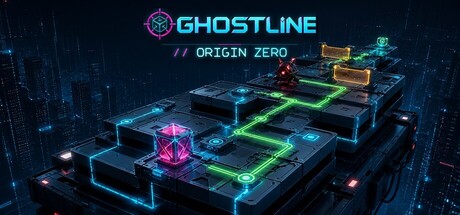
Generative AI was used to create pre-rendered English voice performances and selected music used in the game. All AI-generated content is fixed before release; GhostLine does not generate content during gameplay or connect to an external AI service.
Translation: AI tools assisted with translating the game's text into Simplified Chinese, Japanese, Korean, Spanish, Brazilian Portuguese, Italian and French. The English text, all art, music and sound are made by hand.
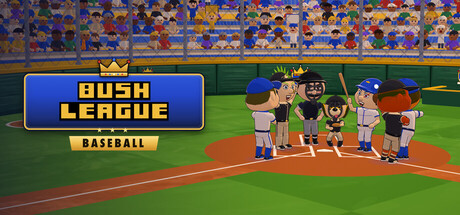
The booth announcer's voice (Chuck Baseball) is generated with ElevenLabs from a script written by the developers. AI tools also assisted with translating the game's text into Simplified Chinese, Japanese, Korean, Spanish, Brazilian Portuguese, Italian and French.
Generative AI-assisted tools were used during development to support programming, localization and store-page text, and the creation or refinement of some visual game assets. All AI-assisted output was reviewed, edited, tested and integrated by the developer. No content is generated by AI during gameplay, and the game does not connect to external AI services.
Generative AI tools were used during development to assist with some artwork, text and localization, and English announcer voice clips created using text-to-speech. This content is prepared in advance and used as fixed assets in the game or on its Steam store page. No AI-generated content is created during gameplay.
AI was used to assist with text translation into Italian, Portuguese, Chinese, Japanese, Korean, Norwegian, Swedish and German. The translations are used in the store page and in-game.
No other content in this game uses AI.
Fliprium contains visual artwork, music, and sound effects created with the assistance of generative AI tools. OpenAI image-generation tools were used for some visual assets, Suno for some music, and ElevenLabs for some sound effects. These assets were selected, edited, and integrated into the game by the developer during production
Generative AI was used for pre-generated promotional artwork and localization text. No AI content is generated during gameplay. The game does not connect to external AI services.
Generative AI was used during the development of the game to create and assist with visual assets, including illustrations, UI elements, icons, textures, and promotional artwork. These AI-generated assets were reviewed, selected, edited, and integrated into the game by the developer.
Some included character, animal, creature and sample images were created with generative AI and then edited and prepared for the product. Generative AI also assisted with localization. MEMEMINT does not generate new images or text with generative AI during use and does not connect to a third-party generative AI service. Its local background-removal feature uses a non-generative segmentation model.
We use generative AI for some of the following elements.
・Some of the in-game art
・Some of the code
・Some of the banners and trailers on the store page
Generative AI tools were used during development to create some visual assets and to assist with writing, modifying, and debugging code. All AI-generated or AI-assisted content was reviewed, adjusted, and integrated by the developer. The game does not use generative AI to create content during gameplay.
This game uses generative AI to create pre-generated content that ships with the game: character and monster artwork, backgrounds and other images, the logo, negotiation dialogue text, and level design. The store page text and marketing images are also created with AI assistance. No AI content is generated live while you play.
Music, background, videos and images in this game, especially the artwork, were created using AI tools as a visual supplement.
This creative choice allowed me to focus more time and resources on what matters most, delivering longer, more engaging, and fun gameplay.
Generative AI was used during development to create some visual assets, including the title artwork and app icon. AI tools also assisted with some 3D models, in-game text, localization, and sound effects. The game does not use generative AI services to create content during play.
Generative AI tools were used to assist with drafting and refining the Steam store page description for Ignite: The Ritual. No generative AI content is used as an in-game asset or generated during gameplay.
Generative AI was used during development to create some vegetation textures and to assist with in-game text, quest descriptions, and store copy. This content is prepared in advance and included with the game. The game does not generate AI content during gameplay or connect to third-party AI services.
Some source code and internal editor tooling were written with the assistance of AI coding tools during development. All of it was reviewed, edited and tested by the developer. The game's story, dialogue, characters and design are human-written. Visual and audio assets come from licensed asset packs and human-made content. No content is generated by AI while the game is running.
Generative AI was used during development to create selected pre-generated visual assets, including some character models, weapon presentation models and related images, as well as some promotional artwork for the store. These assets were selected, post-processed and integrated by the developer. Store gameplay screenshots are captured from the running game and have not been generatively altered; they may show game content that uses pre-generated AI assets. The current game does not call generative AI services or generate new content during play.
AI tools were used during development to assist with portions of the game’s artwork, audio, and gameplay logic, which were refined and integrated by the developer. All AI-assisted content was created in advance; the game does not use real-time generative AI during gameplay.
Generative AI was used to create pre-generated vivid reinterpretations of public-domain classical paintings and promotional/store artwork. These fixed images are included with the game. Gameplay does not generate AI content or connect to external AI services; imported images are processed locally.
Clade is made by a small independent developer. During development, AI tools were used to help write some of the game's code, and to create some placeholder 3D models and text. All placeholder art is being replaced with handmade work, and this note will be updated as that happens. The game does not generate any content with AI while you play. The computer controlled empires are traditional game AI written for Clade, not generative AI.
The Seven Beacons is made by a small independent studio that uses generative AI tools as part of production. Every piece is directed, chosen and integrated by the developer.
Pre-generated with AI assistance:
- Illustrations: combat art, backgrounds, characters, and the store and library art.
- Music: compositions created with AI assistance and performed with sampled instruments.
- The English and Brazilian Portuguese translations (the game was written in Spanish).
- Pixel sprites and sound effects, generated by scripts written with AI assistance.
- The text of this store page.
The game does not generate any AI content while you play: everything you see and hear was made before release and ships with the game.
This game uses generative AI to assist in creating some game assets. All AI-generated assets are manually reviewed, adjusted, and refined by the developer. The game does not generate AI content in real-time during gameplay.
Subject Zero was made with an AI assistant. Its code, its written content (the headlines, incidents, exams, the codex and every interface string) and the translations of the interface and the manual were written with Claude (Anthropic) under the developer's direction and review.
The achievement icons on this store page are AI-generated images (Midjourney). The teaser trailer's video clips were generated with Google Veo, its narration was synthesised with ElevenLabs, and its subtitles were machine-translated.
Nothing is generated while you play: the game contains no AI model and calls no online service. Every headline, incident and outcome comes from fixed tables written in advance, and the same seed always plays out the same way.
Generative AI tools were used during development to create and refine visual artwork, including spacecraft images, environments, story illustrations, and promotional graphics. This content was prepared during development and is included as fixed assets. Fleet Forge does not generate AI artwork, dialogue, or other content during gameplay.
Some 3D models, textures and sound effects were created with the help of generative AI tools and then edited, cleaned up and finished by hand by our team. Some store page and marketing artwork was also created with generative AI tools. All AI-assisted content was reviewed by the developers before being included. The game does not generate any content with AI while you play.
Some visual assets in this game (such as illustrations, icons, and background images) were created with the assistance of generative AI tools. All AI-generated content was reviewed, edited, and curated by our development team before being included in the game.
The 3D character models and their textures in this game were created using a generative AI tool (Tripo AI), based on original images prepared by the developer. ChatGPT / DALL·E were also used to create UI icons, background art (sky and grass), and some textures. All generated results were reviewed and adjusted by the developer before being included in the game. The game does not generate any AI content at runtime.
Generative AI tools were used in a limited capacity during development to assist with some audio and visual elements. The vast majority of the game's content was created by our team.
As a solo developer, I used generative AI to help create the game’s 440 different jar labels and localization content. Every label was individually reviewed by me and edited where necessary.
Generative AI was used to help create some of the game's art assets, concept art, and promotional images, which were then selected, refined, and integrated by the developer.
Some of the artwork in Wonder Glider (scenery, characters, icons and the title lettering) and some of its text and translations were created with the help of generative AI tools, then edited by us. The game does not generate any AI content while you play.
No art, audio, levels, or other authored game content was created using generative AI.
However, a small local AI model runs during gameplay to interpret the player's commands and control the character accordingly. Rest assured, it's dumb as a rock. It won't take over the world or your computer. It can barely take over the test subject.
AI was used as an interface and scripting assistant for industry standard tools such as Reaper, Godot, Blender, Aseprite, and Deepl for enhancing the quality and consistency of the game content and building systems I otherwise would not have the capacity to design and implement as solo developer.
Where possible, artists are and will continue to be supported via use of their paid or free assets. For this game, the most money spent was on Quaternius source level packages.
Notable exception to this is the UI, which was generated using RetroDiffusion with a python pipeline built in house for consistent design around UI elements using color normalization and targeting from a theme palette, which is then imported and tweaked in Godot.
Parts of the game's code and in-game text were written with AI assistance and edited by hand. The store capsule art was generated with AI image tools from the game's own visual style and then edited. No AI-generated image or audio files ship inside the game itself: every graphic is drawn in code while it runs, and all music and sound are synthesised live.
Generative AI was used to create pre-rendered English voice performances and selected music used in the game. All AI-generated content is fixed before release; GhostLine does not generate content during gameplay or connect to an external AI service.
Translation: AI tools assisted with translating the game's text into Simplified Chinese, Japanese, Korean, Spanish, Brazilian Portuguese, Italian and French. The English text, all art, music and sound are made by hand.
The booth announcer's voice (Chuck Baseball) is generated with ElevenLabs from a script written by the developers. AI tools also assisted with translating the game's text into Simplified Chinese, Japanese, Korean, Spanish, Brazilian Portuguese, Italian and French.
Generative AI-assisted tools were used during development to support programming, localization and store-page text, and the creation or refinement of some visual game assets. All AI-assisted output was reviewed, edited, tested and integrated by the developer. No content is generated by AI during gameplay, and the game does not connect to external AI services.
Generative AI tools were used during development to assist with some artwork, text and localization, and English announcer voice clips created using text-to-speech. This content is prepared in advance and used as fixed assets in the game or on its Steam store page. No AI-generated content is created during gameplay.
AI was used to assist with text translation into Italian, Portuguese, Chinese, Japanese, Korean, Norwegian, Swedish and German. The translations are used in the store page and in-game.
No other content in this game uses AI.
Fliprium contains visual artwork, music, and sound effects created with the assistance of generative AI tools. OpenAI image-generation tools were used for some visual assets, Suno for some music, and ElevenLabs for some sound effects. These assets were selected, edited, and integrated into the game by the developer during production
Generative AI was used for pre-generated promotional artwork and localization text. No AI content is generated during gameplay. The game does not connect to external AI services.
Generative AI was used during the development of the game to create and assist with visual assets, including illustrations, UI elements, icons, textures, and promotional artwork. These AI-generated assets were reviewed, selected, edited, and integrated into the game by the developer.