Public Steam disclosure research25,727 disclosures tracked
Where do games disclose AI use?
Search developers’ Steam disclosures, compare classified AI use across
games, and follow recorded changes.
This index adds cross-game classifications and statistics to
statements published on individual store pages.
Groups reflect automatic analysis of public disclosures; mature records are excluded. These counts do not measure AI use across all of Steam.
Missing or unclear statements cannot establish whether a game uses AI.
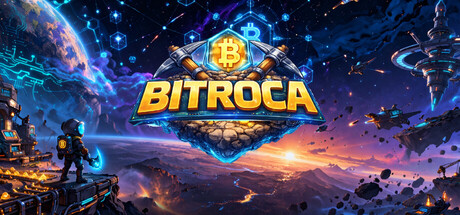
Some of Bitroca's visual assets, UI elements, and audio were created with the help of generative AI tools, then
reviewed and finalized by a human developer before shipping. All content is pre-rendered and baked into the build no AI content is generated during gameplay.
This game was made available in many languages thanks to generative AI. Creation of some assets was performed or aided by generative AI tools.
If you ever beat an open-world game, you probably used more power than was used to generate all the assets in this game, including the ones that went unused. If you 100%'d that game, you used much, much more.
AI-assisted tools were used in the creation of some background images included in the game.
AI-assisted translation was also used for the English and Korean localization. The translated text was reviewed and adjusted during development.
There is no content generated by AI in real time during gameplay.
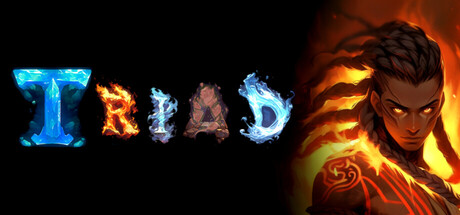
Some visual assets in Triad were created with the assistance of AI tools and further refined by the developer.
Triad is a solo-developed project, and these tools helped make its creation possible.
— Raph, developer of Triad
The game uses AI voice generation tools to create audio voiceovers for partial narrative texts and dialogue. All underlying text and story are originally created by the developer.
Some game artwork was generated with the assistance of AI, including monster sprites and a portion of achievement icons. These assets were then manually reviewed and edited to fit the game's pixel-art style. Store page descriptions were co-written with AI assistance.
Generative AI is used to assist with localization/translation. All localized text is reviewed and edited by the developer.
Generative AI is used to generate steam capsule image and asset. Act as placeholder
- Visual art: A portion of the pixel-art tiles and select character sprites were generated using PixelLab AI (pixellab.ai), then composited, edited, and integrated by the developer.
- Audio: Background music tracks were generated with AI music tools, then exported and sequenced into the game.
- Code & narrative writing: Game code and the in-game chronicler text (Brom's journal entries) were drafted with AI assistance (Anthropic's Claude) and edited by the developer.
Generative AI was used for some of the music in game. All in game art was hand drawn and vectorized by the creator. Main Theme music created by Grace Streeter. Trailer voiceover by Grace Streeter.
Generative AI was used during the development process to create character illustrations for the cards. All AI-generated content has been reviewed, manually refined, and edited by our team to ensure it does not include any illegal or infringing material.
Generative AI tools are used to translate text into different languages and to create visual assets. All content is reviewed and manually edited before being included in the game.
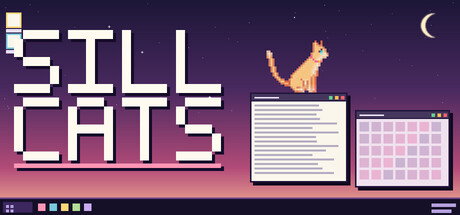
This app uses AI tools during the development process, for example to configure some behavior algorithms. All cat sprite art consists of hand-drawn works by human artists, purchased under a commercial license. No generative AI is used during gameplay.
This game contains content created with the assistance of generative AI tools:
Artwork: Some visual assets were generated using AI image tools as a starting
point, then edited and refined by the developer. All final in-game artwork
has been reviewed, modified, and approved by human hands.
Music & Sound Effects: Background music and sound effects were created using
AI-based music generation tools, then selected and curated by the developer.
Localization: Translations for Japanese, Korean, Traditional Chinese, Spanish,
and Russian were produced with AI translation tools and reviewed by the
developer. Simplified Chinese and English were authored directly by the
developer.
Store Page Copy: Portions of the store page description were drafted with AI
writing assistance and finalized by the developer.
No generative AI runs during gameplay. The AI opponent in single-player mode
uses rule-based logic, not generative AI.
Some pre-generated visual assets used for the Steam store page and promotional materials were created with the assistance of generative AI. No live-generated AI content is used during gameplay, and the game does not connect to external AI services while running.
Some content in this game was created with the assistance of generative AI tools during development, including certain visual assets, store artwork, capsule art, and text. All AI-assisted content was reviewed, edited, and integrated by the developer to ensure it fits the game’s design and overall player experience.
Some art assets are sourced from the CC0 asset libraries provided by Kenney. Music and sound effects used in the game are sourced from Phat Phrog Studio and ZapSplat.
AI tools were used to assist with code development and localization. All game design, art direction, and creative decisions were made by the developer.
Some visual assets and promotional materials for this game were created with the assistance of generative AI tools and then edited and refined by the developer.
All code in this game is generated with AI assistance. The game’s visuals and music also involve AI-aided processes, including image adjustments and extension of music segments. The gameplay concepts and skill/item designs are partially inspired by AI, with some skill and item names originating from AI-generated ideas.
The developer uses Generative AI tools to assist in the creation of 2D character sprites, background artwork, UI elements, and visual effects frames. All AI-generated graphical assets are pre-rendered, manually edited, and carefully integrated into the game engine by the developer. The game does not generate any AI content in real-time during gameplay.
Visuals: We used generative AI tools (Midjourney, ComfyUI) to assist in creating background illustrations and concept art for characters. All AI-generated outputs were manually refined, overpainted, and edited by human artists to ensure visual consistency and quality.
Text: We utilized AI-powered translation tools to assist in localizing scripts and store page descriptions from Korean to English. All translated text was proofread and edited by a native speaker to maintain the narrative's tone and nuance.
Chuyện Tết is a solo project. Due to limited design resources, I used AI to assist in generating backgrounds and in-game assets. I then personally reviewed, edited, and refined these visuals to ensure they accurately reflect my vision and the Southern Vietnamese cultural atmosphere of the 2010s.
I used AI tools (such as ChatGPT) to assist in writing scripts and optimizing the game code, which helped bridge the technical gap as an individual developer. Additionally, AI was used for English translation and proofreading to ensure a natural and high-quality narrative for global players.
Some of the background music in this game was created using generative AI tools. All AI-generated music has been reviewed, selected, and approved by the developers before inclusion in the game.
All visual assets and sound effects in this game were created with the assistance of AI generation tools, then curated and integrated by the developer.
AI Disclosure
Generative AI tools were used to assist with writing store page descriptions and game development. All gameplay content — including art, audio, maze generation, and game mechanics — is created programmatically through traditional algorithms and code.
Some visual assets in this game were generated using AI. As a one‑person developer, I use these tools to accelerate production, but all images are reviewed, refined, and finalized by me to maintain a consistent artistic direction.
Some music tracks in Gridhammer were composed using AI music generation tools (Suno). All other game content including artwork, writing, and game design is human-created.
AI tools were used to help create the game’s soundtrack by generating the initial instrumental stems and raw audio elements. Those materials were then brought into Logic Pro, where the developer manually arranged, remixed, edited, and mastered them into the final tracks.
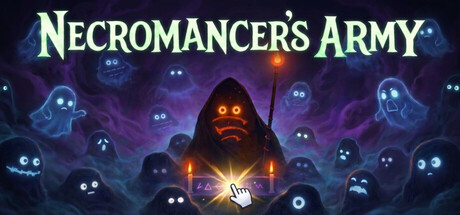
Necromancer's Army uses generative AI to assist with portions of the in-game soundtrack and certain Steam store marketing assets (such as capsule art and banners).
Localization for the game's 8 supported languages was created using AI-assisted translation and reviewed and refined by our team for overall accuracy and quality.
All in-game visuals are procedurally generated through deterministic algorithms and do not use machine learning or AI techniques. All narrative writing is fully authored by our team.
If the game finds its audience, we plan to replace these AI-assisted assets with original work commissioned from human artists, and have the localization reviewed by native speakers prior to full release.
Some of Bitroca's visual assets, UI elements, and audio were created with the help of generative AI tools, then
reviewed and finalized by a human developer before shipping. All content is pre-rendered and baked into the build no AI content is generated during gameplay.
This game was made available in many languages thanks to generative AI. Creation of some assets was performed or aided by generative AI tools.
If you ever beat an open-world game, you probably used more power than was used to generate all the assets in this game, including the ones that went unused. If you 100%'d that game, you used much, much more.
AI-assisted tools were used in the creation of some background images included in the game.
AI-assisted translation was also used for the English and Korean localization. The translated text was reviewed and adjusted during development.
There is no content generated by AI in real time during gameplay.
Some visual assets in Triad were created with the assistance of AI tools and further refined by the developer.
Triad is a solo-developed project, and these tools helped make its creation possible.
— Raph, developer of Triad
The game uses AI voice generation tools to create audio voiceovers for partial narrative texts and dialogue. All underlying text and story are originally created by the developer.
Some game artwork was generated with the assistance of AI, including monster sprites and a portion of achievement icons. These assets were then manually reviewed and edited to fit the game's pixel-art style. Store page descriptions were co-written with AI assistance.
Generative AI is used to assist with localization/translation. All localized text is reviewed and edited by the developer.
Generative AI is used to generate steam capsule image and asset. Act as placeholder
- Visual art: A portion of the pixel-art tiles and select character sprites were generated using PixelLab AI (pixellab.ai), then composited, edited, and integrated by the developer.
- Audio: Background music tracks were generated with AI music tools, then exported and sequenced into the game.
- Code & narrative writing: Game code and the in-game chronicler text (Brom's journal entries) were drafted with AI assistance (Anthropic's Claude) and edited by the developer.
Generative AI was used for some of the music in game. All in game art was hand drawn and vectorized by the creator. Main Theme music created by Grace Streeter. Trailer voiceover by Grace Streeter.
Generative AI was used during the development process to create character illustrations for the cards. All AI-generated content has been reviewed, manually refined, and edited by our team to ensure it does not include any illegal or infringing material.
Generative AI tools are used to translate text into different languages and to create visual assets. All content is reviewed and manually edited before being included in the game.
This app uses AI tools during the development process, for example to configure some behavior algorithms. All cat sprite art consists of hand-drawn works by human artists, purchased under a commercial license. No generative AI is used during gameplay.
This game contains content created with the assistance of generative AI tools:
Artwork: Some visual assets were generated using AI image tools as a starting
point, then edited and refined by the developer. All final in-game artwork
has been reviewed, modified, and approved by human hands.
Music & Sound Effects: Background music and sound effects were created using
AI-based music generation tools, then selected and curated by the developer.
Localization: Translations for Japanese, Korean, Traditional Chinese, Spanish,
and Russian were produced with AI translation tools and reviewed by the
developer. Simplified Chinese and English were authored directly by the
developer.
Store Page Copy: Portions of the store page description were drafted with AI
writing assistance and finalized by the developer.
No generative AI runs during gameplay. The AI opponent in single-player mode
uses rule-based logic, not generative AI.
Some pre-generated visual assets used for the Steam store page and promotional materials were created with the assistance of generative AI. No live-generated AI content is used during gameplay, and the game does not connect to external AI services while running.
Some content in this game was created with the assistance of generative AI tools during development, including certain visual assets, store artwork, capsule art, and text. All AI-assisted content was reviewed, edited, and integrated by the developer to ensure it fits the game’s design and overall player experience.
Some art assets are sourced from the CC0 asset libraries provided by Kenney. Music and sound effects used in the game are sourced from Phat Phrog Studio and ZapSplat.
AI tools were used to assist with code development and localization. All game design, art direction, and creative decisions were made by the developer.
Some visual assets and promotional materials for this game were created with the assistance of generative AI tools and then edited and refined by the developer.
All code in this game is generated with AI assistance. The game’s visuals and music also involve AI-aided processes, including image adjustments and extension of music segments. The gameplay concepts and skill/item designs are partially inspired by AI, with some skill and item names originating from AI-generated ideas.
The developer uses Generative AI tools to assist in the creation of 2D character sprites, background artwork, UI elements, and visual effects frames. All AI-generated graphical assets are pre-rendered, manually edited, and carefully integrated into the game engine by the developer. The game does not generate any AI content in real-time during gameplay.
Visuals: We used generative AI tools (Midjourney, ComfyUI) to assist in creating background illustrations and concept art for characters. All AI-generated outputs were manually refined, overpainted, and edited by human artists to ensure visual consistency and quality.
Text: We utilized AI-powered translation tools to assist in localizing scripts and store page descriptions from Korean to English. All translated text was proofread and edited by a native speaker to maintain the narrative's tone and nuance.
Chuyện Tết is a solo project. Due to limited design resources, I used AI to assist in generating backgrounds and in-game assets. I then personally reviewed, edited, and refined these visuals to ensure they accurately reflect my vision and the Southern Vietnamese cultural atmosphere of the 2010s.
I used AI tools (such as ChatGPT) to assist in writing scripts and optimizing the game code, which helped bridge the technical gap as an individual developer. Additionally, AI was used for English translation and proofreading to ensure a natural and high-quality narrative for global players.
Some of the background music in this game was created using generative AI tools. All AI-generated music has been reviewed, selected, and approved by the developers before inclusion in the game.
All visual assets and sound effects in this game were created with the assistance of AI generation tools, then curated and integrated by the developer.
AI Disclosure
Generative AI tools were used to assist with writing store page descriptions and game development. All gameplay content — including art, audio, maze generation, and game mechanics — is created programmatically through traditional algorithms and code.
Some visual assets in this game were generated using AI. As a one‑person developer, I use these tools to accelerate production, but all images are reviewed, refined, and finalized by me to maintain a consistent artistic direction.
Some music tracks in Gridhammer were composed using AI music generation tools (Suno). All other game content including artwork, writing, and game design is human-created.
AI tools were used to help create the game’s soundtrack by generating the initial instrumental stems and raw audio elements. Those materials were then brought into Logic Pro, where the developer manually arranged, remixed, edited, and mastered them into the final tracks.
Necromancer's Army uses generative AI to assist with portions of the in-game soundtrack and certain Steam store marketing assets (such as capsule art and banners).
Localization for the game's 8 supported languages was created using AI-assisted translation and reviewed and refined by our team for overall accuracy and quality.
All in-game visuals are procedurally generated through deterministic algorithms and do not use machine learning or AI techniques. All narrative writing is fully authored by our team.
If the game finds its audience, we plan to replace these AI-assisted assets with original work commissioned from human artists, and have the localization reviewed by native speakers prior to full release.