Public Steam disclosure research25,867 disclosures tracked
Where do games disclose AI use?
Search developers’ Steam disclosures, compare classified AI use across
games, and follow recorded changes.
This index adds cross-game classifications and statistics to
statements published on individual store pages.
Groups reflect automatic analysis of public disclosures; mature records are excluded. These counts do not measure AI use across all of Steam.
Missing or unclear statements cannot establish whether a game uses AI.
Artificial Intelligence was used primarily for generating Steam capsule artwork, specific gameplay sounds, and assistance with mathematical code functions. All AI-generated content was manually edited and reviewed throughout every stage of development.
This game is being developed solo. As an independent developer working with limited resources and budget, AI tools have been used in the production of some visual and musical assets:
Some character concept art, store page marketing materials, and background/atmospheric visuals were created using AI visual generation tools, then edited and integrated by the developer to fit the game's art direction.
Some visuals are included as placeholders and will be changed during development.
Some background music tracks were created using AI music generation tools.
The game's codebase, gameplay mechanics, character design, dialogue writing, and overall creative direction were all created manually by the developer alone. AI tools were used as a tool where access to a professional art/sound team was not possible as a solo developer; final decisions, edits, and the overall creative direction of the game were shaped by the developer.
Parts of this game's content were created with the help of generative AI, always under human direction and review: some in-game artwork and text, and the store page's localizations. All AI-assisted content is pre-rendered — nothing is generated live while you play.
During development, some in-game surface textures (e.g. ground/terrain tile materials) were created with the assistance of generative AI image tools and then hand-edited and integrated into the game as static assets. All such content is pre-generated and fixed at ship time; the game does not generate any content live at runtime. We have reviewed this content to ensure we have the appropriate rights to use it and that it does not infringe on the rights of others.
Machine translation has been used for language localization.
Some background elements, such as grass and trees, were created using AI-generated images and then manually edited and refined.
OpenAI tools were used during development for coding assistance and for creating or editing some visual/video assets. All shipped content was reviewed/edited by the developer. The game does not include live-generated AI content.
Generative AI was used as a supporting tool for localization in some languages. All AI-assisted translations were reviewed and edited by the development team. No AI-generated content is created in real time during gameplay.
Johnny Jagung uses generative AI across much of its content. The visual art (character, enemy, boss, and UI artwork), music, sound effects, in-game text, and Indonesian translation were all created with the help of generative AI tools, then reviewed, curated, and assembled into the game by the developer — for instance, character art is hand-edited, composited, and animated from generated source images. All AI-generated content is created during development; the game does not generate anything live while you play.
Generative AI was used during the early development phase to create placeholders, concept art base layers, and certain visual assets/sprites. As a solo developer working alongside a demanding full-time job, this technology served as a vital tool to help bring the project's vision to life within limited hours. All AI-generated art has been manually edited, stylized, and integrated by the developer to fit the game's pixel art aesthetic.
Note on Future Development: The developer is fully committed to replacing 100% of the AI-generated visual content with handcrafted, original artwork by the time of the full 1.0 release.
All game design, gameplay systems, worldbuilding, story, characters, progression systems, and creative direction were conceived, created, and directed by the development team. AI-assisted tools were used to support asset production, not to create the game's design, story, or gameplay.
No artist names, living artists, or copyrighted characters were used as prompts to imitate specific creators, intellectual property, or art styles.
This game contains pre-generated content created with the assistance of generative AI.
AI-assisted tools were used during development to create certain visual assets, voice performances, video content, and sound effects that are included in the game and its marketing materials.
The game does not use live-generated AI content. All AI-assisted content was reviewed, selected, edited, and integrated by the development team before being included in the final product.
Some of this game's content was created with generative AI tools and then reviewed and edited by the developer. This includes visual assets (2D art, 3D models and characters), some in-game text and localization, and some audio. No content is generated by AI during gameplay.
This game uses AI-generated voice acting. All character voices were synthesized with ElevenLabs using original text prompts and original scripts written for this game. No real person's voice was cloned, recorded, or used as source material. Some creature and ambient sound effects are also AI-generated. All audio is pre-generated and ships with the game; nothing is generated at runtime.
The developer used generative AI tools during the development process to assist in coding, generate and retouch art assets, write game text, and create background music, voiceovers, and sound effects. All AI-generated assets have been reviewed, edited, and curated by the developer.
Generative AI tools were used during development to assist with selected pre-generated visual assets and portions of the programming work. All AI-assisted content is manually reviewed, edited, and integrated by the developer. Visual assets are repainted, adjusted, and brought into a consistent art style before being used in the game or promotional materials. The game does not generate AI content during gameplay and does not connect to any external AI services.
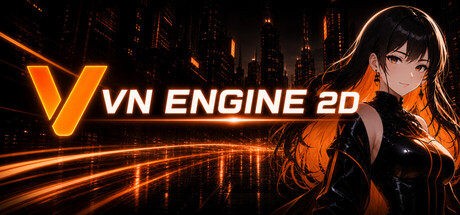
Some Steam store graphical assets for VN Engine 2D, such as capsule and library artwork, may have been created with AI assistance and were manually reviewed before submission.
VN Engine 2D is a desktop editor for creating 2D visual novels and interactive story projects. The Steam build does not include player-facing live AI generation, does not connect to external AI services during use, and does not require users to enter third-party API keys or pay for AI services outside of Steam.
During development, generative AI tools were used to help create some visual design elements and background music.
The game engine and all gameplay systems are originally developed by the creator. AI-generated content is reviewed and refined to ensure consistency and quality.
The game does not use AI-driven systems during gameplay.
This game uses pre-generated AI content for a small number of UI button press sound effects created during development using ElevenLabs. These audio assets are included in the shipped game and do not generate dynamically during gameplay. The game does not use live generative AI to create player-facing content while the game is running.
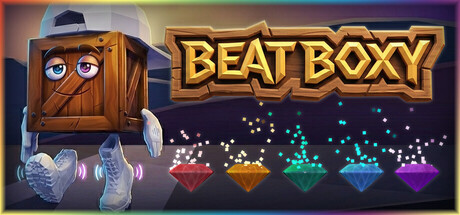
Generative AI tools were used solely to assist in the creation of the background music for Beat Boxy. All other game assets, sound effects, UI elements and level designs were either created directly by the developer, or acquired through Creative Commons Licensing.
Pre-generated generative AI was used to create selected Steam store-page and library marketing images based on original in-game screenshots, character designs and branding supplied by the developers.
Some of the game's visual assets — both 2D and 3D — are built from AI-generated drafts that our artists rework and refine by hand into their final form. Localization was drafted with AI tools and edited by the team. The final look, content, and quality of every element of the game are defined and approved by humans.
The hero image, small capsule, main capsule, vertical capsule, library capsule, library hero image, library logo and library home page art were created with AI assistance.
The in-game warning UI and spray decals are AI-generated.
Besides this, all gameplay videos and screenshots you see in the store are captured from actual gameplay footage, with no retouching or AI generation applied.
This game contains some pre-generated AI-assisted artwork and music. All AI-assisted content has been reviewed, curated, and integrated by the developer. AI coding tools were also used during development.
Generative AI tools were used during development to assist with portions of the game’s source code, selected 2D visual and UI assets, the studio logo, localization text, and background music. All AI-assisted content was pre-generated and reviewed, edited, and approved by the developer before inclusion in the game. The game does not generate any AI content while running and does not communicate with external AI services.
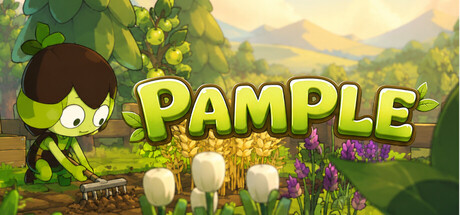
Some images and UI elements in Pample were created with the help of generative AI tools. The rest of the game's content was made by the developer, and all AI-assisted assets were reviewed and curated by hand.
Generative AI tools were used to assist with the localization of store page text and the creation or refinement of certain marketing materials. All AI-assisted content was reviewed and edited by the development team before publication. No content is generated by AI during gameplay.
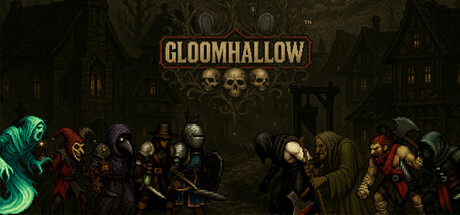
While a vast majority of Gloomhallow was human created, it was created by a solo developer (single person) - AI assisted in very specific fields such as;
- C# Coding
- SFX Generation
- OST Creation
- Very select UI Animations
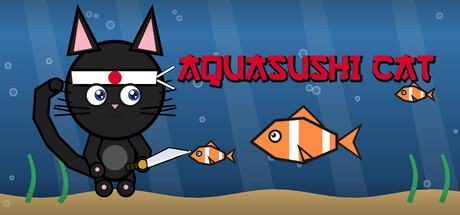
Aquasushi Cat was created in collaboration between a human developer and AI tools.
• Music and songs were generated locally using AI (ComfyUI).
• Parts of the game's code — including the code that procedurally draws the hand-styled vector graphics — were written with the help of an AI assistant (Claude).
• The in-game localization (English and Japanese) and store text were produced with AI assistance.
• A small number of sound effects were AI-generated; most sounds were recorded by the developer.
All content was directed, reviewed and finalized by a human developer. No AI content is generated live during gameplay.
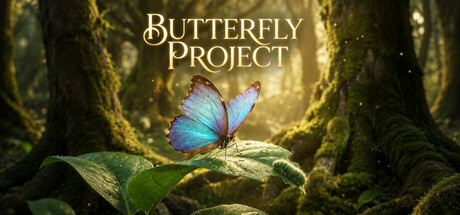
Some visual assets in Butterfly Project (such as backgrounds and illustrations) were created with the assistance of generative AI tools, then selected and integrated by the developer. Gameplay, systems, and overall design are human-made.
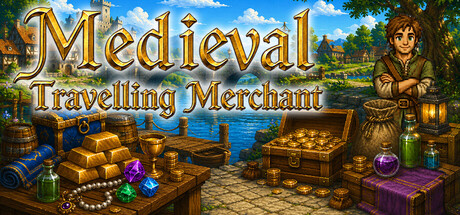
The game contains pre-generated visual and audio assets created with the assistance of generative AI tools during development. OpenAI-assisted tools were used for selected visual assets, Suno was used for pre-generated medieval-inspired music, and ElevenLabs was used for selected sound effects, ambience, and voice elements. All outputs were reviewed, selected, edited, and integrated by the developer. The game does not use live-generated AI and does not connect to an AI service while running.
Generative AI tools were used to produce the game's source code and assist with music, localisation, store artwork, and some in-game text. The developer created the original concept, defined the intended gameplay and voxel-based presentation, and continuously reviewed, tested, corrected, refined, and approved the implementation. The game does not generate AI content during gameplay.
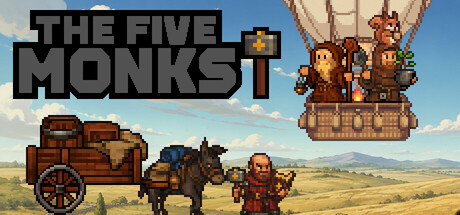
Generative AI tools were used during the development of The Five Monks as follows:
- Illustrations, icons, and in-game object art: initial images were generated with AI tools, then revised and finalized by hand by the development team. These edited assets ship with the game.
- Creature and character concepts: AI outputs were used as visual reference only. The final in-game art was recreated from scratch by the development team to fit the game's art direction.
- Store page text: portions were drafted with AI assistance and then edited by the team.
The game's music was composed by the development team without generative AI.
This game uses AI tools in the following ways:
Music: Composed using Suno.
Code: Written and debugged with AI assistance.
Art: Created with AI assistance.
All AI-assisted content was reviewed, edited, and finalized by the developer.
Currently I am developing this game as a solo self-funded "indie dev" and games need a lot of assets to be fun. I currently have used free (Creative Commons Zero) assets for audio, and generative AI for some placeholders in the game. I am currently in the process of finding both audio and visual artists to replace the AI generated assets, it takes time and resources, but ultimately I want all the assets to be hand authored by humans.
This game uses generative AI tools during development to help create some character voice lines and cutscene video sequences. AI is not used to generate live, novel content during gameplay - all AI-assisted content is pre-produced and reviewed by the development team before shipping.
AI tools were used during development to assist in the creation of some pre-generated content included in the game. All such content was reviewed, curated, and edited by the developer before inclusion. Some 2D sprites, icons, and key art were created with the assistance of generative AI tools. Music and sound effects were also created with the assistance of AI audio tools. Localization for languages other than English was produced with AI assistance and reviewed by the developer. The game does not use generative AI at runtime and does not generate any live AI content during gameplay.
Artificial Intelligence was used primarily for generating Steam capsule artwork, specific gameplay sounds, and assistance with mathematical code functions. All AI-generated content was manually edited and reviewed throughout every stage of development.
This game is being developed solo. As an independent developer working with limited resources and budget, AI tools have been used in the production of some visual and musical assets:
Some character concept art, store page marketing materials, and background/atmospheric visuals were created using AI visual generation tools, then edited and integrated by the developer to fit the game's art direction.
Some visuals are included as placeholders and will be changed during development.
Some background music tracks were created using AI music generation tools.
The game's codebase, gameplay mechanics, character design, dialogue writing, and overall creative direction were all created manually by the developer alone. AI tools were used as a tool where access to a professional art/sound team was not possible as a solo developer; final decisions, edits, and the overall creative direction of the game were shaped by the developer.
Parts of this game's content were created with the help of generative AI, always under human direction and review: some in-game artwork and text, and the store page's localizations. All AI-assisted content is pre-rendered — nothing is generated live while you play.
During development, some in-game surface textures (e.g. ground/terrain tile materials) were created with the assistance of generative AI image tools and then hand-edited and integrated into the game as static assets. All such content is pre-generated and fixed at ship time; the game does not generate any content live at runtime. We have reviewed this content to ensure we have the appropriate rights to use it and that it does not infringe on the rights of others.
Machine translation has been used for language localization.
Some background elements, such as grass and trees, were created using AI-generated images and then manually edited and refined.
OpenAI tools were used during development for coding assistance and for creating or editing some visual/video assets. All shipped content was reviewed/edited by the developer. The game does not include live-generated AI content.
Generative AI was used as a supporting tool for localization in some languages. All AI-assisted translations were reviewed and edited by the development team. No AI-generated content is created in real time during gameplay.
Johnny Jagung uses generative AI across much of its content. The visual art (character, enemy, boss, and UI artwork), music, sound effects, in-game text, and Indonesian translation were all created with the help of generative AI tools, then reviewed, curated, and assembled into the game by the developer — for instance, character art is hand-edited, composited, and animated from generated source images. All AI-generated content is created during development; the game does not generate anything live while you play.
Generative AI was used during the early development phase to create placeholders, concept art base layers, and certain visual assets/sprites. As a solo developer working alongside a demanding full-time job, this technology served as a vital tool to help bring the project's vision to life within limited hours. All AI-generated art has been manually edited, stylized, and integrated by the developer to fit the game's pixel art aesthetic.
Note on Future Development: The developer is fully committed to replacing 100% of the AI-generated visual content with handcrafted, original artwork by the time of the full 1.0 release.
All game design, gameplay systems, worldbuilding, story, characters, progression systems, and creative direction were conceived, created, and directed by the development team. AI-assisted tools were used to support asset production, not to create the game's design, story, or gameplay.
No artist names, living artists, or copyrighted characters were used as prompts to imitate specific creators, intellectual property, or art styles.
This game contains pre-generated content created with the assistance of generative AI.
AI-assisted tools were used during development to create certain visual assets, voice performances, video content, and sound effects that are included in the game and its marketing materials.
The game does not use live-generated AI content. All AI-assisted content was reviewed, selected, edited, and integrated by the development team before being included in the final product.
Some of this game's content was created with generative AI tools and then reviewed and edited by the developer. This includes visual assets (2D art, 3D models and characters), some in-game text and localization, and some audio. No content is generated by AI during gameplay.
This game uses AI-generated voice acting. All character voices were synthesized with ElevenLabs using original text prompts and original scripts written for this game. No real person's voice was cloned, recorded, or used as source material. Some creature and ambient sound effects are also AI-generated. All audio is pre-generated and ships with the game; nothing is generated at runtime.
The developer used generative AI tools during the development process to assist in coding, generate and retouch art assets, write game text, and create background music, voiceovers, and sound effects. All AI-generated assets have been reviewed, edited, and curated by the developer.
Generative AI tools were used during development to assist with selected pre-generated visual assets and portions of the programming work. All AI-assisted content is manually reviewed, edited, and integrated by the developer. Visual assets are repainted, adjusted, and brought into a consistent art style before being used in the game or promotional materials. The game does not generate AI content during gameplay and does not connect to any external AI services.
Some Steam store graphical assets for VN Engine 2D, such as capsule and library artwork, may have been created with AI assistance and were manually reviewed before submission.
VN Engine 2D is a desktop editor for creating 2D visual novels and interactive story projects. The Steam build does not include player-facing live AI generation, does not connect to external AI services during use, and does not require users to enter third-party API keys or pay for AI services outside of Steam.
During development, generative AI tools were used to help create some visual design elements and background music.
The game engine and all gameplay systems are originally developed by the creator. AI-generated content is reviewed and refined to ensure consistency and quality.
The game does not use AI-driven systems during gameplay.
This game uses pre-generated AI content for a small number of UI button press sound effects created during development using ElevenLabs. These audio assets are included in the shipped game and do not generate dynamically during gameplay. The game does not use live generative AI to create player-facing content while the game is running.
Generative AI tools were used solely to assist in the creation of the background music for Beat Boxy. All other game assets, sound effects, UI elements and level designs were either created directly by the developer, or acquired through Creative Commons Licensing.
Pre-generated generative AI was used to create selected Steam store-page and library marketing images based on original in-game screenshots, character designs and branding supplied by the developers.
Some of the game's visual assets — both 2D and 3D — are built from AI-generated drafts that our artists rework and refine by hand into their final form. Localization was drafted with AI tools and edited by the team. The final look, content, and quality of every element of the game are defined and approved by humans.
The hero image, small capsule, main capsule, vertical capsule, library capsule, library hero image, library logo and library home page art were created with AI assistance.
The in-game warning UI and spray decals are AI-generated.
Besides this, all gameplay videos and screenshots you see in the store are captured from actual gameplay footage, with no retouching or AI generation applied.
This game contains some pre-generated AI-assisted artwork and music. All AI-assisted content has been reviewed, curated, and integrated by the developer. AI coding tools were also used during development.
Generative AI tools were used during development to assist with portions of the game’s source code, selected 2D visual and UI assets, the studio logo, localization text, and background music. All AI-assisted content was pre-generated and reviewed, edited, and approved by the developer before inclusion in the game. The game does not generate any AI content while running and does not communicate with external AI services.
Some images and UI elements in Pample were created with the help of generative AI tools. The rest of the game's content was made by the developer, and all AI-assisted assets were reviewed and curated by hand.
Generative AI tools were used to assist with the localization of store page text and the creation or refinement of certain marketing materials. All AI-assisted content was reviewed and edited by the development team before publication. No content is generated by AI during gameplay.
While a vast majority of Gloomhallow was human created, it was created by a solo developer (single person) - AI assisted in very specific fields such as;
- C# Coding
- SFX Generation
- OST Creation
- Very select UI Animations
Aquasushi Cat was created in collaboration between a human developer and AI tools.
• Music and songs were generated locally using AI (ComfyUI).
• Parts of the game's code — including the code that procedurally draws the hand-styled vector graphics — were written with the help of an AI assistant (Claude).
• The in-game localization (English and Japanese) and store text were produced with AI assistance.
• A small number of sound effects were AI-generated; most sounds were recorded by the developer.
All content was directed, reviewed and finalized by a human developer. No AI content is generated live during gameplay.
Some visual assets in Butterfly Project (such as backgrounds and illustrations) were created with the assistance of generative AI tools, then selected and integrated by the developer. Gameplay, systems, and overall design are human-made.
The game contains pre-generated visual and audio assets created with the assistance of generative AI tools during development. OpenAI-assisted tools were used for selected visual assets, Suno was used for pre-generated medieval-inspired music, and ElevenLabs was used for selected sound effects, ambience, and voice elements. All outputs were reviewed, selected, edited, and integrated by the developer. The game does not use live-generated AI and does not connect to an AI service while running.
Generative AI tools were used to produce the game's source code and assist with music, localisation, store artwork, and some in-game text. The developer created the original concept, defined the intended gameplay and voxel-based presentation, and continuously reviewed, tested, corrected, refined, and approved the implementation. The game does not generate AI content during gameplay.
Generative AI tools were used during the development of The Five Monks as follows:
- Illustrations, icons, and in-game object art: initial images were generated with AI tools, then revised and finalized by hand by the development team. These edited assets ship with the game.
- Creature and character concepts: AI outputs were used as visual reference only. The final in-game art was recreated from scratch by the development team to fit the game's art direction.
- Store page text: portions were drafted with AI assistance and then edited by the team.
The game's music was composed by the development team without generative AI.
This game uses AI tools in the following ways:
Music: Composed using Suno.
Code: Written and debugged with AI assistance.
Art: Created with AI assistance.
All AI-assisted content was reviewed, edited, and finalized by the developer.
Currently I am developing this game as a solo self-funded "indie dev" and games need a lot of assets to be fun. I currently have used free (Creative Commons Zero) assets for audio, and generative AI for some placeholders in the game. I am currently in the process of finding both audio and visual artists to replace the AI generated assets, it takes time and resources, but ultimately I want all the assets to be hand authored by humans.
This game uses generative AI tools during development to help create some character voice lines and cutscene video sequences. AI is not used to generate live, novel content during gameplay - all AI-assisted content is pre-produced and reviewed by the development team before shipping.
AI tools were used during development to assist in the creation of some pre-generated content included in the game. All such content was reviewed, curated, and edited by the developer before inclusion. Some 2D sprites, icons, and key art were created with the assistance of generative AI tools. Music and sound effects were also created with the assistance of AI audio tools. Localization for languages other than English was produced with AI assistance and reviewed by the developer. The game does not use generative AI at runtime and does not generate any live AI content during gameplay.