








Disclosure
Al were used to assist with translating text into multiple languages.
- Creator
- Beyond The Light Cone
- Reviews
- -
- Added
- Jun 3, 2026
Public Steam disclosure research 25,380 disclosures tracked
Search developers’ Steam disclosures, compare classified AI use across games, and follow recorded changes. This index adds cross-game classifications and statistics to statements published on individual store pages.
Code help, debugging and other development work.
Capsule art, trailers and promotional material.
Pre-made art, audio, writing and other game assets.
Interactive or runtime AI features disclosed by the developer.
Groups reflect automatic analysis of public disclosures; mature records are excluded. These counts do not measure AI use across all of Steam. Missing or unclear statements cannot establish whether a game uses AI.
Al were used to assist with translating text into multiple languages.
Some promotional artwork and store graphic backgrounds may include AI-assisted elements. The core gameplay, UI, ships, enemies, mechanics, systems and visual identity are created and edited by the developer using original game assets.
Some 2D visual assets in Hollow Stars were created with the help of generative AI image tools during development. This includes parts of the store and marketing artwork, the achievement icons, and background art used in the game's cinematic intro. Every AI-assisted asset was reviewed, edited and curated by the development team before release. Generative AI is not used while you play. The game runs no generative AI at runtime — the in-game faction "AI" is a fully deterministic, rule-based simulation, not a generative model. No player input or data is sent to any AI service.
人物语言使用了AI配音
Generative AI was used to assist in the creation of various 2D textures, portraits, and UI elements.
Artwork, sound, story, localization, and store assets
Artificial intelligence was used for some of the graphic assets and sounds.
Intro music only.
All music was generated by AI. Anything not covered up with an effect was touched up by AI. We created the original concepts in Piskel. Ai assisted with some aspects of coding/refactoring/debugging. The image in our store media, with the 3 ships, was generated using AI based on our in-game enemy ships and the players "elite" ship. Everything else was created using Canva.
AI for image generation and coding assistance
A few in game images and the cover were AI generated using Microsoft's Co-Pilot AI. Nothing in game involves AI. The enemy patterns are enemy movement behavior logic like the old days. In time I might make the images myself. This is just saving me a lot of time. I am not a studio, just one dude.
Some vfx sprite sheets and art were generated and then photoshopped and shaders added. I generated some images 100 plus times to make sure the style didn't drift. I photoshopped AI images to get what I wanted. AI generated images were guided by my thoughts the entire time.
The game used generative AI to assist with the creation of some of the content, such as art assets, sound, music, etc.
In our game, some sections of code are generated by artificial intelligence, a common practice among developers and quality assurance engineers. Some images are also generated by artificial intelligence.
The original game language is English. Localization for all other supported languages was generated using advanced AI translation tools to make the game accessible to more players worldwide at launch. The entire game code, design, assets, and original English text were entirely created by humans.
This game uses screen reader-type generative AI for in-game menus and terminals.
Some assets and localization content are assisted or created by AI.
Generative AI tools were used during development to assist with early concept art, visual ideation, logos, and certain promotional materials. All final in-game content and gameplay implementation were curated, edited, and integrated by the developers.
The game content, including gameplay mechanics, visuals, and audio, as well as the store page content — including descriptions, images, and other assets — were generated with the assistance of AI tools.
Some game images and few graphics assets
- Assets - Background
Code review and optimization; Some texture/sample generation
Generative AI tools were used during development for selected marketing art concepts and production assistance. Final assets and text were reviewed and edited by the developer. Pulse Citadel does not use live-generated AI during gameplay; in-game research nodes, combat behavior, progression, achievements, and UI text are fixed content. As a legally blind solo developer, AI-assisted tools helped with visual concepting and production support. All final store materials and game content were reviewed, selected, and edited by the developer.
AI generates a few images and icons, reviewed manually.
Generative AI was used only during production for early concept exploration and the creation of some promotional asset drafts. The game does not use generative AI during gameplay. All core in-game assets were manually reviewed, edited, and reworked by human artists.
Some UI elements and musical accompaniment were generated by neural networks.
AI was used solely to assist with the English and Spanish translations, which were then manually reviewed by the developers. However, they may still contain errors. If you find any, please let us know.
Some game assets were designed with reference to AI-generated images
There's a local Large Language Model that integrates with the game's systems and is used primarily for but not limited to dialogue generation. Several other uses are planned, including localization. AI has been used for coding and in a limited capacity for creating placeholder assets that will be replaced at a later date.
Limited use of generative AI tools was made in the production of certain sound assets and localized text during development.
Generative AI was used to enhance the game's steam page artwork.
Some assets in Pulsewave were created with the help of generative AI tools: - Background music tracks were composed using AI music generation tools, then reviewed and curated by the developer before inclusion. - Select store-page artwork (capsule images, marketing visuals) was AI-generated. All gameplay, game code, in-game graphics, and game design are human-made. No AI runs during gameplay - Pulsewave does not generate content in real time and does not connect to external AI services. All AI-generated assets were reviewed before inclusion to ensure they meet our quality and content standards.
VOID RUNNER uses generative AI tools in a limited way, exclusively for pre-rendered content (never generated in real time during gameplay): — Text translations (10 languages): the in-game interface, changelog and Steam page description have been produced with AI assistance and then manually reviewed. The source text is written by the developer. — Marketing visuals: some promotional images on the Steam page (capsule art, banner) may include elements generated with AI assistance, in line with the game's art direction. All AI-assisted content is reviewed by the developer before integration. No content is generated in real time during gameplay — all assets are fixed and finalized.
- Two in-game images have been upscaled/enhanced using generative AI: the NeuroLink portrait and one UI border asset. - Achievement icon art is AI assisted. While we prefer to avoid the use of generative AI, its limited use helped improve presentation given the constraints of our team.
This game uses AI assistance for certain sound effects. All visuals are hand-crafted by the developer.
BreakDespair2D uses Stable Diffusion for some character portraits and background images. No AI-generated content is created during gameplay. The game design, programming, balancing, story, and implementation were created by HappyLuckyRainbowGames.
This game was developed with the assistance of AI tools.
Research assistance, technical guidance, text refinement, and code troubleshooting
Some images and translations in this game were referenced from AI-generated content
This game uses generative AI in its visuals and music to provide players with the best possible experience. On the visual side, AI is particularly utilized in character and environment design.
This game uses generative AI to create some of its audio, visual, and localization content. The music was generated with AI tools, certain sound effects were produced using AI-based audio synthesis, and some in‑game images and artwork were created with the assistance of generative AI. Part of the game's translations were also assisted by AI. All content has been manually reviewed, edited, and adapted to maintain the artistic and narrative coherence of the project.
AI assisted tools were utilized during development to help generate and refine various assets and ideas. All content was reviewed, edited, and integrated by the developer to ensure consistency with the game's design and vision.
Generative AI was used for some of the image assets in this game.
ARB: Alien Races Battle is developed by a solo human author (Raphael Tremblay) with assistance from Anthropic's Claude AI as a coding, art, and writing collaborator throughout production. Specifically: - Some pixel-art unit sprites, ability icons, and UI elements were generated as SVG code with Claude's help, then reviewed, edited, and approved by the developer. - In-game ability descriptions, Field Manual codex entries, and supplementary lore text were written with Claude as a writing collaborator, all building on the existing canon of The Alien Races Book (a separate, fully human-authored book by the same author that predates this game by years). - Game code (gameplay engine, multiplayer infrastructure, UI logic) was developed with Claude as a coding-pair assistant. Every piece of AI-assisted content was reviewed and edited by the human developer before shipping. The game's core IP — the 60+ documented alien races, their homeworlds, and their first-contact records — comes from The Alien Races Book and is entirely human-authored. ARB does not use AI to generate content live during gameplay. All in-game content (units, sprites, abilities, sound, text, music) is finalized at build time and shipped as static assets.
Generative AI tools were used in a limited capacity to assist with marketing materials and early concept visuals during development. All AI-assisted content was reviewed and approved by the development team. The final shipped game contains no generative AI content.
Some 2D graphic assets in this game, including character concept art and background images, were pre-rendered using generative AI tools. These AI-generated assets were then manually edited, refined, and optimized by the developer to fit the game's specific space theme and pixel art aesthetic.
Some store assets (such as capsules and promotional images) were created with the assistance of AI tools due to limited resources during development. All gameplay, design, and core content of Glowbot Tower Defense are fully original and developed by me. As future projects grow, I plan to collaborate with artists to further enhance the visual presentation.
Nexus Legacy is made by a solo developer using AI-assisted production tools. These tools were used during development to help with visual iteration, asset production, prototyping and code assistance, making a larger persistent MMO possible with a small production pipeline. The final game is not a live AI generator. Gameplay design, balance, economy, progression, PvE/PvP rules, server logic, world structure, final visuals and updates are selected, reviewed, edited and maintained by the developer. No live generative AI is used to create player-facing content while the game is running.
AI tools were utilized to generate some art assets on the store page.
Some marketing assets for this game (capsule art) were created with the assistance of AI image generation tools. All gameplay content is procedurally generated by the NAGAS simulation engine — a custom-built system using deterministic algorithms, not generative AI.
| Title⇅ | Disclosure | Creator⇅ | Src | Reviews⇅ | Added↓ |
|---|---|---|---|---|---|
 暗面 Dark Side Void In-game content text | Al were used to assist with translating text into multiple languages. | Beyond The Light Cone | - | Jun 3, 2026 | |
 Nova Star: Void Survival In-game content art | Some promotional artwork and store graphic backgrounds may include AI-assisted elements. The core gameplay, UI, ships, enemies, mechanics, systems and visual identity are created and edited by the developer using original game assets. | A.C. ANDRADE SUPORTE EM TI | - | Jun 3, 2026 | |
 Hollow Stars In-game content art | Some 2D visual assets in Hollow Stars were created with the help of generative AI image tools during development. This includes parts of the store and marketing artwork, the achievement icons, and background art used in the game's cinematic intro. Every AI-assisted asset was reviewed, edited and curated by the development team before release.
Generative AI is not used while you play. The game runs no generative AI at runtime — the in-game faction "AI" is a fully deterministic, rule-based simulation, not a generative model. No player input or data is sent to any AI service. | AppGX | - | Jun 3, 2026 | |
 凡灵百态训练篇(The Comprehensive Training of All Spirits) In-game content audio | 人物语言使用了AI配音 | 王小豪 | - | Jun 3, 2026 | |
 Stellar Conquest In-game content art | Generative AI was used to assist in the creation of various 2D textures, portraits, and UI elements. | HDS | - | Jun 3, 2026 | |
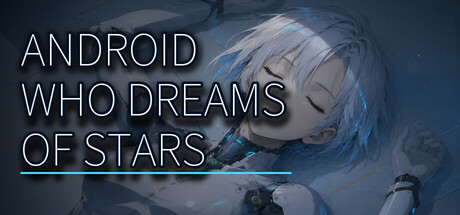 Android Who Dreams of Stars In-game content artaudiotext | Artwork, sound, story, localization, and store assets | JinCycle | - | Jun 3, 2026 | |
 Black Hole Idle In-game content artaudio | Artificial intelligence was used for some of the graphic assets and sounds. | Furkan Ozbek | - | Jun 3, 2026 | |
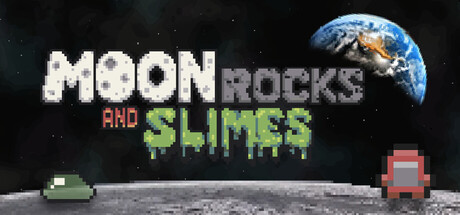 Moon Rocks and Slimes In-game content audio | Intro music only. | Voided Pixels Studio | - | Jun 3, 2026 | |
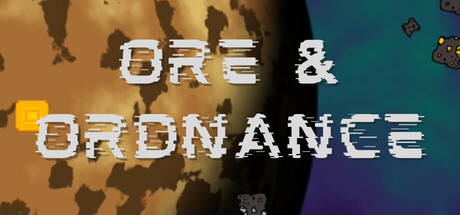 Ore & Ordnance In-game content audioart | All music was generated by AI.
Anything not covered up with an effect was touched up by AI. We created the original concepts in Piskel.
Ai assisted with some aspects of coding/refactoring/debugging.
The image in our store media, with the 3 ships, was generated using AI based on our in-game enemy ships and the players "elite" ship. Everything else was created using Canva. | Hooley Studios | - | Jun 3, 2026 | |
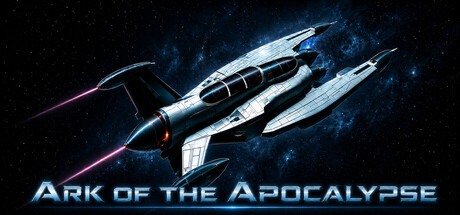 末世方舟 Unclear artcode | AI for image generation and coding assistance | 馬吉氏 | - | Jun 3, 2026 | |
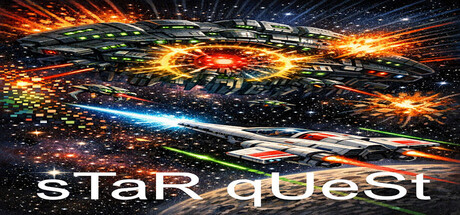 Star Quest In-game content art | A few in game images and the cover were AI generated using Microsoft's Co-Pilot AI. Nothing in game involves AI. The enemy patterns are enemy movement behavior logic like the old days. In time I might make the images myself. This is just saving me a lot of time. I am not a studio, just one dude. | James Rector | - | Jun 3, 2026 | |
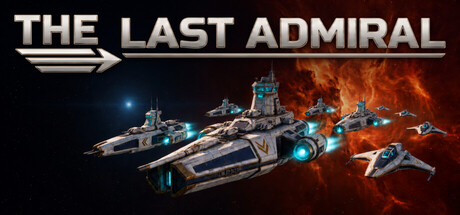 The Last Admiral In-game content art | Some vfx sprite sheets and art were generated and then photoshopped and shaders added. I generated some images 100 plus times to make sure the style didn't drift. I photoshopped AI images to get what I wanted. AI generated images were guided by my thoughts the entire time. | Pizza Pizza Games | - | Jun 3, 2026 | |
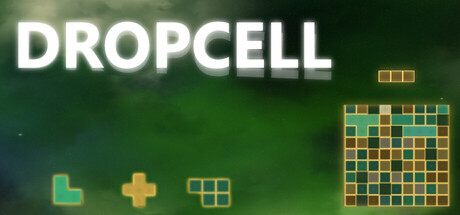 DropCell In-game content artaudio | The game used generative AI to assist with the creation of some of the content, such as art assets, sound, music, etc. | PytraGames | - | Jun 3, 2026 | |
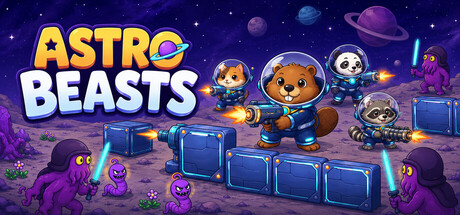 Astro beasts In-game content codeart | In our game, some sections of code are generated by artificial intelligence, a common practice among developers and quality assurance engineers. Some images are also generated by artificial intelligence. | Well-fed dogs | - | Jun 3, 2026 | |
 Far Mining In-game content text | The original game language is English. Localization for all other supported languages was generated using advanced AI translation tools to make the game accessible to more players worldwide at launch. The entire game code, design, assets, and original English text were entirely created by humans. | LostVolBytes | 138 | Jun 3, 2026 | |
 Impulse Response Live AI text | This game uses screen reader-type generative AI for in-game menus and terminals. | RubyRPG | 21 | Jun 3, 2026 | |
 Groove Core In-game content arttext | Some assets and localization content are assisted or created by AI. | Fire Kitty Studio | - | Jun 3, 2026 | |
 Lorenium Orbit In-game content art | Generative AI tools were used during development to assist with early concept art, visual ideation, logos, and certain promotional materials. All final in-game content and gameplay implementation were curated, edited, and integrated by the developers. | TGZ Studios, LLC | - | Jun 3, 2026 | |
 Biosphere Simulator In-game content artaudiotext | The game content, including gameplay mechanics, visuals, and audio, as well as the store page content — including descriptions, images, and other assets — were generated with the assistance of AI tools. | ioStudios | - | Jun 3, 2026 | |
 Star Hero Unclear art | Some game images and few graphics assets | Galactic Space Forge | - | Jun 3, 2026 | |
 Cluster - Roguelike Tower Defense Unclear art | - Assets
- Background | Sector Five | - | Jun 3, 2026 | |
 Horde Beyond In-game content codeart | Code review and optimization; Some texture/sample generation | Confident Media Group | - | Jun 3, 2026 | |
 Pulse Citadel In-game content arttext | Generative AI tools were used during development for selected marketing art concepts and production assistance. Final assets and text were reviewed and edited by the developer. Pulse Citadel does not use live-generated AI during gameplay; in-game research nodes, combat behavior, progression, achievements, and UI text are fixed content.
As a legally blind solo developer, AI-assisted tools helped with visual concepting and production support. All final store materials and game content were reviewed, selected, and edited by the developer. | Blindsided Games | - | Jun 3, 2026 | |
 A Game About Getting Bigger In-game content art | AI generates a few images and icons, reviewed manually. | PcZ Games | - | Jun 3, 2026 | |
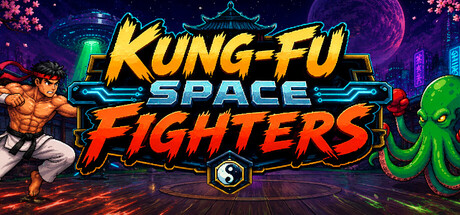 Kung-Fu Space Fighters In-game content art | Generative AI was used only during production for early concept exploration and the creation of some promotional asset drafts. The game does not use generative AI during gameplay. All core in-game assets were manually reviewed, edited, and reworked by human artists. | FunFactor | - | May 23, 2026 | |
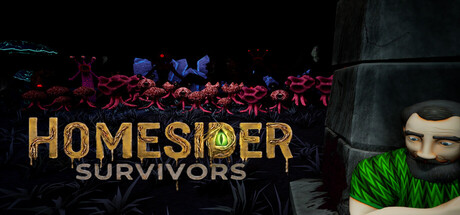 Homesider Survivors In-game content artaudio | Some UI elements and musical accompaniment were generated by neural networks. | Indie Mef | - | May 23, 2026 | |
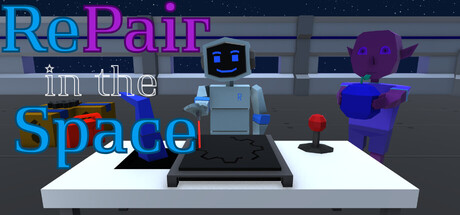 RePair in the Space In-game content text | AI was used solely to assist with the English and Spanish translations, which were then manually reviewed by the developers. However, they may still contain errors. If you find any, please let us know. | 2JDev | - | May 23, 2026 | |
 GANA FORCE Unclear art | Some game assets were designed with reference to AI-generated images | Liao Kai | - | May 23, 2026 | |
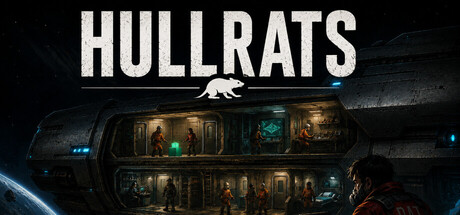 HullRats Live AI textcodeart | There's a local Large Language Model that integrates with the game's systems and is used primarily for but not limited to dialogue generation.
Several other uses are planned, including localization.
AI has been used for coding and in a limited capacity for creating placeholder assets that will be replaced at a later date. | Dan Danciu | - | May 23, 2026 | |
 PNR: Point of No return In-game content audiotext | Limited use of generative AI tools was made in the production of certain sound assets and localized text during development. | COKIRI Works | - | May 23, 2026 | |
 Ore Legacy Store/marketing art | Generative AI was used to enhance the game's steam page artwork. | Keplerium Games | - | May 23, 2026 | |
 Pulsewave In-game content audioart | Some assets in Pulsewave were created with the help of generative AI tools:
- Background music tracks were composed using AI music generation tools, then reviewed and curated by the developer before inclusion.
- Select store-page artwork (capsule images, marketing visuals) was AI-generated.
All gameplay, game code, in-game graphics, and game design are human-made. No AI runs during gameplay - Pulsewave does not generate content in real time and does not connect to external AI services. All AI-generated assets were reviewed before inclusion to ensure they meet our quality and content standards. | Grindare Studio | - | May 23, 2026 | |
 Void Runner : Arcade Roguelite In-game content textart | VOID RUNNER uses generative AI tools in a limited way, exclusively for pre-rendered content (never generated in real time during gameplay):
— Text translations (10 languages): the in-game interface, changelog and Steam page description have been produced with AI assistance and then manually reviewed. The source text is written by the developer.
— Marketing visuals: some promotional images on the Steam page (capsule art, banner) may include elements generated with AI assistance, in line with the game's art direction.
All AI-assisted content is reviewed by the developer before integration. No content is generated in real time during gameplay — all assets are fixed and finalized. | napcode | - | May 23, 2026 | |
 Organism Detected In-game content art | - Two in-game images have been upscaled/enhanced using generative AI: the NeuroLink portrait and one UI border asset.
- Achievement icon art is AI assisted.
While we prefer to avoid the use of generative AI, its limited use helped improve presentation given the constraints of our team. | Yulari Games | - | May 23, 2026 | |
 HACKING INTO EREBUS In-game content audio | This game uses AI assistance for certain sound effects. All visuals are hand-crafted by the developer. | Likya Group | - | May 23, 2026 | |
 BreakDespair2D In-game content art | BreakDespair2D uses Stable Diffusion for some character portraits and background images.
No AI-generated content is created during gameplay.
The game design, programming, balancing, story, and implementation were created by HappyLuckyRainbowGames. | HappyLuckyRainbowGames | - | May 23, 2026 | |
 Space.iZ Dev only | This game was developed with the assistance of AI tools. | BlackBeakProd | - | May 23, 2026 | |
 Orbit Crisis Dev only textcode | Research assistance, technical guidance, text refinement, and code troubleshooting | Serious Hallucinations | - | May 23, 2026 | |
 StarWay text | Some images and translations in this game were referenced from AI-generated content | jiahuiJIA | - | May 23, 2026 | |
 Invaders Loop In-game content artaudio | This game uses generative AI in its visuals and music to provide players with the best possible experience. On the visual side, AI is particularly utilized in character and environment design. | hunterllama | - | May 23, 2026 | |
 Memo R.I.P. In-game content audioarttext | This game uses generative AI to create some of its audio, visual, and localization content. The music was generated with AI tools, certain sound effects were produced using AI-based audio synthesis, and some in‑game images and artwork were created with the assistance of generative AI. Part of the game's translations were also assisted by AI. All content has been manually reviewed, edited, and adapted to maintain the artistic and narrative coherence of the project. | Divine Magic Games | - | May 23, 2026 | |
 Galaxiwilds Unclear arttext | AI assisted tools were utilized during development to help generate and refine various assets and ideas. All content was reviewed, edited, and integrated by the developer to ensure consistency with the game's design and vision. | Blake Sherwin | - | May 23, 2026 | |
 Strikeloop In-game content art | Generative AI was used for some of the image assets in this game. | Amotohajime | - | May 23, 2026 | |
 ARB: Alien Races Battle In-game content arttextcode | ARB: Alien Races Battle is developed by a solo human author (Raphael Tremblay) with assistance from Anthropic's Claude AI as a coding, art, and writing collaborator throughout production. Specifically:
- Some pixel-art unit sprites, ability icons, and UI elements were generated as SVG code with Claude's help, then reviewed, edited, and approved by the developer.
- In-game ability descriptions, Field Manual codex entries, and supplementary lore text were written with Claude as a writing collaborator, all building on the existing canon of The Alien Races Book (a separate, fully human-authored book by the same author that predates this game by years).
- Game code (gameplay engine, multiplayer infrastructure, UI logic) was developed with Claude as a coding-pair assistant.
Every piece of AI-assisted content was reviewed and edited by the human developer before shipping. The game's core IP — the 60+ documented alien races, their homeworlds, and their first-contact records — comes from The Alien Races Book and is entirely human-authored.
ARB does not use AI to generate content live during gameplay. All in-game content (units, sprites, abilities, sound, text, music) is finalized at build time and shipped as static assets. | Raphael Tremblay | - | May 23, 2026 | |
 Billionaire Life Simulator Store/marketing art | Generative AI tools were used in a limited capacity to assist with marketing materials and early concept visuals during development. All AI-assisted content was reviewed and approved by the development team. The final shipped game contains no generative AI content. | magicprostudio | - | May 23, 2026 | |
 Alpha Star In-game content art | Some 2D graphic assets in this game, including character concept art and background images, were pre-rendered using generative AI tools. These AI-generated assets were then manually edited, refined, and optimized by the developer to fit the game's specific space theme and pixel art aesthetic. | Minands | - | May 23, 2026 | |
 Glowbot Tower Defense In-game content art | Some store assets (such as capsules and promotional images) were created with the assistance of AI tools due to limited resources during development. All gameplay, design, and core content of Glowbot Tower Defense are fully original and developed by me.
As future projects grow, I plan to collaborate with artists to further enhance the visual presentation. | Jacob Stetka | - | May 23, 2026 | |
 Nexus Legacy In-game content artcode | Nexus Legacy is made by a solo developer using AI-assisted production tools. These tools were used during development to help with visual iteration, asset production, prototyping and code assistance, making a larger persistent MMO possible with a small production pipeline.
The final game is not a live AI generator. Gameplay design, balance, economy, progression, PvE/PvP rules, server logic, world structure, final visuals and updates are selected, reviewed, edited and maintained by the developer.
No live generative AI is used to create player-facing content while the game is running. | Nexus Legacy Team | 214 | May 23, 2026 | |
 Galactic Patrol Store/marketing art | AI tools were utilized to generate some art assets on the store page. | Binx.tv | - | May 23, 2026 | |
 The Universe Won't Pause In-game content art | Some marketing assets for this game (capsule art) were created with the assistance of AI image generation tools. All gameplay content is procedurally generated by the NAGAS simulation engine — a custom-built system using deterministic algorithms, not generative AI. | My Insights Games | - | May 23, 2026 |


