Public Steam disclosure research25,877 disclosures tracked
Where do games disclose AI use?
Search developers’ Steam disclosures, compare classified AI use across
games, and follow recorded changes.
This index adds cross-game classifications and statistics to
statements published on individual store pages.
Groups reflect automatic analysis of public disclosures; mature records are excluded. These counts do not measure AI use across all of Steam.
Missing or unclear statements cannot establish whether a game uses AI.
Generative AI was used during the development of this game to assist with the creation of certain visual assets and to help with portions of the programming process. All gameplay mechanics, game design, story, progression, and creative direction were designed and implemented by the developer.
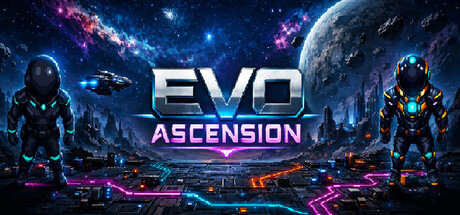
Evo Ascension includes limited AI‑generated content. Some audio and select graphical elements were created using AI tools, with most visuals further refined and hand‑edited in Aseprite. All gameplay systems, pixel art characters, animations, and core design remain handcrafted by the developer.
About Generative AI
During development, we used generative AI tools to assist in creating some art assets, text copy, and voice-over segments. All AI‑generated content has been reviewed, modified, and refined item by item by our design team to ensure it meets the game’s overall style and quality standards, and final approval was carried out manually before release.
We have taken necessary measures to ensure that no AI‑generated content infringes upon any third‑party copyrights, trademarks, or other legal rights.
Pre-rendered AI imagery was used to create some background looping elements, for example an in-game TV screen. All other artwork, narrative and character art and animation is created by hand.
This game used generative AI as an assistive tool for translation and localization, and for producing some sound effects and music. All final text and audio were reviewed, edited, and approved by humans before inclusion.
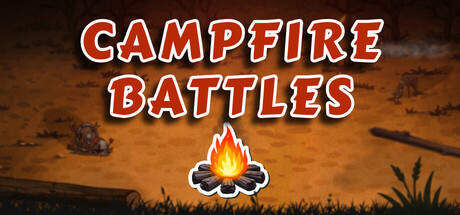
Campfire Battles is our attempt to bring an idea to life as a two-person team. AI tools helped us work quickly, particularly on the coding side, but every piece was reviewed and refined by hand.
All in-game illustrations (character portraits, NPC and monster art, location and item images, key art) were pre-generated during development using generative AI tools and manually curated by the developer. The game does not create AI-generated content at runtime.
It was found that some character art pieces in the game used AI references after artists received explicit instruction and legal binding not to use AI.
This will be rectified in the future. I am committed to providing a game without AI usage.
The game logo was created with the assistance of generative AI and edited by the developer. AI was also used to assist with localization translations for other languages, which were reviewed and edited by the developer. No live-generated AI content is used during gameplay.
The game has used AI to enhance the game's store description, help improve the game's narrative and to assist with localisation using Google Translate.
During the development process, I use AI tools to assist with content creation. Specifically, I use them to generate base assets such as textures, visuals, and sound assets, which are then edited and refined by hand before shipping. No content is generated at runtime. In all such cases, the final product reflects my personal creativity, vision, and expression as a solo developer.
This game is built by a Master of the Fine Arts in Digital and New Media with a specialization in procedural content. Generative AI tools were used during development to create and iterate on pre-rendered visual assets, including dream artwork, backgrounds, capsule art, and marketing imagery. All AI-assisted content is selected, edited, and integrated by the development team. The game does not generate AI content during gameplay and does not connect to third-party AI services during play.
Generative AI was used to assist with grammar and spelling checks for some in-game text, translate store page content, and generate some sound assets. All content was reviewed and approved by the developer before inclusion. The game does not use live-generated AI.
This game's code was written with the assistance of generative AI. No AI-generated artwork or audio is used.
The visuals are hand-coded by the developer and the music is procedurally generated. AI also assisted with some in-game text and its French translation.
Ever since I was a child, I dreamed of making my own game. I tried again and again — I gathered teams, but something always fell apart and I would give up halfway. This time is different: with the help of AI, I am finally able to bring my dream to life. AI helped me with some of the text and translations — all the art, music, and sound are human-made or licensed, and the game uses no AI while you play.
I am an honest person, and I will keep giving this game everything I have. Thank you for taking the time to read this. 💚
The core game mechanics, game design, and overall creative direction are 100% my original vision. No AI tools were used for conceptualizing ideas or narrative structure. The programming code was generated utilizing the Rosebud AI platform, and the 2D visual assets were initially created with generative art tools. Code, artwork, and music were reviewed, manually edited, and arranged by me to bring my specific creative vision to life.
The game's 2D artwork (character portraits, scenes, backgrounds) and music were created with generative AI tools, then curated and edited by the developer. Parts of the game's code and narrative text were written with AI assistance, under human direction, review and rewriting. All AI-assisted content is pre-generated during development: nothing is generated by AI while you play.
The game icon and store page artwork (capsules and key art backgrounds) were created with the assistance of AI image-generation tools, then edited and composited by the development team. The in-game title logo also used AI assistance. All game design, level design, code, and gameplay content were created by the development team. No AI-generated content is created live during gameplay.
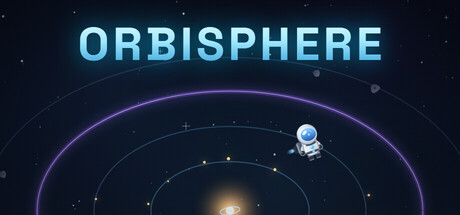
I built Orbisphere as a solo developer using AI tools under human direction. The soundtrack was created with generative AI music tools, with each track directed, selected, and edited by me. In-game vector artwork was authored with AI assistance from my terrible MS Paint references and designs. All game design, writing, systems, and balance are my own work.
Generative AI was used as a production tool to help create selected visual and audio assets and to assist with refining some written content. The game’s concept, narrative direction, scenes, mechanics, and final presentation were defined, directed, reviewed, and edited by the developer. No content is generated by AI during gameplay.
Im a solo indie dev, so I used IA tools for better usage of production time. I used code tools to make it easier to implement mechanics. I used Art IA tools to make starting points from where I can work on top. I used Sound IA tools to make music for this game.
Of course all these is because im a solo dev. Im planning to contract a team in the future if Im able to.
Heartwood Incremental was made by a solo developer working alongside an AI assistant (Anthropic's Claude). The AI helped write the game's code, including the code that procedurally draws its pixel-art sprites, tree, and icons, and helped draft written content such as upgrade, achievement, and store text. Everything was directed, reviewed, and refined by the human developer, and hand-checked before release. No generative AI runs while you play: nothing is created on your device at runtime, and all art and text are fixed in the build.
AI generated art and other assets were referenced and partly used during development, but every effort is taken to make the game original. At UWS, we make every effort to support our art/design team and use AI very rarely to meet our production needs
The game's fighters are controlled by AI models (LLMs) chosen by the player and reached through their own OpenRouter API key. During a match the model decides the character's actions and writes the short taunts shown on screen (text only). The game does not generate images, audio, music or voices with AI: every character, arena, soundtrack and sound effect is authored in advance and ships with the game. Every AI-generated line goes through an illegal content filter before it is displayed, on the player's computer and again on the server that hosts online matches, and online matches have a report system reviewed by a human team.
Generative AI was used during production of some visual and audio assets. All generated material is selected, directed, edited, and integrated through a human-led creative process. The game does not generate content with AI during play.
Some 2D art assets in this game — such as menu UI textures (buttons and panels) and background images — were created with the help of generative AI image tools during development. All AI-generated assets were reviewed and edited by the developer before being included in the game. No AI-generated content is created live during gameplay.
Generative AI tools were used during development to assist in creating and refining certain pre-generated 2D visual assets, including character artwork, environments, user interface elements, promotional materials, and store page graphics. All AI-assisted content was reviewed, edited, selected, and integrated by the developer. The game does not generate AI content during gameplay and does not send player input to external AI services.
Don't worry, this game is made by an experienced developer. It's fun and good quality. Give it a try!
That being said: AI was used to facilitate development. For example: it was used to facilitate coding and localization.
Corelink Protocol uses generative AI as part of its creative workflow, including artwork, sprites, music, and certain development assets. All AI‑assisted content is manually reviewed and refined before being included in the game. No content is generated live during gameplay; everything is pre‑produced to ensure a consistent and curated player experience.
AI-assisted. Developer-directed. Generative AI was used as a production tool during development: Claude assisted with prototyping and implementation, while Google Lyria was used to create the game's original 15-track soundtrack. The music and all other AI-assisted material were selected, edited, integrated, and play-tested by the developer to serve Boiler & Blood's dieselpunk folk-occult world.
This game uses generative artificial intelligence in the following ways: pixel character artwork and background images. AI-generated content was reviewed and edited by the developer before being included in the game or store page.
No Witnesses is developed by a two-man team, therefore generative AI has been used to assist in the creation of marketing assets and other player facing interfaces. All generated content is reviewed and perfected by a human before use.No Witnesses utilises third-party assets, of which we cannot attest to the creation of.
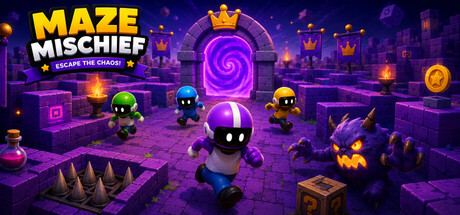
Some promotional images and marketing content for Maze Mischief were created with the assistance of generative artificial intelligence tools and subsequently reviewed and adjusted by the developer.
Generative AI was used during the development of this game to assist with the creation of certain visual assets and to help with portions of the programming process. All gameplay mechanics, game design, story, progression, and creative direction were designed and implemented by the developer.
Evo Ascension includes limited AI‑generated content. Some audio and select graphical elements were created using AI tools, with most visuals further refined and hand‑edited in Aseprite. All gameplay systems, pixel art characters, animations, and core design remain handcrafted by the developer.
About Generative AI
During development, we used generative AI tools to assist in creating some art assets, text copy, and voice-over segments. All AI‑generated content has been reviewed, modified, and refined item by item by our design team to ensure it meets the game’s overall style and quality standards, and final approval was carried out manually before release.
We have taken necessary measures to ensure that no AI‑generated content infringes upon any third‑party copyrights, trademarks, or other legal rights.
Pre-rendered AI imagery was used to create some background looping elements, for example an in-game TV screen. All other artwork, narrative and character art and animation is created by hand.
This game used generative AI as an assistive tool for translation and localization, and for producing some sound effects and music. All final text and audio were reviewed, edited, and approved by humans before inclusion.
Campfire Battles is our attempt to bring an idea to life as a two-person team. AI tools helped us work quickly, particularly on the coding side, but every piece was reviewed and refined by hand.
All in-game illustrations (character portraits, NPC and monster art, location and item images, key art) were pre-generated during development using generative AI tools and manually curated by the developer. The game does not create AI-generated content at runtime.
It was found that some character art pieces in the game used AI references after artists received explicit instruction and legal binding not to use AI.
This will be rectified in the future. I am committed to providing a game without AI usage.
The game logo was created with the assistance of generative AI and edited by the developer. AI was also used to assist with localization translations for other languages, which were reviewed and edited by the developer. No live-generated AI content is used during gameplay.
The game has used AI to enhance the game's store description, help improve the game's narrative and to assist with localisation using Google Translate.
During the development process, I use AI tools to assist with content creation. Specifically, I use them to generate base assets such as textures, visuals, and sound assets, which are then edited and refined by hand before shipping. No content is generated at runtime. In all such cases, the final product reflects my personal creativity, vision, and expression as a solo developer.
This game is built by a Master of the Fine Arts in Digital and New Media with a specialization in procedural content. Generative AI tools were used during development to create and iterate on pre-rendered visual assets, including dream artwork, backgrounds, capsule art, and marketing imagery. All AI-assisted content is selected, edited, and integrated by the development team. The game does not generate AI content during gameplay and does not connect to third-party AI services during play.
Generative AI was used to assist with grammar and spelling checks for some in-game text, translate store page content, and generate some sound assets. All content was reviewed and approved by the developer before inclusion. The game does not use live-generated AI.
This game's code was written with the assistance of generative AI. No AI-generated artwork or audio is used.
The visuals are hand-coded by the developer and the music is procedurally generated. AI also assisted with some in-game text and its French translation.
Ever since I was a child, I dreamed of making my own game. I tried again and again — I gathered teams, but something always fell apart and I would give up halfway. This time is different: with the help of AI, I am finally able to bring my dream to life. AI helped me with some of the text and translations — all the art, music, and sound are human-made or licensed, and the game uses no AI while you play.
I am an honest person, and I will keep giving this game everything I have. Thank you for taking the time to read this. 💚
The core game mechanics, game design, and overall creative direction are 100% my original vision. No AI tools were used for conceptualizing ideas or narrative structure. The programming code was generated utilizing the Rosebud AI platform, and the 2D visual assets were initially created with generative art tools. Code, artwork, and music were reviewed, manually edited, and arranged by me to bring my specific creative vision to life.
The game's 2D artwork (character portraits, scenes, backgrounds) and music were created with generative AI tools, then curated and edited by the developer. Parts of the game's code and narrative text were written with AI assistance, under human direction, review and rewriting. All AI-assisted content is pre-generated during development: nothing is generated by AI while you play.
The game icon and store page artwork (capsules and key art backgrounds) were created with the assistance of AI image-generation tools, then edited and composited by the development team. The in-game title logo also used AI assistance. All game design, level design, code, and gameplay content were created by the development team. No AI-generated content is created live during gameplay.
I built Orbisphere as a solo developer using AI tools under human direction. The soundtrack was created with generative AI music tools, with each track directed, selected, and edited by me. In-game vector artwork was authored with AI assistance from my terrible MS Paint references and designs. All game design, writing, systems, and balance are my own work.
Generative AI was used as a production tool to help create selected visual and audio assets and to assist with refining some written content. The game’s concept, narrative direction, scenes, mechanics, and final presentation were defined, directed, reviewed, and edited by the developer. No content is generated by AI during gameplay.
Im a solo indie dev, so I used IA tools for better usage of production time. I used code tools to make it easier to implement mechanics. I used Art IA tools to make starting points from where I can work on top. I used Sound IA tools to make music for this game.
Of course all these is because im a solo dev. Im planning to contract a team in the future if Im able to.
Heartwood Incremental was made by a solo developer working alongside an AI assistant (Anthropic's Claude). The AI helped write the game's code, including the code that procedurally draws its pixel-art sprites, tree, and icons, and helped draft written content such as upgrade, achievement, and store text. Everything was directed, reviewed, and refined by the human developer, and hand-checked before release. No generative AI runs while you play: nothing is created on your device at runtime, and all art and text are fixed in the build.
AI generated art and other assets were referenced and partly used during development, but every effort is taken to make the game original. At UWS, we make every effort to support our art/design team and use AI very rarely to meet our production needs
The game's fighters are controlled by AI models (LLMs) chosen by the player and reached through their own OpenRouter API key. During a match the model decides the character's actions and writes the short taunts shown on screen (text only). The game does not generate images, audio, music or voices with AI: every character, arena, soundtrack and sound effect is authored in advance and ships with the game. Every AI-generated line goes through an illegal content filter before it is displayed, on the player's computer and again on the server that hosts online matches, and online matches have a report system reviewed by a human team.
Generative AI was used during production of some visual and audio assets. All generated material is selected, directed, edited, and integrated through a human-led creative process. The game does not generate content with AI during play.
Some 2D art assets in this game — such as menu UI textures (buttons and panels) and background images — were created with the help of generative AI image tools during development. All AI-generated assets were reviewed and edited by the developer before being included in the game. No AI-generated content is created live during gameplay.
Generative AI tools were used during development to assist in creating and refining certain pre-generated 2D visual assets, including character artwork, environments, user interface elements, promotional materials, and store page graphics. All AI-assisted content was reviewed, edited, selected, and integrated by the developer. The game does not generate AI content during gameplay and does not send player input to external AI services.
Don't worry, this game is made by an experienced developer. It's fun and good quality. Give it a try!
That being said: AI was used to facilitate development. For example: it was used to facilitate coding and localization.
Corelink Protocol uses generative AI as part of its creative workflow, including artwork, sprites, music, and certain development assets. All AI‑assisted content is manually reviewed and refined before being included in the game. No content is generated live during gameplay; everything is pre‑produced to ensure a consistent and curated player experience.
AI-assisted. Developer-directed. Generative AI was used as a production tool during development: Claude assisted with prototyping and implementation, while Google Lyria was used to create the game's original 15-track soundtrack. The music and all other AI-assisted material were selected, edited, integrated, and play-tested by the developer to serve Boiler & Blood's dieselpunk folk-occult world.
This game uses generative artificial intelligence in the following ways: pixel character artwork and background images. AI-generated content was reviewed and edited by the developer before being included in the game or store page.
No Witnesses is developed by a two-man team, therefore generative AI has been used to assist in the creation of marketing assets and other player facing interfaces. All generated content is reviewed and perfected by a human before use.No Witnesses utilises third-party assets, of which we cannot attest to the creation of.
Some promotional images and marketing content for Maze Mischief were created with the assistance of generative artificial intelligence tools and subsequently reviewed and adjusted by the developer.