Public Steam disclosure research25,380 disclosures tracked
Where do games disclose AI use?
Search developers’ Steam disclosures, compare classified AI use across
games, and follow recorded changes.
This index adds cross-game classifications and statistics to
statements published on individual store pages.
Groups reflect automatic analysis of public disclosures; mature records are excluded. These counts do not measure AI use across all of Steam.
Missing or unclear statements cannot establish whether a game uses AI.
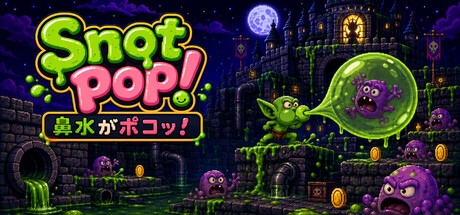
Snot Pop! is an indie project. Like many independent developers, generative AI was used as a tool among many during development; for brainstorming, writing, art and audio design, and working through balancing problems. AI was not the game designer or orchestrator of the project. All content was reviewed, directed, altered, and approved before inclusion. Everything in the game reflects deliberate creative decisions made by the developer.
Turbo Era Boss uses generative AI as part of its indie production workflow. Some pre-rendered visual assets, store capsule artwork, promotional/community images, and draft text/localization may be created or refined with AI-assisted tools. The game does not use live generative AI during gameplay. All AI-assisted material is reviewed, edited, and approved by Team76 before publication, and we avoid real team logos, real sponsors, driver likenesses, and other protected branding.
Card face art, in-game icons, and some store artwork were generated with locally-run image-generation models (Qwen-Image), then curated and composited by the developer. No AI content is generated at runtime.
Generative AI was used to assist in creating certain promotional art assets, including the Steam achievement icons and Steam store thumbnails. All gameplay, code, and core game content were created by the developer.
Generative AI tools were used to translate in-game text. Translations into languages spoken by the development team have been reviewed and corrected. Other languages rely primarily on these AI tools.
- Cutscene voice changer : original audio by voice artist transformed to character voices with AI. No text to speech AI was used as it just wasn't up to standards.
- Cutscene music/jingles, profile pictures and background pictures
- Textures
We are just as repulsed by AI slop (and slop in general) as anybody. We made a conscious effort to drop anything that wasn't up to standard.
Some graffiti textures were created using AI, entirely based on our own original game/licensed assets. No copyrighted or third-party materials were used in the process. All AI-generated textures have been manually reviewed, repainted, and edited.
Generative AI tools were used during development to assist with some code, visual assets, and English voice and audio content. The game's design, selection, editing, integration, balancing, testing, and final creative decisions are handled and reviewed by the developer before release.
Claude Code was used to scaffold most of the Rust code for this game, and the art assets were built from prompting latent diffusion models with human hand drawn sketches and text prompts.
Some of this game's assets were created with the assistance of generative AI tools. Character, enemy, and background artwork was created using Stable Diffusion and then manually edited and retouched by the developer. Background music and the ending theme songs were generated using ACE-Step v1.5. All AI-assisted assets were reviewed and curated by the developer. No content is generated by AI during gameplay.
Generative AI tools were used during development as creative and technical assistance, including support for programming, debugging, text drafting, localization, and some visual/marketing asset iteration. The game does not generate AI content during gameplay. All final content included in the game and store page was reviewed, selected, and edited by the developer before publication.
The background music (BGM) in this game was created using Suno, a generative AI tool. Some image assets (such as icons) were also created with the assistance of generative AI tools.
AI-generated content was used for promotional/store artwork, including capsule and library images. The game build itself does not use generative AI during gameplay.
Several of the original tracks included with the base game were created with the help of AI tooling as was some of the initial iconography and translations.
Even if we prefer manual craft & procedural generation, some 3d Models/Cinematics in this game were created with the assistance of AI generative tools during production. However, think AI more as an automation/interpolation tool to win time and focus on gamers really want: innovative gameplay and FUN!
This game makes use of generative AI as part of the creative pipeline across art, text, sound, and voice. None of it is dumped in raw — every asset is curated, edited, and reworked by hand, and every line of dialogue is agonized over until it earns its place. AI is a tool here, not the author; the taste, the pacing, and the final call on what stays are all made by people. The codebase, in the interest of full honesty, is held together with AI-assisted spaghetti and sheer willpower — but it works, and every line is reviewed before shipping.
This game uses generative AI for the translation of in-game text.
AI-generated translations are reviewed using translation services and human editing, and are revised or expanded as needed.
Generative AI is also used as a production aid for some UI images. Generated materials are manually edited and adjusted by humans.
Generative AI is not used to generate content while the game is running.
AI-generated art assets are used in this game. All such assets have been manually reviewed and adjusted to ensure a consistent visual style and quality.
Generative AI tools were used during development to assist in the creation of some pre-generated visual assets, character voices, translations, and promotional materials. All AI-assisted content was reviewed, edited, and curated by the developer. The game does not generate AI content in real time during gameplay.
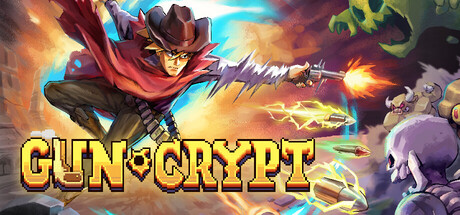
AI tools were used to assist with localization for some of the supported languages in Guncrypt. Many translations were reviewed by native speakers at Halfbrick, although not every supported language received a full review.
If you notice anything that seems incorrect in your language, please let us know. We’d appreciate your help improving it.
Almost the entire game uses traditional assets made by people. Artificial intelligence was only used as an aid to create some music, sound effects, images, and translations.
Generative AI tools were used to help create some of the 2D store and marketing graphics (e.g. store capsule images). These assets were reviewed and finalized by the developer, who holds the rights to use them. No generative AI is used for content inside the game, and no AI-generated content is produced live during gameplay.
Marketing key art (Steam store capsules, library art, page background) and the comic-book intro trailer were generated using Fal.ai's Flux 2 image diffusion model. Initial concept sketches and in-game sprite references were generated using ChatGPT's image generation, then hand-cleaned and integrated by the developer. All assets are pre-rendered at build time and shipped as static files within the game package - no generative AI runs during gameplay, and no AI is used to generate live content for players. AI was not used for code, voice acting, music, or any system that interacts with the player at runtime.
This game was made with the help of AI. The music was generated using Suno, and AI tools assisted with other content and store materials, all reviewed and curated by the developer.
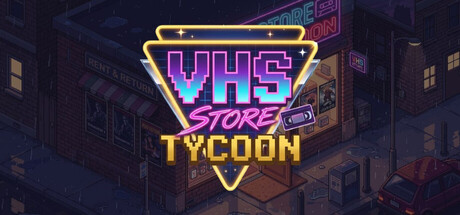
Pre-generated content (created during development, not at runtime):
- In-game parody movie cover art: generated with AI tools and manually reviewed by the team to ensure all covers are original parodies and do not reproduce trademarked logos, brands, or copyrighted characters.
- In-game parody movie titles and descriptions: drafted with AI assistance and manually edited by the team.
- In-game UI and text translations into the 8 supported languages: produced with AI assistance and reviewed by the team.
No live generative AI is used at runtime. All AI-assisted content is baked into the game build.
Core game assets (code, gameplay design, UI art, character and shop sprites, music and sound effects) were NOT generated with AI.
Snot Pop! is an indie project. Like many independent developers, generative AI was used as a tool among many during development; for brainstorming, writing, art and audio design, and working through balancing problems. AI was not the game designer or orchestrator of the project. All content was reviewed, directed, altered, and approved before inclusion. Everything in the game reflects deliberate creative decisions made by the developer.
Turbo Era Boss uses generative AI as part of its indie production workflow. Some pre-rendered visual assets, store capsule artwork, promotional/community images, and draft text/localization may be created or refined with AI-assisted tools. The game does not use live generative AI during gameplay. All AI-assisted material is reviewed, edited, and approved by Team76 before publication, and we avoid real team logos, real sponsors, driver likenesses, and other protected branding.
Card face art, in-game icons, and some store artwork were generated with locally-run image-generation models (Qwen-Image), then curated and composited by the developer. No AI content is generated at runtime.
Generative AI was used to assist in creating certain promotional art assets, including the Steam achievement icons and Steam store thumbnails. All gameplay, code, and core game content were created by the developer.
Generative AI tools were used to translate in-game text. Translations into languages spoken by the development team have been reviewed and corrected. Other languages rely primarily on these AI tools.
- Cutscene voice changer : original audio by voice artist transformed to character voices with AI. No text to speech AI was used as it just wasn't up to standards.
- Cutscene music/jingles, profile pictures and background pictures
- Textures
We are just as repulsed by AI slop (and slop in general) as anybody. We made a conscious effort to drop anything that wasn't up to standard.
Some graffiti textures were created using AI, entirely based on our own original game/licensed assets. No copyrighted or third-party materials were used in the process. All AI-generated textures have been manually reviewed, repainted, and edited.
Generative AI tools were used during development to assist with some code, visual assets, and English voice and audio content. The game's design, selection, editing, integration, balancing, testing, and final creative decisions are handled and reviewed by the developer before release.
Claude Code was used to scaffold most of the Rust code for this game, and the art assets were built from prompting latent diffusion models with human hand drawn sketches and text prompts.
Some of this game's assets were created with the assistance of generative AI tools. Character, enemy, and background artwork was created using Stable Diffusion and then manually edited and retouched by the developer. Background music and the ending theme songs were generated using ACE-Step v1.5. All AI-assisted assets were reviewed and curated by the developer. No content is generated by AI during gameplay.
Generative AI tools were used during development as creative and technical assistance, including support for programming, debugging, text drafting, localization, and some visual/marketing asset iteration. The game does not generate AI content during gameplay. All final content included in the game and store page was reviewed, selected, and edited by the developer before publication.
The background music (BGM) in this game was created using Suno, a generative AI tool. Some image assets (such as icons) were also created with the assistance of generative AI tools.
AI-generated content was used for promotional/store artwork, including capsule and library images. The game build itself does not use generative AI during gameplay.
Several of the original tracks included with the base game were created with the help of AI tooling as was some of the initial iconography and translations.
Even if we prefer manual craft & procedural generation, some 3d Models/Cinematics in this game were created with the assistance of AI generative tools during production. However, think AI more as an automation/interpolation tool to win time and focus on gamers really want: innovative gameplay and FUN!
This game makes use of generative AI as part of the creative pipeline across art, text, sound, and voice. None of it is dumped in raw — every asset is curated, edited, and reworked by hand, and every line of dialogue is agonized over until it earns its place. AI is a tool here, not the author; the taste, the pacing, and the final call on what stays are all made by people. The codebase, in the interest of full honesty, is held together with AI-assisted spaghetti and sheer willpower — but it works, and every line is reviewed before shipping.
This game uses generative AI for the translation of in-game text.
AI-generated translations are reviewed using translation services and human editing, and are revised or expanded as needed.
Generative AI is also used as a production aid for some UI images. Generated materials are manually edited and adjusted by humans.
Generative AI is not used to generate content while the game is running.
AI-generated art assets are used in this game. All such assets have been manually reviewed and adjusted to ensure a consistent visual style and quality.
Generative AI tools were used during development to assist in the creation of some pre-generated visual assets, character voices, translations, and promotional materials. All AI-assisted content was reviewed, edited, and curated by the developer. The game does not generate AI content in real time during gameplay.
AI tools were used to assist with localization for some of the supported languages in Guncrypt. Many translations were reviewed by native speakers at Halfbrick, although not every supported language received a full review.
If you notice anything that seems incorrect in your language, please let us know. We’d appreciate your help improving it.
Almost the entire game uses traditional assets made by people. Artificial intelligence was only used as an aid to create some music, sound effects, images, and translations.
Generative AI tools were used to help create some of the 2D store and marketing graphics (e.g. store capsule images). These assets were reviewed and finalized by the developer, who holds the rights to use them. No generative AI is used for content inside the game, and no AI-generated content is produced live during gameplay.
Marketing key art (Steam store capsules, library art, page background) and the comic-book intro trailer were generated using Fal.ai's Flux 2 image diffusion model. Initial concept sketches and in-game sprite references were generated using ChatGPT's image generation, then hand-cleaned and integrated by the developer. All assets are pre-rendered at build time and shipped as static files within the game package - no generative AI runs during gameplay, and no AI is used to generate live content for players. AI was not used for code, voice acting, music, or any system that interacts with the player at runtime.
This game was made with the help of AI. The music was generated using Suno, and AI tools assisted with other content and store materials, all reviewed and curated by the developer.
Pre-generated content (created during development, not at runtime):
- In-game parody movie cover art: generated with AI tools and manually reviewed by the team to ensure all covers are original parodies and do not reproduce trademarked logos, brands, or copyrighted characters.
- In-game parody movie titles and descriptions: drafted with AI assistance and manually edited by the team.
- In-game UI and text translations into the 8 supported languages: produced with AI assistance and reviewed by the team.
No live generative AI is used at runtime. All AI-assisted content is baked into the game build.
Core game assets (code, gameplay design, UI art, character and shop sprites, music and sound effects) were NOT generated with AI.