Public Steam disclosure research25,383 disclosures tracked
Where do games disclose AI use?
Search developers’ Steam disclosures, compare classified AI use across
games, and follow recorded changes.
This index adds cross-game classifications and statistics to
statements published on individual store pages.
Groups reflect automatic analysis of public disclosures; mature records are excluded. These counts do not measure AI use across all of Steam.
Missing or unclear statements cannot establish whether a game uses AI.
Some pre-made content was created with the help of generative AI and curated by the developer: promotional/splash artwork and some item icons, several source 3D meshes, background music tracks, and portions of in-game flavor text. The game does not generate any content at runtime.
This game uses AI-assisted tools in parts of its development process, including translation for the Steam store page and some in-game UI text, as well as assistance during the creation of certain visual assets.
This game uses generative AI as part of its development process.
AI-assisted tools were used to help create and refine some visual assets, UI elements, icons, text drafts, and localization drafts. These materials were reviewed, edited, and integrated by the developer before being included in the game.
The game does not generate new AI content in real time during gameplay. All content shown to players is pre-made, reviewed, and included as part of the game build.
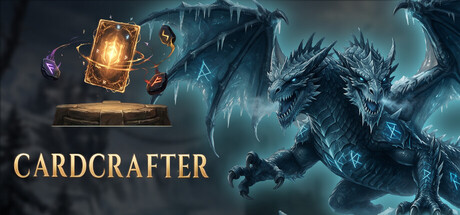
CardCrafter uses generative AI to create some of the content shipped with the game:
• Art: card illustrations, character and enemy portraits, icons, currencies and background scenes are created primarily with generative image models, then curated, post-processed and integrated by human.
• Audio: some sound effects and background music are created with generative AI tools.
• Text & localization: In-game text such as card descriptions is drafted with AI assistance and edited by hand; the Simplified Chinese and English localizations are machine-translated first, then human-proofread.
All of this content is pre-generated during development and baked into the game. The game does not generate any AI content at runtime, and never sends player input to an AI. Everything produced with AI is reviewed and selected by human before inclusion.
All voices are Ai generated along with the soundtracks. They are however created under strict instructions and hours of testing to get them right. Ai assisted in creating models/props.
Hi! I’m a solo indie developer working on this game during my free time outside of daily life.
To bring this project to life with limited time and resources, I used AI tools to assist parts of the development process, such as brainstorming, early prototypes, draft writing, and iteration support.
However, the core game design, gameplay systems, story structure, balancing, and final implementation were all personally planned, edited, and integrated by me.
AI is a tool that helps me turn ideas into something playable—it does not replace the creative decisions behind this game.
I know people may have different opinions about AI, so I want to be transparent about it.
Thank you for playing and supporting my work.
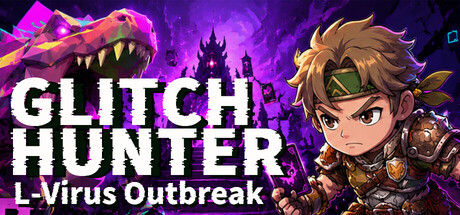
I hope you enjoy exploring this broken, virus-corrupted world.
The game's code, in-game text (Korean and English), localization, and store page text were created with the assistance of AI tools (Anthropic Claude), under human direction and review. Pixel artwork and audio are produced by procedural generation scripts that were also written with AI assistance. No content is generated by AI at runtime.
Generative AI tools were used during the development of Bubblecore: Survivors to assist with programming and to create some of the game’s visual and audio assets. All AI-assisted content was selected, edited, integrated, and reviewed by the developer.
Generative AI is not used at runtime: the game does not connect to AI services or generate content while the player is playing.
Development used generative tools to assist with pre-generated pixel-art characters, environments, UI, effects and reference images (PixelLab and OpenAI image generation); pre-generated sound effects and voices (ElevenLabs); pre-generated music (Stable Audio); and portions of game code, tests and documentation (OpenAI Codex, Claude Code). Outputs were selected, edited, integrated and tested by the developer. The shipped game does not generate AI content at runtime and does not send player prompts to an AI service.
Some in game and promotional visual assets were created using generative AI and then edited and integrated into FrogPop. No content is generated by AI during gameplay.
Our visual development workflow uses generative AI to create parts of graphical elements and textures. Every AI-assisted visual asset is reviewed, edited and polished by our team to maintain a consistent visual standard across the game.
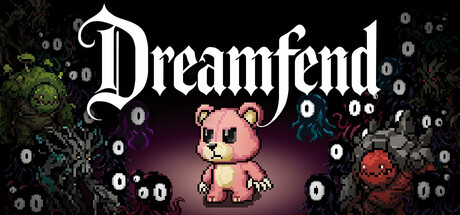
Some assets in Dreamfend were created using generative AI tools. This applies to the music and to some of the visual assets. All such content is reviewed and refined by hand to match the game's style and the author's intent. No content is generated during gameplay.
Localizations other than Italian are AI-assisted, with human and community review ongoing during development. All game design, writing, and art direction are human-made.
Artificial intelligence tools were utilized as a reference and assistive aid in the creation of certain art assets, audio elements, and localization translations for this game.
Some temporary store page artwork (capsule images) and marketing text were created with the assistance of AI tools. The game itself does not contain AI-generated art, sound, or content, and does not use AI generation at runtime.
AI was only used to generate minimal resources to support unit design and partial localization.
All AI-assisted content has been reviewed, and the final assets were manually drawn to fit the game's artistic style and atmosphere.
Store page assets: These were primarily created by our designers through composition and arrangement of existing in-game assets, followed by minor AI-assisted adjustments to atmosphere (e.g., lighting, color tones). All final images have undergone thorough human review and refinement. The core design work was completed by our designers, with AI serving only as a supplementary tool to enhance the final presentation.
Generative AI was used to assist in creating some visual assets, including certain background images and the game start screen artwork. Other game content, including gameplay, programming, character design, and world-building, was created independently by the development team.
We are committed to the ethical use of AI. As such, limited assistance with some text, spoken dialogue, narrative, localization, and store/marketing copy may have been utilized.
It is not used to generate artwork or live gameplay content, and all final content is reviewed by the team.
Generative AI tools were used during development to assist with portions of the game's code, visual asset creation, localization, and marketing artwork. All included content was selected, edited, integrated, and reviewed by the developer. The game does not generate AI content during gameplay.
Generative AI was used for:
- The game's logo and Steam store capsule artwork (image generation)
- Translation of in-game text into Turkish, German, French and Spanish
-AI-generated images were reviewed and edited before use.
AI coding assistants were used during development to help create and edit portions of the code and player-facing implementation that ship with the game. The game's 2D artwork was not created by an image-generation model. All AI-assisted outputs were reviewed, edited, and integrated by the developer. The game does not use generative AI at runtime.
I've been developing this game solo for three years now. Honestly, some of the models I made myself were just too ugly, and I was getting completely burned out. So, I had to use AI for just a couple of the models just to get it done.
Some visual assets and background music included in this game were created using generative AI tools and have been reviewed, edited, and integrated by the developer.
DriveGear includes some pre-generated visual and audio assets created with AI tools. These assets were selected and edited by the developer and ship as fixed content. No content is generated by AI during gameplay.
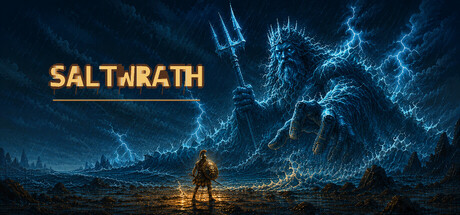
Some of SALTWRATH's audio and store artwork was created using generative AI tools and then edited by hand. The music and sound effects were generated with Suno, then trimmed, mixed and levelled manually before being used in the game. Some store page and capsule artwork was generated with an AI image tool and edited before use.
The game itself does not use generative AI while you play. Nothing is generated live during a run, no content changes between playthroughs because of AI, and no player input is ever sent to an AI service.
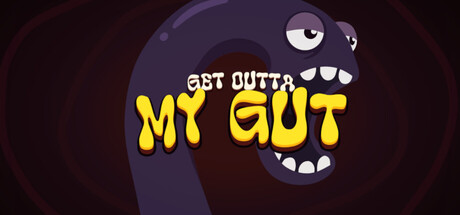
Various visual assets and promotional materials for Get Outta My Gut were created with the assistance of generative AI tools.
All AI-generated content was reviewed, refined, and integrated by the developer to ensure consistency with the game's artistic direction and quality standards.
Generative AI tools, including Claude and Codex, were used during development to assist with programming, game logic, written content, and other development tasks. All AI-assisted output was reviewed, edited, and integrated by the developer before inclusion in the final product. The game does not generate AI content during gameplay and does not connect to external generative AI services at runtime.
Some pre-made content was created with the help of generative AI and curated by the developer: promotional/splash artwork and some item icons, several source 3D meshes, background music tracks, and portions of in-game flavor text. The game does not generate any content at runtime.
This game uses AI-assisted tools in parts of its development process, including translation for the Steam store page and some in-game UI text, as well as assistance during the creation of certain visual assets.
This game uses generative AI as part of its development process.
AI-assisted tools were used to help create and refine some visual assets, UI elements, icons, text drafts, and localization drafts. These materials were reviewed, edited, and integrated by the developer before being included in the game.
The game does not generate new AI content in real time during gameplay. All content shown to players is pre-made, reviewed, and included as part of the game build.
CardCrafter uses generative AI to create some of the content shipped with the game:
• Art: card illustrations, character and enemy portraits, icons, currencies and background scenes are created primarily with generative image models, then curated, post-processed and integrated by human.
• Audio: some sound effects and background music are created with generative AI tools.
• Text & localization: In-game text such as card descriptions is drafted with AI assistance and edited by hand; the Simplified Chinese and English localizations are machine-translated first, then human-proofread.
All of this content is pre-generated during development and baked into the game. The game does not generate any AI content at runtime, and never sends player input to an AI. Everything produced with AI is reviewed and selected by human before inclusion.
All voices are Ai generated along with the soundtracks. They are however created under strict instructions and hours of testing to get them right. Ai assisted in creating models/props.
Hi! I’m a solo indie developer working on this game during my free time outside of daily life.
To bring this project to life with limited time and resources, I used AI tools to assist parts of the development process, such as brainstorming, early prototypes, draft writing, and iteration support.
However, the core game design, gameplay systems, story structure, balancing, and final implementation were all personally planned, edited, and integrated by me.
AI is a tool that helps me turn ideas into something playable—it does not replace the creative decisions behind this game.
I know people may have different opinions about AI, so I want to be transparent about it.
Thank you for playing and supporting my work.
I hope you enjoy exploring this broken, virus-corrupted world.
The game's code, in-game text (Korean and English), localization, and store page text were created with the assistance of AI tools (Anthropic Claude), under human direction and review. Pixel artwork and audio are produced by procedural generation scripts that were also written with AI assistance. No content is generated by AI at runtime.
Generative AI tools were used during the development of Bubblecore: Survivors to assist with programming and to create some of the game’s visual and audio assets. All AI-assisted content was selected, edited, integrated, and reviewed by the developer.
Generative AI is not used at runtime: the game does not connect to AI services or generate content while the player is playing.
Development used generative tools to assist with pre-generated pixel-art characters, environments, UI, effects and reference images (PixelLab and OpenAI image generation); pre-generated sound effects and voices (ElevenLabs); pre-generated music (Stable Audio); and portions of game code, tests and documentation (OpenAI Codex, Claude Code). Outputs were selected, edited, integrated and tested by the developer. The shipped game does not generate AI content at runtime and does not send player prompts to an AI service.
Some in game and promotional visual assets were created using generative AI and then edited and integrated into FrogPop. No content is generated by AI during gameplay.
Our visual development workflow uses generative AI to create parts of graphical elements and textures. Every AI-assisted visual asset is reviewed, edited and polished by our team to maintain a consistent visual standard across the game.
Some assets in Dreamfend were created using generative AI tools. This applies to the music and to some of the visual assets. All such content is reviewed and refined by hand to match the game's style and the author's intent. No content is generated during gameplay.
Localizations other than Italian are AI-assisted, with human and community review ongoing during development. All game design, writing, and art direction are human-made.
Artificial intelligence tools were utilized as a reference and assistive aid in the creation of certain art assets, audio elements, and localization translations for this game.
Some temporary store page artwork (capsule images) and marketing text were created with the assistance of AI tools. The game itself does not contain AI-generated art, sound, or content, and does not use AI generation at runtime.
AI was only used to generate minimal resources to support unit design and partial localization.
All AI-assisted content has been reviewed, and the final assets were manually drawn to fit the game's artistic style and atmosphere.
Store page assets: These were primarily created by our designers through composition and arrangement of existing in-game assets, followed by minor AI-assisted adjustments to atmosphere (e.g., lighting, color tones). All final images have undergone thorough human review and refinement. The core design work was completed by our designers, with AI serving only as a supplementary tool to enhance the final presentation.
Generative AI was used to assist in creating some visual assets, including certain background images and the game start screen artwork. Other game content, including gameplay, programming, character design, and world-building, was created independently by the development team.
We are committed to the ethical use of AI. As such, limited assistance with some text, spoken dialogue, narrative, localization, and store/marketing copy may have been utilized.
It is not used to generate artwork or live gameplay content, and all final content is reviewed by the team.
Generative AI tools were used during development to assist with portions of the game's code, visual asset creation, localization, and marketing artwork. All included content was selected, edited, integrated, and reviewed by the developer. The game does not generate AI content during gameplay.
Generative AI was used for:
- The game's logo and Steam store capsule artwork (image generation)
- Translation of in-game text into Turkish, German, French and Spanish
-AI-generated images were reviewed and edited before use.
AI coding assistants were used during development to help create and edit portions of the code and player-facing implementation that ship with the game. The game's 2D artwork was not created by an image-generation model. All AI-assisted outputs were reviewed, edited, and integrated by the developer. The game does not use generative AI at runtime.
I've been developing this game solo for three years now. Honestly, some of the models I made myself were just too ugly, and I was getting completely burned out. So, I had to use AI for just a couple of the models just to get it done.
Some visual assets and background music included in this game were created using generative AI tools and have been reviewed, edited, and integrated by the developer.
DriveGear includes some pre-generated visual and audio assets created with AI tools. These assets were selected and edited by the developer and ship as fixed content. No content is generated by AI during gameplay.
Some of SALTWRATH's audio and store artwork was created using generative AI tools and then edited by hand. The music and sound effects were generated with Suno, then trimmed, mixed and levelled manually before being used in the game. Some store page and capsule artwork was generated with an AI image tool and edited before use.
The game itself does not use generative AI while you play. Nothing is generated live during a run, no content changes between playthroughs because of AI, and no player input is ever sent to an AI service.
Various visual assets and promotional materials for Get Outta My Gut were created with the assistance of generative AI tools.
All AI-generated content was reviewed, refined, and integrated by the developer to ensure consistency with the game's artistic direction and quality standards.
Generative AI tools, including Claude and Codex, were used during development to assist with programming, game logic, written content, and other development tasks. All AI-assisted output was reviewed, edited, and integrated by the developer before inclusion in the final product. The game does not generate AI content during gameplay and does not connect to external generative AI services at runtime.