








Disclosure
We used AI tools (such as Claude) to assist with brainstorming game ideas, structuring code logic, and drafting textual content during development.
- Creator
- Ozgur Boruzanci
- Reviews
- -
- Added
- Aug 25, 2026
Public Steam disclosure research 25,383 disclosures tracked
Search developers’ Steam disclosures, compare classified AI use across games, and follow recorded changes. This index adds cross-game classifications and statistics to statements published on individual store pages.
Code help, debugging and other development work.
Capsule art, trailers and promotional material.
Pre-made art, audio, writing and other game assets.
Interactive or runtime AI features disclosed by the developer.
Groups reflect automatic analysis of public disclosures; mature records are excluded. These counts do not measure AI use across all of Steam. Missing or unclear statements cannot establish whether a game uses AI.
We used AI tools (such as Claude) to assist with brainstorming game ideas, structuring code logic, and drafting textual content during development.
The six staff portrait images currently in the game are AI-generated placeholders. They are being replaced with commissioned, hand-painted portraits by a human artist before release. Everything else — the key art, the store art, every case, every line of dialogue, the music, and the simulation itself — is human-made. The game runs no AI at play time.
AI tools were used during development to generate some of the visual assets (such as UI elements/background textures) and promotional/audio elements. All AI-generated content was reviewed, edited, and integrated manually into the game.
Generative AI tools were used during development to assist with programming, text, and the creation of some visual assets. The game does not use generative AI to create content during gameplay.
AI was used on a limited basis to assist with the refinement of certain visual designs. All VHS artwork and other licensed imagery is based on artwork created by human artists, and we hold the appropriate licenses for all third-party images used.
Generative AI tools were used during development to assist with some pre-generated visual assets, including selected pixel-art environments, characters, illustrations, icons, and promotional artwork. These assets are included with the game and are not generated live during gameplay. The game does not use a live AI service or send player data to an AI service. Shipped assets were reviewed, edited, and integrated by the development team.
The 3D environment and props are human made, but the images on the cover, and code were made with the help of AI.
We use AI to generate content for the game such as text descriptions, some images like npc portraits and ware items and to generate some stories to create immersion in the game. We also generate some voicing for dialogs using licensed voices. We also generate some other sounds such as sound effects (wind, sea waves) All content text, images, voices or sounds are reviewed manually by a human to verify the content and licensing aspects.
Portions of the game's code were written with AI assistance and reviewed, tested and integrated by the developer. Localization into non-English languages was machine-assisted and human-reviewed. Some 2D concept/marketing artwork was AI-assisted and manually refined. All gameplay, game design and audio are human-made. The game does not generate any content with AI at runtime.
Pre-Generated Content This demo includes pre-generated AI content: - The background images used in the Store, Breeding, and Inventory screens. - The shared background image used in the Collection and Tutorial screens. - Wooden aquarium decorations. - Snail aquarium decorations. - Background music tracks generated with Suno AI. The developer holds a license for their use. No AI-generated content is created during gameplay. Players cannot enter prompts or interact with AI systems.
Some assets like the games base cover art images are generated by AI so we can provide a large curated selection for each genre, topic and gaming generation.
Generative AI was used during development to create selected pre-generated store graphics, story illustrations, and in-game art. These assets were reviewed and edited before inclusion. The game does not generate AI content at runtime and does not send player input or personal data to AI services.
Generative AI tools were used during development to assist with programming, debugging, optimization, gameplay design, and the review or translation of some written content. The game does not use live-generated AI and does not connect to an AI service during gameplay.
Some art, music and sound effects were created with the assistance of generative AI tools, under the creative direction of the developer. All AI-assisted content was reviewed and curated before inclusion. The game does not use AI to generate content during gameplay.
The main Campaign story, characters, and dialogue are written by a team of human writers. AI tools are used for voice generation and some localization. The optional Free Ride mode includes AI-generated passenger missions and localized dialogue. Free Ride mode is separate from the main Campaign and can be skipped by players who prefer to experience only human-written narrative content. The game also includes a mix of radio stations featuring human-made music and AI-generated music. Stations containing AI-generated music are clearly labeled as such in the game.
Storepage placeholder assets
AI tools were used during development to provide feedback on artwork and assist with localization. No AI-generated artwork or other AI-generated assets are included in the final game.
NDP features some AI generated narrations, sounds effects and background music.
Artificial intelligence was used to assist with interface localization and adaptation of in-game textures. There was a time when people used Google Translate, and terrible localization for many languages was common. Times have changed, progress does not stand still. Today, new and more advanced tools have emerged, and people now use them instead of outdated ones.
Generative AI was used in parts of this project: the animated story cutscenes were brought to life with AI tools from original artwork drawn by the developer; the game's music, most of its sound effects, some in-game images such as the main menu, its logo and some promotional material, the store-page translations, and the English and Turkish in-game text were also created with generative AI tools. The gameplay itself — its systems, characters, environments and screenshots — is authentic and shows the real game. No AI is used to generate content during gameplay.
AI-assisted tools were used during the development of this game to help with portions of the programming process, the creation of some visual assets, and certain audio assets. All AI-assisted content was reviewed, refined, and integrated by the development team before release. The game does not use generative AI to create content during gameplay and does not rely on external AI services while running.
We integrate artificial intelligence solely as a creative assistance tool during pre-production and artistic exploration phases. Specifically, we use image generators to produce preliminary concept art, explore different visual directions, and accelerate iteration on our graphic ideas. AI serves only as a source of inspiration, while the entire final content is fully created, curated, and refined by our human team. Generated images are never used as-is in the final product. Every visual element in the game (textures, characters, environments, illustrations, etc.) is recreated, retouched, painted, recomposed, or manually validated by our artists to ensure: originality of the content, respect for copyright, artistic consistency, and compliance with Steam/Valve guidelines. AI does not contribute to the generation of final assets, 3D models, animations, sounds, or any other elements directly integrated into the game. Its role is strictly limited to providing visual references, aesthetic guidance, and starting points to help our team work more efficiently. This approach allows us to maintain a strong and authentic artistic identity while benefiting from a more fluid, inspiring, and innovative creation process — directly reflected in the quality, coherence, and originality of our game.
This game was primarily coded with AI. The story and concept was made almost entirely by myself (As this was the main aim of the game to begin with) Please don't buy it if you're not a fan of this use of AI generation.
Some of the artwork in The Dawn Forge — the item, building, unit and boss illustrations — and the spoken narration lines were created using AI image and voice tools, working from the developer's own art direction and scripts, and then composed and edited by hand. Nothing is generated while you play: the game runs entirely offline and never contacts an AI service.
Wishing Well Simulator uses generative AI tools during development only; nothing is generated while you play, and the game never connects to any external AI service. Pre-generated content made with AI assistance: Key art and store artwork were created with generative image tools and then edited by hand. The 3D well model was generated with an AI 3D tool (Meshy) and reworked by hand (materials, UVs, textures). Translations into 21 languages beyond the original Turkish were produced with AI-assisted translation and then reviewed by hand, including platform terminology corrections. Some secondary text (credits, tutorial hints) was drafted with AI assistance and edited by the author. Written by hand: the story, all 119 events, the characters and dialogue, the game design and code. Sound effects are procedurally generated by the game's own code (no AI); the game has no music or voice acting.
Load Factor's player-facing content its data, simulation, art, and text is authored by us, not generated by AI. During development we used AI-assisted coding tools to help write and review source code, in the same way modern IDEs offer AI assistance. No artwork, audio, writing, or localization shipped in the game is AI-generated, and the game does not generate any content using AI while you play.
Generative AI was used during game development to assist with programming and to create some pre-generated promotional artwork. All AI-assisted outputs were reviewed and edited by the developer before release.
Some visual assets in this game were generated using AI.
This game uses generative AI tools during development. AI-assisted tools are used to help create or refine some artwork, including fictional team logos, mascots, character portraits, background illustrations, and marketing images. AI-assisted tools are also used to help create or refine some sound and music-related materials, such as fictional team cheering themes and audio concepts. AI is used to assist with fictional game data creation, including team concepts, player data, regional flavor text, news text, event ideas, and other in-game text content. AI-assisted coding tools are used during development to help write, review, debug, and improve parts of the game code. All content is reviewed and edited by the developer before being included in the game. The game does not use live generative AI during gameplay.
During game development, we used AI tools to assist with the creation of some visual art assets and to support programming work.
AI was used during development to assist with the creation of certain visual elements. All AI-assisted content is reviewed, edited, and approved by the developer before being integrated into the game.
The game's menu interface and Steam store page assets (capsule images and other promotional artwork) were designed with the assistance of an AI-based design tool. All other art, environments, characters, and audio in the game were created without the use of generative AI.
During development, a small number of texture assets were generated with AI assistance and have been manually modified for use as visual placeholders.
As an indie studio, we use generative AI to continue developing the games we love. It allows us to accomplish tasks that would otherwise be beyond our small team's capacity. Generative AI was used during the development of the game's user interface and to assist with creating parts of the game's audio. Every AI-generated asset was carefully reviewed and refined before being included in the final game.
Generative AI tools were used during development to assist in creating some in-game visual assets, graphical assets, and store marketing artwork. All generated materials were selected, edited, adjusted, and reviewed by the developer before being included. The game does not use generative AI to generate content during gameplay.
Generative AI tools were used during development to create initial concepts for background music tracks and 2D loading screen artwork. These concepts were heavily reworked, re-edited, and finalized by human artists before being integrated as static files into the game build. Players who prefer a completely traditional experience can completely disable all AI-assisted art and music via a toggle in the game's settings menu. This game does not use any real-time or live generative AI. No content is generated dynamically during gameplay.
This game was developed through collaboration between the developer and AI tools across most content (art, writing, design); in-game translations were generated by AI.
As a solo indie developer, I'm a programmer rather than a designer, so AI was used to assist with layout creation while I focused on building the core of the game.
Generative AI was used to assist with preparing translations and to support the development of the game's code.
During development, we used procedural and AI-assisted tools to analyze, merge, refine, and polish systems that were originally developed through years of our own experimentation, iteration, and hands-on exploration. These tools accelerated implementation and helped unify complex ideas beyond what would have been practical through manual development alone, while the underlying concepts, creative direction, design decisions, and final implementation remain the work of our development team.
Trainee dialogue is generated in real time by an online AI service during gameplay. The AI produces conversation text based on each trainee's personality, history, and the player's management decisions. All management systems, music releases, chart rankings, and settlement run locally — only dialogue generation requires an internet connection.
Generative AI was used during development to create portions of the game’s 2D artwork and a small number of 3D models. All AI-generated material was reviewed, manually edited, cleaned up, and polished by the developer before being included in the final game. Generative AI is not used to create content while the game is running.
Generative AI was used to make audio
Some of Powdertron's development and marketing materials were produced with AI assistance. The store page text was drafted with an AI writing tool and edited by hand, and the capsule images and trailer were rendered by procedural code written with AI assistance, using the game's own artwork and captured gameplay footage. The game itself contains no generative AI. Nothing is generated at runtime, no AI service is contacted while you play, and all in-game content — the materials, reaction rules, simulations and interface — is authored and deterministic.
Investors and characters respond to the business idea you type, because a language model re-words our hand-written dialogue at runtime. It only changes wording — never numbers, outcomes, or anything in your save. If a generation fails, you get the hand-written line instead. Your product illustration is generated from your own idea text.
Generative AI was used during development to assist with some programming tasks, multilingual translations of in-game text, and the creation of certain graphics and sounds. All AI-assisted output was reviewed and edited by the developer. No AI content is generated in real time during gameplay.
Generative AI tools were used during the development of BURST NOIR to assist with the creation and refinement of certain visual assets, including branding, logo concepts, promotional graphics, and some UI-related artwork. AI-assisted tools were also used as part of the development workflow for programming, prototyping, localization, and content production. The core fireworks simulation, gameplay systems, and final in-game presentation are implemented as part of the game itself. The game does not generate AI content in real time during gameplay.
Some visual assets used in Retro TV Tycoon were created with the assistance of generative AI. Specifically, AI-generated imagery is used for some of the fictional thumbnail artwork displayed in the **TV Catalog** and **Film Archives** sections of the game. These images are pre-generated assets created during development and are not generated dynamically while the game is running. Generative AI is not used to generate gameplay, player interactions, or live content. The AI-assisted images are used solely as visual illustrations and thumbnails representing fictional television programs and films within the game's catalog and archive interfaces.
Some art assets were initially created with the assistance of generative AI tools, then manually edited and finalized by the developer. AI tools were also used to assist with multilingual localization.
I’m a broke college student and don’t have the budget to hire a professional artist for everything, so generative AI was used to help create some marketing and promotional artwork for the game do forgive me.
| Title⇅ | Disclosure | Creator⇅ | Src | Reviews⇅ | Added↓ |
|---|---|---|---|---|---|
 Swinging Pier Clean Simulator Dev only textcode | We used AI tools (such as Claude) to assist with brainstorming game ideas, structuring code logic, and drafting textual content during development. | Ozgur Boruzanci | - | Aug 25, 2026 | |
 The Attending In-game content art | The six staff portrait images currently in the game are AI-generated placeholders. They are being replaced with commissioned, hand-painted portraits by a human artist before release. Everything else — the key art, the store art, every case, every line of dialogue, the music, and the simulation itself — is human-made. The game runs no AI at play time. | Abreu Data Works | - | Aug 25, 2026 | |
 Void Ascend In-game content artaudio | AI tools were used during development to generate some of the visual assets (such as UI elements/background textures) and promotional/audio elements. All AI-generated content was reviewed, edited, and integrated manually into the game. | Xseynon | - | Aug 25, 2026 | |
 Road to Millionaire – Investing In-game content arttextcode | Generative AI tools were used during development to assist with programming, text, and the creation of some visual assets. The game does not use generative AI to create content during gameplay. | Tsunami Games2026 | - | Aug 25, 2026 | |
 VHS Chaos In-game content art | AI was used on a limited basis to assist with the refinement of certain visual designs. All VHS artwork and other licensed imagery is based on artwork created by human artists, and we hold the appropriate licenses for all third-party images used. | RewindApp | - | Aug 25, 2026 | |
 Travel Agency Simulator In-game content art | Generative AI tools were used during development to assist with some pre-generated visual assets, including selected pixel-art environments, characters, illustrations, icons, and promotional artwork. These assets are included with the game and are not generated live during gameplay. The game does not use a live AI service or send player data to an AI service. Shipped assets were reviewed, edited, and integrated by the development team. | World of Travel | - | Aug 24, 2026 | |
 Abandoned Gameshop Store/marketing artcode | The 3D environment and props are human made, but the images on the cover, and code were made with the help of AI. | Zero Code Studios | - | Aug 24, 2026 | |
 1200 BC In-game content arttextaudio | We use AI to generate content for the game such as text descriptions, some images like npc portraits and ware items and to generate some stories to create immersion in the game.
We also generate some voicing for dialogs using licensed voices.
We also generate some other sounds such as sound effects (wind, sea waves)
All content text, images, voices or sounds are reviewed manually by a human to verify the content and licensing aspects. | Xno Games Studio | - | Aug 24, 2026 | |
 The Last Stash In-game content codetextart | Portions of the game's code were written with AI assistance and reviewed, tested and integrated by the developer. Localization into non-English languages was machine-assisted and human-reviewed. Some 2D concept/marketing artwork was AI-assisted and manually refined. All gameplay, game design and audio are human-made. The game does not generate any content with AI at runtime. | Kaldforge Studio | - | Aug 24, 2026 | |
 Little Bettas In-game content artaudio | Pre-Generated Content
This demo includes pre-generated AI content:
- The background images used in the Store, Breeding, and Inventory screens.
- The shared background image used in the Collection and Tutorial screens.
- Wooden aquarium decorations.
- Snail aquarium decorations.
- Background music tracks generated with Suno AI. The developer holds a license for their use.
No AI-generated content is created during gameplay. Players cannot enter prompts or interact with AI systems. | ElaraClub | - | Aug 24, 2026 | |
 Game Dev Dynasty Store/marketing art | Some assets like the games base cover art images are generated by AI so we can provide a large curated selection for each genre, topic and gaming generation. | Boot Phase Games | - | Aug 24, 2026 | |
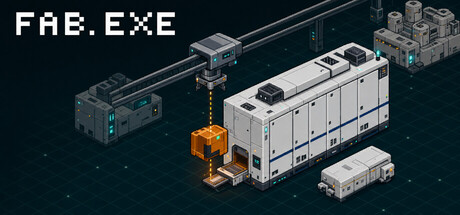 Fab.exe In-game content art | Generative AI was used during development to create selected pre-generated store graphics, story illustrations, and in-game art. These assets were reviewed and edited before inclusion. The game does not generate AI content at runtime and does not send player input or personal data to AI services. | BT Studio | - | Aug 24, 2026 | |
 Medicinal Herbs - Cannabis Grow Simulator Dev only codetext | Generative AI tools were used during development to assist with programming, debugging, optimization, gameplay design, and the review or translation of some written content. The game does not use live-generated AI and does not connect to an AI service during gameplay. | MazyGames | 61 | Aug 24, 2026 | |
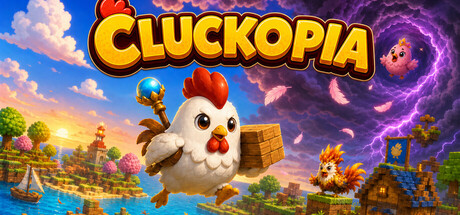 Cluckopia In-game content artaudio | Some art, music and sound effects were created with the assistance of generative AI tools, under the creative direction of the developer. All AI-assisted content was reviewed and curated before inclusion. The game does not use AI to generate content during gameplay. | Andre Luiz Themistocles | - | Aug 24, 2026 | |
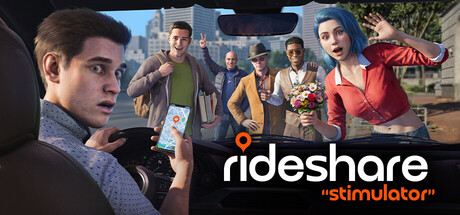 Rideshare "Stimulator" In-game content textaudio | The main Campaign story, characters, and dialogue are written by a team of human writers. AI tools are used for voice generation and some localization.
The optional Free Ride mode includes AI-generated passenger missions and localized dialogue. Free Ride mode is separate from the main Campaign and can be skipped by players who prefer to experience only human-written narrative content.
The game also includes a mix of radio stations featuring human-made music and AI-generated music. Stations containing AI-generated music are clearly labeled as such in the game. | UNIGINE | - | Aug 24, 2026 | |
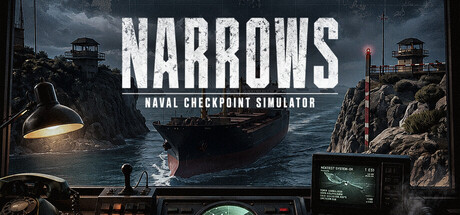 Steeltide Unclear | Storepage placeholder assets | Tecera Games | - | Aug 24, 2026 | |
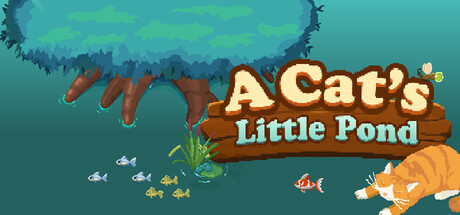 A Cat's Little Pond In-game content arttext | AI tools were used during development to provide feedback on artwork and assist with localization. No AI-generated artwork or other AI-generated assets are included in the final game. | Rikerat | - | Aug 24, 2026 | |
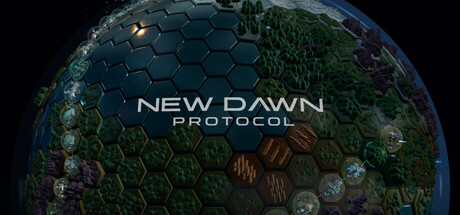 New Dawn Protocol In-game content audio | NDP features some AI generated narrations, sounds effects and background music. | UNMS | - | Aug 24, 2026 | |
 My Last Appointment In-game content textart | Artificial intelligence was used to assist with interface localization and adaptation of in-game textures.
There was a time when people used Google Translate, and terrible localization for many languages was common. Times have changed, progress does not stand still. Today, new and more advanced tools have emerged, and people now use them instead of outdated ones. | Ells&Pills | 133 | Aug 23, 2026 | |
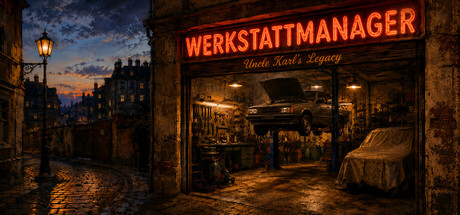 WerkstattManager – Uncle Karl's Legacy In-game content artaudiotext | Generative AI was used in parts of this project: the animated story cutscenes were brought to life with AI tools from original artwork drawn by the developer; the game's music, most of its sound effects, some in-game images such as the main menu, its logo and some promotional material, the store-page translations, and the English and Turkish in-game text were also created with generative AI tools. The gameplay itself — its systems, characters, environments and screenshots — is authentic and shows the real game. No AI is used to generate content during gameplay. | Hinterhof Games | - | Aug 23, 2026 | |
 Cyber Academy In-game content artaudio | AI-assisted tools were used during the development of this game to help with portions of the programming process, the creation of some visual assets, and certain audio assets. All AI-assisted content was reviewed, refined, and integrated by the development team before release. The game does not use generative AI to create content during gameplay and does not rely on external AI services while running. | JinjaGames | - | Aug 23, 2026 | |
 Brainrot Simulator Dev only art | We integrate artificial intelligence solely as a creative assistance tool during pre-production and artistic exploration phases.
Specifically, we use image generators to produce preliminary concept art, explore different visual directions, and accelerate iteration on our graphic ideas.
AI serves only as a source of inspiration, while the entire final content is fully created, curated, and refined by our human team.
Generated images are never used as-is in the final product.
Every visual element in the game (textures, characters, environments, illustrations, etc.) is recreated, retouched, painted, recomposed, or manually validated by our artists to ensure:
originality of the content,
respect for copyright,
artistic consistency,
and compliance with Steam/Valve guidelines.
AI does not contribute to the generation of final assets, 3D models, animations, sounds, or any other elements directly integrated into the game.
Its role is strictly limited to providing visual references, aesthetic guidance, and starting points to help our team work more efficiently.
This approach allows us to maintain a strong and authentic artistic identity while benefiting from a more fluid, inspiring, and innovative creation process — directly reflected in the quality, coherence, and originality of our game. | Pooandplay | - | Aug 23, 2026 | |
 Recursive Intelligence Dev only code | This game was primarily coded with AI.
The story and concept was made almost entirely by myself (As this was the main aim of the game to begin with)
Please don't buy it if you're not a fan of this use of AI generation. | Malacia | - | Aug 23, 2026 | |
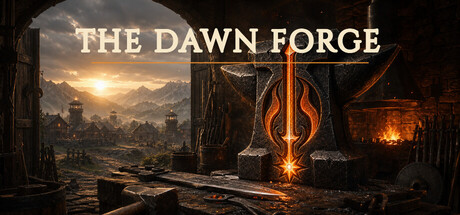 The Dawn Forge In-game content artaudio | Some of the artwork in The Dawn Forge — the item, building, unit and boss illustrations — and the spoken narration lines were created using AI image and voice tools, working from the developer's own art direction and scripts, and then composed and edited by hand. Nothing is generated while you play: the game runs entirely offline and never contacts an AI service. | Carlos | - | Aug 23, 2026 | |
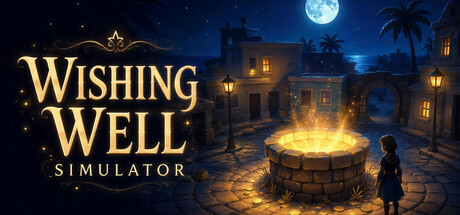 Wishing Well Simulator In-game content arttext | Wishing Well Simulator uses generative AI tools during development only; nothing is generated while you play, and the game never connects to any external AI service.
Pre-generated content made with AI assistance:
Key art and store artwork were created with generative image tools and then edited by hand.
The 3D well model was generated with an AI 3D tool (Meshy) and reworked by hand (materials, UVs, textures).
Translations into 21 languages beyond the original Turkish were produced with AI-assisted translation and then reviewed by hand, including platform terminology corrections.
Some secondary text (credits, tutorial hints) was drafted with AI assistance and edited by the author.
Written by hand: the story, all 119 events, the characters and dialogue, the game design and code. Sound effects are procedurally generated by the game's own code (no AI); the game has no music or voice acting. | Kanuni Games | - | Aug 23, 2026 | |
 Load Factor Dev only code | Load Factor's player-facing content its data, simulation, art, and text is authored by us, not generated by AI. During development we used AI-assisted coding tools to help write and review source code, in the same way modern IDEs offer AI assistance. No artwork, audio, writing, or localization shipped in the game is AI-generated, and the game does not generate any content using AI while you play. | FlyWithTom | - | Aug 23, 2026 | |
 读博模拟器 Store/marketing codeart | Generative AI was used during game development to assist with programming and to create some pre-generated promotional artwork. All AI-assisted outputs were reviewed and edited by the developer before release. | Jia Games | - | Aug 23, 2026 | |
 Neural Goblins In-game content art | Some visual assets in this game were generated using AI. | Grey Chan's Lab | - | Aug 23, 2026 | |
 47都道府県にプロ野球チームが存在する世界線で日本一の球団をめざそう! In-game content artaudiotextcode | This game uses generative AI tools during development.
AI-assisted tools are used to help create or refine some artwork, including fictional team logos, mascots, character portraits, background illustrations, and marketing images.
AI-assisted tools are also used to help create or refine some sound and music-related materials, such as fictional team cheering themes and audio concepts.
AI is used to assist with fictional game data creation, including team concepts, player data, regional flavor text, news text, event ideas, and other in-game text content.
AI-assisted coding tools are used during development to help write, review, debug, and improve parts of the game code.
All content is reviewed and edited by the developer before being included in the game. The game does not use live generative AI during gameplay. | Sports Management Kraft Games | - | Aug 23, 2026 | |
 都市青年模拟器 In-game content artcode | During game development, we used AI tools to assist with the creation of some visual art assets and to support programming work. | HF GAME | 12 | Aug 23, 2026 | |
 Moon Shop Simulator In-game content art | AI was used during development to assist with the creation of certain visual elements.
All AI-assisted content is reviewed, edited, and approved by the developer before being integrated into the game. | Hakkah Studio | - | Aug 23, 2026 | |
 Rust & Reveal: Restoration Simulator Store/marketing art | The game's menu interface and Steam store page assets (capsule images and other promotional artwork) were designed with the assistance of an AI-based design tool. All other art, environments, characters, and audio in the game were created without the use of generative AI. | NovaFell | - | Aug 23, 2026 | |
 T-Shirt Kingdom In-game content art | During development, a small number of texture assets were generated with AI assistance and have been manually modified for use as visual placeholders. | Paralens Vision | - | Aug 23, 2026 | |
 The Winery - Winemaking Simulator In-game content artaudio | As an indie studio, we use generative AI to continue developing the games we love. It allows us to accomplish tasks that would otherwise be beyond our small team's capacity.
Generative AI was used during the development of the game's user interface and to assist with creating parts of the game's audio. Every AI-generated asset was carefully reviewed and refined before being included in the final game. | Quasar Studio | - | Aug 23, 2026 | |
 Egg to Monster In-game content art | Generative AI tools were used during development to assist in creating some in-game visual assets, graphical assets, and store marketing artwork. All generated materials were selected, edited, adjusted, and reviewed by the developer before being included. The game does not use generative AI to generate content during gameplay. | Furo-Pizza Studio | - | Aug 23, 2026 | |
 Weed Shop 4: Highland In-game content artaudio | Generative AI tools were used during development to create initial concepts for background music tracks and 2D loading screen artwork. These concepts were heavily reworked, re-edited, and finalized by human artists before being integrated as static files into the game build.
Players who prefer a completely traditional experience can completely disable all AI-assisted art and music via a toggle in the game's settings menu.
This game does not use any real-time or live generative AI. No content is generated dynamically during gameplay. | Weed Games | 196 | Aug 23, 2026 | |
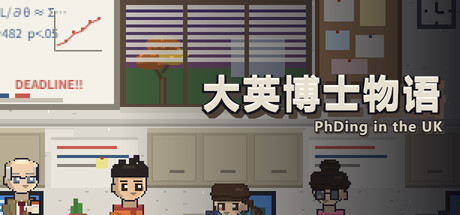 PhDing in the UK In-game content arttext | This game was developed through collaboration between the developer and AI tools across most content (art, writing, design); in-game translations were generated by AI. | Mouse Mouse | - | Aug 22, 2026 | |
 Empire Eleven 2026 In-game content art | As a solo indie developer, I'm a programmer rather than a designer, so AI was used to assist with layout creation while I focused on building the core of the game. | NextStation Games | - | Aug 22, 2026 | |
 Simple Football League Manager In-game content codetext | Generative AI was used to assist with preparing translations and to support the development of the game's code. | ChaoStar | - | Aug 22, 2026 | |
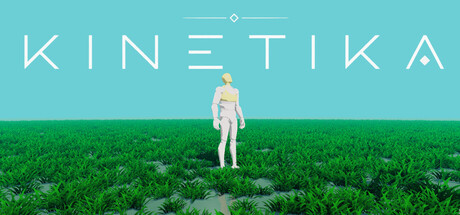 KINETIKA Dev only | During development, we used procedural and AI-assisted tools to analyze, merge, refine, and polish systems that were originally developed through years of our own experimentation, iteration, and hands-on exploration. These tools accelerated implementation and helped unify complex ideas beyond what would have been practical through manual development alone, while the underlying concepts, creative direction, design decisions, and final implementation remain the work of our development team. | Senshi Games | - | Aug 22, 2026 | |
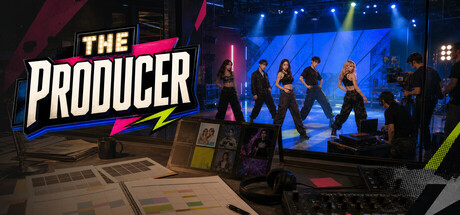 The Producer Live AI text | Trainee dialogue is generated in real time by an online AI service during gameplay. The AI produces conversation text based on each trainee's personality, history, and the player's management decisions. All management systems, music releases, chart rankings, and settlement run locally — only dialogue generation requires an internet connection. | Plotfun Inc | - | Aug 22, 2026 | |
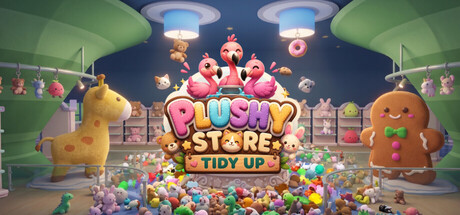 Plushy Store Tidy Up In-game content art | Generative AI was used during development to create portions of the game’s 2D artwork and a small number of 3D models. All AI-generated material was reviewed, manually edited, cleaned up, and polished by the developer before being included in the final game. Generative AI is not used to create content while the game is running. | SIV Games | - | Aug 22, 2026 | |
 Arcanum Idle In-game content audio | Generative AI was used to make audio | Lanier Labs LLC | - | Aug 22, 2026 | |
 Powdertron Store/marketing textart | Some of Powdertron's development and marketing materials were produced with AI assistance. The store page text was drafted with an AI writing tool and edited by hand, and the capsule images and trailer were rendered by procedural code written with AI assistance, using the game's own artwork and captured gameplay footage.
The game itself contains no generative AI. Nothing is generated at runtime, no AI service is contacted while you play, and all in-game content — the materials, reaction rules, simulations and interface — is authored and deterministic. | SalE | - | Aug 22, 2026 | |
 Serial Founder Live AI text | Investors and characters respond to the business idea you type, because a language model re-words our hand-written dialogue at runtime. It only changes wording — never numbers, outcomes, or anything in your save. If a generation fails, you get the hand-written line instead.
Your product illustration is generated from your own idea text. | Ari Tuononen | - | Aug 22, 2026 | |
 Tidying Simulator In-game content artaudiocodetext | Generative AI was used during development to assist with some programming tasks, multilingual translations of in-game text, and the creation of certain graphics and sounds. All AI-assisted output was reviewed and edited by the developer. No AI content is generated in real time during gameplay. | GamJangJangi | - | Aug 22, 2026 | |
 BURST NOIR - Fireworks Simulator In-game content artcodetext | Generative AI tools were used during the development of BURST NOIR to assist with the creation and refinement of certain visual assets, including branding, logo concepts, promotional graphics, and some UI-related artwork.
AI-assisted tools were also used as part of the development workflow for programming, prototyping, localization, and content production.
The core fireworks simulation, gameplay systems, and final in-game presentation are implemented as part of the game itself. The game does not generate AI content in real time during gameplay. | FerioWorks | - | Aug 22, 2026 | |
 Retro TV Tycoon In-game content art | Some visual assets used in Retro TV Tycoon were created with the assistance of generative AI.
Specifically, AI-generated imagery is used for some of the fictional thumbnail artwork displayed in the **TV Catalog** and **Film Archives** sections of the game. These images are pre-generated assets created during development and are not generated dynamically while the game is running.
Generative AI is not used to generate gameplay, player interactions, or live content. The AI-assisted images are used solely as visual illustrations and thumbnails representing fictional television programs and films within the game's catalog and archive interfaces. | Xiro's Studio | - | Aug 22, 2026 | |
 Will This Do? In-game content arttext | Some art assets were initially created with the assistance of generative AI tools, then manually edited and finalized by the developer. AI tools were also used to assist with multilingual localization. | tititto | - | Aug 22, 2026 | |
 Please Stop Breeding the Ducks In-game content art | I’m a broke college student and don’t have the budget to hire a professional artist for everything, so generative AI was used to help create some marketing and promotional artwork for the game do forgive me. | Solarice Interactives | - | Aug 22, 2026 |


