Public Steam disclosure research25,706 disclosures tracked
Where do games disclose AI use?
Search developers’ Steam disclosures, compare classified AI use across
games, and follow recorded changes.
This index adds cross-game classifications and statistics to
statements published on individual store pages.
Groups reflect automatic analysis of public disclosures; mature records are excluded. These counts do not measure AI use across all of Steam.
Missing or unclear statements cannot establish whether a game uses AI.
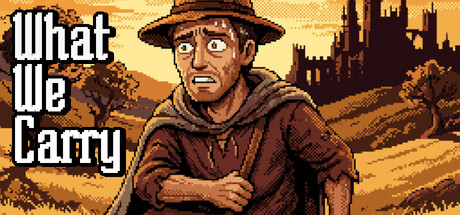
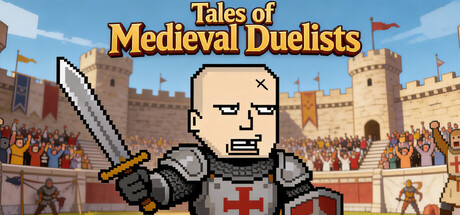
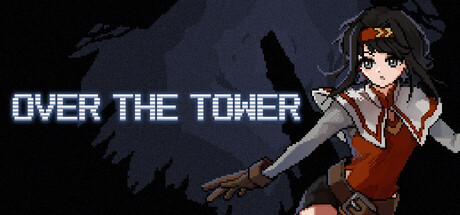
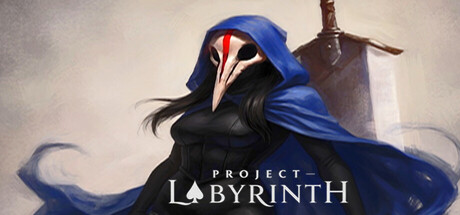
I am a solo indie developer with limited time and funds. I use AI art to help in places where my personal pixel art skills are lacking. Many/most all of these pieces get hand cleaned up by me to ensure overall aesthetics, feel, and theme are maintained.
Specific usages of AI Art:
Character/Armor Art - (The characters are the focal pieces of the game. I wanted them clean with the gritty overtones and proper shading. My art is not there yet)
Location Backgrounds - (The floor the character is seen walking on is largely created by AI with touch ups to ensure proper parallax looping)
The pixel art hands in the game's logo/title images - (I'm terrible with pixel art hands... something about the shading)
This game used generative AI to create some of the sound effects for the fight simulation, some UI and artwork assets for the store page and the in-game UI, and the base text translations.
Generative AI tools were used during development to assist with the creation of concept art, visual assets, and written content such as descriptions and lore.
All AI-generated materials were reviewed, edited, and finalized by the development team. No AI is used during gameplay, and the game does not generate content in real time.
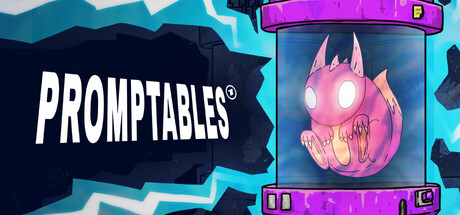
Promptable's core mechanic uses an LLM to evaluate creature's abilities and evaluate what happens in a certain situation when you and your opponent clash.
Uses artificial intelligence to generate high-quality main quests, side quests and game scenes.
All AI-created quests are story-driven and interconnected, not shallow or repetitive filler.
I am a solo developer. I used to be the lead game designer and can write code myself, but I can't draw. So, I've used AI to generate all the art-related resources. If that bothers you, please download with caution!
Generative AI was used during development for certain assets, such as game artwork, background music, and script translations.
No generative AI is used to produce content live while the game is running.
We used AI tools to generate initial visual concepts and draft assets for characters and backgrounds. Afterward, all assets were heavily retouched, painted over, and finalized by our human artists to ensure quality and stylistic consistency. AI was used only as a starting point during the development process.
This game uses generative AI tools during development to help create some pre-rendered visual assets and marketing materials (such as concept art and store imagery).
No AI-generated content is created or used during gameplay, and all game mechanics, systems, and player experiences are fully handcrafted.
The primary visual assets (images) in this game were created using generative AI tools. Furthermore, AI was utilized as a supporting assistant to help finalize game translations, music tracks, sound effects, and segments of the source code. All AI-assisted content has been reviewed and finalized by the developer.
In the early stage of the game, DeepSeek was used to draw the basic template of the game. In the middle stage, Cursor was used to continue writing and optimizing the game code. All the in-game pictures were generated by Wenxin and Qianwen, and remove.bg was used to cut out the images. The in-game background music was created by Suno, and the in-game attack sound effects were recorded from the video music in Wenxin.
This game is being developed with the help of AI tools as an ongoing aid in coding, generating visuals and some sound effects. The main in-game soundtrack as well as the tileset artwork have been hand-crafted.
The following languages are supported using AI translation, with final proofreading and adjustments by the developer.
English · Simplified Chinese · Traditional Chinese
Some text added in updates for other languages also uses AI translation.
None of the music is AI generated.
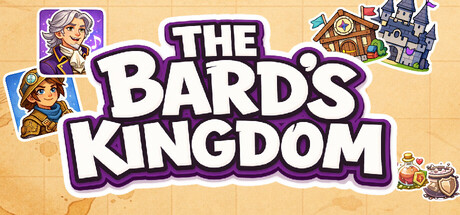
The Bard's Kingdom was built by a solo developer using AI as a creative partner. Artwork was generated with AI tools and hand-edited to fit the game's vision. Programming was done collaboratively with AI assistance, guided by over a decade of software development experience. The story, design, and heart of the game are entirely human.
AI assistance was used for the visuals and music, while a large amount of hand-drawn modification was done for the artwork. On one hand, this was to enrich the game content, and on the other hand, it was due to limited personal development time and budget.
As a small team of 2, we used A.I. to generate references and some base materials. Every final asset was either created from scratch or extensively modified, painted over, and artistically reworked by us. We took all creative decisions.
As a solo developer project, this game leverages generative AI technologies to enable a full-scale production. AI tools were used to generate the C# codebase, visual assets (sprites, backgrounds), Sounds and audio tracks. All content was directed, compiled, and curated by the human developer to ensure a consistent gameplay experience.
During the development of this game, AI tools were utilized. Some of the art assets were generated by AI and then further refined and rendered by our artists.
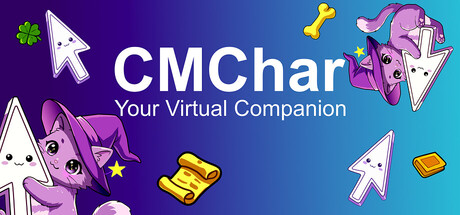
This game utilizes Artificial Intelligence to generate dynamic text-based conversations with virtual desktop mascots, allowing them to react primarily to user input. The application supports for now local offline AI (via Ollama) A comprehensive local safety filter is implemented to prevent the generation of harmful or illegal content.
This is my first game, and I used AI as a learning assistant throughout development — from understanding basic programming concepts to improving my workflow. Some visual assets were initially generated with AI and then refined by hand. I also used AI to brainstorm ideas and help navigate the process of bringing this game to Steam. All in-game content is fully controlled, reviewed, and finalized by me.
Some of the textures, music, and sound effects used in this application are derived from original materials generated by generative AI, followed by manual adjustment/modification and integration.
I am a solo indie developer with limited time and funds. I use AI art to help in places where my personal pixel art skills are lacking. Many/most all of these pieces get hand cleaned up by me to ensure overall aesthetics, feel, and theme are maintained.
Specific usages of AI Art:
Character/Armor Art - (The characters are the focal pieces of the game. I wanted them clean with the gritty overtones and proper shading. My art is not there yet)
Location Backgrounds - (The floor the character is seen walking on is largely created by AI with touch ups to ensure proper parallax looping)
The pixel art hands in the game's logo/title images - (I'm terrible with pixel art hands... something about the shading)
This game used generative AI to create some of the sound effects for the fight simulation, some UI and artwork assets for the store page and the in-game UI, and the base text translations.
Generative AI tools were used during development to assist with the creation of concept art, visual assets, and written content such as descriptions and lore.
All AI-generated materials were reviewed, edited, and finalized by the development team. No AI is used during gameplay, and the game does not generate content in real time.
Promptable's core mechanic uses an LLM to evaluate creature's abilities and evaluate what happens in a certain situation when you and your opponent clash.
Uses artificial intelligence to generate high-quality main quests, side quests and game scenes.
All AI-created quests are story-driven and interconnected, not shallow or repetitive filler.
I am a solo developer. I used to be the lead game designer and can write code myself, but I can't draw. So, I've used AI to generate all the art-related resources. If that bothers you, please download with caution!
Generative AI was used during development for certain assets, such as game artwork, background music, and script translations.
No generative AI is used to produce content live while the game is running.
We used AI tools to generate initial visual concepts and draft assets for characters and backgrounds. Afterward, all assets were heavily retouched, painted over, and finalized by our human artists to ensure quality and stylistic consistency. AI was used only as a starting point during the development process.
This game uses generative AI tools during development to help create some pre-rendered visual assets and marketing materials (such as concept art and store imagery).
No AI-generated content is created or used during gameplay, and all game mechanics, systems, and player experiences are fully handcrafted.
The primary visual assets (images) in this game were created using generative AI tools. Furthermore, AI was utilized as a supporting assistant to help finalize game translations, music tracks, sound effects, and segments of the source code. All AI-assisted content has been reviewed and finalized by the developer.
In the early stage of the game, DeepSeek was used to draw the basic template of the game. In the middle stage, Cursor was used to continue writing and optimizing the game code. All the in-game pictures were generated by Wenxin and Qianwen, and remove.bg was used to cut out the images. The in-game background music was created by Suno, and the in-game attack sound effects were recorded from the video music in Wenxin.
This game is being developed with the help of AI tools as an ongoing aid in coding, generating visuals and some sound effects. The main in-game soundtrack as well as the tileset artwork have been hand-crafted.
The following languages are supported using AI translation, with final proofreading and adjustments by the developer.
English · Simplified Chinese · Traditional Chinese
Some text added in updates for other languages also uses AI translation.
None of the music is AI generated.
The Bard's Kingdom was built by a solo developer using AI as a creative partner. Artwork was generated with AI tools and hand-edited to fit the game's vision. Programming was done collaboratively with AI assistance, guided by over a decade of software development experience. The story, design, and heart of the game are entirely human.
AI assistance was used for the visuals and music, while a large amount of hand-drawn modification was done for the artwork. On one hand, this was to enrich the game content, and on the other hand, it was due to limited personal development time and budget.
As a small team of 2, we used A.I. to generate references and some base materials. Every final asset was either created from scratch or extensively modified, painted over, and artistically reworked by us. We took all creative decisions.
As a solo developer project, this game leverages generative AI technologies to enable a full-scale production. AI tools were used to generate the C# codebase, visual assets (sprites, backgrounds), Sounds and audio tracks. All content was directed, compiled, and curated by the human developer to ensure a consistent gameplay experience.
During the development of this game, AI tools were utilized. Some of the art assets were generated by AI and then further refined and rendered by our artists.
This game utilizes Artificial Intelligence to generate dynamic text-based conversations with virtual desktop mascots, allowing them to react primarily to user input. The application supports for now local offline AI (via Ollama) A comprehensive local safety filter is implemented to prevent the generation of harmful or illegal content.
This is my first game, and I used AI as a learning assistant throughout development — from understanding basic programming concepts to improving my workflow. Some visual assets were initially generated with AI and then refined by hand. I also used AI to brainstorm ideas and help navigate the process of bringing this game to Steam. All in-game content is fully controlled, reviewed, and finalized by me.
Some of the textures, music, and sound effects used in this application are derived from original materials generated by generative AI, followed by manual adjustment/modification and integration.