








Disclosure
Background and Logo Created AI.
- Creator
- NOXP
- Reviews
- -
- Added
- Oct 1, 2026
Public Steam disclosure research 25,383 disclosures tracked
Search developers’ Steam disclosures, compare classified AI use across games, and follow recorded changes. This index adds cross-game classifications and statistics to statements published on individual store pages.
Code help, debugging and other development work.
Capsule art, trailers and promotional material.
Pre-made art, audio, writing and other game assets.
Interactive or runtime AI features disclosed by the developer.
Groups reflect automatic analysis of public disclosures; mature records are excluded. These counts do not measure AI use across all of Steam. Missing or unclear statements cannot establish whether a game uses AI.
Background and Logo Created AI.
Guild of Souls features artwork developed with generative AI.
Audio and music are AI generated.
AI was used for coding, translations and achievements. The map, airports and countries come from public datasets. Nothing is generated by AI while you play.
AI was used only to generate the base background artwork, which was then manually edited and adapted to fit the game's art style.
Pre-generated: The game's code, the drawing code for its characters and scenery (all art is drawn by code at runtime, with no image files), and parts of the story text and store description were created with the help of an AI assistant, then reviewed, edited and directed by the developer. Live-generated: None. The game does not use AI to generate anything while it is being played.
Parts of Howling Woods were made with generative AI during development: its music and sound effects, its interface icons and store art, some of its set-piece models, and parts of its code. All of it was reviewed and reworked by hand, and nothing is generated while you play.
Generative AI was used during development to create visual assets, music and sound effects, and in-game text and translations. The game does not generate AI content during gameplay or connect to external AI services.
Generative AI was used during development to create pre-generated artwork, including backgrounds, characters, fish, food, icons, and some UI and store images. AI was also used to prepare store descriptions and translations. No content is generated by AI during gameplay.
Bgm and Graphics.
Generative AI tools helped create selected 2D artwork, including in-game branding, decorative art, and store and marketing illustrations, and assisted with translations of the store page text. This content is pre-generated; the game does not generate AI content during gameplay.
Generative AI tools were used during development to create or assist with character illustrations, some character sprites and other visual assets, store and promotional artwork, background music, and portions of localized text. These assets were selected, processed and integrated by the developer. The game does not generate AI content during play and does not connect to external AI services at runtime.
Some artwork, translations, and store page text were created with the help of AI tools.
Pre-generated AI artwork, music and sound effects. No live AI generation during gameplay.
Generative AI tools were used during development to help with coding. All assets are 3d modeled or free to use assets. The game does not generate AI content or connect to an AI service.
The game's cases, design and text were created by the developer. Generative AI was used as an assistant when writing the text of this store page and of the game, and to translate it into 12 languages; all of it was reviewed and edited by the developer. No content is generated while you play.
Parts of the in-game text, its translation, and the store page text were drafted with AI assistance and edited by hand.
Parts of this game were made with the help of AI tools: the store page text, the Turkish and Simplified Chinese translations, and some of the 3D models, UI graphics and store images. The game does not generate any content with AI while you play.
Some assets in this game were created with generative AI tools during development and then selected and edited by hand: the store key art and capsule images, some in-game images (UI decorations, stage backgrounds and some illustrations), and the background music and jingles. No generative AI is used while you play: the stats and skills of your drawing are decided by deterministic on-device image processing, and nothing is sent to an AI service.
Trivia Mania was designed, directed, reviewed and tested by a solo developer. AI tools supported the drafting, editing and fact-checking of the questions and answers, and helped make the game's art and sound. No AI is embedded in the game and nothing is generated while you play.
The key art, store capsules and library artwork were created with an AI image generator and reviewed by the developer. In-game pixel art sprites, the bitmap font, sound effects and music are produced by original project code written with AI coding assistance. Store and in-game text were drafted with AI assistance and edited by the developer. The game does not generate any content with AI while running and requires no AI service.
The game's art assets (tile, monster and item sprite atlases) were produced during development using OpenAI's image generation service. We then processed the output ourselves into transparent PNGs and assembled them into atlases, which ship as static assets inside the build. The game does not call any AI service at runtime and contains no live-generated content. Every generated image was manually reviewed and corrected before being added to the atlas. Apart from the art, the code, game design, balance and text involve no AI-generated content.
Generative AI was used during development to help create some visual assets and assist with development work. The resulting content was selected, edited, and integrated into the game by the developer.
Generative AI tools were used to assist in creating some pre-generated decorative in-game artwork, including wall posters, as well as selected promotional and Steam store artwork. All generated content was reviewed and edited before inclusion. The game does not use live-generated AI content during gameplay.
Some of the game's pre-rendered assets were created with generative AI tools during development and then reviewed, edited and integrated by the developer: parts of the pixel art, parts of the sound effects, and the translations from the English original. Nothing is generated while you play: the game uses no AI at runtime and collects no player data for AI training.
We use generative AI as a reference and supporting tool during game development, while final creative decisions and implementation are made by our team.
Guild Master features artwork developed with generative AI.
Generative AI tools were used during development to assist with portions of programming and store-page text. All AI-assisted material was reviewed, edited, tested, and integrated by the developer. No generative AI is used during gameplay.
Only for localization
Hero Football Manager was made by one developer working with AI tools. AI helped write the game's code, including the code that draws the pixel art and synthesizes many of the sounds and music tracks. AI also helped write and translate the in-game text and this store page. The developer directed, reviewed and tested all of it. The game does not use AI while you play.
AI tools were used to create artwork and some of the background music included in the game. The game does not generate new content with generative AI during play.
Some of the game's 2D art (characters, enemies, backgrounds and icons) was created with the help of generative AI tools and then edited, cleaned up and reviewed by the developer. Some translations were also made with AI assistance. No AI content is generated while the game is running, and the game does not connect to any AI service.
Pre-generated AI-assisted art and text are used. Tencent Hunyuan 3D helped create initial models and textures; OpenAI image tools helped create UI art and reference images. Assets were edited and optimized for the game. Some fixed UI text, incident captions and translations were drafted with AI assistance. No AI content is generated during gameplay.
all the pictures are generated by artificial intelligence.
Generative AI tools were used during development to create visual assets, including character and enemy artwork, environmental backgrounds, user interface graphics, item textures, and promotional artwork. ChatGPT also assisted with dialogue and educational text. The developer directed, selected, and reviewed this content for inclusion in the game. All AI-generated content was created before release; the game does not generate AI content during gameplay.
This game includes content created with the assistance of generative AI. Specifically, the clock face and background designs available in the in-game shop were created using generative AI image tools, and the localization of the in-game interface text into several additional languages was produced with generative AI. The game's audio and other content were created without generative AI. No generative AI runs while the game is played — all such content is pre-generated and included in the build.
Generative AI was used for the cards, interface icons, translations and the store page text. All generated content was selected and checked by hand before it went into the game. No AI is used at runtime.
RoomFolk used generative AI during development to assist with drafting and debugging parts of its source code and text.
Some sound effects included in the game were generated using generative AI tools. The game's non-English translations were machine-generated. The game contains no live-generated AI content. Visual assets and UI are generated procedurally by conventional game code.
Generative AI tools were used during development to help create some of the game's visual assets, including 3D props and environments, as well as localized text and store page descriptions. The main cat character model is a purchased third-party asset. The game does not generate AI content or connect to external AI services during gameplay.
Bringing together, refining, reviewing and coordinating the different disciplines into a functional complete game. All content was integrated into the development process, tested and aligned with the overall project before becoming part of the released version.
Generative AI tools were used during development to assist with the localization of in-game text into multiple languages. All AI-assisted translations were reviewed, edited and integrated manually by the developer. No generative AI is used during gameplay. Visual and audio assets were not generated using AI.
Generative AI was used to create some images, music, sound effects, and prerecorded synthetic chant voices. The game also uses on-device AI speech recognition to transcribe player recordings.
Some artwork on ROM Hollow's store page was generated with AI.
Some background images, 3D models, background music, and program used AI.
I’m a solo developer, and artificial intelligence was used in the creation of this game.
Artificial intelligence has been used to color the buildings, for the shotgun unit art, and to translate the game into multiple languages.
Generative AI tools were used to make the game's artwork, music and sound effects, including the store page images.
Localization was produced with AI-assisted
The in-game illustrations in this game were created with generative AI image tools. This covers: - The background art for the 16 town illustrations - The turtle and enemy character art - The single-image art for the opening and ending - The dojo and battle backgrounds - The celebration art shown at gold milestones - The application icon The developer selected from the generated candidates and adjusted them (resizing, cropping and similar) before including them in the game. Generative AI was also used for part of the text: - All English text was translated from Japanese with generative AI - In the Japanese version, the on-screen guidance, the how-to-play pages, item descriptions, the store description, and some names of goods, places and characters were written with the help of generative AI Generative AI was not used for: - The opening and ending text - Music and sound effects (these are synthesized by the program's own waveform code) - The developer's logo The game never calls generative AI while it is running. It can be played offline; its only external communication is with the Steam client, to record Steam achievements.
| Title⇅ | Disclosure | Creator⇅ | Src | Reviews⇅ | Added↓ |
|---|---|---|---|---|---|
 STOP THE VAN! Store/marketing art | Background and Logo Created AI. | NOXP | - | Oct 1, 2026 | |
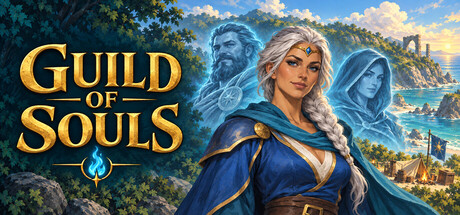 Guild of Souls In-game content art | Guild of Souls features artwork developed with generative AI. | Recoil Mojo | - | Oct 1, 2026 | |
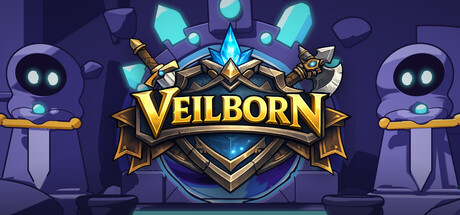 Veilborn In-game content audio | Audio and music are AI generated. | Xootic | - | Oct 1, 2026 | |
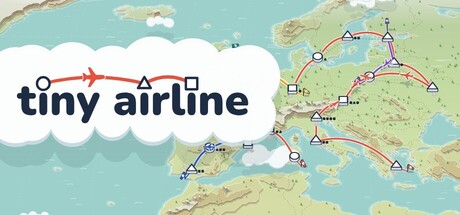 Tiny Airline In-game content text | AI was used for coding, translations and achievements. The map, airports and countries come from public datasets. Nothing is generated by AI while you play. | Inner Core Studios | - | Oct 1, 2026 | |
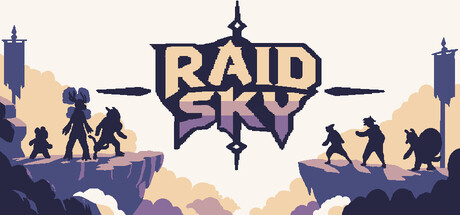 Raid Sky In-game content art | AI was used only to generate the base background artwork, which was then manually edited and adapted to fit the game's art style. | Kimicharu01 | - | Oct 1, 2026 | |
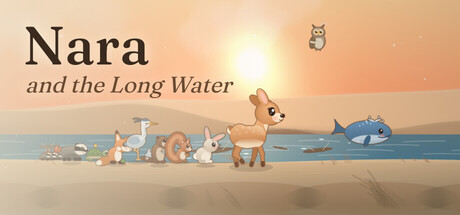 Nara and the Long Water In-game content arttextcode | Pre-generated: The game's code, the drawing code for its characters and scenery (all art is
drawn by code at runtime, with no image files), and parts of the story text and store
description were created with the help of an AI assistant, then reviewed, edited and
directed by the developer.
Live-generated: None. The game does not use AI to generate anything while it is being played. | Soon | - | Oct 1, 2026 | |
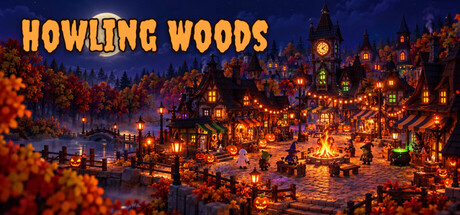 Howling Woods In-game content artaudiocode | Parts of Howling Woods were made with generative AI during development: its music and sound effects, its interface icons and store art, some of its set-piece models, and parts of its code. All of it was reviewed and reworked by hand, and nothing is generated while you play. | Clackety Rock LLC | - | Oct 1, 2026 | |
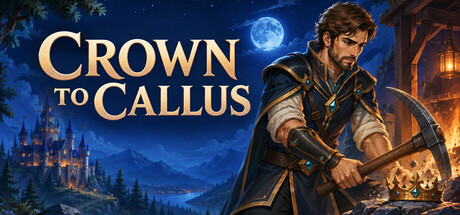 Crown to Callus In-game content artaudiotext | Generative AI was used during development to create visual assets, music and sound effects, and in-game text and translations. The game does not generate AI content during gameplay or connect to external AI services. | Hüseyin Baytar | - | Oct 1, 2026 | |
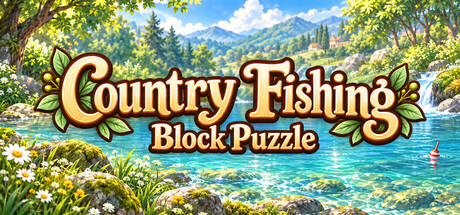 Country Fishing In-game content arttext | Generative AI was used during development to create pre-generated artwork, including backgrounds, characters, fish, food, icons, and some UI and store images. AI was also used to prepare store descriptions and translations. No content is generated by AI during gameplay. | K-Cookie Games | - | Oct 1, 2026 | |
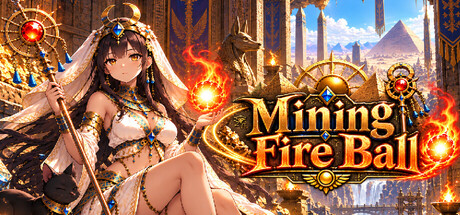 Mining Fire Ball Unclear art | Bgm and Graphics. | POCOYA | - | Oct 1, 2026 | |
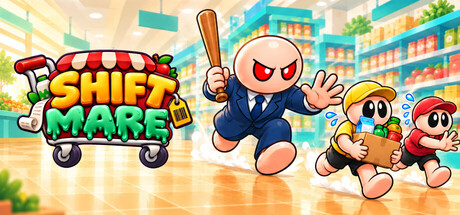 SHIFTMARE In-game content arttext | Generative AI tools helped create selected 2D artwork, including in-game branding, decorative art, and store and marketing illustrations, and assisted with translations of the store page text. This content is pre-generated; the game does not generate AI content during gameplay. | Andrii Torbenko | - | Oct 1, 2026 | |
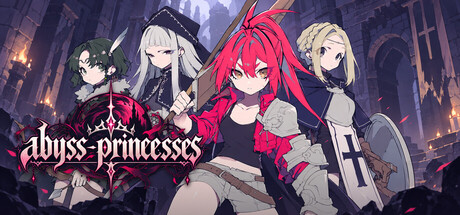 Idle Abyss Princesses In-game content artaudiotext | Generative AI tools were used during development to create or assist with character illustrations, some character sprites and other visual assets, store and promotional artwork, background music, and portions of localized text. These assets were selected, processed and integrated by the developer. The game does not generate AI content during play and does not connect to external AI services at runtime. | Peter | - | Oct 1, 2026 | |
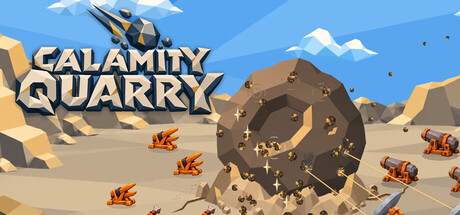 Calamity Quarry In-game content arttext | Some artwork, translations, and store page text were created with the help of AI tools. | Prussian_lemon | - | Oct 1, 2026 | |
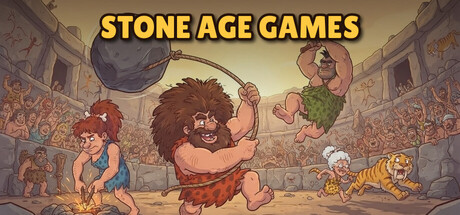 Stone Age Games In-game content artaudio | Pre-generated AI artwork, music and sound effects. No live AI generation during gameplay. | chi yin so | - | Oct 1, 2026 | |
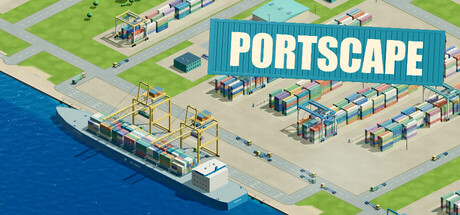 Portscape Dev only code | Generative AI tools were used during development to help with coding. All assets are 3d modeled or free to use assets. The game does not generate AI content or connect to an AI service. | Inner Core Studios | - | Oct 1, 2026 | |
 Parcel Inspector Simulator In-game content text | The game's cases, design and text were created by the developer. Generative AI was used as an assistant when writing the text of this store page and of the game, and to translate it into 12 languages; all of it was reviewed and edited by the developer. No content is generated while you play. | Alexframe | - | Oct 1, 2026 | |
 Grand Ouvert In-game content text | Parts of the in-game text, its translation, and the store page text were drafted with AI assistance and edited by hand. | DASPRiD | - | Oct 1, 2026 | |
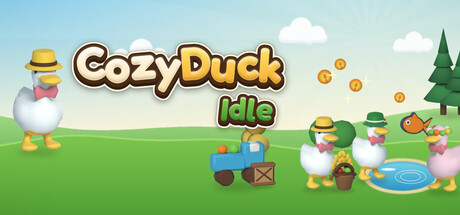 CozyDuck Idle In-game content textart | Parts of this game were made with the help of AI tools: the store page text, the Turkish and Simplified Chinese translations, and some of the 3D models, UI graphics and store images. The game does not generate any content with AI while you play. | Eren Kurular | - | Oct 1, 2026 | |
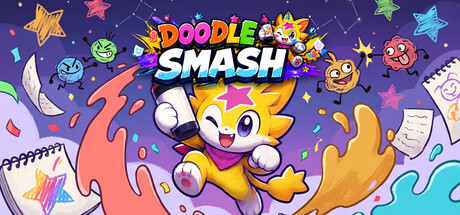 らくがきスマッシュ / Doodle Smash In-game content artaudio | Some assets in this game were created with generative AI tools during development and then selected and edited by hand: the store key art and capsule images, some in-game images (UI decorations, stage backgrounds and some illustrations), and the background music and jingles. No generative AI is used while you play: the stats and skills of your drawing are decided by deterministic on-device image processing, and nothing is sent to an AI service. | 白鳥のぞみ | - | Oct 1, 2026 | |
 Trivia Mania Dev only textartaudio | Trivia Mania was designed, directed, reviewed and tested by a solo developer. AI tools supported the drafting, editing and fact-checking of the questions and answers, and helped make the game's art and sound. No AI is embedded in the game and nothing is generated while you play. | Trivia Mania | - | Oct 1, 2026 | |
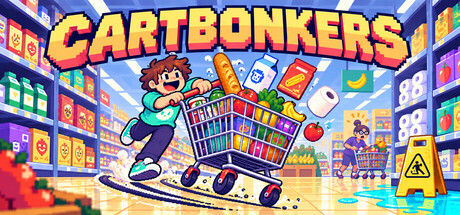 Cartbonkers In-game content arttextcode | The key art, store capsules and library artwork were created with an AI image generator and reviewed by the developer. In-game pixel art sprites, the bitmap font, sound effects and music are produced by original project code written with AI coding assistance. Store and in-game text were drafted with AI assistance and edited by the developer. The game does not generate any content with AI while running and requires no AI service. | PHABDEV | - | Oct 1, 2026 | |
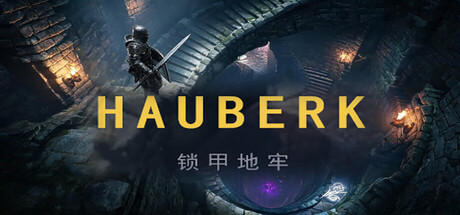 Hauberk锁甲地牢 In-game content art | The game's art assets (tile, monster and item sprite atlases) were produced during development using OpenAI's image generation service. We then processed the output ourselves into transparent PNGs and assembled them into atlases, which ship as static assets inside the build. The game does not call any AI service at runtime and contains no live-generated content. Every generated image was manually reviewed and corrected before being added to the atlas. Apart from the art, the code, game design, balance and text involve no AI-generated content. | BAI XIAN LE | - | Oct 1, 2026 | |
 Roguelette In-game content art | Generative AI was used during development to help create some visual assets and assist with development work. The resulting content was selected, edited, and integrated into the game by the developer. | Nightbyte | - | Oct 1, 2026 | |
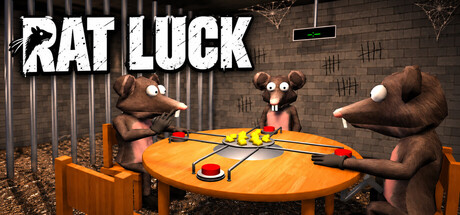 RAT LUCK In-game content art | Generative AI tools were used to assist in creating some pre-generated decorative in-game artwork, including wall posters, as well as selected promotional and Steam store artwork. All generated content was reviewed and edited before inclusion. The game does not use live-generated AI content during gameplay. | Miloš Lužnjanin | - | Oct 1, 2026 | |
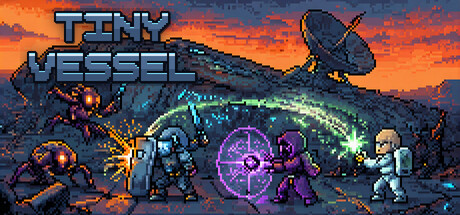 Tiny Vessel In-game content artaudiotext | Some of the game's pre-rendered assets were created with generative AI tools during development and then reviewed, edited and integrated by the developer: parts of the pixel art, parts of the sound effects, and the translations from the English original. Nothing is generated while you play: the game uses no AI at runtime and collects no player data for AI training. | Lazy Frog Games | - | Oct 1, 2026 | |
 Your Ancestor Stories Dev only | We use generative AI as a reference and supporting tool during game development, while final creative decisions and implementation are made by our team. | Vision Ascent | - | Oct 1, 2026 | |
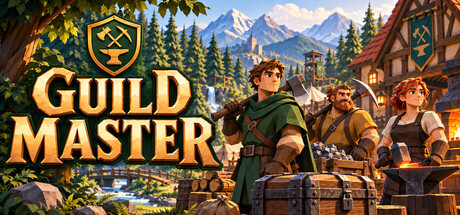 Guild Master In-game content art | Guild Master features artwork developed with generative AI. | Recoil Mojo | - | Oct 1, 2026 | |
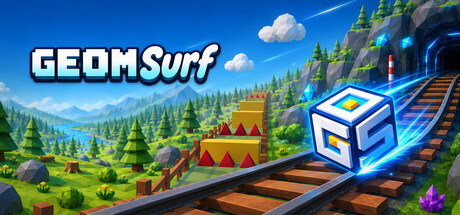 GeomSurf Store/marketing textcode | Generative AI tools were used during development to assist with portions of programming and store-page text. All AI-assisted material was reviewed, edited, tested, and integrated by the developer. No generative AI is used during gameplay. | Geometry Serf | - | Oct 1, 2026 | |
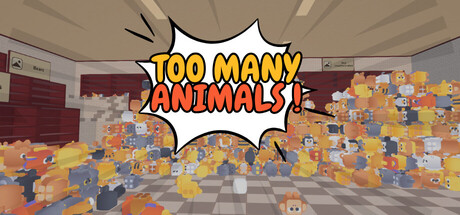 Too Many Animals ! In-game content text | Only for localization | Lip Chuan Sui | - | Oct 1, 2026 | |
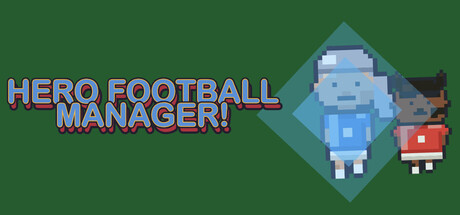 Hero Football Manager In-game content codeartaudiotext | Hero Football Manager was made by one developer working with AI tools. AI helped write the game's code, including the code that draws the pixel art and synthesizes many of the sounds and music tracks. AI also helped write and translate the in-game text and this store page. The developer directed, reviewed and tested all of it. The game does not use AI while you play. | Joseph Vu | - | Oct 1, 2026 | |
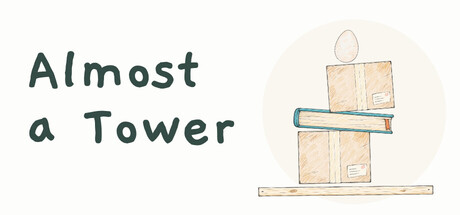 Almost a Tower In-game content artaudio | AI tools were used to create artwork and some of the background music included in the game. The game does not generate new content with generative AI during play. | Chaamu | - | Oct 1, 2026 | |
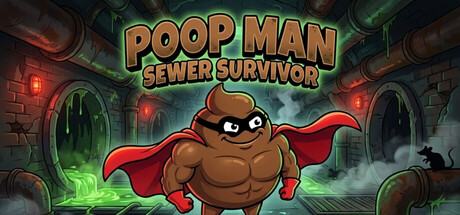 PoopMan: Sewer Survivor In-game content arttext | Some of the game's 2D art (characters, enemies, backgrounds and icons) was created with the help of generative AI tools and then edited, cleaned up and reviewed by the developer. Some translations were also made with AI assistance. No AI content is generated while the game is running, and the game does not connect to any AI service. | PoopMan Productions | - | Oct 1, 2026 | |
 Friendship Boat In-game content arttext | Pre-generated AI-assisted art and text are used. Tencent Hunyuan 3D helped create initial models and textures; OpenAI image tools helped create UI art and reference images. Assets were edited and optimized for the game. Some fixed UI text, incident captions and translations were drafted with AI assistance. No AI content is generated during gameplay. | Kibernet | - | Oct 1, 2026 | |
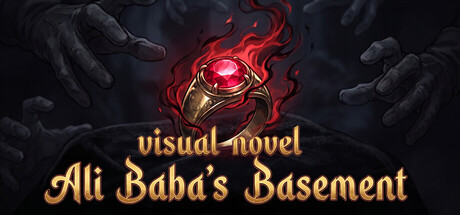 Visual Novel: Ali Baba Basemen In-game content art | all the pictures are generated by artificial intelligence. | Reanim Games | - | Oct 1, 2026 | |
 The Liberty League In-game content arttext | Generative AI tools were used during development to create visual assets, including character and enemy artwork, environmental backgrounds, user interface graphics, item textures, and promotional artwork. ChatGPT also assisted with dialogue and educational text. The developer directed, selected, and reviewed this content for inclusion in the game. All AI-generated content was created before release; the game does not generate AI content during gameplay. | Michael Giaccotto | - | Oct 1, 2026 | |
 Waste Your Time In-game content arttext | This game includes content created with the assistance of generative AI. Specifically, the clock face and background designs available in the in-game shop were created using generative AI image tools, and the localization of the in-game interface text into several additional languages was produced with generative AI. The game's audio and other content were created without generative AI. No generative AI runs while the game is played — all such content is pre-generated and included in the build. | XejiksGG | - | Oct 1, 2026 | |
 PULLFINITY In-game content arttext | Generative AI was used for the cards, interface icons, translations and the store page text.
All generated content was selected and checked by hand before it went into the game. No AI is used at runtime. | Nicholas Schmitz | - | Oct 1, 2026 | |
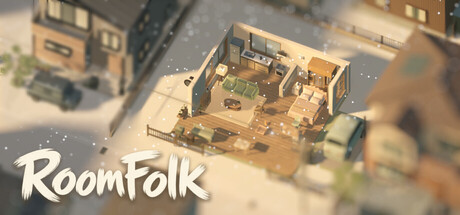 方寸小家 RoomFolk Dev only codetext | RoomFolk used generative AI during development to assist with drafting and debugging parts of its source code and text. | Minumote Studio | - | Oct 1, 2026 | |
 How to Wait for the Bus In-game content audiotext | Some sound effects included in the game were generated using generative AI tools. The game's non-English translations were machine-generated. The game contains no live-generated AI content. Visual assets and UI are generated procedurally by conventional game code. | Benevolent Anarchy | - | Oct 1, 2026 | |
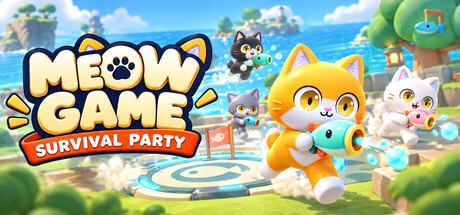 Meow Game Desert Island Survival In-game content arttext | Generative AI tools were used during development to help create some of the game's visual assets, including 3D props and environments, as well as localized text and store page descriptions. The main cat character model is a purchased third-party asset. The game does not generate AI content or connect to external AI services during gameplay. | Webhack | - | Oct 1, 2026 | |
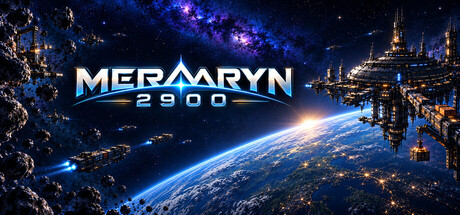 MERVARYN 2900 Dev only | Bringing together, refining, reviewing and coordinating the different disciplines into a functional complete game. All content was integrated into the development process, tested and aligned with the overall project before becoming part of the released version. | Thorsten Koerner | - | Oct 1, 2026 | |
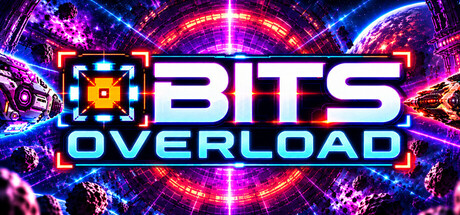 BITS OVERLOAD In-game content text | Generative AI tools were used during development to assist with the localization of in-game text into multiple languages. All AI-assisted translations were reviewed, edited and integrated manually by the developer. No generative AI is used during gameplay. Visual and audio assets were not generated using AI. | SRADRAVEN | - | Oct 1, 2026 | |
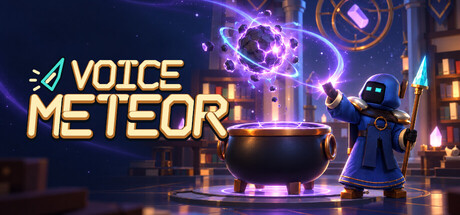 VOICE METEOR In-game content artaudio | Generative AI was used to create some images, music, sound effects, and prerecorded synthetic chant voices. The game also uses on-device AI speech recognition to transcribe player recordings. | Soichiro Hayashide | - | Oct 1, 2026 | |
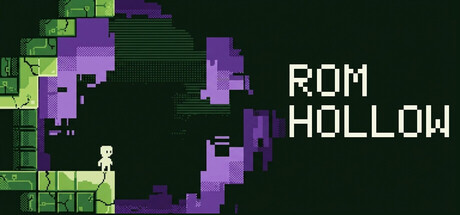 ROM Hollow Store/marketing art | Some artwork on ROM Hollow's store page was generated with AI. | Chris Karageorge | - | Oct 1, 2026 | |
 The Round-Card King In-game content artaudiocode | Some background images, 3D models, background music, and program used AI. | MistMillis | - | Oct 1, 2026 | |
 KOI-KOI! Unclear | I’m a solo developer, and artificial intelligence was used in the creation of this game. | KOI-KOI PRODUCTION | - | Oct 1, 2026 | |
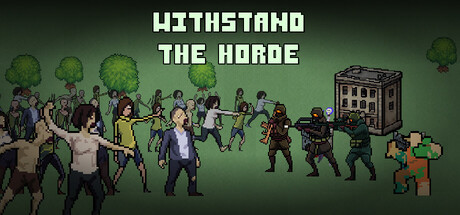 Withstand The Horde In-game content arttext | Artificial intelligence has been used to color the buildings, for the shotgun unit art, and to translate the game into multiple languages. | Pere Brau Martínez | - | Oct 1, 2026 | |
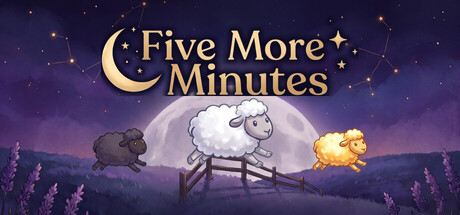 Five More Minutes In-game content artaudio | Generative AI tools were used to make the game's artwork, music and sound effects, including the store page images. | Kristo Eevardi | - | Oct 1, 2026 | |
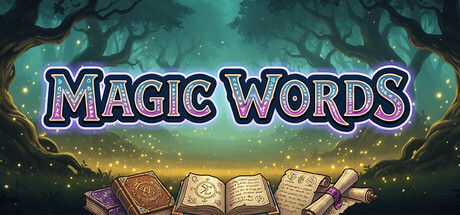 Magic Words In-game content text | Localization was produced with AI-assisted | Maboy Games | - | Oct 1, 2026 | |
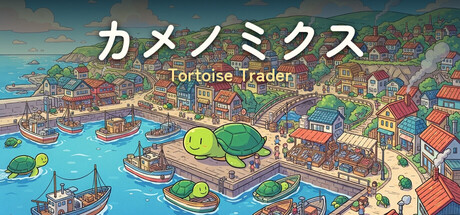 カメノミクス - Tortoise Trader In-game content arttext | The in-game illustrations in this game were created with generative AI image tools. This covers:
- The background art for the 16 town illustrations
- The turtle and enemy character art
- The single-image art for the opening and ending
- The dojo and battle backgrounds
- The celebration art shown at gold milestones
- The application icon
The developer selected from the generated candidates and adjusted them (resizing, cropping and similar) before including them in the game.
Generative AI was also used for part of the text:
- All English text was translated from Japanese with generative AI
- In the Japanese version, the on-screen guidance, the how-to-play pages, item descriptions, the store description, and some names of goods, places and characters were written with the help of generative AI
Generative AI was not used for:
- The opening and ending text
- Music and sound effects (these are synthesized by the program's own waveform code)
- The developer's logo
The game never calls generative AI while it is running. It can be played offline; its only external communication is with the Steam client, to record Steam achievements. | はたらいてみよっか | - | Oct 1, 2026 |


