Public Steam disclosure research25,695 disclosures tracked
Where do games disclose AI use?
Search developers’ Steam disclosures, compare classified AI use across
games, and follow recorded changes.
This index adds cross-game classifications and statistics to
statements published on individual store pages.
Groups reflect automatic analysis of public disclosures; mature records are excluded. These counts do not measure AI use across all of Steam.
Missing or unclear statements cannot establish whether a game uses AI.
The in-game art assets are adapted from images generated on AI illustration platforms, and the music is produced with AI music tools or based on original tracks with added vocals, covers, or remixes done by the Ai music tool.
This game uses a small amount of AI-assisted imagery for some background or supplementary visuals.
These assets were created using open-source AI tools and do not contain any copyrighted material.
All main character designs, animations, gameplay graphics, and the overall artistic direction were manually created by the developer.
Pre-generated only. The game contains artwork and music created with generative AI before release. All visuals were edited and finalized by the developer in Photoshop. Music was generated with Suno and mastered for in-game use.
No runtime AI is used — the game does not generate content while running. No user prompts or uploads are accepted.
Some of the artistic resources in the game are created by modifying my copyrighted images with AI, and I further revised the AI-generated results. I can guarantee that this process does not infringe on any other person's copyright.
This game does not use AI features that players can interact with.
All gameplay systems and content are handcrafted and fully controlled by the developer.
AI tools were only used during development to assist with asset creation and productivity, and are not present or accessible during gameplay.
I utilized generative artificial intelligence (AI) tools during the development of this game. The specific applications are as follows:
Art & Visual Assets: Generative AI was used to create a portion of the in-game images, textures, and visual concept art. All such assets were subsequently refined and optimized manually.
Music & Sound Effects: Certain background music and audio assets were generated using AI tools to enhance the overall auditory experience.
Programming & Development: AI-generated code snippets were integrated into the development process, and AI tools were utilized to assist in code optimization and troubleshooting of game logic.
Some reference images were originally AI-generated.
The final pixel art was manually created, edited, and upscaled using Ref2Pixel.
No AI-generated assets are directly included in the product.
I use AI for marketing assets only, for now it is only for the logo and the background of the logo. I am a solo developer and don't have the money at the moment to pay an artist.
This game includes some images created with the assistance of AI tools.
All AI-generated assets were reviewed and refined by the development team to ensure quality, originality, and compliance with Steam’s content guidelines.
"The game's visual and audio assets (art, sound, music, and primary narrative) do not contain generative AI content. The development process utilized standard algorithmic tools for code generation and debugging assistance. Gameplay relies on basic procedural and deterministic logic (e.g., enemy spawning, score calculation)."
Rift Investigations uses AI in three core ways: First, every mystery case is procedurally generated by AI,
creating unique investigations with original characters, clues, and solutions—no two cases are ever the same.
Second, you can interrogate NPCs using natural language questions; an AI system generates contextual, believable
responses based on what each character knows and their relationship to the crime. Third, all character portraits
and location backgrounds are AI-generated to visually bring each procedurally-created case to life. The power of AI enables infinite replayability
with genuinely different detective stories each time you play.
AI is used to translate Japanese text into other languages, primarily for settings screens and tutorials. I plan to hire professional localization services once I have the funds.
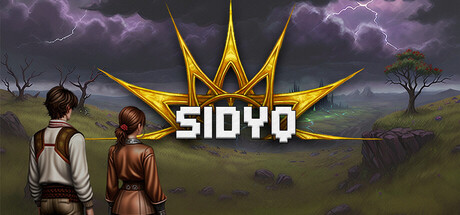
The visuals of Sidyq were created through a process combining AI generation and manual adjustments.
As a solo developer, I don’t have full graphic design skills, and AI was an essential tool to produce the game’s assets.
Every final element was then carefully refined by hand to ensure visual consistency and a unique style for the world of Sidyq.
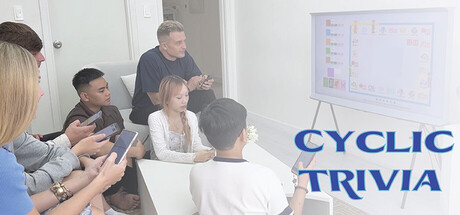
We used AI tools to help create some pre-rendered assets, including 2D characters and a few UI/category icons (e.g. Start, Numbers, Science, Geography) as well as some store page/marketing graphics and copy. All AI-generated content is manually reviewed and edited before being included in the game. The game does not use AI to live-generate any content or code during gameplay. All questions, characters, graphics, and logic are fixed and shipped with the game; nothing new is generated by AI while the game is running.
We use AI in early conceptual design, to figure out an appropriate background art. We then go through several iterations manually with artist modifications, to produce a good, highly polished background that gels well with our characters, story and intended art style.
Our characters are hand drawn by humans.
Our objects are hand drawn by humans.
All user interface (UI) elements are hand drawn by humans.
All animations are hand drawn and meticulously rigged (also by humans) using bone animation.
Generative AI tools were used to assist in creating some visual materials for the store page and marketing assets.
In addition, AI tools were utilized to generate or enhance certain pre-rendered in-game 2D assets, including some sprites, textures, and UI elements (such as profile pictures). This use is limited to non-critical graphical materials.
Generative AI was used solely to assist with select background assets, exclusively through Adobe Firefly, a rights-cleared tool.
No AI content is generated in real time during gameplay.
The promotional artwork used on the Steam store page was generated with AI tools.
Also in-game art, sprites, animations, gameplay systems and assets were created with the help of AI.
Some of the static textures and of two background images, one background music track,
and several promotional store page artworks and trailer segments were created using generative AI tools before development.
All AI generated assets were manually edited, finalized and fixed before being included in the game or store page.
just to be clear no AI is used during gameplay. The game does not generate any content or code in real time.
The in-game art assets are adapted from images generated on AI illustration platforms, and the music is produced with AI music tools or based on original tracks with added vocals, covers, or remixes done by the Ai music tool.
This game uses a small amount of AI-assisted imagery for some background or supplementary visuals.
These assets were created using open-source AI tools and do not contain any copyrighted material.
All main character designs, animations, gameplay graphics, and the overall artistic direction were manually created by the developer.
Pre-generated only. The game contains artwork and music created with generative AI before release. All visuals were edited and finalized by the developer in Photoshop. Music was generated with Suno and mastered for in-game use.
No runtime AI is used — the game does not generate content while running. No user prompts or uploads are accepted.
Some of the artistic resources in the game are created by modifying my copyrighted images with AI, and I further revised the AI-generated results. I can guarantee that this process does not infringe on any other person's copyright.
This game does not use AI features that players can interact with.
All gameplay systems and content are handcrafted and fully controlled by the developer.
AI tools were only used during development to assist with asset creation and productivity, and are not present or accessible during gameplay.
I utilized generative artificial intelligence (AI) tools during the development of this game. The specific applications are as follows:
Art & Visual Assets: Generative AI was used to create a portion of the in-game images, textures, and visual concept art. All such assets were subsequently refined and optimized manually.
Music & Sound Effects: Certain background music and audio assets were generated using AI tools to enhance the overall auditory experience.
Programming & Development: AI-generated code snippets were integrated into the development process, and AI tools were utilized to assist in code optimization and troubleshooting of game logic.
Some reference images were originally AI-generated.
The final pixel art was manually created, edited, and upscaled using Ref2Pixel.
No AI-generated assets are directly included in the product.
I use AI for marketing assets only, for now it is only for the logo and the background of the logo. I am a solo developer and don't have the money at the moment to pay an artist.
This game includes some images created with the assistance of AI tools.
All AI-generated assets were reviewed and refined by the development team to ensure quality, originality, and compliance with Steam’s content guidelines.
"The game's visual and audio assets (art, sound, music, and primary narrative) do not contain generative AI content. The development process utilized standard algorithmic tools for code generation and debugging assistance. Gameplay relies on basic procedural and deterministic logic (e.g., enemy spawning, score calculation)."
Rift Investigations uses AI in three core ways: First, every mystery case is procedurally generated by AI,
creating unique investigations with original characters, clues, and solutions—no two cases are ever the same.
Second, you can interrogate NPCs using natural language questions; an AI system generates contextual, believable
responses based on what each character knows and their relationship to the crime. Third, all character portraits
and location backgrounds are AI-generated to visually bring each procedurally-created case to life. The power of AI enables infinite replayability
with genuinely different detective stories each time you play.
AI is used to translate Japanese text into other languages, primarily for settings screens and tutorials. I plan to hire professional localization services once I have the funds.
The visuals of Sidyq were created through a process combining AI generation and manual adjustments.
As a solo developer, I don’t have full graphic design skills, and AI was an essential tool to produce the game’s assets.
Every final element was then carefully refined by hand to ensure visual consistency and a unique style for the world of Sidyq.
We used AI tools to help create some pre-rendered assets, including 2D characters and a few UI/category icons (e.g. Start, Numbers, Science, Geography) as well as some store page/marketing graphics and copy. All AI-generated content is manually reviewed and edited before being included in the game. The game does not use AI to live-generate any content or code during gameplay. All questions, characters, graphics, and logic are fixed and shipped with the game; nothing new is generated by AI while the game is running.
We use AI in early conceptual design, to figure out an appropriate background art. We then go through several iterations manually with artist modifications, to produce a good, highly polished background that gels well with our characters, story and intended art style.
Our characters are hand drawn by humans.
Our objects are hand drawn by humans.
All user interface (UI) elements are hand drawn by humans.
All animations are hand drawn and meticulously rigged (also by humans) using bone animation.
Generative AI tools were used to assist in creating some visual materials for the store page and marketing assets.
In addition, AI tools were utilized to generate or enhance certain pre-rendered in-game 2D assets, including some sprites, textures, and UI elements (such as profile pictures). This use is limited to non-critical graphical materials.
Generative AI was used solely to assist with select background assets, exclusively through Adobe Firefly, a rights-cleared tool.
No AI content is generated in real time during gameplay.
The promotional artwork used on the Steam store page was generated with AI tools.
Also in-game art, sprites, animations, gameplay systems and assets were created with the help of AI.
Some of the static textures and of two background images, one background music track,
and several promotional store page artworks and trailer segments were created using generative AI tools before development.
All AI generated assets were manually edited, finalized and fixed before being included in the game or store page.
just to be clear no AI is used during gameplay. The game does not generate any content or code in real time.