Public Steam disclosure research25,893 disclosures tracked
Where do games disclose AI use?
Search developers’ Steam disclosures, compare classified AI use across
games, and follow recorded changes.
This index adds cross-game classifications and statistics to
statements published on individual store pages.
Groups reflect automatic analysis of public disclosures; mature records are excluded. These counts do not measure AI use across all of Steam.
Missing or unclear statements cannot establish whether a game uses AI.
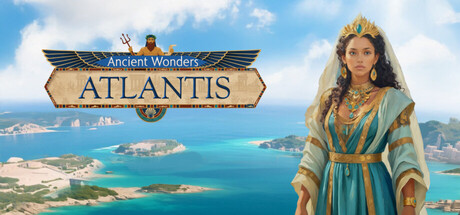
Generative AI was used to assist in the creation of promotional visual assets, including the game's logo and certain store page artwork. No gameplay content, code, story, dialogue, quests, characters, or game mechanics are generated by AI. All gameplay screenshots represent actual in-game content.
This game uses generative AI tools in limited ways to support development. Some music tracks were created using AI music generation tools, and certain marketing or store page visual assets were assisted by AI. All core gameplay and implementation were created by the developer.
Music in Keeping Up is AI-assisted: tracks generated with Suno from prompts written, selected and edited by the developer. Code was written with the help of an AI coding assistant, under the developer's direction and review. Most in-game artwork (character portraits, board art, store capsules) are human-made by the project's artists. There are some placeholder AI artwork images.
Generative AI tools may be used during the development and marketing of WBS26 to assist with concept art, promotional images, placeholder visual materials, character portraits, text editing, localization support, and production workflow.
Some character portraits or visual assets may be created or assisted by generative AI tools and then reviewed, selected, and edited by the developer before being included in the game.
The game does not use generative AI to create gameplay content in real time for the player. AI-assisted materials are reviewed and edited by the developer before being included in the game or on the Steam store page.
All visual assets, character art, backgrounds, music, sound effects, dialogue implementation, and programming assistance for this game were created with the help of generative AI tools. The original concept, story, characters, direction, and overall game design were created by the developer. AI was used as a creative production tool during development, while all final content selection, editing, and integration were directed by the developer.
This game contains AI-generated content. Visual assets, sound effects, music, code, and various creative elements were created with the assistance of AI tools. The overall game concept, direction, gameplay ideas, and project design were created and directed by the developer.
이 게임의 아래 항목은 생성형 인공지능을 활용해 제작되었습니다.
하기된 모델링은 생성형 인공지능을 활용해 제작되었습니다.
- 보스 1개체
하기된 사운드트랙은 제작된 사운드트랙을 Suno.ai를 활용해 리믹스 되었습니다.
- 06.Boss3_Night Of Fear_Rock Ver
- 07.Boss4_Time For Proof_Rock Ver
- 08.Final Boss_A Glorious Battle
- 09.Luminal Trace_Ending Ver
Some 2D static art in this game (for example component icons in the UI, backgrounds, or similar decorative assets) was created with assistance from generative AI tools during development. Those assets were reviewed, edited, recolored, and cropped by humans before being included in the shipped build. The game does not call generative AI while you play—there is no live AI-generated story, dialogue, or imagery shown at runtime; gameplay rules, levels, and balance are implemented by design and code. We will update this statement and its localizations if our use of generative AI changes.
We used AI to generate initial music tracks, concept art, and temporary translations into some languages.
All materials were then thoroughly edited, reworked, and finalized by humans.
Nothing went straight from the generator into the game.
This game was developed with the assistance of generative artificial intelligence (AI) tools to help a solo developer complete the project.
Specific uses of AI include:
1. Art Assets: Some visual assets in the game, such as background images and UI elements, were created with the assistance of AI image generation tools.
2. Code and Logic Assistance: The basic code framework and certain gameplay logic scripts were developed with the assistance of AI coding tools.
This game does not contain any real-time AI-generated content. All game assets and content were generated in advance, manually reviewed by the developer, and packaged as fixed content within the game.
This game uses generative AI in the following areas:
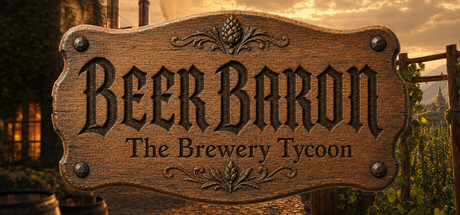
• Background artwork: All static background images displayed in menus and screen backdrops (e.g. brewery interior, fields, market, taverns) were created using generative AI. All images were carefully curated, selected, and post-processed by the developer to fit the game's "Soft Cinematic" 19th-century Belle Époque visual style.
• Sound effects and ambient audio: Some in-game sounds were generated using AI audio tools under appropriate commercial licenses. All sounds were reviewed and selected by the developer.
• Mission and narrative text: The campaign concept, story arc, and game design are the original work of the developer. Some campaign mission descriptions and in-game event texts were initially drafted with AI assistance based on the developer's outlines, and then reviewed, edited, and adapted to fit the game's tone and historical setting.
No generative AI is used during gameplay. All gameplay logic, mechanics, character behaviors, and AI competitor strategies are implemented as deterministic code that does not generate content at runtime. The game does not connect to any external AI services.
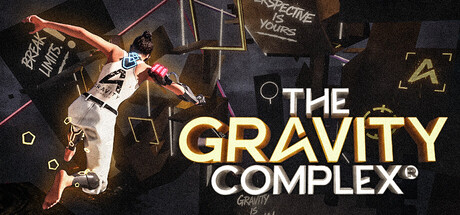
During the development of THE GRAVITY COMPLEX®, generative AI tools were occasionally used to assist in the creation and refinement of certain assets, including concept art, textures, music, and sound effects. All AI-assisted content was curated, reviewed, modified, and integrated into the game's overall artistic direction by the development team. No AI-generated content is created live during gameplay, and the game does not rely on external AI services while being played.
Some ingame models and textures are AI generated to help speed up the production pipeline. These will eventually be replaced and I simply refuse to charge money for a game which uses AI assets, so until then this game will be free until all AI assets are replaced.
Some sound effects and audio assets were initially generated using generative AI tools, and subsequently edited and refined by a human sound designer to fit the game's requirements.
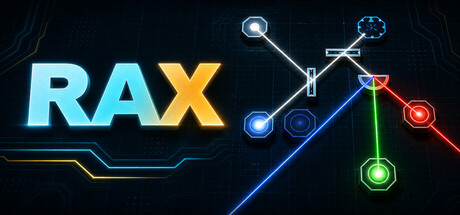
RAX uses generative AI-assisted content in limited areas. Background music was generated with Flow Music. English localization text was assisted by generative AI and manually reviewed/edited by the developer. Some promotional visual assets, including posters and background images used for the Steam store page, community assets, or marketing materials, were created with AI image generation tools.
All gameplay systems, puzzle rules, level design, game logic, and player interactions are manually designed by the developer. RAX does not use real-time generative AI during gameplay.
AI was used to generate trailer music and couple of upgrades icons, but game is still in early development phase and i'm working on replacing those with real art.
Generative AI is used across this game's development — including store-page marketing artwork, in-game art (cards, UI elements), and source code. All AI-generated content is human-directed, reviewed, and edited by the developer. No AI runs at game time; everything ships as static, pre-rendered assets.
Some of the art assets, music materials, and code-assisted compilation in this game utilize generative artificial intelligence (AI) technology. All such content has been manually reviewed and optimized
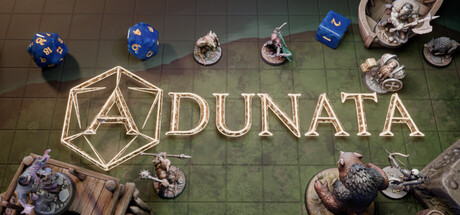
As a solo developer working on a passion project with very limited resources, I utilized generative AI as a workflow tool to help sketch out the initial base meshes and textures for the miniatures and terrain elements. However, every single asset was then manually refined, over painted, and fully optimized by me to ensure a consistent, high-quality art style and solid performance.
Warning: This game contains trace amounts of human effort—mostly restricted to pressing "Ctrl+C" and "Ctrl+V."
In the spirit of our title, "AI Slop" was created using generative artificial intelligence for practically every asset, line of code, and marketing material in existence.
Here is exactly how we let the machine do our jobs:
- Art & Assets: Every single visual asset, from the UI to the 6-fingered anime girls and the melting hands of our characters, was generated using text-to-image AI tools. No digital painters were harmed in the making of this game, because we didn't hire any.
- Narrative & Writing: The dialogue, item descriptions, and this very disclosure statement were generated by LLMs. We simply prompted a chatbot to "be funny and cynical" and copied the output without editing the typos.
- Code & Mechanics: The logic powering our card games and botnet automation was largely assembled by AI coding assistants. If the game crashes, please blame the algorithm, as our "lead developer" is actually just a prompt engineer.
- Music & Sound: The background tracks were generated by synthetic audio engines to ensure a continuous stream of procedurally generated slop-lofi beats.
We believe in a future where humans do not have to create things, freeing us up to spend more time looking at screens. We hope you enjoy consuming this premium, 100% synthetic digital garbage.
AI tools were used to generate some store icons and capsule-style promotional images. No AI-generated content is used as core gameplay, game code, or customer-facing interactive systems.
Some background music in this game was created with the assistance of generative AI tools. The final selection, editing, and implementation of the music were handled by the developer.
Some promotional images on the Steam store page and selected in-game UI images were created or assisted using generative AI, then reviewed and edited by the development team before use.
Generative AI was used in the development of Relax Puzzle as an assistive tool to help create some of our art assets and assist with programming logic. The AI served as a supporting utility to enhance our creative workflow and development efficiency. All content generated through these tools was carefully reviewed, refined, and integrated by our team to ensure the quality and consistency of your gaming experience.
The demo version contains temporary AI (generated music and promotional artwork only). These assets will be replaced with original content in the final version of the game.
Generative AI was used for a very limited portion of the programming and for most of the English translation. However, all textures and 3D models were created by human artists.
This game uses AI-generated content, including art, music, code, and some narrative text. All AI-generated content has been reviewed, selected, edited, and integrated by the developer.
The overall concept, system design, content structure, debugging, and final quality control were completed independently by the developer.
Generative AI was used to assist in the creation of promotional visual assets, including the game's logo and certain store page artwork. No gameplay content, code, story, dialogue, quests, characters, or game mechanics are generated by AI. All gameplay screenshots represent actual in-game content.
This game uses generative AI tools in limited ways to support development. Some music tracks were created using AI music generation tools, and certain marketing or store page visual assets were assisted by AI. All core gameplay and implementation were created by the developer.
Music in Keeping Up is AI-assisted: tracks generated with Suno from prompts written, selected and edited by the developer. Code was written with the help of an AI coding assistant, under the developer's direction and review. Most in-game artwork (character portraits, board art, store capsules) are human-made by the project's artists. There are some placeholder AI artwork images.
Generative AI tools may be used during the development and marketing of WBS26 to assist with concept art, promotional images, placeholder visual materials, character portraits, text editing, localization support, and production workflow.
Some character portraits or visual assets may be created or assisted by generative AI tools and then reviewed, selected, and edited by the developer before being included in the game.
The game does not use generative AI to create gameplay content in real time for the player. AI-assisted materials are reviewed and edited by the developer before being included in the game or on the Steam store page.
All visual assets, character art, backgrounds, music, sound effects, dialogue implementation, and programming assistance for this game were created with the help of generative AI tools. The original concept, story, characters, direction, and overall game design were created by the developer. AI was used as a creative production tool during development, while all final content selection, editing, and integration were directed by the developer.
This game contains AI-generated content. Visual assets, sound effects, music, code, and various creative elements were created with the assistance of AI tools. The overall game concept, direction, gameplay ideas, and project design were created and directed by the developer.
이 게임의 아래 항목은 생성형 인공지능을 활용해 제작되었습니다.
하기된 모델링은 생성형 인공지능을 활용해 제작되었습니다.
- 보스 1개체
하기된 사운드트랙은 제작된 사운드트랙을 Suno.ai를 활용해 리믹스 되었습니다.
- 06.Boss3_Night Of Fear_Rock Ver
- 07.Boss4_Time For Proof_Rock Ver
- 08.Final Boss_A Glorious Battle
- 09.Luminal Trace_Ending Ver
Some 2D static art in this game (for example component icons in the UI, backgrounds, or similar decorative assets) was created with assistance from generative AI tools during development. Those assets were reviewed, edited, recolored, and cropped by humans before being included in the shipped build. The game does not call generative AI while you play—there is no live AI-generated story, dialogue, or imagery shown at runtime; gameplay rules, levels, and balance are implemented by design and code. We will update this statement and its localizations if our use of generative AI changes.
We used AI to generate initial music tracks, concept art, and temporary translations into some languages.
All materials were then thoroughly edited, reworked, and finalized by humans.
Nothing went straight from the generator into the game.
This game was developed with the assistance of generative artificial intelligence (AI) tools to help a solo developer complete the project.
Specific uses of AI include:
1. Art Assets: Some visual assets in the game, such as background images and UI elements, were created with the assistance of AI image generation tools.
2. Code and Logic Assistance: The basic code framework and certain gameplay logic scripts were developed with the assistance of AI coding tools.
This game does not contain any real-time AI-generated content. All game assets and content were generated in advance, manually reviewed by the developer, and packaged as fixed content within the game.
This game uses generative AI in the following areas:
• Background artwork: All static background images displayed in menus and screen backdrops (e.g. brewery interior, fields, market, taverns) were created using generative AI. All images were carefully curated, selected, and post-processed by the developer to fit the game's "Soft Cinematic" 19th-century Belle Époque visual style.
• Sound effects and ambient audio: Some in-game sounds were generated using AI audio tools under appropriate commercial licenses. All sounds were reviewed and selected by the developer.
• Mission and narrative text: The campaign concept, story arc, and game design are the original work of the developer. Some campaign mission descriptions and in-game event texts were initially drafted with AI assistance based on the developer's outlines, and then reviewed, edited, and adapted to fit the game's tone and historical setting.
No generative AI is used during gameplay. All gameplay logic, mechanics, character behaviors, and AI competitor strategies are implemented as deterministic code that does not generate content at runtime. The game does not connect to any external AI services.
During the development of THE GRAVITY COMPLEX®, generative AI tools were occasionally used to assist in the creation and refinement of certain assets, including concept art, textures, music, and sound effects. All AI-assisted content was curated, reviewed, modified, and integrated into the game's overall artistic direction by the development team. No AI-generated content is created live during gameplay, and the game does not rely on external AI services while being played.
Some ingame models and textures are AI generated to help speed up the production pipeline. These will eventually be replaced and I simply refuse to charge money for a game which uses AI assets, so until then this game will be free until all AI assets are replaced.
Some sound effects and audio assets were initially generated using generative AI tools, and subsequently edited and refined by a human sound designer to fit the game's requirements.
RAX uses generative AI-assisted content in limited areas. Background music was generated with Flow Music. English localization text was assisted by generative AI and manually reviewed/edited by the developer. Some promotional visual assets, including posters and background images used for the Steam store page, community assets, or marketing materials, were created with AI image generation tools.
All gameplay systems, puzzle rules, level design, game logic, and player interactions are manually designed by the developer. RAX does not use real-time generative AI during gameplay.
AI was used to generate trailer music and couple of upgrades icons, but game is still in early development phase and i'm working on replacing those with real art.
Generative AI is used across this game's development — including store-page marketing artwork, in-game art (cards, UI elements), and source code. All AI-generated content is human-directed, reviewed, and edited by the developer. No AI runs at game time; everything ships as static, pre-rendered assets.
Some of the art assets, music materials, and code-assisted compilation in this game utilize generative artificial intelligence (AI) technology. All such content has been manually reviewed and optimized
As a solo developer working on a passion project with very limited resources, I utilized generative AI as a workflow tool to help sketch out the initial base meshes and textures for the miniatures and terrain elements. However, every single asset was then manually refined, over painted, and fully optimized by me to ensure a consistent, high-quality art style and solid performance.
Warning: This game contains trace amounts of human effort—mostly restricted to pressing "Ctrl+C" and "Ctrl+V."
In the spirit of our title, "AI Slop" was created using generative artificial intelligence for practically every asset, line of code, and marketing material in existence.
Here is exactly how we let the machine do our jobs:
- Art & Assets: Every single visual asset, from the UI to the 6-fingered anime girls and the melting hands of our characters, was generated using text-to-image AI tools. No digital painters were harmed in the making of this game, because we didn't hire any.
- Narrative & Writing: The dialogue, item descriptions, and this very disclosure statement were generated by LLMs. We simply prompted a chatbot to "be funny and cynical" and copied the output without editing the typos.
- Code & Mechanics: The logic powering our card games and botnet automation was largely assembled by AI coding assistants. If the game crashes, please blame the algorithm, as our "lead developer" is actually just a prompt engineer.
- Music & Sound: The background tracks were generated by synthetic audio engines to ensure a continuous stream of procedurally generated slop-lofi beats.
We believe in a future where humans do not have to create things, freeing us up to spend more time looking at screens. We hope you enjoy consuming this premium, 100% synthetic digital garbage.
AI tools were used to generate some store icons and capsule-style promotional images. No AI-generated content is used as core gameplay, game code, or customer-facing interactive systems.
Some background music in this game was created with the assistance of generative AI tools. The final selection, editing, and implementation of the music were handled by the developer.
Some promotional images on the Steam store page and selected in-game UI images were created or assisted using generative AI, then reviewed and edited by the development team before use.
Generative AI was used in the development of Relax Puzzle as an assistive tool to help create some of our art assets and assist with programming logic. The AI served as a supporting utility to enhance our creative workflow and development efficiency. All content generated through these tools was carefully reviewed, refined, and integrated by our team to ensure the quality and consistency of your gaming experience.
The demo version contains temporary AI (generated music and promotional artwork only). These assets will be replaced with original content in the final version of the game.
Generative AI was used for a very limited portion of the programming and for most of the English translation. However, all textures and 3D models were created by human artists.
This game uses AI-generated content, including art, music, code, and some narrative text. All AI-generated content has been reviewed, selected, edited, and integrated by the developer.
The overall concept, system design, content structure, debugging, and final quality control were completed independently by the developer.