Public Steam disclosure research25,383 disclosures tracked
Where do games disclose AI use?
Search developers’ Steam disclosures, compare classified AI use across
games, and follow recorded changes.
This index adds cross-game classifications and statistics to
statements published on individual store pages.
Groups reflect automatic analysis of public disclosures; mature records are excluded. These counts do not measure AI use across all of Steam.
Missing or unclear statements cannot establish whether a game uses AI.
Some visual assets in this game (including 19 case file illustrations and the game icon) were created using generative AI tools during development and are embedded as static assets. The game does not use any real-time AI generation during gameplay. All player experiences are consistent and reproducible.
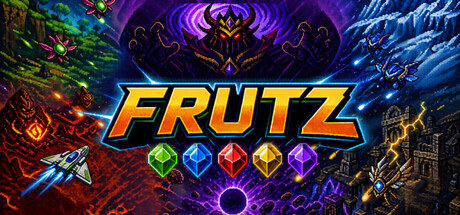
Generative AI tools were used to assist with select visual artwork, specifically the game’s main marketing images/store page artwork and splash screen.
Frutz does not use live-generated AI content during gameplay.
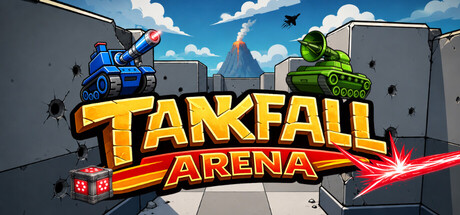
TankFall Arena contains certain pre-generated assets created with the assistance of generative AI tools during development. These assets may include promotional artwork, visual elements, audio content, and music. All AI-assisted content has been reviewed, curated, modified, and integrated by the developer as part of the game's overall design and presentation.
TankFall Arena does not generate AI content during gameplay and does not connect to external AI services while the game is running.
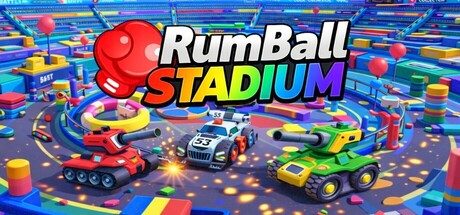
Some assets in RumBall Stadium were created with the assistance of generative AI tools, specifically the main game thumbnail and a selection of icons and background images used in the game's menus. All gameplay content, including vehicles, arenas, and game systems, was developed by the development team.
Some visual assets, such as icon/key art variations, may be generated or assisted using generative AI tools and then reviewed/edited by the developer before inclusion. The game does not use live generative AI during gameplay.
Some visual assets (pixel art backgrounds, card sprites) and marketing copy (store descriptions) were created with the assistance of generative AI tools. All AI-generated content was reviewed, curated, and refined by the developer.
This game uses generative AI tools in limited ways to support development. Some music tracks were created using AI music generation tools, and certain marketing or store page visual assets were assisted by AI. All core gameplay and implementation were created by the developer.
This game contains AI-generated content. Visual assets, sound effects, music, code, and various creative elements were created with the assistance of AI tools. The overall game concept, direction, gameplay ideas, and project design were created and directed by the developer.
We have updated our AI disclosure in order to provide better transparency and clarity around the use of this support tool for Crazy Taxi: World Tour:
At SEGA Corporation, we utilize generative AI as an optional support tool for developers, with the aim of enabling developers to focus more on creative tasks and deliver better experiences to our players.
In Crazy Taxi: World Tour, generative AI was used as part of the ideation process for background objects. However, no AI-generated content will be included in the final game.
Some of the art assets, music materials, and code-assisted compilation in this game utilize generative artificial intelligence (AI) technology. All such content has been manually reviewed and optimized
This game uses AI-generated content, including art, music, code, and some narrative text. All AI-generated content has been reviewed, selected, edited, and integrated by the developer.
The overall concept, system design, content structure, debugging, and final quality control were completed independently by the developer.
Generative AI DisclosureWe believe in full transparency with our community regarding the development of our game. In this project, generative artificial intelligence (AI) was used strictly for translating the game's user interface (UI) and menus into multiple languages.What was generated: Only the user interface, buttons, menus, and system text translations were assisted by AI tools to make the game accessible to more players worldwide.Quality Assurance: All AI-translated UI texts were manually reviewed, edited, and tested by our team to ensure clarity, correct formatting, and accurate context.Human-Made Content: All other aspects of the game—including gameplay mechanics, code, graphics, level design, story, music, and audio—were created entirely by human hands without the use of AI.
Monster Pit features handcrafted assets created by talented artists, musicians, and creators from the indie community. AI image generation tools were used during prototyping and stylization to keep the overall visual direction together.
Artwork, Sound design, Music, Gameplay and Programming are human-created. AI was used to pre-plan artwork, editing/extending images, generating background sounds and music, and to speed up coding.
AI images are being temporarily used in the Steam Store presence and will be removed and replaced before game's release.
Our development process incorporates some AI-assisted tools to help create ambient textures and environmental assets. All assets have been extensively refined and integrated by our artists to ensure they align with the game's unique PSX/VHS aesthetic. We are committed to maintaining a high-quality human-led artistic direction.
Generative AI tools were used as part of the development process.
For store page materials, AI-generated outputs were used as reference material. The final store assets were manually edited and assembled by the developer.
For the game itself, generative AI tools were used to assist with the creation of some in-game visual assets, such as sprites, and to support programming and implementation work. All AI-assisted content is reviewed, edited, and integrated by the developer before inclusion.
The game does not use live generative AI during gameplay and does not generate images, text, audio, or other content at runtime.
This project's entire graphic asset collection (all sprites) and all code is entirely generated by AI. It has been assembled and tweaked by the creator, but otherwise is 95% AI generated. This is purposeful and was intended to test some limits of Claude and GPT5.
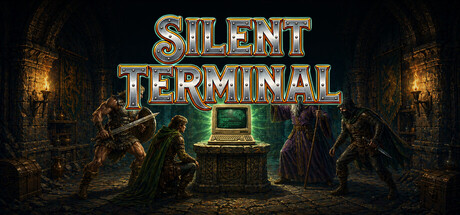
SILENT TERMINAL uses generative AI as a creative aid during development. Specifically, the promotional images on this store page (the capsule, header, key art and illustrations) were created with AI tools and then reviewed, edited and curated by our human team.
The game itself is built from human created and human supervised content: the ASCII art, maps, branching stories, dialogue and RPG systems are designed by the team. SILENT TERMINAL does not generate content with AI in real time during play. All adventures are loaded from pre authored files.
This game uses pre-generated AI-assisted music created during development. Generative AI tools were also used as coding assistance during development. The game does not generate AI content live during gameplay.
The feedback on the in-game world state and the dynamic dialogues with NPCs are generated in real time during the game's operation by integrating a large language model (LLM).
Territory Titans: Booking Wars contains some pre-generated content created with the assistance of generative AI tools during development. AI-assisted tools were used to help create portions of promotional artwork, visual assets, and concept materials. All AI-generated content was reviewed, edited, and curated by the developer before inclusion in the game or store materials. The game does not use live AI generation during gameplay and does not generate content for players in real time.
I created this game in my coding class for school which prioritizes AI coding and development. I have coded a significant portion of this game using artificial tools.
The visual assets, audio, music, in-game text, and store page content of this game were created with the help of generative AI tools. All AI-generated content was reviewed, selected, and assembled by the developer. The game's design, code, and systems were created by the developer.
This game uses pre-generated AI-assisted assets in some development and marketing materials, including draft visuals, voice work, localization support, and production references. Final content is reviewed and curated by the developer. The game does not generate AI content during gameplay.
!! AI translations only !!
Explanation:
As an indie developer, I want my game to be accessible to as many players around the world as possible. Unfortunately, I don't have the resources to hire professional translators for every language I would like to support.
In the past, developers often relied on tools like Google Translate to make their games available in more languages. Today, AI translation is another option, and it can produce better results than traditional machine translation.
Everything else in the game, including the original text, artwork, sounds, music, game design and code, was created by humans. AI is used only for translation.
Some promotional artwork and store graphic backgrounds may include AI-assisted elements. The core gameplay, UI, ships, enemies, mechanics, systems and visual identity are created and edited by the developer using original game assets.
Some visual assets in this game (including 19 case file illustrations and the game icon) were created using generative AI tools during development and are embedded as static assets. The game does not use any real-time AI generation during gameplay. All player experiences are consistent and reproducible.
Generative AI tools were used to assist with select visual artwork, specifically the game’s main marketing images/store page artwork and splash screen.
Frutz does not use live-generated AI content during gameplay.
TankFall Arena contains certain pre-generated assets created with the assistance of generative AI tools during development. These assets may include promotional artwork, visual elements, audio content, and music. All AI-assisted content has been reviewed, curated, modified, and integrated by the developer as part of the game's overall design and presentation.
TankFall Arena does not generate AI content during gameplay and does not connect to external AI services while the game is running.
Some assets in RumBall Stadium were created with the assistance of generative AI tools, specifically the main game thumbnail and a selection of icons and background images used in the game's menus. All gameplay content, including vehicles, arenas, and game systems, was developed by the development team.
Some visual assets, such as icon/key art variations, may be generated or assisted using generative AI tools and then reviewed/edited by the developer before inclusion. The game does not use live generative AI during gameplay.
Some visual assets (pixel art backgrounds, card sprites) and marketing copy (store descriptions) were created with the assistance of generative AI tools. All AI-generated content was reviewed, curated, and refined by the developer.
This game uses generative AI tools in limited ways to support development. Some music tracks were created using AI music generation tools, and certain marketing or store page visual assets were assisted by AI. All core gameplay and implementation were created by the developer.
This game contains AI-generated content. Visual assets, sound effects, music, code, and various creative elements were created with the assistance of AI tools. The overall game concept, direction, gameplay ideas, and project design were created and directed by the developer.
We have updated our AI disclosure in order to provide better transparency and clarity around the use of this support tool for Crazy Taxi: World Tour:
At SEGA Corporation, we utilize generative AI as an optional support tool for developers, with the aim of enabling developers to focus more on creative tasks and deliver better experiences to our players.
In Crazy Taxi: World Tour, generative AI was used as part of the ideation process for background objects. However, no AI-generated content will be included in the final game.
Some of the art assets, music materials, and code-assisted compilation in this game utilize generative artificial intelligence (AI) technology. All such content has been manually reviewed and optimized
This game uses AI-generated content, including art, music, code, and some narrative text. All AI-generated content has been reviewed, selected, edited, and integrated by the developer.
The overall concept, system design, content structure, debugging, and final quality control were completed independently by the developer.
Generative AI DisclosureWe believe in full transparency with our community regarding the development of our game. In this project, generative artificial intelligence (AI) was used strictly for translating the game's user interface (UI) and menus into multiple languages.What was generated: Only the user interface, buttons, menus, and system text translations were assisted by AI tools to make the game accessible to more players worldwide.Quality Assurance: All AI-translated UI texts were manually reviewed, edited, and tested by our team to ensure clarity, correct formatting, and accurate context.Human-Made Content: All other aspects of the game—including gameplay mechanics, code, graphics, level design, story, music, and audio—were created entirely by human hands without the use of AI.
Monster Pit features handcrafted assets created by talented artists, musicians, and creators from the indie community. AI image generation tools were used during prototyping and stylization to keep the overall visual direction together.
Artwork, Sound design, Music, Gameplay and Programming are human-created. AI was used to pre-plan artwork, editing/extending images, generating background sounds and music, and to speed up coding.
AI images are being temporarily used in the Steam Store presence and will be removed and replaced before game's release.
Our development process incorporates some AI-assisted tools to help create ambient textures and environmental assets. All assets have been extensively refined and integrated by our artists to ensure they align with the game's unique PSX/VHS aesthetic. We are committed to maintaining a high-quality human-led artistic direction.
Generative AI tools were used as part of the development process.
For store page materials, AI-generated outputs were used as reference material. The final store assets were manually edited and assembled by the developer.
For the game itself, generative AI tools were used to assist with the creation of some in-game visual assets, such as sprites, and to support programming and implementation work. All AI-assisted content is reviewed, edited, and integrated by the developer before inclusion.
The game does not use live generative AI during gameplay and does not generate images, text, audio, or other content at runtime.
This project's entire graphic asset collection (all sprites) and all code is entirely generated by AI. It has been assembled and tweaked by the creator, but otherwise is 95% AI generated. This is purposeful and was intended to test some limits of Claude and GPT5.
SILENT TERMINAL uses generative AI as a creative aid during development. Specifically, the promotional images on this store page (the capsule, header, key art and illustrations) were created with AI tools and then reviewed, edited and curated by our human team.
The game itself is built from human created and human supervised content: the ASCII art, maps, branching stories, dialogue and RPG systems are designed by the team. SILENT TERMINAL does not generate content with AI in real time during play. All adventures are loaded from pre authored files.
This game uses pre-generated AI-assisted music created during development. Generative AI tools were also used as coding assistance during development. The game does not generate AI content live during gameplay.
The feedback on the in-game world state and the dynamic dialogues with NPCs are generated in real time during the game's operation by integrating a large language model (LLM).
Territory Titans: Booking Wars contains some pre-generated content created with the assistance of generative AI tools during development. AI-assisted tools were used to help create portions of promotional artwork, visual assets, and concept materials. All AI-generated content was reviewed, edited, and curated by the developer before inclusion in the game or store materials. The game does not use live AI generation during gameplay and does not generate content for players in real time.
I created this game in my coding class for school which prioritizes AI coding and development. I have coded a significant portion of this game using artificial tools.
The visual assets, audio, music, in-game text, and store page content of this game were created with the help of generative AI tools. All AI-generated content was reviewed, selected, and assembled by the developer. The game's design, code, and systems were created by the developer.
This game uses pre-generated AI-assisted assets in some development and marketing materials, including draft visuals, voice work, localization support, and production references. Final content is reviewed and curated by the developer. The game does not generate AI content during gameplay.
!! AI translations only !!
Explanation:
As an indie developer, I want my game to be accessible to as many players around the world as possible. Unfortunately, I don't have the resources to hire professional translators for every language I would like to support.
In the past, developers often relied on tools like Google Translate to make their games available in more languages. Today, AI translation is another option, and it can produce better results than traditional machine translation.
Everything else in the game, including the original text, artwork, sounds, music, game design and code, was created by humans. AI is used only for translation.
Some promotional artwork and store graphic backgrounds may include AI-assisted elements. The core gameplay, UI, ships, enemies, mechanics, systems and visual identity are created and edited by the developer using original game assets.