Public Steam disclosure research25,990 disclosures tracked
Where do games disclose AI use?
Search developers’ Steam disclosures, compare classified AI use across
games, and follow recorded changes.
This index adds cross-game classifications and statistics to
statements published on individual store pages.
Groups reflect automatic analysis of public disclosures; mature records are excluded. These counts do not measure AI use across all of Steam.
Missing or unclear statements cannot establish whether a game uses AI.
AI is used for cinematic cutscenes and certain art assets, but the majority of the work is done manually.
Similarly, code workflows include partial generation for certain C++, C#, and HLSL functions.
During development, we may use AI-assisted tools to prototype and iterate on content.
All assets in the final game are reviewed, refined, or recreated by our team.
If you spot something that looks like an unfinished AI placeholder, please let us know - we take that seriously.
Generative AI was used to create character portraits and voice-over narration logs in all supported languages. All generated content was subsequently reviewed, edited, and manually integrated into the project to ensure narrative consistency.
The game's artwork and music content are partially generated by AI. However, extensive manual adjustments have been made to ensure a comfortable experience for you.
Artificial intelligence was used to create the game. With the help of ChatGPT, we were able to analyze and organize several thousand messages from eco-volunteer chat groups, as well as dozens of media articles, podcasts, and vlogs about the spill. All of this was necessary to identify key events, troubling themes, and the moods of people involved in disaster response, and was used by a human author to further develop the plot and dialogue. The images were created using Midjourney. Photos of real landscapes, but not people, were used to generate prompts. The game’s music was generated in Stability AI. The code to adapt the existing game structure to the Ren’py framework was written using Cursor AI.
The Moment of Panic uses generative artificial intelligence during gameplay to power its AI advisor characters. These locally running, open-source LLM-based advisors respond to intelligence signals, argue from assigned personalities, and attempt to influence the player’s decisions. Core game logic, threat truth, scoring, win/loss conditions, and outcomes are controlled by the game itself, not by the language model. Generative AI is used for dynamic in-game text responses only, and for some images shown alongside that text. Images are not generated at runtime.
Some visual assets used in this game, including character artwork, background images, UI-related artwork, and promotional images, were created or enhanced with the assistance of generative AI tools during development.
All AI-assisted assets were reviewed, selected, edited, and integrated by the development team before being included in the final game. The game does not generate AI content in real time during gameplay.
During development, this game uses the following generative AI tools. All generated assets are reviewed, selected, and adjusted by the developer before being incorporated into the game.
Music (BGM): Composed using Suno
Battle animations: Generated using Seedance 2.0
Image assets (characters, backgrounds, etc.): Generated using GPT Image 2.0
Audio/Voice assets: Irodori-TTS (AI text-to-speech service)
All of these are pre-generated content created during development. No AI-generated content is produced at runtime (live) during gameplay.
All content generated by the above tools is licensed for commercial use in accordance with each service's terms of use, and does not infringe upon any third-party copyrights or other intellectual property rights.
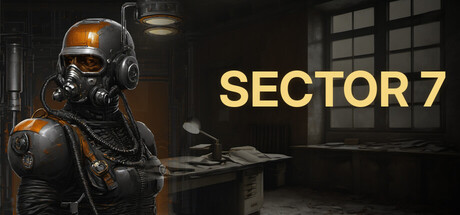
Some of Sector 7's artwork — including its store and marketing images — and its narrative text were created with AI assistance and then reviewed and edited by the developer. Localization into additional languages used AI translation with human review.
This game was developed with the assistance of an AI language model, including store page content, level design, in-game descriptions, code, and game mechanics. All creative direction and final decisions were made by the developer.
Generative AI tools were used as part of the development and drafting workflow. Hex Tower Boogie does not generate content during gameplay, does not connect to external AI services, and all shipped/store content is reviewed and curated by the developer.
This game uses pre-generated AI only for certain UI background images and promotional store visuals. These assets were created before release and remain fixed. The game does not include any live AI generation during gameplay.
Generative AI was used only for pre-generation of some content. It was used to create some marketing materials for the store page, as well as music and some sound effects. All such content was reviewed, selected, and finalized by the developer before being included in the game or published on the store page.
The game does not utilize real-time generative AI. Generative AI does not contribute to the story, enemy behavior, gameplay, dialogue, or any other interaction with the player during gameplay.
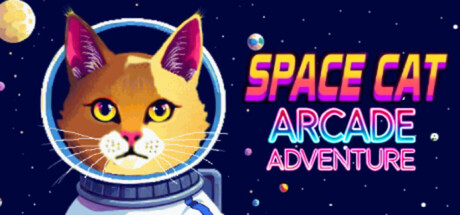
Generative AI tools were used during the creation of marketing and promotional materials for the game's Steam Store page and Community Hub assets. Specifically, the game's official community avatars, group banner backgrounds, and concept art presentations were generated using AI imagery tools to establish the game's retro space pixel-art aesthetic. No AI-generated assets are contained directly within the game code or build itself.
The music and background tracks in the game were pre-generated using generative AI platforms. These AI-generated audio files were curated to fit the project's atmosphere and statically included in the game. The game does not use any real-time AI generation for content or music.
This title makes assistive use of generative AI tools in the following areas. All AI-generated outputs are manually reviewed, edited, and curated by the development team before being incorporated as final assets, and we have taken care to ensure that they do not infringe on the rights of third parties. No real-time AI generation occurs during gameplay.[Pre-Rendered Content — AI-Assisted Areas]- Production support for a portion of the in-game visual assets- Production support for a portion of the in-game music (BGM) and sound effects- Translation support for store page localization across supported languages (with human proofreading)[Live Generation]The game does not invoke generative AI in real time at any point during gameplay.
Some 2D art (such as cosmetic items) and the background music were created using generative AI tools based on developer reference images, then reviewed and edited by the developer. No AI runs during gameplay.
This game uses AI-generated fighter portraits and promotional artwork. All AI content is pre-generated and included with the game. No AI content is generated live during gameplay.
The visual assets, audio, music, in-game text, and store page content of this game were created with the help of generative AI tools. All AI-generated content was reviewed, selected, and assembled by the developer. The game's design, code, and systems were created by the developer.
Generative AI was used during the development process to create static 2D illustrations of various types of buildings that serve as project previews in the game interface.
Marketing resources (storage capsules) were also created using AI to generate images.
This game uses pre-generated AI-assisted assets in some development and marketing materials, including draft visuals, voice work, localization support, and production references. Final content is reviewed and curated by the developer. The game does not generate AI content during gameplay.
Game design, code, mechanics, gameplay systems, sprites, and writing are entirely human-made. All AI-generated assets were reviewed, edited, composed, and integrated manually by the developer. No AI content is generated at runtime — every asset is pre-authored and curated.
Generative AI was used in the creation of:
Marketing and store page artwork (capsules, banners, hero, logo)
In-game background art, sprites directions
Music tracks
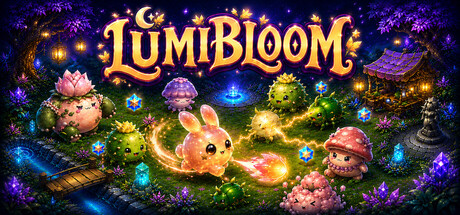
Some visual assets, promotional artwork, sound concepts, and early creative content for Lumibloom were created or assisted using generative AI tools during development. All AI-assisted content is reviewed, edited, and integrated by the developer to fit the game’s final artistic direction and gameplay experience.
!! AI translations only !!
Explanation:
As an indie developer, I want my game to be accessible to as many players around the world as possible. Unfortunately, I don't have the resources to hire professional translators for every language I would like to support.
In the past, developers often relied on tools like Google Translate to make their games available in more languages. Today, AI translation is another option, and it can produce better results than traditional machine translation.
Everything else in the game, including the original text, artwork, sounds, music, game design and code, was created by humans. AI is used only for translation.
Some character dance music tracks were created using generative AI tools. These tracks are pre-generated audio assets and are not generated dynamically during gameplay.
AI tools were used during development for assistance with programming and creation of promotional visual assets.
AI-assisted code generation was used to help implement gameplay systems and scripting within the Godot engine. All code was reviewed, integrated, and tested by the developer.
Generative AI was also used to create certain marketing and promotional images used in trailers and store presentation materials. No AI-generated assets are included directly in gameplay.
AI is used for cinematic cutscenes and certain art assets, but the majority of the work is done manually.
Similarly, code workflows include partial generation for certain C++, C#, and HLSL functions.
During development, we may use AI-assisted tools to prototype and iterate on content.
All assets in the final game are reviewed, refined, or recreated by our team.
If you spot something that looks like an unfinished AI placeholder, please let us know - we take that seriously.
Generative AI was used to create character portraits and voice-over narration logs in all supported languages. All generated content was subsequently reviewed, edited, and manually integrated into the project to ensure narrative consistency.
The game's artwork and music content are partially generated by AI. However, extensive manual adjustments have been made to ensure a comfortable experience for you.
Artificial intelligence was used to create the game. With the help of ChatGPT, we were able to analyze and organize several thousand messages from eco-volunteer chat groups, as well as dozens of media articles, podcasts, and vlogs about the spill. All of this was necessary to identify key events, troubling themes, and the moods of people involved in disaster response, and was used by a human author to further develop the plot and dialogue. The images were created using Midjourney. Photos of real landscapes, but not people, were used to generate prompts. The game’s music was generated in Stability AI. The code to adapt the existing game structure to the Ren’py framework was written using Cursor AI.
The Moment of Panic uses generative artificial intelligence during gameplay to power its AI advisor characters. These locally running, open-source LLM-based advisors respond to intelligence signals, argue from assigned personalities, and attempt to influence the player’s decisions. Core game logic, threat truth, scoring, win/loss conditions, and outcomes are controlled by the game itself, not by the language model. Generative AI is used for dynamic in-game text responses only, and for some images shown alongside that text. Images are not generated at runtime.
Some visual assets used in this game, including character artwork, background images, UI-related artwork, and promotional images, were created or enhanced with the assistance of generative AI tools during development.
All AI-assisted assets were reviewed, selected, edited, and integrated by the development team before being included in the final game. The game does not generate AI content in real time during gameplay.
During development, this game uses the following generative AI tools. All generated assets are reviewed, selected, and adjusted by the developer before being incorporated into the game.
Music (BGM): Composed using Suno
Battle animations: Generated using Seedance 2.0
Image assets (characters, backgrounds, etc.): Generated using GPT Image 2.0
Audio/Voice assets: Irodori-TTS (AI text-to-speech service)
All of these are pre-generated content created during development. No AI-generated content is produced at runtime (live) during gameplay.
All content generated by the above tools is licensed for commercial use in accordance with each service's terms of use, and does not infringe upon any third-party copyrights or other intellectual property rights.
Some of Sector 7's artwork — including its store and marketing images — and its narrative text were created with AI assistance and then reviewed and edited by the developer. Localization into additional languages used AI translation with human review.
This game was developed with the assistance of an AI language model, including store page content, level design, in-game descriptions, code, and game mechanics. All creative direction and final decisions were made by the developer.
Generative AI tools were used as part of the development and drafting workflow. Hex Tower Boogie does not generate content during gameplay, does not connect to external AI services, and all shipped/store content is reviewed and curated by the developer.
This game uses pre-generated AI only for certain UI background images and promotional store visuals. These assets were created before release and remain fixed. The game does not include any live AI generation during gameplay.
Generative AI was used only for pre-generation of some content. It was used to create some marketing materials for the store page, as well as music and some sound effects. All such content was reviewed, selected, and finalized by the developer before being included in the game or published on the store page.
The game does not utilize real-time generative AI. Generative AI does not contribute to the story, enemy behavior, gameplay, dialogue, or any other interaction with the player during gameplay.
Generative AI tools were used during the creation of marketing and promotional materials for the game's Steam Store page and Community Hub assets. Specifically, the game's official community avatars, group banner backgrounds, and concept art presentations were generated using AI imagery tools to establish the game's retro space pixel-art aesthetic. No AI-generated assets are contained directly within the game code or build itself.
The music and background tracks in the game were pre-generated using generative AI platforms. These AI-generated audio files were curated to fit the project's atmosphere and statically included in the game. The game does not use any real-time AI generation for content or music.
This title makes assistive use of generative AI tools in the following areas. All AI-generated outputs are manually reviewed, edited, and curated by the development team before being incorporated as final assets, and we have taken care to ensure that they do not infringe on the rights of third parties. No real-time AI generation occurs during gameplay.[Pre-Rendered Content — AI-Assisted Areas]- Production support for a portion of the in-game visual assets- Production support for a portion of the in-game music (BGM) and sound effects- Translation support for store page localization across supported languages (with human proofreading)[Live Generation]The game does not invoke generative AI in real time at any point during gameplay.
Some 2D art (such as cosmetic items) and the background music were created using generative AI tools based on developer reference images, then reviewed and edited by the developer. No AI runs during gameplay.
This game uses AI-generated fighter portraits and promotional artwork. All AI content is pre-generated and included with the game. No AI content is generated live during gameplay.
The visual assets, audio, music, in-game text, and store page content of this game were created with the help of generative AI tools. All AI-generated content was reviewed, selected, and assembled by the developer. The game's design, code, and systems were created by the developer.
Generative AI was used during the development process to create static 2D illustrations of various types of buildings that serve as project previews in the game interface.
Marketing resources (storage capsules) were also created using AI to generate images.
This game uses pre-generated AI-assisted assets in some development and marketing materials, including draft visuals, voice work, localization support, and production references. Final content is reviewed and curated by the developer. The game does not generate AI content during gameplay.
Game design, code, mechanics, gameplay systems, sprites, and writing are entirely human-made. All AI-generated assets were reviewed, edited, composed, and integrated manually by the developer. No AI content is generated at runtime — every asset is pre-authored and curated.
Generative AI was used in the creation of:
Marketing and store page artwork (capsules, banners, hero, logo)
In-game background art, sprites directions
Music tracks
Some visual assets, promotional artwork, sound concepts, and early creative content for Lumibloom were created or assisted using generative AI tools during development. All AI-assisted content is reviewed, edited, and integrated by the developer to fit the game’s final artistic direction and gameplay experience.
!! AI translations only !!
Explanation:
As an indie developer, I want my game to be accessible to as many players around the world as possible. Unfortunately, I don't have the resources to hire professional translators for every language I would like to support.
In the past, developers often relied on tools like Google Translate to make their games available in more languages. Today, AI translation is another option, and it can produce better results than traditional machine translation.
Everything else in the game, including the original text, artwork, sounds, music, game design and code, was created by humans. AI is used only for translation.
Some character dance music tracks were created using generative AI tools. These tracks are pre-generated audio assets and are not generated dynamically during gameplay.
AI tools were used during development for assistance with programming and creation of promotional visual assets.
AI-assisted code generation was used to help implement gameplay systems and scripting within the Godot engine. All code was reviewed, integrated, and tested by the developer.
Generative AI was also used to create certain marketing and promotional images used in trailers and store presentation materials. No AI-generated assets are included directly in gameplay.