Public Steam disclosure research25,990 disclosures tracked
Where do games disclose AI use?
Search developers’ Steam disclosures, compare classified AI use across
games, and follow recorded changes.
This index adds cross-game classifications and statistics to
statements published on individual store pages.
Groups reflect automatic analysis of public disclosures; mature records are excluded. These counts do not measure AI use across all of Steam.
Missing or unclear statements cannot establish whether a game uses AI.
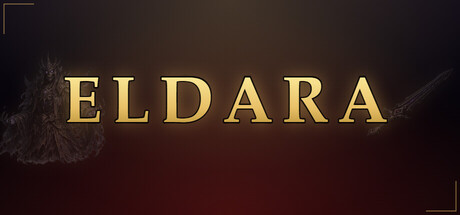
The development of Eldara incorporated AI-generated content. Specifically, AI image generation tools were used to create certain in-game visual assets, including monster portraits, pet illustrations, item icons, and character artwork.
All AI-generated assets were manually reviewed, curated, and integrated by the developer before inclusion in the final product. No real-world copyrighted artwork was intentionally used as input to the AI generation process.
No AI is used live during gameplay — all assets are pre-generated and shipped with the game. There is no live AI generation, AI dialogue, or AI-driven content while playing.
The life events for every historical figure highlighted in the game were generated by giving AI access to their Wikipedia profiles and asking it to summarize the text content. The art and the code are entirely human.
As a small indie studio, we use generative AI tools to assist in parts of our art creation process. This helps us improve the quality and consistency of artwork while allowing our team to work more efficiently. All AI-assisted content is reviewed, refined, and integrated by our developers to ensure it meets the artistic vision and quality standards of the game.
Some pre-generated visual assets and development materials were created or assisted using generative AI tools, including AI-assisted development workflows. These assets are reviewed and selected by the developer before being included in the game. The game does not generate AI content during gameplay.
Knave Craps uses generative AI for some pre-rendered content. Specifically:
- Visual art: Theme artwork used in the game's user interface and the Steam store hero/capsule images were created with the assistance of AI image-generation tools. All generated images were curated, edited, and integrated into the game by the developer.
- Voiceovers: "Hot shooter" announcement audio (played during bonus side bets such as the Fire Bet) was created with an AI text-to-speech voice model. Scripts were written by the developer.
The game does not use any live-generated AI content. All gameplay logic, dice rolls, payouts, and bet resolution are deterministic and authored.
This game uses AI tools during development to assist with the creation of certain 3D models and prototyping. All gameplay design, final programming, balancing, creative direction, and system integration were carried out by the developer.
Some artwork assets including achievement icons and store capsule art were created with the assistance of AI image generation tools (PixelLab). All AI-generated content was reviewed and curated by the developer.
AI tools were used during the localization process and then manually reviewed by a human.
All in-game and promotional art was authored by a person and not made with generative AI.
All text content was originally written in pt‑BR (Brazilian Portuguese) and localized into other languages with the assistance of AI tools. This localization extends beyond the game itself.
All creative assets were created by humans, such as audio, visual, and other content developed by our team or licensed from third parties.
Generative AI tools were used during development for selected marketing art concepts and production assistance. Final assets and text were reviewed and edited by the developer. Pulse Citadel does not use live-generated AI during gameplay; in-game research nodes, combat behavior, progression, achievements, and UI text are fixed content.
As a legally blind solo developer, AI-assisted tools helped with visual concepting and production support. All final store materials and game content were reviewed, selected, and edited by the developer.
Currently, this game uses placeholder generative AI images for character portraits and voiceovers for the announcer. Hopefully these assets will be replaced by talented artists overtime.
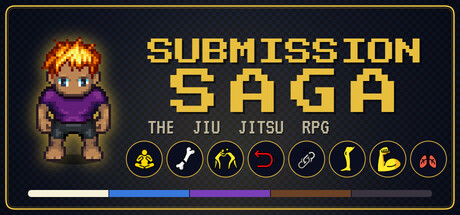
Some UI icons, character and creature sprites, and other in-game graphics in Submission Saga were created with the assistance of generative AI image tools (including Pixellab.ai), and portions of the store page text were drafted with AI writing assistance. Portions of the game's source code were also written with the assistance of an AI coding assistant. All AI-generated content was reviewed, edited, and curated by the developer before inclusion. No AI is used to generate content live during gameplay.
It was used solely as a tool to assist in adjusting the color palette in the localization of the text language and in the handcrafted capsule art we designed ourselves.
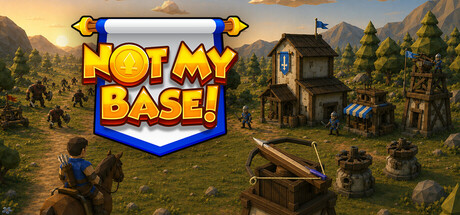
Some visual assets in Not My Base! — including selected icons and splash screen artwork — were created or assisted using Generative Artificial Intelligence tools.
All AI-generated content was reviewed, edited, and integrated by the developer to fit the game’s artistic style and gameplay needs.
Both manual coding and coding using generative AI is included in this game. Some UI images were developed using generative AI as well as some in level images in the final level. Store presence images were developed using generative AI.
Translations and text content are AI-generated. Some of the UI and game backgrounds are AI generated with manual post-processing. Some of the VFX for the animations are AI generated with post-processing.
Generative AI tools were used to create images, audio, and text materials used in the game and on the store page.
Generated materials are reviewed, selected, edited, and adjusted by the developer before use.
The game does not include any feature that live-generates AI content during gameplay.
During the development of this game, generative AI is used as a supporting tool for parts of the Japanese / English translation drafts. Final wording is reviewed and adjusted internally before being adopted.
AI have been used to generate/improve a few posters and paints visible in the environnement. These images were first drawn by internal game artist of the team.
Voices have been generated with AI.
The main theme song for Escape From Planet Pan features lyrics by Nob Studio and was composed using Suno AI.
All other assets were created traditionally.
Some of the text descriptions on the game’s store page, certain in-game localization texts, and some images used in the test version were generated with the help of AI technology.
TRANSLATIONS in store page and in-game have been generated with artificial intelligence. These translations are FULLY OPTIONAL to use and you can experience the full game without any artificial intelligence by playing in the English language. I wanted to give people the possibility to experience the game in their native language, which is why this decision was made.
The development of Eldara incorporated AI-generated content. Specifically, AI image generation tools were used to create certain in-game visual assets, including monster portraits, pet illustrations, item icons, and character artwork.
All AI-generated assets were manually reviewed, curated, and integrated by the developer before inclusion in the final product. No real-world copyrighted artwork was intentionally used as input to the AI generation process.
No AI is used live during gameplay — all assets are pre-generated and shipped with the game. There is no live AI generation, AI dialogue, or AI-driven content while playing.
The life events for every historical figure highlighted in the game were generated by giving AI access to their Wikipedia profiles and asking it to summarize the text content. The art and the code are entirely human.
As a small indie studio, we use generative AI tools to assist in parts of our art creation process. This helps us improve the quality and consistency of artwork while allowing our team to work more efficiently. All AI-assisted content is reviewed, refined, and integrated by our developers to ensure it meets the artistic vision and quality standards of the game.
Some pre-generated visual assets and development materials were created or assisted using generative AI tools, including AI-assisted development workflows. These assets are reviewed and selected by the developer before being included in the game. The game does not generate AI content during gameplay.
Knave Craps uses generative AI for some pre-rendered content. Specifically:
- Visual art: Theme artwork used in the game's user interface and the Steam store hero/capsule images were created with the assistance of AI image-generation tools. All generated images were curated, edited, and integrated into the game by the developer.
- Voiceovers: "Hot shooter" announcement audio (played during bonus side bets such as the Fire Bet) was created with an AI text-to-speech voice model. Scripts were written by the developer.
The game does not use any live-generated AI content. All gameplay logic, dice rolls, payouts, and bet resolution are deterministic and authored.
This game uses AI tools during development to assist with the creation of certain 3D models and prototyping. All gameplay design, final programming, balancing, creative direction, and system integration were carried out by the developer.
Some artwork assets including achievement icons and store capsule art were created with the assistance of AI image generation tools (PixelLab). All AI-generated content was reviewed and curated by the developer.
AI tools were used during the localization process and then manually reviewed by a human.
All in-game and promotional art was authored by a person and not made with generative AI.
All text content was originally written in pt‑BR (Brazilian Portuguese) and localized into other languages with the assistance of AI tools. This localization extends beyond the game itself.
All creative assets were created by humans, such as audio, visual, and other content developed by our team or licensed from third parties.
Generative AI tools were used during development for selected marketing art concepts and production assistance. Final assets and text were reviewed and edited by the developer. Pulse Citadel does not use live-generated AI during gameplay; in-game research nodes, combat behavior, progression, achievements, and UI text are fixed content.
As a legally blind solo developer, AI-assisted tools helped with visual concepting and production support. All final store materials and game content were reviewed, selected, and edited by the developer.
Currently, this game uses placeholder generative AI images for character portraits and voiceovers for the announcer. Hopefully these assets will be replaced by talented artists overtime.
Some UI icons, character and creature sprites, and other in-game graphics in Submission Saga were created with the assistance of generative AI image tools (including Pixellab.ai), and portions of the store page text were drafted with AI writing assistance. Portions of the game's source code were also written with the assistance of an AI coding assistant. All AI-generated content was reviewed, edited, and curated by the developer before inclusion. No AI is used to generate content live during gameplay.
It was used solely as a tool to assist in adjusting the color palette in the localization of the text language and in the handcrafted capsule art we designed ourselves.
Some visual assets in Not My Base! — including selected icons and splash screen artwork — were created or assisted using Generative Artificial Intelligence tools.
All AI-generated content was reviewed, edited, and integrated by the developer to fit the game’s artistic style and gameplay needs.
Both manual coding and coding using generative AI is included in this game. Some UI images were developed using generative AI as well as some in level images in the final level. Store presence images were developed using generative AI.
Translations and text content are AI-generated. Some of the UI and game backgrounds are AI generated with manual post-processing. Some of the VFX for the animations are AI generated with post-processing.
Generative AI tools were used to create images, audio, and text materials used in the game and on the store page.
Generated materials are reviewed, selected, edited, and adjusted by the developer before use.
The game does not include any feature that live-generates AI content during gameplay.
During the development of this game, generative AI is used as a supporting tool for parts of the Japanese / English translation drafts. Final wording is reviewed and adjusted internally before being adopted.
AI have been used to generate/improve a few posters and paints visible in the environnement. These images were first drawn by internal game artist of the team.
Voices have been generated with AI.
The main theme song for Escape From Planet Pan features lyrics by Nob Studio and was composed using Suno AI.
All other assets were created traditionally.
Some of the text descriptions on the game’s store page, certain in-game localization texts, and some images used in the test version were generated with the help of AI technology.
TRANSLATIONS in store page and in-game have been generated with artificial intelligence. These translations are FULLY OPTIONAL to use and you can experience the full game without any artificial intelligence by playing in the English language. I wanted to give people the possibility to experience the game in their native language, which is why this decision was made.