








Disclosure
AI assistance used for some visuals
- Creator
- Smobu
- Reviews
- -
- Added
- Oct 6, 2026
Public Steam disclosure research 25,383 disclosures tracked
Search developers’ Steam disclosures, compare classified AI use across games, and follow recorded changes. This index adds cross-game classifications and statistics to statements published on individual store pages.
Code help, debugging and other development work.
Capsule art, trailers and promotional material.
Pre-made art, audio, writing and other game assets.
Interactive or runtime AI features disclosed by the developer.
Groups reflect automatic analysis of public disclosures; mature records are excluded. These counts do not measure AI use across all of Steam. Missing or unclear statements cannot establish whether a game uses AI.
AI assistance used for some visuals
Battles of Arunia uses AI-generated artwork created during development, including card illustrations, character portraits, backgrounds and interface artwork. We plan to replace some placeholder artwork during Early Access, including through voluntary community contributions used with permission. The game does not generate AI content during gameplay.
We use AI tools to make some of the game's art, sound, voices and writing. Every result was reviewed and edited before it went into the game. - 3D models: most creature and character bodies (dinosaurs, Ice Age animals, wildlife, the infected, the customisable human bodies, hairstyles and hats) and some props and plants were generated with Tripo through Unity AI, from reference images made with OpenAI GPT Image. They were then cleaned up, rigged and fitted to the game's style. - Textures: the dinosaur hides and the human characters' faces, skin, clothing and infection damage were painted with the help of GPT Image. - Illustrations: the field guide's species plates were generated with GPT Image from renders of the in-game models. - Sound: the calls of the mammoths, giant elk, ground sloths and sauropods were generated with Unity AI sound generation. - Voices: the radio voices (the island broadcasts, the voice on the collection frequency and the facility's recorded messages) and the skipper's two lines in the opening scene are AI voices, made with ElevenLabs Eleven v4 text-to-speech from the game's own script. Face-to-face dialogue and the tapes are not voiced. - Writing: in-game text (dialogue, records and descriptions) and this store page were drafted with AI writing assistance and edited by the developer. - Store art: the capsule and library artwork and the logo were generated with GPT Image. They are illustrations, not screenshots. The screenshots, trailers and About clips are in-engine footage with licensed music and sound effects; any voices, herd calls, logo or artwork in the trailers are the AI content listed above. Buildings, vehicles, weapons, most props, the music, most sound effects and all animation come from licensed asset packs (a few animation clips are adapted from them). The interface was built for the game. The game generates no AI content while you play.
Generative AI was used to create promotional and store-page artwork for TAKEN during development. No AI-generated content or code is generated during gameplay.
Asset, UI Creating. etc.
Some visual and audio assets were generated with AI tools during development and edited for use in Dead Last. No AI content is generated during gameplay.
Some assets in this game were created with generative AI during development: 3D models of characters and props (including some of their animations), and images such as textures and illustrations. All of them were selected and adjusted by the developers before being used in the game. No content is generated by AI while the game is running.
Some paintings and NPC textures in this game were generated using AI. These elements are used purely for visual and aesthetic purposes and have no impact on gameplay. There is no live or real-time AI generation during gameplay.
Parts of the source code and some store and marketing text were written with help from AI coding assistants during development. All terrain, water simulation, satellite imagery and map data come from real geographic datasets. No AI-generated artwork, audio or narrative ships with the app, and nothing is generated during play.
This game utilizes pre-rendered content assisted by generative AI tools exclusively for a few specific background songs, character voice acting, and minor conceptual art references. The ambient sound design, audio effects, and liminal soundscapes were crafted by human artists. Certain 3D models and environmental props were acquired under license from creators on the Unreal Engine Marketplace. All narrative writing, game design, level composition, programming, story, and creative direction are original works created and directed entirely by the author.
AI-assisted tools were used during development for selected artwork and audio, store page text, and localization. All content is included in the game or its promotional materials in a pre-generated form. No generative AI runs during gameplay, and the game does not connect to external AI services.
This game includes pre-generated AI-assisted artwork used in store and marketing materials and in some in-game 2D visuals. All such content was created and reviewed before release. The game does not use generative AI during gameplay and does not accept or transmit player prompts.
Generative AI tools were used during development to assist in creating some artwork, music, sound effects, and promotional materials, and in drafting and translating text. These materials are prepared before release. The game does not generate AI content during gameplay or connect to external AI services.
Every part of this game's concept, design, and features was created by humans. The ideas, the gameplay, the look and feel, and every decision about how it all fits together came from us. For the programming itself, we use AI coding agents to help us write code. They speed up development and let us focus our time on what matters most: making the game fun to play.
This game contains content created with the assistance of AI tools. AI was used during development to assist with programming, visual assets, and other creative elements. All generated content was reviewed, edited, and integrated by the dev.
[Developer Notice]This game was developed with the assistance of AI tools used for programming and code generation during the development process.
The game's visuals (backgrounds, character portraits, event CGs, and UI) were created with generative AI, then reviewed by hand and retouched where needed. The BGM and some sound effects were also generated with AI, and AI is used for translations. The original story and dialogue were written entirely by the author.
Generative AI tools assisted with LOADPATH’s development and the creation of game content, under the developer’s creative direction. The game was shaped through extensive iteration, selection and hands-on playtesting. The promotional trailer also uses AI-generated narration and music. All AI-generated content is prepared in advance; no generative AI runs during gameplay.
AI was used for the visual elements within the game.
Translations were made with AI assistance then reviewed by native speakers. Corrections from players are welcome.
This game used AI assistance to help arrange the store page artwork and to support programming. AI assistance was also used to write the store page text, and the multi-language localization in the current version was produced with AI assistance. All AI-related work was carried out under the direction and planning of the developer.
As a solo developer, generative AI tools were used to assist in creating promotional capsule artwork and achievement icons. All gameplay mechanics, coding, and game design were created directly by the developer.
MARCO is made by a solo developer. Its characters, core concepts, and art direction are my original work. I used AI tools, guided by my own artwork and creative direction, to help create additional 3D models, props, textures, concept art, and some store-page and marketing images. I reviewed, selected, and refined these assets to fit MARCO’s style before including them. No content is generated by AI during gameplay. As a solo developer with limited time and resources, these tools helped me turn a game I’d imagined for years into something people can actually play.
Software engineering is primarily by hand in C# and python, with local SLM's, run via Ollama, and occasional cloud-based LLM's used to research knowledge deficits and prototype code snippets for specific systems that map to those deficits. Any AI-generated code was reviewed line-by-line, hand-integrated and heavily modified. The application requires local file access to files selected by the player from a standard operating system folder browser with permissions. It scans the user's system via the psutil and gputil standard python packages to ascertain the specifications of the user's system to select a model that will match their system's performance profile. Pinocchio and Hunyuan were used to generate 3D models of mushrooms from 19th century public domain botanical illustrations, and the integrated SLM model is used to generate text labels and summaries at runtime. The application has absolutely no chat interface. An SLM is integrated locally as a black-box system with robust system prompts to generate structured output in the form of JSON based on the player's file inputs. The JSON is consumed by the game to generate maps and levels. Additional Specifications & Technical Notes: - A localhost python server is back-compiled to a C executable and deployed with the main executable and invoked from its application domain to host the local model. - The local model is downloaded from the Internet via Ollama. - The end-user needs to have the Ollama client installed to run the model locally. - The python server has robust internal system prompts to prevent violation of the Terms of Service on the Steam and Itch platforms regarding disallowed content. - The python server is run from the main executable's application domain, in the same directory structure. - The python server and main executable communicate via a local socket connection via IANA-approved port numbers according to RFC 6335. Ports are tested and iterated to ensure that they are available on the local system. If an IANA-approved port listed in RFC 6335 is not available, the application will not run. Heaps adheres to the ARTS standard for AI labeling. A full accounting of our use of AI in this game can be found at: droidknot.com/ARTS/Heaps_SIS_082726.pdf
Generative AI tools were used during development to create some in-game artwork and sound effects, as well as some store and promotional visual assets. Generative AI also assisted with drafting store descriptions and translating them into English. This content is pre-generated. The game does not generate AI content or connect to external generative AI services during gameplay.
This game used AI for localization. Translations only.
AI tools were used to generate base 2D images and concepts for character masks. These assets were then manually edited, polished, color-corrected, and integrated into the game by the developer.
Generative AI was used to assist with the creation of the game logo and some promotional assets for the Steam store. The generated materials were selected, edited, and further processed by the developer before use. Generative AI was also used during development to assist with programming and debugging. No generative AI is used to generate content during gameplay.
Some audio was AI assisted
Generative AI tools were used during development to assist with code, text and localization, audio, and some visual assets.
Part of the game were created with the help of generative AI tools, then reviewed, edited and assembled by the developer: • visual art — the ambient background images and the animated background loop • audio — background music and sound effects Generative AI is used only during development to produce these assets. The game does NOT use any AI at runtime — there is no live AI generation while you play. Puzzles and word lists are hand-curated, and level layouts are produced by our own deterministic algorithm (not AI).
Pre-generated content only, nothing is generated while the game runs. Most of the pixel art for monsters, bosses, world objects (shrines, totems, traps, items), boon card art and the three hero cats was generated with PixelLab (an AI pixel-art tool) from text prompts and from our own hand-drawn references, then hand-corrected, quantized to the game's palette and animated frame by frame. The music and all sound effects are synthesized procedurally in our own code (no AI). Purchased asset packs (tiles, UI) are hand-drawn by their artists. No AI-generated text, voices or story.
Generative AI was used during development to help create a limited number of assets, such as some 2D art, textures. All AI-assisted content was reviewed and edited by our team.
"Generative AI was used to create the game's cover art and the free scenario assets (such as character images). We plan to replace these art resources as soon as possible."
Some character and store art was created with AI and edited by the developer.
AI-assisted coding and editor automation tools were used during development for workflow efficiency. Most of the art was hand-made by me. The remaining art generated by AI tools like icons or textures will be swapped to human-made art in the near future. AI translation tools were used to create localization drafts, that are being reviewed by speakers of the language.
Generative AI tools were used during development to assist with the creation and editing of some text content and graphical materials used in the game and its related assets.
Pre-generated AI content: Some promotional artwork used on the Steam store page was created with generative AI and subsequently edited by the developer
The localization was generated with the help of AI, and artwork was based on game content but polished with AI.
Some of what you see and hear in Semblature was made with AI tools. Nothing is generated while you play. There is no model in the game, nothing is created at runtime, and the game never sends anything you do to an AI service. Art: No AI-generated imagery currently ships. All in-game art is drawn procedurally by the game's own code, and the store assets (capsules, library art, icons) are the same. No diffusion imagery is used in any of them. An AI image pipeline exists in development; if generated art ships in a future build, this section will be updated before release with the tools and process. Music: No music has shipped in a build yet. If AI-generated music ships, this answer will be updated with the tool and process before release. Puzzles: A puzzle's shape, what it teaches, and where it falls on the difficulty curve was designed with an AI coding assistant under my direction. The puzzles you play are produced from that design by a deterministic program, and a solver proves it has exactly one solution. The teaching cards and rule text were drafted the same way and edited by me. Store copy is drafted with an AI writing assistant and edited by me.
Translations of UI text
AI-Generated Content Disclosure – CONJURARIUN CONJURARIUN uses AI-generated content in certain elements of the game. AI-generated images were used for some visual assets, including artwork featured in the game. Additionally, AI-generated music was used in the main menu. All AI-generated content was reviewed, selected, and integrated by the development team as part of the game's creative process. The gameplay, programming, mechanics, and overall game development were created and implemented by the developer.
AI was used only to help with localization services.
Cleaned up some of the scene backgrounds
The game logo, used in store art and the trailer, was created with AI image generation tools.
AI was used to assist with text and UI art/design during development.
Generative AI assisted the creation of some card and character illustrations, environments, CG artwork, UI and marketing art, music and sound effects, written text and localization, and Mandarin and English voices for characters, tutorials, announcements and bond stories, including narration. These assets are pre-generated, selected, edited and integrated during development. The game does not generate content at runtime or connect to external generative AI services. AI opponents use local game rules and strategy code.
Some visual assets were created with the help of generative AI and then edited by the developer. A few sprite animations (doors opening, the ghost, the dynamite fuse and explosion, the turret turning) were generated with PixelLab from our own hand-made sprites, and some store artwork was made with AI image tools. Parts of the in-game text were written with AI assistance and reviewed by the developer. The game does not generate any content with AI while you play.
This game utilizes AI technology for some of its translations and content creation. While we make every effort to review and refine the content, some translations or expressions may contain inaccuracies or unnatural wording. If you notice any issues or have any feedback, we will work to address and improve them through future updates. Thank you for your understanding.
Regarding programming, this game was partially coded and translated using AI; however, AI is used only for marketing art. The game's international artwork is hand-drawn and vectorized based on unofficial rock band logos.
| Title⇅ | Disclosure | Creator⇅ | Src | Reviews⇅ | Added↓ |
|---|---|---|---|---|---|
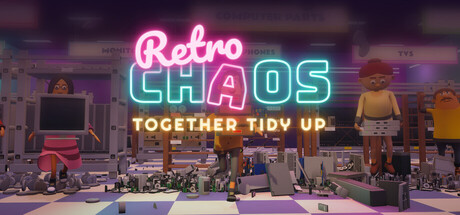 Retro Chaos: Together Tidy Up Unclear art | AI assistance used for some visuals | Smobu | - | Oct 6, 2026 | |
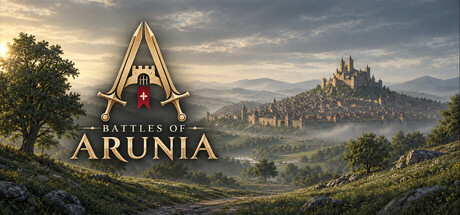 Battles of Arunia In-game content art | Battles of Arunia uses AI-generated artwork created during development, including card illustrations, character portraits, backgrounds and interface artwork. We plan to replace some placeholder artwork during Early Access, including through voluntary community contributions used with permission. The game does not generate AI content during gameplay. | Battles of Arunia | - | Oct 6, 2026 | |
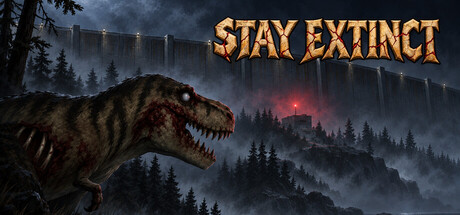 Stay Extinct In-game content artaudiotext | We use AI tools to make some of the game's art, sound, voices and writing. Every result was reviewed and edited before it went into the game.
- 3D models: most creature and character bodies (dinosaurs, Ice Age animals, wildlife, the infected, the customisable human bodies, hairstyles and hats) and some props and plants were generated with Tripo through Unity AI, from reference images made with OpenAI GPT Image. They were then cleaned up, rigged and fitted to the game's style.
- Textures: the dinosaur hides and the human characters' faces, skin, clothing and infection damage were painted with the help of GPT Image.
- Illustrations: the field guide's species plates were generated with GPT Image from renders of the in-game models.
- Sound: the calls of the mammoths, giant elk, ground sloths and sauropods were generated with Unity AI sound generation.
- Voices: the radio voices (the island broadcasts, the voice on the collection frequency and the facility's recorded messages) and the skipper's two lines in the opening scene are AI voices, made with ElevenLabs Eleven v4 text-to-speech from the game's own script. Face-to-face dialogue and the tapes are not voiced.
- Writing: in-game text (dialogue, records and descriptions) and this store page were drafted with AI writing assistance and edited by the developer.
- Store art: the capsule and library artwork and the logo were generated with GPT Image. They are illustrations, not screenshots. The screenshots, trailers and About clips are in-engine footage with licensed music and sound effects; any voices, herd calls, logo or artwork in the trailers are the AI content listed above.
Buildings, vehicles, weapons, most props, the music, most sound effects and all animation come from licensed asset packs (a few animation clips are adapted from them). The interface was built for the game. The game generates no AI content while you play. | windurex | - | Oct 6, 2026 | |
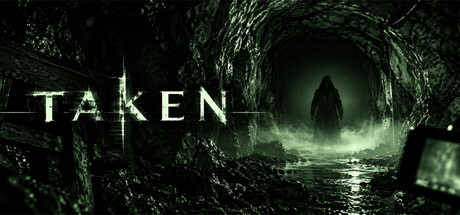 TAKEN Store/marketing art | Generative AI was used to create promotional and store-page artwork for TAKEN during development. No AI-generated content or code is generated during gameplay. | MIZANUR RAHMAN | - | Oct 6, 2026 | |
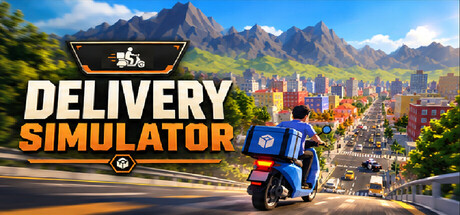 Delivery Simulator Unclear art | Asset, UI Creating. etc. | Kim Han Byeol | - | Oct 6, 2026 | |
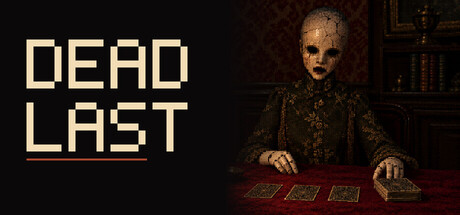 Dead Last In-game content artaudio | Some visual and audio assets were generated with AI tools during development and edited for use in Dead Last. No AI content is generated during gameplay. | Eddie Eizner | - | Oct 6, 2026 | |
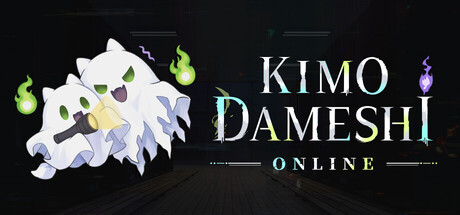 肝試しオンライン In-game content art | Some assets in this game were created with generative AI during development: 3D models of characters and props (including some of their animations), and images such as textures and illustrations. All of them were selected and adjusted by the developers before being used in the game. No content is generated by AI while the game is running. | パン田 | - | Oct 6, 2026 | |
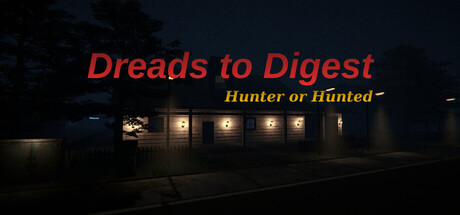 Dreads to Digest - Hunter or Hunted In-game content art | Some paintings and NPC textures in this game were generated using AI. These elements are used purely for visual and aesthetic purposes and have no impact on gameplay. There is no live or real-time AI generation during gameplay. | Vethroxdev | - | Oct 6, 2026 | |
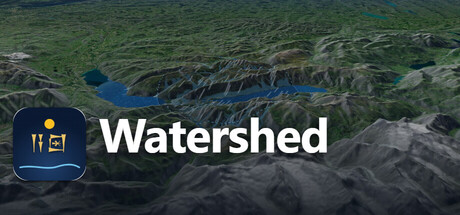 Watershed Dev only codetext | Parts of the source code and some store and marketing text were written with help from AI coding assistants during development. All terrain, water simulation, satellite imagery and map data come from real geographic datasets. No AI-generated artwork, audio or narrative ships with the app, and nothing is generated during play. | Mozon | - | Oct 6, 2026 | |
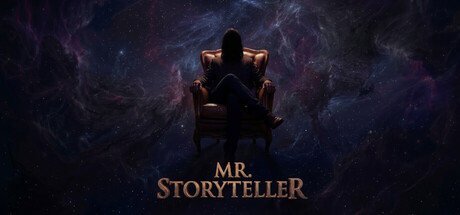 Mr. StoryTeller In-game content audioart | This game utilizes pre-rendered content assisted by generative AI tools exclusively for a few specific background songs, character voice acting, and minor conceptual art references.
The ambient sound design, audio effects, and liminal soundscapes were crafted by human artists. Certain 3D models and environmental props were acquired under license from creators on the Unreal Engine Marketplace. All narrative writing, game design, level composition, programming, story, and creative direction are original works created and directed entirely by the author. | Erick Alejandro Perez Orona | - | Oct 6, 2026 | |
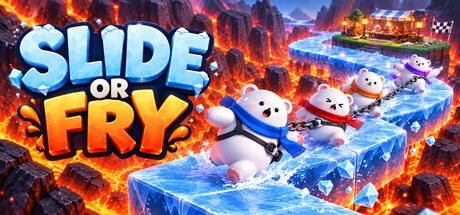 Slide or Fry In-game content artaudiotext | AI-assisted tools were used during development for selected artwork and audio, store page text, and localization. All content is included in the game or its promotional materials in a pre-generated form. No generative AI runs during gameplay, and the game does not connect to external AI services. | Ring Forge | - | Oct 6, 2026 | |
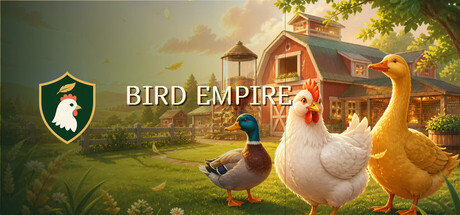 Bird Empire In-game content art | This game includes pre-generated AI-assisted artwork used in store and marketing materials and in some in-game 2D visuals. All such content was created and reviewed before release. The game does not use generative AI during gameplay and does not accept or transmit player prompts. | sadness | - | Oct 6, 2026 | |
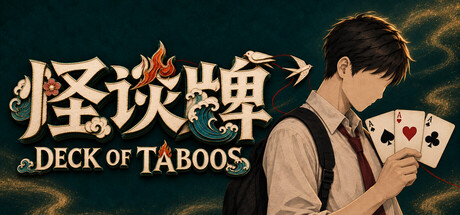 怪谈牌 In-game content artaudiotext | Generative AI tools were used during development to assist in creating some artwork, music, sound effects, and promotional materials, and in drafting and translating text. These materials are prepared before release. The game does not generate AI content during gameplay or connect to external AI services. | Studio MING | - | Oct 6, 2026 | |
 Neonrise Dev only code | Every part of this game's concept, design, and features was created by humans. The ideas, the gameplay, the look and feel, and every decision about how it all fits together came from us.
For the programming itself, we use AI coding agents to help us write code. They speed up development and let us focus our time on what matters most: making the game fun to play. | Green Novice Games | - | Oct 6, 2026 | |
 THE GODDESS TOLD ME: Steal That Loaf of Bread In-game content artcode | This game contains content created with the assistance of AI tools. AI was used during development to assist with programming, visual assets, and other creative elements. All generated content was reviewed, edited, and integrated by the dev. | ISEKAI Games | - | Oct 6, 2026 | |
 deep rabbit hole Dev only code | [Developer Notice]This game was developed with the assistance of AI tools used for programming and code generation during the development process. | Slow step | - | Oct 6, 2026 | |
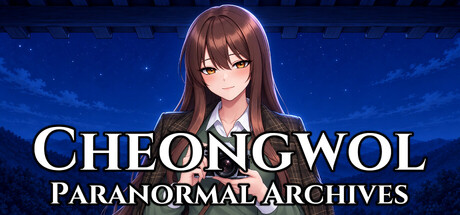 청월시 괴이사진록 (Cheongwol: Paranormal Archives) In-game content artaudiotext | The game's visuals (backgrounds, character portraits, event CGs, and UI) were created with generative AI, then reviewed by hand and retouched where needed. The BGM and some sound effects were also generated with AI, and AI is used for translations. The original story and dialogue were written entirely by the author. | Litma Games | - | Oct 6, 2026 | |
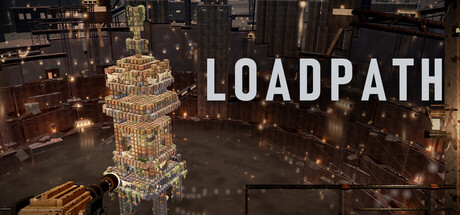 Loadpath In-game content audiotext | Generative AI tools assisted with LOADPATH’s development and the creation of game content, under the developer’s creative direction. The game was shaped through extensive iteration, selection and hands-on playtesting. The promotional trailer also uses AI-generated narration and music. All AI-generated content is prepared in advance; no generative AI runs during gameplay. | Happy Sidequest | - | Oct 6, 2026 | |
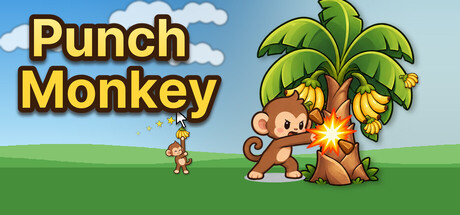 PunchMonkey In-game content art | AI was used for the visual elements within the game. | ShimWoojin | - | Oct 6, 2026 | |
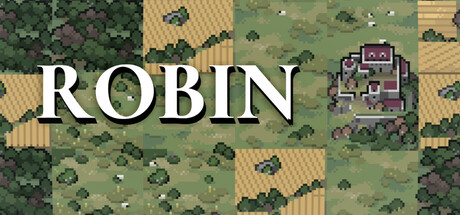 Robin In-game content text | Translations were made with AI assistance then reviewed by native speakers. Corrections from players are welcome. | Franek | - | Oct 6, 2026 | |
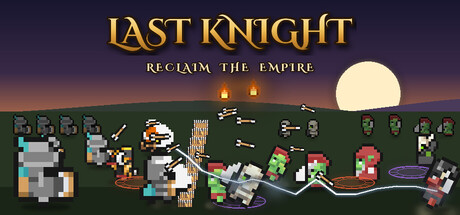 Last Knight ~ Reclaim the Empire ~ In-game content arttext | This game used AI assistance to help arrange the store page artwork and to support programming. AI assistance was also used to write the store page text, and the multi-language localization in the current version was produced with AI assistance. All AI-related work was carried out under the direction and planning of the developer. | Honga Games Inc. | - | Oct 6, 2026 | |
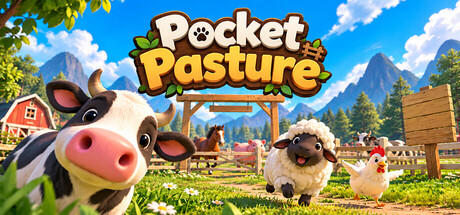 Pocket Pasture In-game content art | As a solo developer, generative AI tools were used to assist in creating promotional capsule artwork and achievement icons. All gameplay mechanics, coding, and game design were created directly by the developer. | OxygenStudio | - | Oct 6, 2026 | |
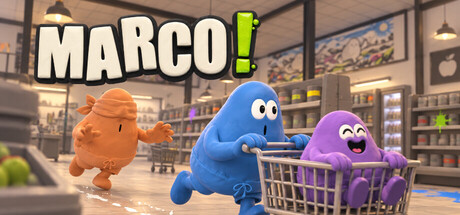 Marco! In-game content art | MARCO is made by a solo developer. Its characters, core concepts, and art direction are my original work.
I used AI tools, guided by my own artwork and creative direction, to help create additional 3D models, props, textures, concept art, and some store-page and marketing images. I reviewed, selected, and refined these assets to fit MARCO’s style before including them.
No content is generated by AI during gameplay.
As a solo developer with limited time and resources, these tools helped me turn a game I’d imagined for years into something people can actually play. | Noel Ray | - | Oct 6, 2026 | |
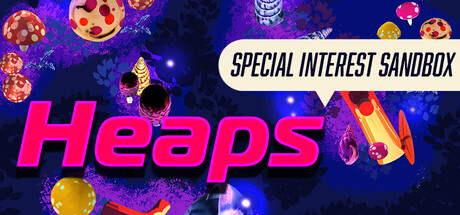 Heaps Live AI arttextcode | Software engineering is primarily by hand in C# and python, with local SLM's, run via Ollama, and occasional cloud-based LLM's used to research knowledge deficits and prototype code snippets for specific systems that map to those deficits. Any AI-generated code was reviewed line-by-line, hand-integrated and heavily modified.
The application requires local file access to files selected by the player from a standard operating system folder browser with permissions. It scans the user's system via the psutil and gputil standard python packages to ascertain the specifications of the user's system to select a model that will match their system's performance profile.
Pinocchio and Hunyuan were used to generate 3D models of mushrooms from 19th century public domain botanical illustrations, and the integrated SLM model is used to generate text labels and summaries at runtime.
The application has absolutely no chat interface. An SLM is integrated locally as a black-box system with robust system prompts to generate structured output in the form of JSON based on the player's file inputs. The JSON is consumed by the game to generate maps and levels.
Additional Specifications & Technical Notes:
- A localhost python server is back-compiled to a C executable and deployed with the main executable and invoked from its application domain to host the local model.
- The local model is downloaded from the Internet via Ollama.
- The end-user needs to have the Ollama client installed to run the model locally.
- The python server has robust internal system prompts to prevent violation of the Terms of Service on the Steam and Itch platforms regarding disallowed content.
- The python server is run from the main executable's application domain, in the same directory structure.
- The python server and main executable communicate via a local socket connection via IANA-approved port numbers according to RFC 6335. Ports are tested and iterated to ensure that they are available on the local system. If an IANA-approved port listed in RFC 6335 is not available, the application will not run.
Heaps adheres to the ARTS standard for AI labeling. A full accounting of our use of AI in this game can be found at:
droidknot.com/ARTS/Heaps_SIS_082726.pdf | Droidknot LLC | - | Oct 6, 2026 | |
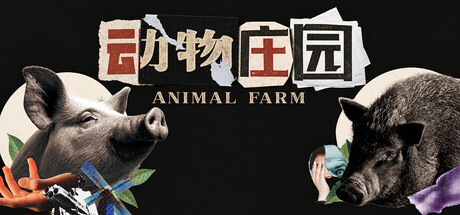 动物庄园 Animal Farm In-game content artaudiotext | Generative AI tools were used during development to create some in-game artwork and sound effects, as well as some store and promotional visual assets. Generative AI also assisted with drafting store descriptions and translating them into English. This content is pre-generated. The game does not generate AI content or connect to external generative AI services during gameplay. | 田也 | - | Oct 6, 2026 | |
 Capture The Parcel In-game content text | This game used AI for localization. Translations only. | Pinching Pennies Studios LLC | - | Oct 6, 2026 | |
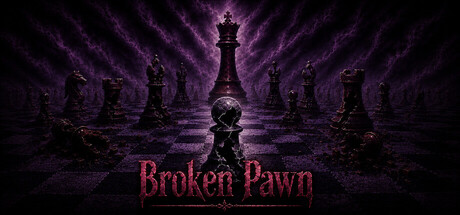 Broken Pawn In-game content art | AI tools were used to generate base 2D images and concepts for character masks. These assets were then manually edited, polished, color-corrected, and integrated into the game by the developer. | Morok Archive | - | Oct 6, 2026 | |
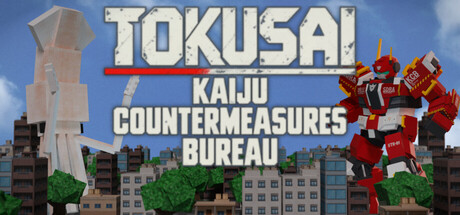 特災 怪獣対策局 Store/marketing artcode | Generative AI was used to assist with the creation of the game logo and some promotional assets for the Steam store. The generated materials were selected, edited, and further processed by the developer before use.
Generative AI was also used during development to assist with programming and debugging.
No generative AI is used to generate content during gameplay. | Japanese Bobtail Games | - | Oct 6, 2026 | |
 Baccarata In-game content audio | Some audio was AI assisted | Paper Comet Studios | - | Oct 6, 2026 | |
 RE:COPY In-game content textaudioart | Generative AI tools were used during development to assist with code, text and localization, audio, and some visual assets. | masasgames | - | Oct 6, 2026 | |
 Words In Place In-game content artaudio | Part of the game were created with the help of generative AI tools, then reviewed, edited and assembled by the developer:
• visual art — the ambient background images and the animated background loop
• audio — background music and sound effects
Generative AI is used only during development to produce these assets. The game does NOT use any AI at runtime — there is no live AI generation while you play.
Puzzles and word lists are hand-curated, and level layouts are produced by our own deterministic algorithm (not AI). | lil kooky | - | Oct 6, 2026 | |
 Catacrawl In-game content art | Pre-generated content only, nothing is generated while the game runs. Most of the pixel art for monsters, bosses, world objects (shrines, totems, traps, items), boon card art and the three hero cats was generated with PixelLab (an AI pixel-art tool) from text prompts and from our own hand-drawn references, then hand-corrected, quantized to the game's palette and animated frame by frame. The music and all sound effects are synthesized procedurally in our own code (no AI). Purchased asset packs (tiles, UI) are hand-drawn by their artists. No AI-generated text, voices or story. | eedee | - | Oct 6, 2026 | |
 Warwake In-game content art | Generative AI was used during development to help create a limited number of assets, such as some 2D art, textures. All AI-assisted content was reviewed and edited by our team. | 237 Studio | - | Oct 6, 2026 | |
 TTRPG In-game content art | "Generative AI was used to create the game's cover art and the free scenario assets (such as character images). We plan to replace these art resources as soon as possible." | PUGO | - | Oct 6, 2026 | |
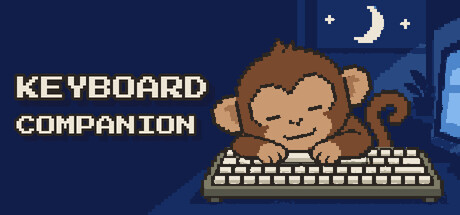 Keyboard Companion Store/marketing art | Some character and store art was created with AI and edited by the developer. | Butterstick Games | - | Oct 6, 2026 | |
 White Christmas In-game content codearttext | AI-assisted coding and editor automation tools were used during development for workflow efficiency.
Most of the art was hand-made by me. The remaining art generated by AI tools like icons or textures will be swapped to human-made art in the near future.
AI translation tools were used to create localization drafts, that are being reviewed by speakers of the language. | Jele Studios | - | Oct 6, 2026 | |
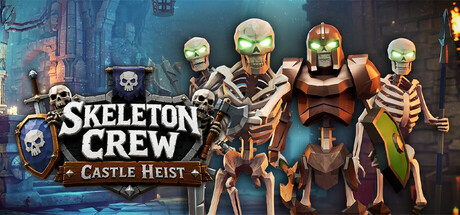 Skeleton Crew: Castle Heist In-game content textart | Generative AI tools were used during development to assist with the creation and editing of some text content and graphical materials used in the game and its related assets. | Courtney Keyes Studios | - | Oct 6, 2026 | |
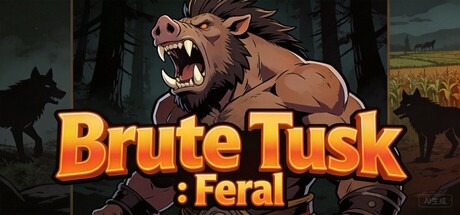 Brute Tusk : Feral Store/marketing art | Pre-generated AI content:
Some promotional artwork used on the Steam store page was created with generative AI and subsequently edited by the developer | Piri Piri Games | - | Oct 6, 2026 | |
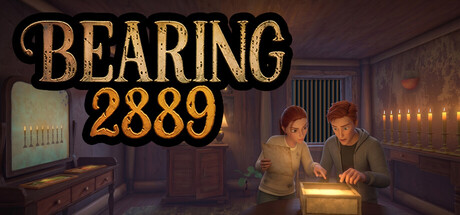 Bearing 2889 In-game content textart | The localization was generated with the help of AI, and artwork was based on game content but polished with AI. | Keycap Games LLC | - | Oct 6, 2026 | |
 Semblature: A Deduction Game In-game content arttextcode | Some of what you see and hear in Semblature was made with AI tools. Nothing is generated while you play. There is no model in the game, nothing is created at runtime, and the game never sends anything you do to an AI service.
Art: No AI-generated imagery currently ships. All in-game art is drawn procedurally by the game's own code, and the store assets (capsules, library art, icons) are the same. No diffusion imagery is used in any of them. An AI image pipeline exists in development; if generated art ships in a future build, this section will be updated before release with the tools and process.
Music: No music has shipped in a build yet. If AI-generated music ships, this answer will be updated with the tool and process before release.
Puzzles: A puzzle's shape, what it teaches, and where it falls on the difficulty curve was designed with an AI coding assistant under my direction. The puzzles you play are produced from that design by a deterministic program, and a solver proves it has exactly one solution. The teaching cards and rule text were drafted the same way and edited by me.
Store copy is drafted with an AI writing assistant and edited by me. | Perpolita | - | Oct 6, 2026 | |
 Blubber In-game content text | Translations of UI text | Crooked Hill Games | - | Oct 6, 2026 | |
 Conjurariun In-game content artaudio | AI-Generated Content Disclosure – CONJURARIUN
CONJURARIUN uses AI-generated content in certain elements of the game. AI-generated images were used for some visual assets, including artwork featured in the game. Additionally, AI-generated music was used in the main menu.
All AI-generated content was reviewed, selected, and integrated by the development team as part of the game's creative process. The gameplay, programming, mechanics, and overall game development were created and implemented by the developer. | Leonardo Ferreira da silva | - | Oct 6, 2026 | |
 The Final Exhibit In-game content text | AI was used only to help with localization services. | Jo Gaming | - | Oct 6, 2026 | |
 Halloween Trick or Treat: Mega Bundle 1 Unclear art | Cleaned up some of the scene backgrounds | Casual Arts | - | Oct 6, 2026 | |
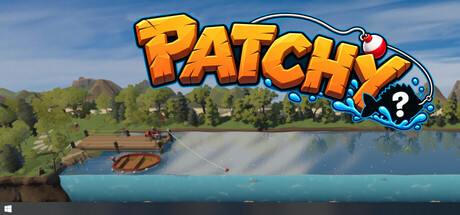 Patchy Store/marketing art | The game logo, used in store art and the trailer, was created with AI image generation tools. | Root Cellar Games | - | Oct 6, 2026 | |
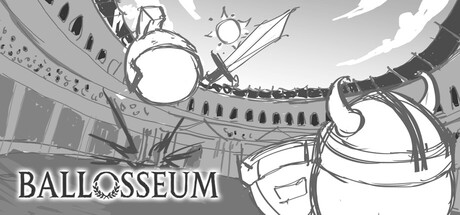 Ballosseum Dev only textart | AI was used to assist with text and UI art/design during development. | Ballosseum | - | Oct 6, 2026 | |
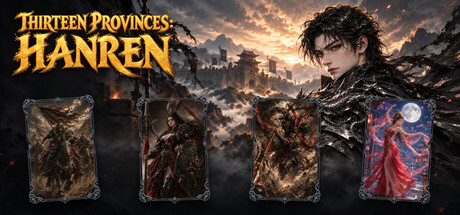 十三州·汉刃 In-game content artaudiotext | Generative AI assisted the creation of some card and character illustrations, environments, CG artwork, UI and marketing art, music and sound effects, written text and localization, and Mandarin and English voices for characters, tutorials, announcements and bond stories, including narration. These assets are pre-generated, selected, edited and integrated during development. The game does not generate content at runtime or connect to external generative AI services. AI opponents use local game rules and strategy code. | 十三州制作组 | - | Oct 6, 2026 | |
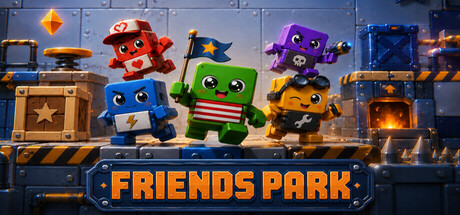 Friends Park In-game content arttext | Some visual assets were created with the help of generative AI and then edited by the developer. A few sprite animations (doors opening, the ghost, the dynamite fuse and explosion, the turret turning) were generated with PixelLab from our own hand-made sprites, and some store artwork was made with AI image tools. Parts of the in-game text were written with AI assistance and reviewed by the developer. The game does not generate any content with AI while you play. | Igoroja | - | Oct 6, 2026 | |
 あれ探し図鑑~猫編~ In-game content text | This game utilizes AI technology for some of its translations and content creation.
While we make every effort to review and refine the content, some translations or expressions may contain inaccuracies or unnatural wording.
If you notice any issues or have any feedback, we will work to address and improve them through future updates. Thank you for your understanding. | BEYOND INTERACTIVE, INC. | - | Oct 6, 2026 | |
 Void Beserk Store/marketing codeart | Regarding programming, this game was partially coded and translated using AI; however, AI is used only for marketing art. The game's international artwork is hand-drawn and vectorized based on unofficial rock band logos. | Okiam666 | - | Oct 6, 2026 |


