Public Steam disclosure research25,383 disclosures tracked
Where do games disclose AI use?
Search developers’ Steam disclosures, compare classified AI use across
games, and follow recorded changes.
This index adds cross-game classifications and statistics to
statements published on individual store pages.
Groups reflect automatic analysis of public disclosures; mature records are excluded. These counts do not measure AI use across all of Steam.
Missing or unclear statements cannot establish whether a game uses AI.
Some visual assets were created or refined using generative AI tools during development. All AI-assisted assets were reviewed, edited, and integrated by the developer. The game does not generate content dynamically using AI during gameplay.
This application generates text responses in real time using an on-device language model (LLM). All AI output is initiated by user prompts entered through the chat interface. The model runs locally on the user's hardware and does not require an internet connection in the Steam build. The application does not generate images or other media via AI. User inputs and generated content are stored locally on the user’s device and are not transmitted to external servers.
Large menu background images (menus) and various derelict images were generated with AI and then edited and refined by hand (Photoshop and Aseprite) before being used in-game.
An AI voice was used for Juno as a placeholder.
Some text content prepared in advance, including descriptions and localized text, may be created, translated, or improved with the assistance of AI-based tools.
All marketing was AI Generated - except the screenshots and demo video.
Most source code was vibe coded, though it's getting too complex for the better models and I've done a lot of personal touch-ups.
How much AI will be used for more than research going forward is up to see.
AI generation is used as a supporting tool for certain 3D assets and game code. AI-generated content is subsequently thoroughly refined by hand before being included in the game.
AI tools were used to assist with coding during the development process.
Additionally, generative AI was used to create some of the artwork and assets displayed on the store page and in marketing materials.
Generative AI was used during development to help with text editing and minor code debugging (mostly because I’m a solo indie dev and needed a hand).
AI is not used in the game itself - all gameplay systems, content, and behavior are handcrafted and not generated in real time.
This game includes content created with generative AI during development. No content is generated live during gameplay.
Music: Some background music tracks were created using music generation AI (e.g. Suno AI).
Images: Some illustrations and background images were created using image generation AI.
This includes works created by the developer as well as works submitted by third parties through an open call and individual commissions. For submitted works, contributors confirmed the AI tools and external assets used, their ownership of necessary rights, that no third-party rights are infringed, and that commercial use is permitted.
This game utilized AI tools exclusively to assist in writing and optimizing a portion of the underlying code during development. All other elements, including visual assets, 3D models, music, and sound effects, were created entirely without the use of AI. All AI-assisted code underwent manual review and testing to ensure game quality and stability.
Some visual assets on the store page and parts of the in-game art were created with the assistance of generative AI tools and then curated, edited, and integrated by the developer (Cag).
Portions of the store page text and the game’s music were created with the assistance of generative AI tools.
This game includes pre-generated visual assets created and edited using MidJourney.
Written content was developed with AI assistance (ChatGPT, GitHub Copilot) and edited by the developer.
Voice-over generated by ElevenLabs.
AI tools were used as part of the development process to assist with artwork and coding. All final assets and gameplay content are human-curated and implemented.
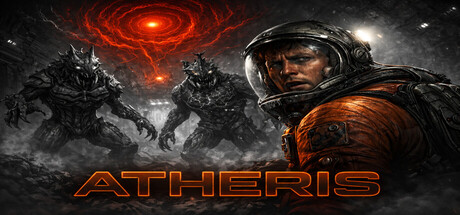
Atheris is developed by a very small independent studio. Due to limited resources, we occasionally rely on generative AI tools for specific visual elements, such as some in-game illustrations, assets and marketing materials.
These tools are used thoughtfully and selectively, always under human direction, to preserve a cohesive artistic vision.
We value transparency, and we encourage players to consider this information when deciding whether the game is right for them.
I created achievement logos with AI and store logos with Ai, all in game images are created with actual game play and does not use Ai, game privacy and manual were formatted and verified using Ai.
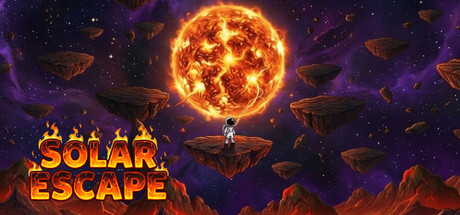
Pre-generated Content: This game uses generative AI to assist in the creation of visual assets and environmental artwork. These elements have been further curated and integrated manually by the developer to ensure they fit the game's unique "Solar Escape" aesthetic and gameplay requirements.
Live-generated Content: This game does not use any live-generated AI content. All assets are pre-rendered and included in the game files.
The game’s logo + the level's images list was generated using AI and then manually edited and finalized by the developer. No gameplay, art, or audio content was AI-generated.
This game uses generative AI tools during development to create some static 2D artwork, such as key art and promotional images. All AI-assisted images are manually selected, edited and adjusted by the developer before release.
The game itself does not call any AI services at runtime, and no in-game content, text, code or assets are generated by AI while playing.
We use AI tools to generate initial character concepts and static base sprites. These generated images serve as a foundation and are subsequently manually edited, processed, rigged, and animated by hand using 2D animation software to create the final assets seen in the game.
Human touch + AI. Artificial Intelligence (AI) was used to enhance code efficiency and optimize selected graphical elements, improving the overall performance and visual quality of the project — while preserving its handcrafted style and unique artistic identity.
Some visual assets were created or refined using generative AI tools during development. All AI-assisted assets were reviewed, edited, and integrated by the developer. The game does not generate content dynamically using AI during gameplay.
This application generates text responses in real time using an on-device language model (LLM). All AI output is initiated by user prompts entered through the chat interface. The model runs locally on the user's hardware and does not require an internet connection in the Steam build. The application does not generate images or other media via AI. User inputs and generated content are stored locally on the user’s device and are not transmitted to external servers.
Large menu background images (menus) and various derelict images were generated with AI and then edited and refined by hand (Photoshop and Aseprite) before being used in-game.
An AI voice was used for Juno as a placeholder.
Some text content prepared in advance, including descriptions and localized text, may be created, translated, or improved with the assistance of AI-based tools.
All marketing was AI Generated - except the screenshots and demo video.
Most source code was vibe coded, though it's getting too complex for the better models and I've done a lot of personal touch-ups.
How much AI will be used for more than research going forward is up to see.
AI generation is used as a supporting tool for certain 3D assets and game code. AI-generated content is subsequently thoroughly refined by hand before being included in the game.
AI tools were used to assist with coding during the development process.
Additionally, generative AI was used to create some of the artwork and assets displayed on the store page and in marketing materials.
Generative AI was used during development to help with text editing and minor code debugging (mostly because I’m a solo indie dev and needed a hand).
AI is not used in the game itself - all gameplay systems, content, and behavior are handcrafted and not generated in real time.
This game includes content created with generative AI during development. No content is generated live during gameplay.
Music: Some background music tracks were created using music generation AI (e.g. Suno AI).
Images: Some illustrations and background images were created using image generation AI.
This includes works created by the developer as well as works submitted by third parties through an open call and individual commissions. For submitted works, contributors confirmed the AI tools and external assets used, their ownership of necessary rights, that no third-party rights are infringed, and that commercial use is permitted.
This game utilized AI tools exclusively to assist in writing and optimizing a portion of the underlying code during development. All other elements, including visual assets, 3D models, music, and sound effects, were created entirely without the use of AI. All AI-assisted code underwent manual review and testing to ensure game quality and stability.
Some visual assets on the store page and parts of the in-game art were created with the assistance of generative AI tools and then curated, edited, and integrated by the developer (Cag).
Portions of the store page text and the game’s music were created with the assistance of generative AI tools.
This game includes pre-generated visual assets created and edited using MidJourney.
Written content was developed with AI assistance (ChatGPT, GitHub Copilot) and edited by the developer.
Voice-over generated by ElevenLabs.
AI tools were used as part of the development process to assist with artwork and coding. All final assets and gameplay content are human-curated and implemented.
Atheris is developed by a very small independent studio. Due to limited resources, we occasionally rely on generative AI tools for specific visual elements, such as some in-game illustrations, assets and marketing materials.
These tools are used thoughtfully and selectively, always under human direction, to preserve a cohesive artistic vision.
We value transparency, and we encourage players to consider this information when deciding whether the game is right for them.
I created achievement logos with AI and store logos with Ai, all in game images are created with actual game play and does not use Ai, game privacy and manual were formatted and verified using Ai.
Pre-generated Content: This game uses generative AI to assist in the creation of visual assets and environmental artwork. These elements have been further curated and integrated manually by the developer to ensure they fit the game's unique "Solar Escape" aesthetic and gameplay requirements.
Live-generated Content: This game does not use any live-generated AI content. All assets are pre-rendered and included in the game files.
The game’s logo + the level's images list was generated using AI and then manually edited and finalized by the developer. No gameplay, art, or audio content was AI-generated.
This game uses generative AI tools during development to create some static 2D artwork, such as key art and promotional images. All AI-assisted images are manually selected, edited and adjusted by the developer before release.
The game itself does not call any AI services at runtime, and no in-game content, text, code or assets are generated by AI while playing.
We use AI tools to generate initial character concepts and static base sprites. These generated images serve as a foundation and are subsequently manually edited, processed, rigged, and animated by hand using 2D animation software to create the final assets seen in the game.
Human touch + AI. Artificial Intelligence (AI) was used to enhance code efficiency and optimize selected graphical elements, improving the overall performance and visual quality of the project — while preserving its handcrafted style and unique artistic identity.