Public Steam disclosure research25,992 disclosures tracked
Where do games disclose AI use?
Search developers’ Steam disclosures, compare classified AI use across
games, and follow recorded changes.
This index adds cross-game classifications and statistics to
statements published on individual store pages.
Groups reflect automatic analysis of public disclosures; mature records are excluded. These counts do not measure AI use across all of Steam.
Missing or unclear statements cannot establish whether a game uses AI.
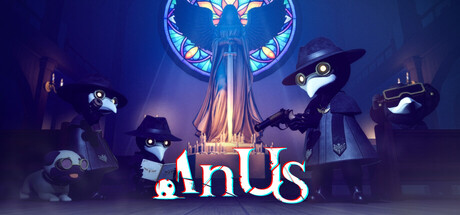
In Us is developed by a small independent studio in Japan. We incorporate generative AI tools into our development pipeline to assist in the creation of certain art assets. However, every asset included in the final game is reviewed, refined, and finalized by our human artists. No asset exists in the game without human authorship.
We chose to disclose this openly because players deserve to know how the games they play are made. We understand the concerns the creative community has about generative AI, and we are committed to keeping human craft at the center of our work — both now and in everything we make in the future.
Our Creative Approach: A Human-First Duo and AI Disclosure
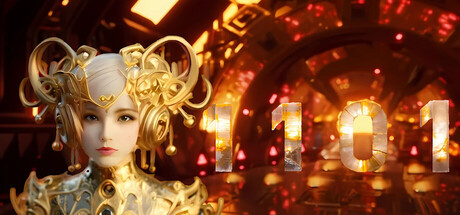
We are a passionate two-person team dedicated to bringing 1101 to life. To achieve the visual depth and cinematic quality we envisioned as a small studio, we utilized AI-assisted tools specifically for cinematic refinement, 3D texturing and modeling.
Here is exactly how we use AI to support our hand-crafted work:
From Concept to 3D Reality
Our 3D creation process combines traditional artistry with modern efficiency. Once we finalize a self-made image reference, hand-drawn sketch or a custom-generated image reference, we use AI-assisted modeling tools to convert that 2D vision into a 3D base mesh.
The Human Touch
This AI-assisted object is only the starting point. As a two-person team, we then step in to manually refine the geometry, adjust the proportions, and hand-modify the details. This "Human-in-the-Loop" approach allows us to bridge the gap between a 2D idea and a high-quality 3D asset, ensuring every object fits perfectly within our world’s hand-crafted design.
Cinematics: AI tools helped us polish visuals in our cinematics, allowing us to deliver high-quality storytelling that would typically require a much larger team.
Everything else is human-made. From the core gameplay mechanics and level design to the dialogue, music, and sound effects, every "soul" of this game comes directly from our hands. Ultimately, being an indie underdog means being resourceful. Using these tools wasn't about cutting corners; it was about bridging the gap to deliver a high-quality experience that a duo could otherwise never achieve. We’ve used technology to work harder on what matters most: making a game you'll love to play.
This game contains content created with the assistance of generative AI tools:
Artwork: Some visual assets were generated using AI image tools as a starting
point, then edited and refined by the developer. All final in-game artwork
has been reviewed, modified, and approved by human hands.
Music & Sound Effects: Background music and sound effects were created using
AI-based music generation tools, then selected and curated by the developer.
Localization: Translations for Japanese, Korean, Traditional Chinese, Spanish,
and Russian were produced with AI translation tools and reviewed by the
developer. Simplified Chinese and English were authored directly by the
developer.
Store Page Copy: Portions of the store page description were drafted with AI
writing assistance and finalized by the developer.
No generative AI runs during gameplay. The AI opponent in single-player mode
uses rule-based logic, not generative AI.
This game uses generative AI in the following areas:
- Some in-game background images
- Some sound effects
- Translation for some languages
All AI-generated content was reviewed and edited by the developer.
During development, we used generative AI tools to assist with certain visual assets, including images and 3D models. All AI-generated content was pre-produced during the development phase and has been manually reviewed and validated. No real-time AI generation occurs during gameplay.
Some text content prepared in advance, including descriptions and localized text, may be created, translated, or improved with the assistance of AI-based tools.
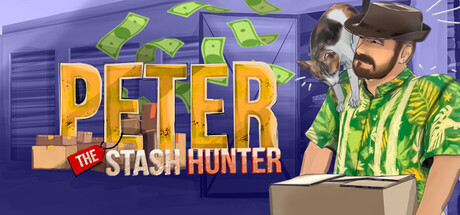
Peter the Stash Hunter has been mostly designed and coded by hand by a single developer using traditional methods. AI tools were used in the development process only in two supporting roles:
- Translating store descriptions and in-game text into different languages
- Acting as a helper assistant during code writing
All AI outputs have been reviewed and edited by the developer. Translations are planned to be improved over time based on community feedback. None of the game's visuals, story, characters, music, sound effects, gameplay mechanics, or design decisions have been generated by AI. There is also no AI system running inside the game.
During the development of this game, generative AI tools were used as a supportive resource for technical and creative tasks. Specifically, AI was utilized to assist in structuring complex C# scripts and providing visual reference images for world-building and character design. This allowed me as a solo developer to streamline my technical workflow and focus more on the core gameplay, environmental puzzles, and the unique atmospheric feel of the project. Every piece of AI-assisted logic or visual concept has been manually reviewed, adapted, and implemented by me to ensure it fits perfectly within the game's overall design.
Generative AI tools were used as development assistance for code prototyping, design iteration, selected promotional/store artwork, and AI-generated trailer music. The final game content is reviewed, edited, integrated, and curated by the developer.
The game does not use live generative AI during gameplay. No runtime AI-generated text, images, audio, or dialogue are produced for players.
Steam page design and English localization - This is an unusual game. It consists of a huge amount of text. We couldn't translate it with a professional translator due to the enormous cost. Despite this, we really want as many people as possible to play our game. That's why we made the game free. We also hope that this game will become a great experience for our next game.
AI tools were used to assist with code development and localization. All game design, art direction, and creative decisions were made by the developer.
All code in this game is generated with AI assistance. The game’s visuals and music also involve AI-aided processes, including image adjustments and extension of music segments. The gameplay concepts and skill/item designs are partially inspired by AI, with some skill and item names originating from AI-generated ideas.
Generative AI was used to assist in creating certain in-game UI assets (such as combo icons), the main capsule (cover art), and for code debugging during the development process. All AI-assisted content has been manually reviewed, refined, and integrated by the developer to ensure a high-quality experience.
The developer uses Generative AI tools to assist in the creation of 2D character sprites, background artwork, UI elements, and visual effects frames. All AI-generated graphical assets are pre-rendered, manually edited, and carefully integrated into the game engine by the developer. The game does not generate any AI content in real-time during gameplay.
Visuals: We used generative AI tools (Midjourney, ComfyUI) to assist in creating background illustrations and concept art for characters. All AI-generated outputs were manually refined, overpainted, and edited by human artists to ensure visual consistency and quality.
Text: We utilized AI-powered translation tools to assist in localizing scripts and store page descriptions from Korean to English. All translated text was proofread and edited by a native speaker to maintain the narrative's tone and nuance.
Chuyện Tết is a solo project. Due to limited design resources, I used AI to assist in generating backgrounds and in-game assets. I then personally reviewed, edited, and refined these visuals to ensure they accurately reflect my vision and the Southern Vietnamese cultural atmosphere of the 2010s.
As a solo developer, I used generative AI tools to assist with certain parts of development, including the creation of some visual assets.
All generated content has been carefully reviewed, adjusted, and manually integrated to ensure artistic consistency, and overall game quality.
No AI generated content is produced in real time during gameplay.
This game uses generative AI tools during development to create some visual assets, including store capsule artwork, and to assist with localization. All AI-generated content has been reviewed, edited, and refined to ensure consistency and quality.
Generative AI was used only for temporary placeholder visuals on this Steam store page. These images are not final game content and will be replaced with original artwork created by our artists before release.
Some of the background music in this game was created using generative AI tools. All AI-generated music has been reviewed, selected, and approved by the developers before inclusion in the game.
All visual assets and sound effects in this game were created with the assistance of AI generation tools, then curated and integrated by the developer.
AI Disclosure
Generative AI tools were used to assist with writing store page descriptions and game development. All gameplay content — including art, audio, maze generation, and game mechanics — is created programmatically through traditional algorithms and code.
Some visual assets in this game were generated using AI. As a one‑person developer, I use these tools to accelerate production, but all images are reviewed, refined, and finalized by me to maintain a consistent artistic direction.
Some music tracks in Gridhammer were composed using AI music generation tools (Suno). All other game content including artwork, writing, and game design is human-created.
AI tools were used to help create the game’s soundtrack by generating the initial instrumental stems and raw audio elements. Those materials were then brought into Logic Pro, where the developer manually arranged, remixed, edited, and mastered them into the final tracks.
AI Disclosure
This game uses pre-generated AI assets for specific visual elements:
The beach background featured in branding and the title screen.
Selected environmental details and decorative art within the game world (such as shop window graphics).
AI tools were also used as efficiency aids during the development process (coding and reviews).
Necromancer's Army uses generative AI to assist with portions of the in-game soundtrack and certain Steam store marketing assets (such as capsule art and banners).
Localization for the game's 8 supported languages was created using AI-assisted translation and reviewed and refined by our team for overall accuracy and quality.
All in-game visuals are procedurally generated through deterministic algorithms and do not use machine learning or AI techniques. All narrative writing is fully authored by our team.
If the game finds its audience, we plan to replace these AI-assisted assets with original work commissioned from human artists, and have the localization reviewed by native speakers prior to full release.
This game uses generative artificial intelligence to assist in the creation of certain visual elements. AI tools are used during development to help generate concept art, and refine environmental details. All AI-assisted content is carefully reviewed, edited, and integrated by the development team to ensure originality and consistency with the game’s style and design.
This game was developed with the assistance of generative AI tools, which were used to help create visual assets, code, and some audio elements. All generated content was reviewed, edited, and integrated by the developer to ensure consistency and quality.
No generative AI is used during gameplay. All content is pre-generated and curated before release.
In Us is developed by a small independent studio in Japan. We incorporate generative AI tools into our development pipeline to assist in the creation of certain art assets. However, every asset included in the final game is reviewed, refined, and finalized by our human artists. No asset exists in the game without human authorship.
We chose to disclose this openly because players deserve to know how the games they play are made. We understand the concerns the creative community has about generative AI, and we are committed to keeping human craft at the center of our work — both now and in everything we make in the future.
Our Creative Approach: A Human-First Duo and AI Disclosure
We are a passionate two-person team dedicated to bringing 1101 to life. To achieve the visual depth and cinematic quality we envisioned as a small studio, we utilized AI-assisted tools specifically for cinematic refinement, 3D texturing and modeling.
Here is exactly how we use AI to support our hand-crafted work:
From Concept to 3D Reality
Our 3D creation process combines traditional artistry with modern efficiency. Once we finalize a self-made image reference, hand-drawn sketch or a custom-generated image reference, we use AI-assisted modeling tools to convert that 2D vision into a 3D base mesh.
The Human Touch
This AI-assisted object is only the starting point. As a two-person team, we then step in to manually refine the geometry, adjust the proportions, and hand-modify the details. This "Human-in-the-Loop" approach allows us to bridge the gap between a 2D idea and a high-quality 3D asset, ensuring every object fits perfectly within our world’s hand-crafted design.
Cinematics: AI tools helped us polish visuals in our cinematics, allowing us to deliver high-quality storytelling that would typically require a much larger team.
Everything else is human-made. From the core gameplay mechanics and level design to the dialogue, music, and sound effects, every "soul" of this game comes directly from our hands. Ultimately, being an indie underdog means being resourceful. Using these tools wasn't about cutting corners; it was about bridging the gap to deliver a high-quality experience that a duo could otherwise never achieve. We’ve used technology to work harder on what matters most: making a game you'll love to play.
This game contains content created with the assistance of generative AI tools:
Artwork: Some visual assets were generated using AI image tools as a starting
point, then edited and refined by the developer. All final in-game artwork
has been reviewed, modified, and approved by human hands.
Music & Sound Effects: Background music and sound effects were created using
AI-based music generation tools, then selected and curated by the developer.
Localization: Translations for Japanese, Korean, Traditional Chinese, Spanish,
and Russian were produced with AI translation tools and reviewed by the
developer. Simplified Chinese and English were authored directly by the
developer.
Store Page Copy: Portions of the store page description were drafted with AI
writing assistance and finalized by the developer.
No generative AI runs during gameplay. The AI opponent in single-player mode
uses rule-based logic, not generative AI.
This game uses generative AI in the following areas:
- Some in-game background images
- Some sound effects
- Translation for some languages
All AI-generated content was reviewed and edited by the developer.
During development, we used generative AI tools to assist with certain visual assets, including images and 3D models. All AI-generated content was pre-produced during the development phase and has been manually reviewed and validated. No real-time AI generation occurs during gameplay.
Some text content prepared in advance, including descriptions and localized text, may be created, translated, or improved with the assistance of AI-based tools.
Peter the Stash Hunter has been mostly designed and coded by hand by a single developer using traditional methods. AI tools were used in the development process only in two supporting roles:
- Translating store descriptions and in-game text into different languages
- Acting as a helper assistant during code writing
All AI outputs have been reviewed and edited by the developer. Translations are planned to be improved over time based on community feedback. None of the game's visuals, story, characters, music, sound effects, gameplay mechanics, or design decisions have been generated by AI. There is also no AI system running inside the game.
During the development of this game, generative AI tools were used as a supportive resource for technical and creative tasks. Specifically, AI was utilized to assist in structuring complex C# scripts and providing visual reference images for world-building and character design. This allowed me as a solo developer to streamline my technical workflow and focus more on the core gameplay, environmental puzzles, and the unique atmospheric feel of the project. Every piece of AI-assisted logic or visual concept has been manually reviewed, adapted, and implemented by me to ensure it fits perfectly within the game's overall design.
Generative AI tools were used as development assistance for code prototyping, design iteration, selected promotional/store artwork, and AI-generated trailer music. The final game content is reviewed, edited, integrated, and curated by the developer.
The game does not use live generative AI during gameplay. No runtime AI-generated text, images, audio, or dialogue are produced for players.
Steam page design and English localization - This is an unusual game. It consists of a huge amount of text. We couldn't translate it with a professional translator due to the enormous cost. Despite this, we really want as many people as possible to play our game. That's why we made the game free. We also hope that this game will become a great experience for our next game.
AI tools were used to assist with code development and localization. All game design, art direction, and creative decisions were made by the developer.
All code in this game is generated with AI assistance. The game’s visuals and music also involve AI-aided processes, including image adjustments and extension of music segments. The gameplay concepts and skill/item designs are partially inspired by AI, with some skill and item names originating from AI-generated ideas.
Generative AI was used to assist in creating certain in-game UI assets (such as combo icons), the main capsule (cover art), and for code debugging during the development process. All AI-assisted content has been manually reviewed, refined, and integrated by the developer to ensure a high-quality experience.
The developer uses Generative AI tools to assist in the creation of 2D character sprites, background artwork, UI elements, and visual effects frames. All AI-generated graphical assets are pre-rendered, manually edited, and carefully integrated into the game engine by the developer. The game does not generate any AI content in real-time during gameplay.
Visuals: We used generative AI tools (Midjourney, ComfyUI) to assist in creating background illustrations and concept art for characters. All AI-generated outputs were manually refined, overpainted, and edited by human artists to ensure visual consistency and quality.
Text: We utilized AI-powered translation tools to assist in localizing scripts and store page descriptions from Korean to English. All translated text was proofread and edited by a native speaker to maintain the narrative's tone and nuance.
Chuyện Tết is a solo project. Due to limited design resources, I used AI to assist in generating backgrounds and in-game assets. I then personally reviewed, edited, and refined these visuals to ensure they accurately reflect my vision and the Southern Vietnamese cultural atmosphere of the 2010s.
As a solo developer, I used generative AI tools to assist with certain parts of development, including the creation of some visual assets.
All generated content has been carefully reviewed, adjusted, and manually integrated to ensure artistic consistency, and overall game quality.
No AI generated content is produced in real time during gameplay.
This game uses generative AI tools during development to create some visual assets, including store capsule artwork, and to assist with localization. All AI-generated content has been reviewed, edited, and refined to ensure consistency and quality.
Generative AI was used only for temporary placeholder visuals on this Steam store page. These images are not final game content and will be replaced with original artwork created by our artists before release.
Some of the background music in this game was created using generative AI tools. All AI-generated music has been reviewed, selected, and approved by the developers before inclusion in the game.
All visual assets and sound effects in this game were created with the assistance of AI generation tools, then curated and integrated by the developer.
AI Disclosure
Generative AI tools were used to assist with writing store page descriptions and game development. All gameplay content — including art, audio, maze generation, and game mechanics — is created programmatically through traditional algorithms and code.
Some visual assets in this game were generated using AI. As a one‑person developer, I use these tools to accelerate production, but all images are reviewed, refined, and finalized by me to maintain a consistent artistic direction.
Some music tracks in Gridhammer were composed using AI music generation tools (Suno). All other game content including artwork, writing, and game design is human-created.
AI tools were used to help create the game’s soundtrack by generating the initial instrumental stems and raw audio elements. Those materials were then brought into Logic Pro, where the developer manually arranged, remixed, edited, and mastered them into the final tracks.
AI Disclosure
This game uses pre-generated AI assets for specific visual elements:
The beach background featured in branding and the title screen.
Selected environmental details and decorative art within the game world (such as shop window graphics).
AI tools were also used as efficiency aids during the development process (coding and reviews).
Necromancer's Army uses generative AI to assist with portions of the in-game soundtrack and certain Steam store marketing assets (such as capsule art and banners).
Localization for the game's 8 supported languages was created using AI-assisted translation and reviewed and refined by our team for overall accuracy and quality.
All in-game visuals are procedurally generated through deterministic algorithms and do not use machine learning or AI techniques. All narrative writing is fully authored by our team.
If the game finds its audience, we plan to replace these AI-assisted assets with original work commissioned from human artists, and have the localization reviewed by native speakers prior to full release.
This game uses generative artificial intelligence to assist in the creation of certain visual elements. AI tools are used during development to help generate concept art, and refine environmental details. All AI-assisted content is carefully reviewed, edited, and integrated by the development team to ensure originality and consistency with the game’s style and design.
This game was developed with the assistance of generative AI tools, which were used to help create visual assets, code, and some audio elements. All generated content was reviewed, edited, and integrated by the developer to ensure consistency and quality.
No generative AI is used during gameplay. All content is pre-generated and curated before release.