







Disclosure
Some of the music in this game was created using AI tools. Text translations for some of the supported languages were also produced with AI tools
- Creator
- Nauco Labs
- Reviews
- -
- Added
- Aug 11, 2026
Public Steam disclosure research 25,392 disclosures tracked
Search developers’ Steam disclosures, compare classified AI use across games, and follow recorded changes. This index adds cross-game classifications and statistics to statements published on individual store pages.
Code help, debugging and other development work.
Capsule art, trailers and promotional material.
Pre-made art, audio, writing and other game assets.
Interactive or runtime AI features disclosed by the developer.
Groups reflect automatic analysis of public disclosures; mature records are excluded. These counts do not measure AI use across all of Steam. Missing or unclear statements cannot establish whether a game uses AI.
Some of the music in this game was created using AI tools. Text translations for some of the supported languages were also produced with AI tools
Some in-game images were created with limited assistance from AI tools, then refined, adjusted, and completed by human artists.
We use AI to assist with localization and to create some of the comics used for in-game tutorials.
- sound effects - male/female speeches - some UI elements - models (character)
No AI-generated images and I made all the music by hand. Some text may be translated with AI.
Some in-game text and store page copy was drafted with an AI assistant and edited by the developer. No generative AI runs in the game or generates content at runtime. All artwork is programmatically composited from photographs taken by the developer.
Some BGM are AI-generated. Additionally, some textures were AI-generated based on human designs and fully refined by hand. AI tools were also used for translation and general development assistance.
Assisted by AI for code development, optimization, bug fixing, select visual assets, music creation, and English localization.
All this game images and sounds are generated with the help of IA tools.
This game uses generative AI to create some of its visual assets, including artwork, background imagery, and marketing graphics. All AI-generated images are reviewed and edited by a human before release.
This game uses AI-generated art and audio assets created during development.
Einige visuelle Elemente des Spiels wurden mithilfe generativer KI-Tools erstellt und anschließend vom Entwickler ausgewählt, bearbeitet und integriert. Während des Spielablaufs kommt keine generative KI zum Einsatz.
AI is used to generate the club crests for the fictional first-division clubs, and to translate the game into languages the developer does not speak. The game's design, systems, and data logic are the developer's own.
AI helped with translating into different languages and with editing some of the original textures.
Dungeon Cooking uses generative AI tools for some of its content, created during development (pre-generated, not generated in real time): - Part of the creature art: 6 of the game's 18 monsters were made with AI image tools, then edited and integrated by the developer. - Some in-game dungeon event content was drafted with AI assistance and edited by the developer. - The announcement trailer was produced using AI tools. The rest of the game's art comes from licensed asset packs and the developer's own work. All AI-generated content was reviewed and curated by the developer before shipping.
Some character portrait sprite sheets and brand/division imagery shipped with Bankr are produced with generative AI tools during development, then reviewed and edited by the team before inclusion. All game text, simulation code, balance-sheet math, ratio logic, and gameplay systems are human-authored. No content is AI-generated at runtime — every asset is pre-rendered and pinned in the build.
AI was used for some translations and visual assets. The game does not generate AI content during gameplay, and AI was not used to write the game's code.
Generative AI tools were used during development to create portions of the game’s artwork,sound and localization. Each AI-assisted asset was reviewed, edited, palette-matched, and curated by the developer.
I received assistance from text-generative AI (LLM) for the English translation (localization) of all in-game text (dialogues, UI, system messages) and for writing the English description on the Steam store page.
AI tools were used during development to help compose the soundtrack, draw the pixel art, and draft text (including localization and this store page), all under human direction — every piece was reviewed, curated, and approved by the developer. All content is fixed at build time; the game contains no live or runtime AI generation.
Generative AI was used throughout nearly every aspect of this game's development and production. AI and a human developer formed an unholy union of sound and mind (a merge, if you will) to birth this production. No generative AI runs during gameplay. Its contributions were created during development.
I mostly use AI for debugging and I make it document my code for me. I've been using it for placeholder art but intend on replacing all, or at least most of them by release. I use it like a tool I can turn to for general tasks rather then a crutch that does everything.
Wildmark was made by one person. The story and all of its dialogue are my own, written by me. But without a studio's budget to commission artists, composers, and voice actors, I used generative AI tools to help create much of what you see. Nothing ships as a raw, untouched generation: every asset was hand-directed, chosen, refined, and assembled to fit a single cohesive, hand-crafted style and world, and reviewed by me to make sure it belonged. In the end, what matters is whether the game is enjoyable and worth your time, not which tools helped build it.
The game to contain art assets generated by artificial intelligence
I’m a web designer by day, and making a game has been a childhood dream of mine. I used generative AI as part of my development process, including helping with code, visual and audio assets. Every asset included in the final game was personally selected, refined by hand, placed, and directed by me to match the game’s overall vision.
Kerf - Sawmill Tycoon was made almost entirely with AI tools. The developer directed the work, chose what went into the game and approved every result, but did not model, rig or write code by hand. What that means for the content that ships in the game: - Code: written by an AI coding assistant. - Characters: generated by an AI 3D tool from AI-generated reference images, then rigged and set up in the game by the AI assistant. - Other 3D models: some came from an AI 3D tool - a vehicle and environment props such as rocks, mountains and bushes. The rest, including the valley, the buildings, the machines and the trees, were built in 3D software by the AI assistant writing scripts. - Animation: all character animation was generated with an AI motion tool. - Music: all of the in-game music was generated with an AI music tool. - Sound: some sound effects were generated with an AI sound tool; the rest were sourced from sound libraries by the developer. - Text: the in-game text was written with AI assistance, and the translations from English and Polish into the other 13 supported languages were made with AI. Everything was reviewed and approved by the developer before release. No content is generated by AI while the game is running. The Twitch integration only displays messages typed by real viewers.
Business And Life Simulator, uses generative AI-assisted artwork in some packaging visuals for in-game products/items. Generative AI is not used in any other part of the game, and we are working to remove these AI-assisted visuals before the full release.
This game was developed with the assistance of generative AI tools during production. AI-generated 2D artwork (building icons, unit portraits, background illustrations, and UI elements) was created and curated by the development team as part of the game's visual assets. AI is not used to generate content dynamically during gameplay -- all art assets are fixed and shipped with the game. In-game opponent behavior uses traditional programmed game logic, not generative AI.
Many of our icons have been created via generative AI.
Hot Seat Triage uses AI tools during development only; the game contains no live AI generation at runtime. Code: The game's code was written with the assistance of Claude (Anthropic). All AI-assisted code was directed, reviewed and tested by the developer. Art: The in-game background image was initially generated with Nano Banana 2, then manually edited and finalized by the developer. All other art and UI assets are human-made. Text: Clinical case scenarios were drafted with AI assistance and then reviewed, corrected and medically approved by the developer, an emergency medicine physician. Audio: The theme music and some sound effects were created by the developer using Suno. All AI-assisted content was human-reviewed before inclusion.
AI tools were used as assistive tools during development, specifically for code writing and text proofreading. No AI-generated content is used in the game's art assets, sound effects, or music.
The game uses AI for procedural dungeon generation, gameplay management, and realistic enemy behavior simulation.
Some assets were created with the help of AI serving mainly as inspiration.
Only used for assisting translations, no generative AI is used in the store page or the game assets
The voice of R.E.I.K.A, the AI companion character, is generated using AI text-to-speech technology same as the voice lines of the end dialogue; all other game content — code, art, design, and writing — is handmade.
This game was made with the help of generative AI tools: • 2D art: Some of the game's 2D artwork (backgrounds, UI skins, card and joker illustrations) was created using generative AI, then selected, edited and integrated into the game by hand. • Commentary: In-match commentary lines were produced with AI text-to-speech. All other sound effects are synthesized procedurally by the game's own code, with no AI involved. No AI model runs while you play. The game is fully offline and never connects to any server; all of the content above is pre-generated, fixed content created during development. No player data is ever sent to any AI system.
AI-generated 3D models for characters and objects in the game.
Some store page artwork was created with the assistance of generative AI and manually reviewed and edited. All in-game content and gameplay systems are made by the developer.
Some of this game's assets were made with the assistance of generative AI tools and were reviewed, curated and hand-finished by the developer. No content is generated while you play.
Generative AI was used to assist in creating selected promotional capsule and library artwork for this Steam store page. These assets were reviewed and selected by the developer. No generative AI features are used during gameplay, and no content is generated at runtime.
A few small things like code organization & small images.
This is not actually required to disclose but since it crosses the line for some people, I should admit that AI coding tools were used during the game's production. No AI was used to generate any images, audio, text, or design. Its purpose was to help code mechanics according to my design, assist in debugging, and (most importantly) eliminate crunch.
Some promotional and store page artwork was created with the assistance of generative AI tools. All in-game art, audio, and text is human-authored. Nothing is generated by AI while you play.
A limited set of the art and code was generated with help from AI.
Generative AI was used during development to assist in creating certain visual assets, initial 3D model concepts, and the composition of some melodies. All AI-generated content was manually reviewed, edited, refined, and integrated into the game by the developer. All gameplay systems, programming, balancing and game design were created manually. No generative AI is used during gameplay.
Ai was significantly used in art, programming, music
Generative AI was used to create some promotional artwork for the game’s Steam page.
The game's code, writing (company names, event text, narrative flavor), and 2D art were created during development with AI assistance (Anthropic's Claude), directed, curated, and edited by the developer. All content is pre-generated: the game generates no AI content at runtime and connects to no AI services while you play.
Some of Stick Legion's in-game text and promotional materials were created with the help of generative AI tools, all reviewed and edited by the developer. The game performs no live AI generation during play.
Some of the game’s visual assets were created with the assistance of generative AI. All generated artwork is reviewed, edited, refined, and adapted by the development team to maintain a consistent visual identity and ensure that it matches the game’s artistic direction and design choices. This approach was necessary due to the high cost of commissioning the full amount of artwork required from one or more professional artists or illustrators. Using AI-assisted tools helped keep the project financially viable, speed up production, and bring the game to players sooner while preserving a cohesive and recognizable style.
| Title⇅ | Disclosure | Creator⇅ | Src | Reviews⇅ | Added↓ |
|---|---|---|---|---|---|
 Stash Mayhem In-game content audiotext | Some of the music in this game was created using AI tools. Text translations for some of the supported languages were also produced with AI tools | Nauco Labs | - | Aug 11, 2026 | |
 Steal & Sell Simulator In-game content art | Some in-game images were created with limited assistance from AI tools, then refined, adjusted, and completed by human artists. | DreamWay Games | - | Aug 11, 2026 | |
 守护我的大火箭 In-game content textart | We use AI to assist with localization and to create some of the comics used for in-game tutorials. | Gugu Studio | 137 | Aug 11, 2026 | |
 Ice Cream Truck Simulator In-game content audioart | - sound effects
- male/female speeches
- some UI elements
- models (character) | B.S.S. | - | Aug 10, 2026 | |
 Fish Lab In-game content textaudio | No AI-generated images and I made all the music by hand. Some text may be translated with AI. | stonecodes | - | Aug 10, 2026 | |
 Irish Sport Manager In-game content text | Some in-game text and store page copy was drafted with an AI assistant and edited by the developer. No generative AI runs in the game or generates content at runtime. All artwork is programmatically composited from photographs taken by the developer. | Loophead Labs | - | Aug 8, 2026 | |
 Harvesys: Farming Factory In-game content audioarttext | Some BGM are AI-generated. Additionally, some textures were AI-generated based on human designs and fully refined by hand. AI tools were also used for translation and general development assistance. | W77Games | - | Aug 8, 2026 | |
 For the Fatherland: Chronicle of Park Chung-hee In-game content artaudiotext | Assisted by AI for code development, optimization, bug fixing, select visual assets, music creation, and English localization. | KMS STUDIO | - | Aug 8, 2026 | |
 Aura Farmer 67 In-game content artaudio | All this game images and sounds are generated with the help of IA tools. | saBOR Gamedev | - | Aug 8, 2026 | |
 HR Hell In-game content art | This game uses generative AI to create some of its visual assets, including artwork, background imagery, and marketing graphics. All AI-generated images are reviewed and edited by a human before release. | playerboot | - | Aug 8, 2026 | |
 CAPITALIUM In-game content artaudio | This game uses AI-generated art and audio assets created during development. | WinFive Games | - | Aug 8, 2026 | |
 Harvest Deadline In-game content art | Einige visuelle Elemente des Spiels wurden mithilfe generativer KI-Tools erstellt und anschließend vom Entwickler ausgewählt, bearbeitet und integriert. Während des Spielablaufs kommt keine generative KI zum Einsatz. | Deadline Forge | - | Aug 8, 2026 | |
 LeManager In-game content arttext | AI is used to generate the club crests for the fictional first-division clubs, and to translate the game into languages the developer does not speak. The game's design, systems, and data logic are the developer's own. | LudoCar | - | Aug 8, 2026 | |
 Nicotine Merchant Simulator™ In-game content textart | AI helped with translating into different languages and with editing some of the original textures. | pickaxe | 42 | Aug 8, 2026 | |
 Dungeon Cooking In-game content arttext | Dungeon Cooking uses generative AI tools for some of its content, created during development (pre-generated, not generated in real time):
- Part of the creature art: 6 of the game's 18 monsters were made with AI image tools, then edited and integrated by the developer.
- Some in-game dungeon event content was drafted with AI assistance and edited by the developer.
- The announcement trailer was produced using AI tools.
The rest of the game's art comes from licensed asset packs and the developer's own work. All AI-generated content was reviewed and curated by the developer before shipping. | Unkind Logic | - | Aug 8, 2026 | |
 Bankr In-game content art | Some character portrait sprite sheets and brand/division imagery shipped with Bankr are produced with generative AI tools during development, then reviewed and edited by the team before inclusion. All game text, simulation code, balance-sheet math, ratio logic, and gameplay systems are human-authored. No content is AI-generated at runtime — every asset is pre-rendered and pinned in the build. | Wend Games & Entertainment | - | Aug 8, 2026 | |
 Market Manager Simulator In-game content textart | AI was used for some translations and visual assets. The game does not generate AI content during gameplay, and AI was not used to write the game's code. | Bugurca Game Studio | - | Aug 8, 2026 | |
 Zombie Cropse In-game content artaudiotext | Generative AI tools were used during development to create portions of the game’s artwork,sound and localization. Each AI-assisted asset was reviewed, edited, palette-matched, and curated by the developer. | YCF Productions | - | Aug 7, 2026 | |
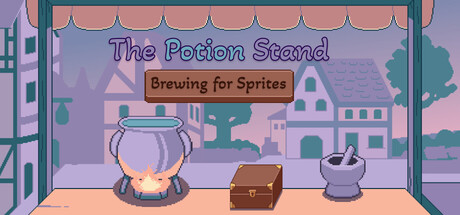 The Potion Stand : Brewing for Sprites In-game content text | I received assistance from text-generative AI (LLM) for the English translation (localization) of all in-game text (dialogues, UI, system messages) and for writing the English description on the Steam store page. | Warm Cup Studio | - | Aug 7, 2026 | |
 1.44MB RESCUE In-game content audioarttext | AI tools were used during development to help compose the soundtrack, draw the pixel art, and draft text (including localization and this store page), all under human direction — every piece was reviewed, curated, and approved by the developer. All content is fixed at build time; the game contains no live or runtime AI generation. | Soarinto Inc. | - | Aug 7, 2026 | |
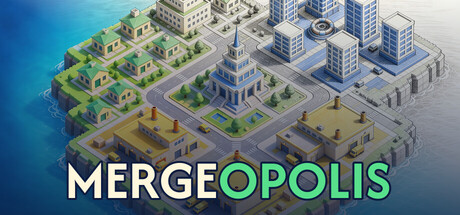 Mergeopolis Dev only | Generative AI was used throughout nearly every aspect of this game's development and production. AI and a human developer formed an unholy union of sound and mind (a merge, if you will) to birth this production.
No generative AI runs during gameplay. Its contributions were created during development. | Obsolete Robot | - | Aug 7, 2026 | |
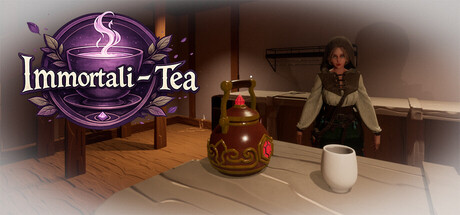 Immortalitea Dev only codeart | I mostly use AI for debugging and I make it document my code for me. I've been using it for placeholder art but intend on replacing all, or at least most of them by release. I use it like a tool I can turn to for general tasks rather then a crutch that does everything. | CronicGames | - | Aug 7, 2026 | |
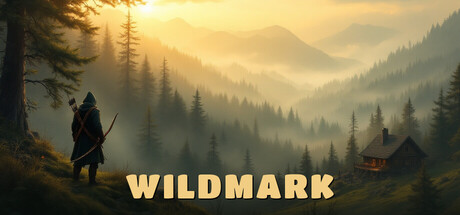 Wildmark In-game content artaudiotext | Wildmark was made by one person. The story and all of its dialogue are my own, written by me. But without a studio's budget to commission artists, composers, and voice actors, I used generative AI tools to help create much of what you see. Nothing ships as a raw, untouched generation: every asset was hand-directed, chosen, refined, and assembled to fit a single cohesive, hand-crafted style and world, and reviewed by me to make sure it belonged. In the end, what matters is whether the game is enjoyable and worth your time, not which tools helped build it. | Jaco Stander | - | Aug 7, 2026 | |
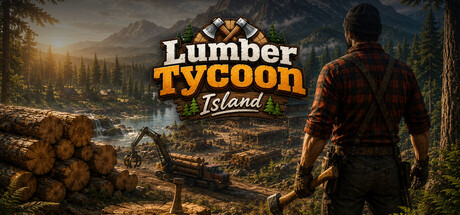 Lumber Tycoon Island In-game content art | The game to contain art assets generated by artificial intelligence | Gamesforgames | 10 | Aug 7, 2026 | |
 Buckaroo In-game content artaudiocode | I’m a web designer by day, and making a game has been a childhood dream of mine. I used generative AI as part of my development process, including helping with code, visual and audio assets. Every asset included in the final game was personally selected, refined by hand, placed, and directed by me to match the game’s overall vision. | Max G Games | - | Aug 7, 2026 | |
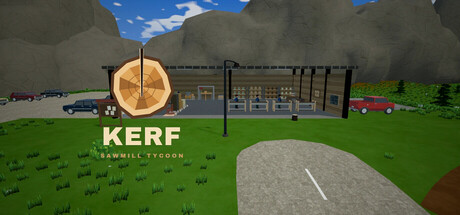 KERF: Sawmill Tycoon In-game content artaudiotextcode | Kerf - Sawmill Tycoon was made almost entirely with AI tools. The developer directed the work, chose what went into the game and approved every result, but did not model, rig or write code by hand. What that means for the content that ships in the game:
- Code: written by an AI coding assistant.
- Characters: generated by an AI 3D tool from AI-generated reference images, then rigged and set up in the game by the AI assistant.
- Other 3D models: some came from an AI 3D tool - a vehicle and environment props such as rocks, mountains and bushes. The rest, including the valley, the buildings, the machines and the trees, were built in 3D software by the AI assistant writing scripts.
- Animation: all character animation was generated with an AI motion tool.
- Music: all of the in-game music was generated with an AI music tool.
- Sound: some sound effects were generated with an AI sound tool; the rest were sourced from sound libraries by the developer.
- Text: the in-game text was written with AI assistance, and the translations from English and Polish into the other 13 supported languages were made with AI.
Everything was reviewed and approved by the developer before release.
No content is generated by AI while the game is running. The Twitch integration only displays messages typed by real viewers. | MGDB Studio | 31 | Aug 7, 2026 | |
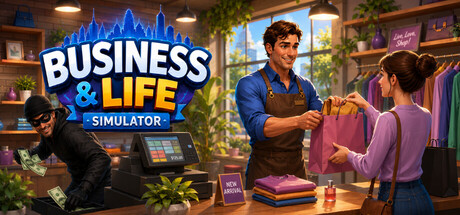 Business And Life Simulator In-game content art | Business And Life Simulator, uses generative AI-assisted artwork in some packaging visuals for in-game products/items. Generative AI is not used in any other part of the game, and we are working to remove these AI-assisted visuals before the full release. | EE GAMES | - | Aug 7, 2026 | |
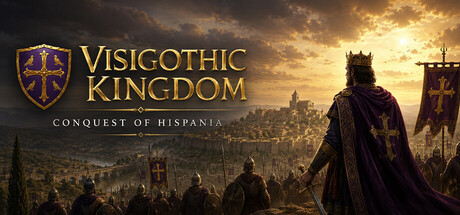 Reino Visigodo: Conquista de Hispania In-game content art | This game was developed with the assistance of generative AI tools during production. AI-generated 2D artwork (building icons, unit portraits, background illustrations, and UI elements) was created and curated by the development team as part of the game's visual assets. AI is not used to generate content dynamically during gameplay -- all art assets are fixed and shipped with the game. In-game opponent behavior uses traditional programmed game logic, not generative AI. | MMF Games | - | Aug 7, 2026 | |
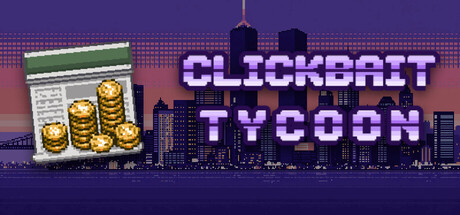 Clickbait Tycoon In-game content art | Many of our icons have been created via generative AI. | FrostyVoid Inc. | - | Aug 7, 2026 | |
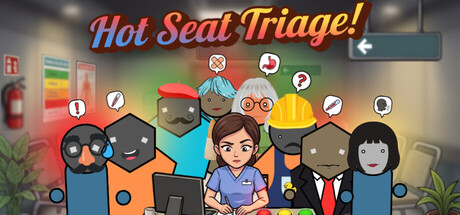 Hot Seat Triage In-game content arttextcode | Hot Seat Triage uses AI tools during development only; the game contains no live AI generation at runtime.
Code: The game's code was written with the assistance of Claude (Anthropic). All AI-assisted code was directed, reviewed and tested by the developer.
Art: The in-game background image was initially generated with Nano Banana 2, then manually edited and finalized by the developer. All other art and UI assets are human-made.
Text: Clinical case scenarios were drafted with AI assistance and then reviewed, corrected and medically approved by the developer, an emergency medicine physician.
Audio: The theme music and some sound effects were created by the developer using Suno.
All AI-assisted content was human-reviewed before inclusion. | System Two Games | - | Aug 7, 2026 | |
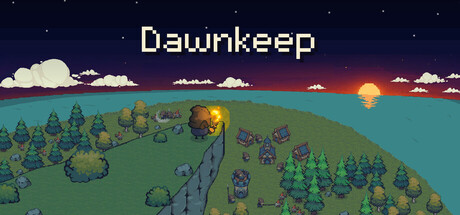 Dawnkeep Dev only codetext | AI tools were used as assistive tools during development, specifically for code writing and text proofreading. No AI-generated content is used in the game's art assets, sound effects, or music. | Zang | - | Aug 7, 2026 | |
 Path to Catakombs Live AI | The game uses AI for procedural dungeon generation, gameplay management, and realistic enemy behavior simulation. | Catakombs | - | Aug 7, 2026 | |
 Bid Wars Dev only | Some assets were created with the help of AI serving mainly as inspiration. | Fat Dragon Studios | - | Aug 7, 2026 | |
 The Berliner In-game content text | Only used for assisting translations, no generative AI is used in the store page or the game assets | Kelt Games | - | Aug 7, 2026 | |
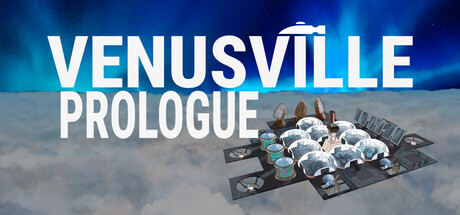 Venusville - Prologue In-game content audio | The voice of R.E.I.K.A, the AI companion character, is generated using AI text-to-speech technology same as the voice lines of the end dialogue; all other game content — code, art, design, and writing — is handmade. | Orbit Start Studios | 14 | Aug 6, 2026 | |
 Cartagol: Football Card Career In-game content artaudiotext | This game was made with the help of generative AI tools:
• 2D art: Some of the game's 2D artwork (backgrounds, UI skins, card and joker illustrations) was created using generative AI, then selected, edited and integrated into the game by hand.
• Commentary: In-match commentary lines were produced with AI text-to-speech. All other sound effects are synthesized procedurally by the game's own code, with no AI involved.
No AI model runs while you play. The game is fully offline and never connects to any server; all of the content above is pre-generated, fixed content created during development. No player data is ever sent to any AI system. | İlker Yelken | - | Aug 6, 2026 | |
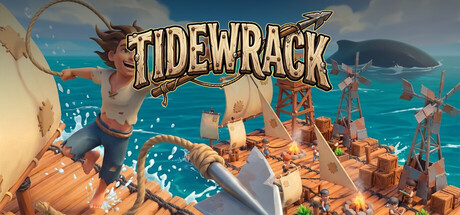 Tidewrack In-game content art | AI-generated 3D models for characters and objects in the game. | OverLKD Studio | - | Aug 5, 2026 | |
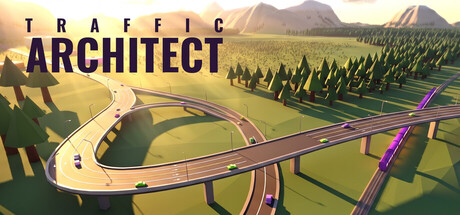 Traffic Architect Store/marketing art | Some store page artwork was created with the assistance of generative AI and manually reviewed and edited. All in-game content and gameplay systems are made by the developer. | Green Signal Games | - | Aug 5, 2026 | |
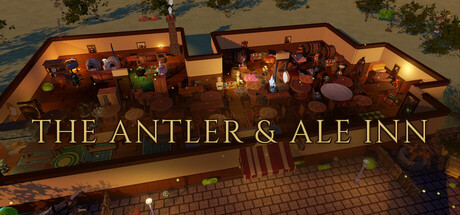 The Antler and Ale Inn In-game content art | Some of this game's assets were made with the assistance of generative AI tools and were reviewed, curated and hand-finished by the developer. No content is generated while you play. | Meridian Studios | - | Aug 5, 2026 | |
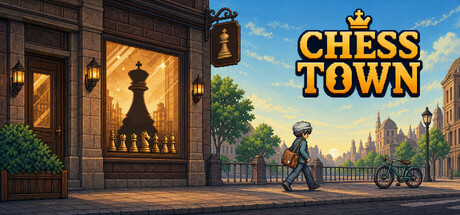 Chess Town Store/marketing art | Generative AI was used to assist in creating selected promotional capsule and library artwork for this Steam store page. These assets were reviewed and selected by the developer. No generative AI features are used during gameplay, and no content is generated at runtime. | Ludo Narrative Lab | - | Aug 5, 2026 | |
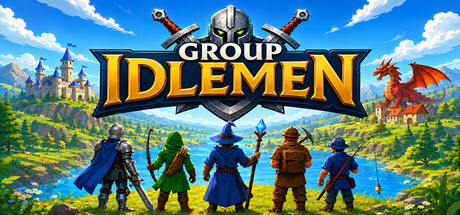 Group Idlemen Dev only artcode | A few small things like code organization & small images. | GroupIdlemen | - | Aug 5, 2026 | |
 CURB SERVICE Dev only code | This is not actually required to disclose but since it crosses the line for some people, I should admit that AI coding tools were used during the game's production.
No AI was used to generate any images, audio, text, or design.
Its purpose was to help code mechanics according to my design, assist in debugging, and (most importantly) eliminate crunch. | GamesCorp | - | Aug 5, 2026 | |
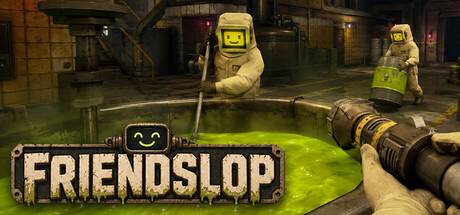 Friendslop In-game content art | Some promotional and store page artwork was created with the assistance of generative AI tools. All in-game art, audio, and text is human-authored. Nothing is generated by AI while you play. | Friendslop Inc | - | Aug 5, 2026 | |
 AI Lab Tycoon Unclear artcode | A limited set of the art and code was generated with help from AI. | BT Games | - | Aug 5, 2026 | |
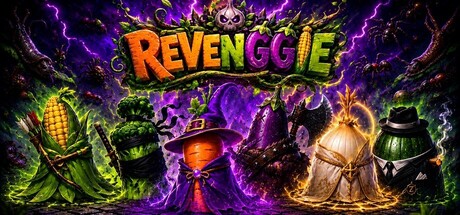 Revenggie In-game content artaudio | Generative AI was used during development to assist in creating certain visual assets, initial 3D model concepts, and the composition of some melodies. All AI-generated content was manually reviewed, edited, refined, and integrated into the game by the developer. All gameplay systems, programming, balancing and game design were created manually. No generative AI is used during gameplay. | Guaraná Games | - | Aug 5, 2026 | |
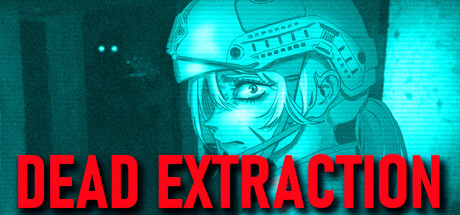 Dead Extraction In-game content artaudiocode | Ai was significantly used in art, programming, music | bleachmama | - | Aug 5, 2026 | |
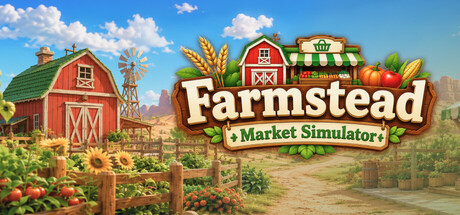 Farmstead Market Simulator Store/marketing art | Generative AI was used to create some promotional artwork for the game’s Steam page. | Harvest Trail | - | Aug 5, 2026 | |
 Venture Capital Tycoon In-game content arttextcode | The game's code, writing (company names, event text, narrative flavor), and 2D art were created during development with AI assistance (Anthropic's Claude), directed, curated, and edited by the developer. All content is pre-generated: the game generates no AI content at runtime and connects to no AI services while you play. | Grackle Industries | - | Aug 5, 2026 | |
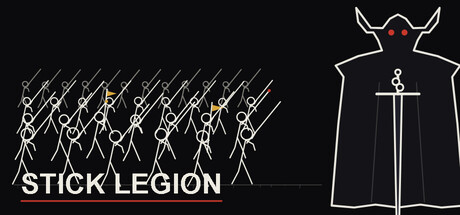 Stick Legion In-game content text | Some of Stick Legion's in-game text and promotional materials were created with the help of generative AI tools, all reviewed and edited by the developer. The game performs no live AI generation during play. | Vanishline Games | - | Aug 5, 2026 | |
 Mercenary Guild Manager In-game content art | Some of the game’s visual assets were created with the assistance of generative AI. All generated artwork is reviewed, edited, refined, and adapted by the development team to maintain a consistent visual identity and ensure that it matches the game’s artistic direction and design choices.
This approach was necessary due to the high cost of commissioning the full amount of artwork required from one or more professional artists or illustrators. Using AI-assisted tools helped keep the project financially viable, speed up production, and bring the game to players sooner while preserving a cohesive and recognizable style. | Code Dunamis | - | Aug 5, 2026 |


