Public Steam disclosure research25,991 disclosures tracked
Where do games disclose AI use?
Search developers’ Steam disclosures, compare classified AI use across
games, and follow recorded changes.
This index adds cross-game classifications and statistics to
statements published on individual store pages.
Groups reflect automatic analysis of public disclosures; mature records are excluded. These counts do not measure AI use across all of Steam.
Missing or unclear statements cannot establish whether a game uses AI.
As a two-person team creating our first game, we used AI tools to assist with certain non-core production tasks to improve efficiency. All content that directly shapes your experience — including character art, CGs, and story — has been manually created, reviewed, and refined by us. We believe the heart of our game lies in the human touch we bring to it, and we hope that shines through in the final experience.
Some user interface elements, such as menus and HUD components, were generated using AI tools and subsequently reviewed and modified before being implemented in the game. AI was also used to assist in the game's creation, such as art, for example.
Some visual assets (pixel art sprites) and music tracks were created with the assistance of AI generation tools during development. All AI-generated content was reviewed and curated by the developer. No AI content is generated during gameplay.
AI tools were used to assist in the creation of some music tracks and visual assets. All AI-generated content was reviewed and refined by the developer.
Some of the character portraits, background images, and item images in this game were generated using niji・journey and Canva AI, and were later refined and edited by an artist.
Artificial intelligence tools were used during certain stages of the development of The Letter as supportive tools to assist the creative process. AI was primarily utilized for concept ideation, early visual references, and iterative design exploration.
These tools helped accelerate prototyping, generate visual inspiration, and assist with writing drafts during early development phases. However, all core gameplay systems, narrative design, environmental storytelling, and final artistic direction were created, reviewed, and curated by the developer.
AI tools were used as creative assistants rather than autonomous content generators, ensuring that the final experience remains a carefully crafted and human-directed project.
The development of the game was supported by AI in some areas to improve efficiency and quality. AI was used to write code and debug, as well as for performance optimization. It also contributed to the creation of 2D graphics for the shop area and the generation of background sounds. In addition, AI played a role in automating translations thus contributing to the realization of the game for a single developer.
Some visual assets used in the game and its marketing materials were initially generated using AI-assisted tools and then modified and integrated into the game by the developer.
The images for the steam store were created using concept images, some of which were ai-generated.
And the text for the steam store page was translated using google translate. Except for english, dutch/nederlands, and german/deutsch.
Generative AI was used during the development of this game for creating initial concepts and draft versions of certain art assets, including the main menu background and UI icons. These assets were then manually refined, polished, and integrated by the developer to fit the game's final aesthetic.
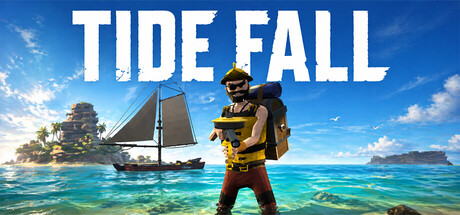
Generative AI was used to assist with some promotional visuals, such as logo and store page imagery. Tide Fall also includes commercially licensed marketplace assets. All gameplay systems and game development are created and implemented by me
AI tools were used during development to assist in creating certain game assets and content, such as visuals and text. All content was reviewed, edited, and integrated by the developer. No AI is used in real-time during gameplay. а переведи мне
The soundtrack/music was made with Suno Pro.
Some sounds were made with Krotos Pro, which is mostly not ai but has ai elements for some sounds.
The sprites were made with Dall-E.
Some visual, audio, and creative assets in Overcommit may be partially created with the assistance of generative AI tools during the development process.
These tools are used to help prototype ideas, generate reference material, or assist in producing certain assets. All generated content is reviewed, edited, and curated by the developer to ensure it fits the game’s artistic style and design.
Generative AI is not used to create gameplay dynamically, and it does not interact with player data.
This game uses generative artificial intelligence (AI) in limited aspects of its development.
Some background images in the game were created with the assistance of AI tools. In addition, AI was used to help translate in-game text into multiple languages. All AI-generated content has been reviewed and integrated by the developer to ensure quality and consistency.
Some visual assets in this game were created with the assistance of AI and further refined by the developer. The game does not use live-generated AI at runtime.
Claude code = Lots of code. Within the game client/server sure, but particularly within our game creation pipeline. It has enabled our artists/unity devs to create their own scripts/tools with blender/unity to streamline our content creation process.
Also, CC used for creating python scripts used for MIDI music composition.
Flux Dev image gen = spell icons.
It did not write this message though :)
AI tools (Claude by Anthropic) were used during development to assist with code generation, debugging, and localization translations. All game design, financial logic, UI/UX decisions, and gameplay mechanics were created and directed by the developer. No AI-generated artwork, music, or narrative content is included in the final product.
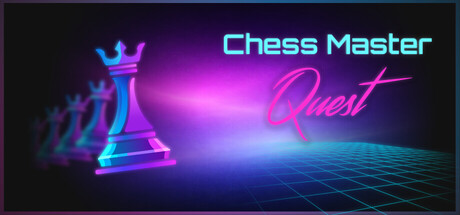
Chess Master Quest was developed by a solo developer with assistance from generative AI tools during development.
• Code: AI coding assistants (GitHub Copilot, Claude) were used to help write and refine parts of the game code. All code was reviewed and tested by the developer.
• Text: AI was used to help draft and edit some in-game text, including puzzle annotations and educational commentary. All text was reviewed and edited by the developer.
No AI-generated visual art or music is used in the game. Chess piece graphics are open-source vector assets. Store capsule images and artwork were created by a professional artist. The chess engine (Stockfish) is traditional software, not generative AI. No content is generated by AI at runtime during gameplay.
Generative AI tools were used during development for portions of the game's code, visuals, and audio. All outputs were reviewed and edited by the developer.
Some visual and audio assets were partially generated with the help of AI tools. These elements represent a small portion of the overall content and were further edited and integrated by the developer. AI was also used to assist with minor code optimization and to translate all in-game dialogue.
Statement Regarding the Use of AI in Development
We maintain a strict and transparent policy regarding the use of AI in our creative process:
【100% Original Human Artistry】
Every character illustration and original soundtrack (BGM) in the game is handcrafted and composed by our development team. These core assets are created "stroke by stroke" and "note by note," with absolutely no AI generation involved.
【Precision Application of AI Technology】
The use of AI is strictly limited to "Game Backgrounds." To ensure a consistent artistic style across diverse real-world locations, we utilize AI solely for stylistic harmonization and animation processing.
【From Reality to Virtual Worlds】
Every background is rooted in reality. Our team personally traveled to each location for on-site photography. These original photos serve as the foundation, which are then stylized via AI to ensure a seamless blend between real-world scenery and our hand-drawn characters. Players can view the original reference photos in the in-game Media Library.
During the Early Access versions of the game AI has and will be used as placeholders, primarily for music and text, that will slowly be phased out over time. The game will be completely AI free upon the games full version release.
AI image generation tools were used to create store page artwork (capsule images, banners). AI was also used to assist with localization for 12 supported languages. All AI-generated content was reviewed and edited by the developer. No AI was used for in-game visual assets, sound effects, or music.
A part of the in-game sprites and item art in this game were generated using AI. As a solo developer, generative AI tools allow me to create a breadth of visual content that would otherwise not have been possible. All assets were carefully selected, curated, and integrated to ensure they align with the game's vision and quality.
As a two-person team creating our first game, we used AI tools to assist with certain non-core production tasks to improve efficiency. All content that directly shapes your experience — including character art, CGs, and story — has been manually created, reviewed, and refined by us. We believe the heart of our game lies in the human touch we bring to it, and we hope that shines through in the final experience.
Some user interface elements, such as menus and HUD components, were generated using AI tools and subsequently reviewed and modified before being implemented in the game. AI was also used to assist in the game's creation, such as art, for example.
Some visual assets (pixel art sprites) and music tracks were created with the assistance of AI generation tools during development. All AI-generated content was reviewed and curated by the developer. No AI content is generated during gameplay.
AI tools were used to assist in the creation of some music tracks and visual assets. All AI-generated content was reviewed and refined by the developer.
Some of the character portraits, background images, and item images in this game were generated using niji・journey and Canva AI, and were later refined and edited by an artist.
Artificial intelligence tools were used during certain stages of the development of The Letter as supportive tools to assist the creative process. AI was primarily utilized for concept ideation, early visual references, and iterative design exploration.
These tools helped accelerate prototyping, generate visual inspiration, and assist with writing drafts during early development phases. However, all core gameplay systems, narrative design, environmental storytelling, and final artistic direction were created, reviewed, and curated by the developer.
AI tools were used as creative assistants rather than autonomous content generators, ensuring that the final experience remains a carefully crafted and human-directed project.
The development of the game was supported by AI in some areas to improve efficiency and quality. AI was used to write code and debug, as well as for performance optimization. It also contributed to the creation of 2D graphics for the shop area and the generation of background sounds. In addition, AI played a role in automating translations thus contributing to the realization of the game for a single developer.
Some visual assets used in the game and its marketing materials were initially generated using AI-assisted tools and then modified and integrated into the game by the developer.
The images for the steam store were created using concept images, some of which were ai-generated.
And the text for the steam store page was translated using google translate. Except for english, dutch/nederlands, and german/deutsch.
Generative AI was used during the development of this game for creating initial concepts and draft versions of certain art assets, including the main menu background and UI icons. These assets were then manually refined, polished, and integrated by the developer to fit the game's final aesthetic.
Generative AI was used to assist with some promotional visuals, such as logo and store page imagery. Tide Fall also includes commercially licensed marketplace assets. All gameplay systems and game development are created and implemented by me
AI tools were used during development to assist in creating certain game assets and content, such as visuals and text. All content was reviewed, edited, and integrated by the developer. No AI is used in real-time during gameplay. а переведи мне
The soundtrack/music was made with Suno Pro.
Some sounds were made with Krotos Pro, which is mostly not ai but has ai elements for some sounds.
The sprites were made with Dall-E.
Some visual, audio, and creative assets in Overcommit may be partially created with the assistance of generative AI tools during the development process.
These tools are used to help prototype ideas, generate reference material, or assist in producing certain assets. All generated content is reviewed, edited, and curated by the developer to ensure it fits the game’s artistic style and design.
Generative AI is not used to create gameplay dynamically, and it does not interact with player data.
This game uses generative artificial intelligence (AI) in limited aspects of its development.
Some background images in the game were created with the assistance of AI tools. In addition, AI was used to help translate in-game text into multiple languages. All AI-generated content has been reviewed and integrated by the developer to ensure quality and consistency.
Some visual assets in this game were created with the assistance of AI and further refined by the developer. The game does not use live-generated AI at runtime.
Claude code = Lots of code. Within the game client/server sure, but particularly within our game creation pipeline. It has enabled our artists/unity devs to create their own scripts/tools with blender/unity to streamline our content creation process.
Also, CC used for creating python scripts used for MIDI music composition.
Flux Dev image gen = spell icons.
It did not write this message though :)
AI tools (Claude by Anthropic) were used during development to assist with code generation, debugging, and localization translations. All game design, financial logic, UI/UX decisions, and gameplay mechanics were created and directed by the developer. No AI-generated artwork, music, or narrative content is included in the final product.
Chess Master Quest was developed by a solo developer with assistance from generative AI tools during development.
• Code: AI coding assistants (GitHub Copilot, Claude) were used to help write and refine parts of the game code. All code was reviewed and tested by the developer.
• Text: AI was used to help draft and edit some in-game text, including puzzle annotations and educational commentary. All text was reviewed and edited by the developer.
No AI-generated visual art or music is used in the game. Chess piece graphics are open-source vector assets. Store capsule images and artwork were created by a professional artist. The chess engine (Stockfish) is traditional software, not generative AI. No content is generated by AI at runtime during gameplay.
Generative AI tools were used during development for portions of the game's code, visuals, and audio. All outputs were reviewed and edited by the developer.
Some visual and audio assets were partially generated with the help of AI tools. These elements represent a small portion of the overall content and were further edited and integrated by the developer. AI was also used to assist with minor code optimization and to translate all in-game dialogue.
Statement Regarding the Use of AI in Development
We maintain a strict and transparent policy regarding the use of AI in our creative process:
【100% Original Human Artistry】
Every character illustration and original soundtrack (BGM) in the game is handcrafted and composed by our development team. These core assets are created "stroke by stroke" and "note by note," with absolutely no AI generation involved.
【Precision Application of AI Technology】
The use of AI is strictly limited to "Game Backgrounds." To ensure a consistent artistic style across diverse real-world locations, we utilize AI solely for stylistic harmonization and animation processing.
【From Reality to Virtual Worlds】
Every background is rooted in reality. Our team personally traveled to each location for on-site photography. These original photos serve as the foundation, which are then stylized via AI to ensure a seamless blend between real-world scenery and our hand-drawn characters. Players can view the original reference photos in the in-game Media Library.
During the Early Access versions of the game AI has and will be used as placeholders, primarily for music and text, that will slowly be phased out over time. The game will be completely AI free upon the games full version release.
AI image generation tools were used to create store page artwork (capsule images, banners). AI was also used to assist with localization for 12 supported languages. All AI-generated content was reviewed and edited by the developer. No AI was used for in-game visual assets, sound effects, or music.
A part of the in-game sprites and item art in this game were generated using AI. As a solo developer, generative AI tools allow me to create a breadth of visual content that would otherwise not have been possible. All assets were carefully selected, curated, and integrated to ensure they align with the game's vision and quality.