Public Steam disclosure research25,376 disclosures tracked
Where do games disclose AI use?
Search developers’ Steam disclosures, compare classified AI use across
games, and follow recorded changes.
This index adds cross-game classifications and statistics to
statements published on individual store pages.
Groups reflect automatic analysis of public disclosures; mature records are excluded. These counts do not measure AI use across all of Steam.
Missing or unclear statements cannot establish whether a game uses AI.
Generative AI tools were used extensively throughout development. Most of the game's visual content, user interface, written text, audio, narrative and localization, and program code were created with the assistance of generative AI, then selected, edited, integrated, and refined by the developer. Generative AI is used only during development. The game does not connect to AI services or generate content in real time during gameplay.
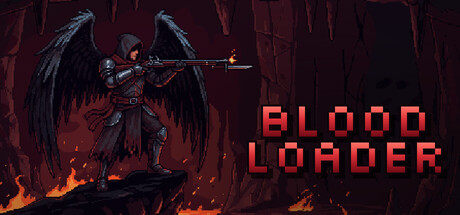
Bloodloader was made by one developer with generative AI tools in the pipeline. Character, enemy and item sprites, tiles, icons and the store key art began as AI generations (PixelLab) and were selected, cleaned up, recoloured and assembled by the developer. Sound effects and music were generated with ElevenLabs and edited into final effects and seamless loops. Some in-game text was drafted with AI assistance and edited by the developer. Nothing is generated while you play.
AI was used as a support tool during development (code assistance and initial image generation). All artwork was individually reworked by hand, and no content is generated live during gameplay.
The store capsule artwork (and the app/shortcut icons cropped from it) was created with AI image generation tools. All in-game content — art, models, audio, writing — was not AI generated.
An AI coding assistant (Claude, Anthropic) was used under the developer's direction to help write the game's code, some in-game text and the note tables of its music, which is then rendered by our own synthesis code and a licensed instrument sample library. No audio-generation, image-generation or voice models were used: no AI-generated artwork, 3D models, voice or sound recordings ship in the game, on the store page or in marketing materials. Every shipped track is logged in a provenance ledger and checked against YouTube Content ID
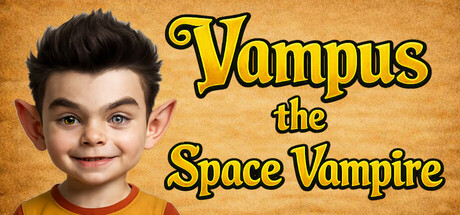
All characters, creatures and the world of Vampus are designed and art-directed by the developer, a visual artist. Many designs started from the developer's own drawings and paintings. Generative AI tools (Microsoft Copilot and Meshy) were used to develop some of the designs and to turn them into 3D models and textures. Story and music are made by the developer.
Generative AI tools were used as development assistants for selected visual assets, code, and localization drafts. All AI-assisted outputs were reviewed, edited, adapted, and integrated by the development team. The final creative direction, game design, implementation, and quality control were handled by humans. No content is generated by AI during gameplay.
Some of the game's pre-rendered assets were created with generative AI tools during development and then reviewed, edited and integrated by the developer: parts of the pixel art, parts of the sound effects, and the translations from the English original. Nothing is generated while you play: the game uses no AI at runtime and collects no player data for AI training.
Generative AI was used during development to help create some visual and audio assets, dialogue, and translations. This content was selected and edited during development and incorporated into the game. No content is generated by AI in real time during gameplay.
Generative AI was used during development to create 3D models, music, sound effects, and promotional artwork, and to assist with localization, store-page text, and the implementation of game logic and code. This content and code are prepared during development. The game does not generate content or code using AI or connect to external AI services during gameplay.
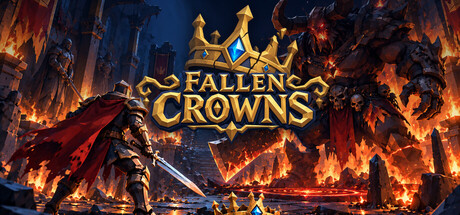
Some artwork and marketing assets for Fallen Crowns were created with the assistance of generative AI tools. All AI-assisted assets were reviewed and edited by the developer before inclusion. The game does not use AI to generate content live during gameplay.
Logo/branding art: The game's logo and some promotional material was generated using an AI image generation tool.
Modeling: A handfull of props where generated using AI.
Localization: In-game text (menus, UI, dialogue, and other player-facing strings) has been translated into additional languages using AI translation tools, so accuracy and natural phrasing may vary by language.
Some promotional artwork on this store page was created using generative AI tools. All in-game assets (characters, environments, effects) are original or licensed third-party content.
As a solo developer with a big dream and limited resources, I want to be entirely upfront how this game was built. The vast majority of this game is completely human-made: I crafted the pixel characters, animations, code, and story over the past 10 years. I also utilized incredible royalty-free and purchased assets from human creators like gyvr, Eunity, RafaelMatos, penusbmic, Winlu, Geoff Harvey.
The use of generative AI was for touching up and refining the marketing capsule images using Adobe Photoshop tools.
Generative AI was used during development to create visual assets, including illustrations and backgrounds, produce background music, and translate in-game text. Images created using generative AI are also used on the Steam store page and in promotional materials. No content is generated using AI during gameplay.
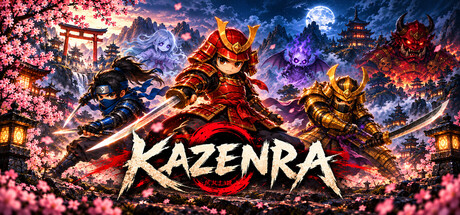
Some visual and text content in KAZENRA was created or refined with the assistance of generative AI tools during development. All such content was reviewed, selected, edited, and integrated by the developer before release. The game does not generate AI content during gameplay.
Some of the game's content was created with the help of generative AI tools and then edited, cleaned up, rigged, animated and integrated by the developer. This includes 3D models of characters and enemies, 2D art such as ability icons, UI elements and some store page artwork, sound effects, and parts of the store page text. All gameplay, design, balance and final assembly were done by the developer.
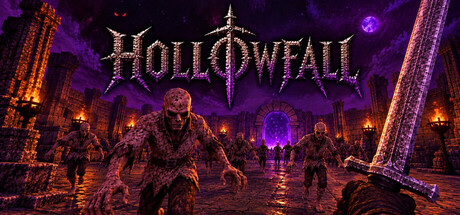
Generative AI tools were used during development to assist with the creation of certain pre-generated visual and 3D art assets used in the game. AI-assisted content is reviewed, selected, edited, and integrated by the developer. Hollowfall does not generate AI content during gameplay.
Pre-generated AI content includes equipment illustrations, skill icons, clothing surface textures, short English character-selection voice lines, and Steam capsule and library artwork. AI tools also assisted with store-page text and translations. The game does not generate AI content or connect to AI services during gameplay.
Pre-generated generative AI was used in the development of game code, visual assets, character portraits, promotional artwork, and portions of text and localization.
The game's 2D artwork (characters, environments, and title lettering) and music were created with the assistance of generative AI tools, then curated, edited, and animated by the developer. All AI-assisted content is pre-rendered; nothing is generated by AI while you play.
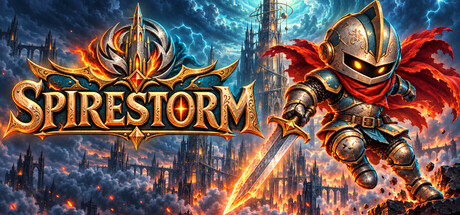
Spirestorm uses pre-generated AI-assisted artwork for characters, enemies, environments, interface illustrations, and promotional images. These assets were selected, edited, animated, and integrated during development. No AI content is generated during gameplay.
Some of the artwork in this game was created with the assistance of generative AI tools. This includes character and enemy models, visual effects, skill icons, and key art. All generated material was reviewed, edited, and integrated by the developer. No AI-generated content is produced while the game is running.
The game's pixel art sprites and visual effects, the store capsule art and logo, and the music were created with the help of generative AI tools, then selected, edited and integrated by the developer. The store page text and its Chinese translation were drafted with AI assistance and reviewed by the developer. All content is pre-generated; nothing is generated while the game is running.
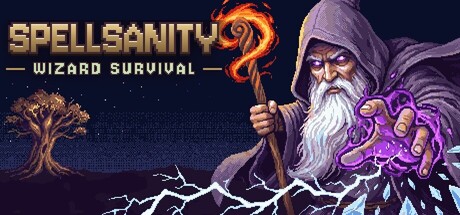
Spellsanity is made by one person and uses generative AI as a tool, not as a substitute for design.
Art: Much of the pixel art (enemies, bosses, characters, portraits, story stills, environment details) was produced with AI image generators and then reworked by hand: reduced to the game's colour palette, corrected pixel by pixel, animated and fitted into the game. Some of the art (surfaces, effects, UI frames) was drawn without AI or generated procedurally.
Text: Dialogue, descriptions and help texts were written with AI assistance and revised by the developer. The translations from English (German, Spanish, Portuguese, Russian, Chinese) were produced with AI and spot-checked; please report mistakes.
Code: AI assistants were used during programming.
Music and sound are not AI: the music is licensed work by Kevin MacLeod (incompetech.com), the sound effects are synthesized.
No AI runs inside the game. All content is shipped with the game and was reviewed before release; nothing is generated at runtime.
Generative AI tools were used throughout development: the game's code and its in-game text, the paintings, icons and interface art, the 3D models, and the music and sound effects. Everything was reviewed, edited and tested, and ships as fixed content. Nothing is generated while you play: the game runs no model and makes no network call.
We use generative AI as a reference and drafting tool, and always finish by hand. Early in development we generated AI concept images to explore ideas and mood; those are reference only. All in-game models, animation and UI are built by hand in 3D by the two of us. Some in-game textures were first generated with AI as a guide and then retouched by hand. The store key art is rendered from the game's own 3D characters and scenes, run through an AI tool for style, then composited and retouched by hand. Store text was drafted with an AI assistant and rewritten by us. The game does not use generative AI while you play.
Some of the game's artwork was created with the help of an AI image model and then curated, edited and composited by the developer: companion and character portraits, boss and zone art, and the store page key art. Some in-game item and companion descriptions and patch notes were drafted with AI writing assistance and reviewed by the developer. The game does not generate content with AI while you play and does not connect to any AI service during gameplay.
Generative AI tools were used extensively throughout development. Most of the game's visual content, user interface, written text, audio, narrative and localization, and program code were created with the assistance of generative AI, then selected, edited, integrated, and refined by the developer. Generative AI is used only during development. The game does not connect to AI services or generate content in real time during gameplay.
Bloodloader was made by one developer with generative AI tools in the pipeline. Character, enemy and item sprites, tiles, icons and the store key art began as AI generations (PixelLab) and were selected, cleaned up, recoloured and assembled by the developer. Sound effects and music were generated with ElevenLabs and edited into final effects and seamless loops. Some in-game text was drafted with AI assistance and edited by the developer. Nothing is generated while you play.
AI was used as a support tool during development (code assistance and initial image generation). All artwork was individually reworked by hand, and no content is generated live during gameplay.
The store capsule artwork (and the app/shortcut icons cropped from it) was created with AI image generation tools. All in-game content — art, models, audio, writing — was not AI generated.
An AI coding assistant (Claude, Anthropic) was used under the developer's direction to help write the game's code, some in-game text and the note tables of its music, which is then rendered by our own synthesis code and a licensed instrument sample library. No audio-generation, image-generation or voice models were used: no AI-generated artwork, 3D models, voice or sound recordings ship in the game, on the store page or in marketing materials. Every shipped track is logged in a provenance ledger and checked against YouTube Content ID
All characters, creatures and the world of Vampus are designed and art-directed by the developer, a visual artist. Many designs started from the developer's own drawings and paintings. Generative AI tools (Microsoft Copilot and Meshy) were used to develop some of the designs and to turn them into 3D models and textures. Story and music are made by the developer.
Generative AI tools were used as development assistants for selected visual assets, code, and localization drafts. All AI-assisted outputs were reviewed, edited, adapted, and integrated by the development team. The final creative direction, game design, implementation, and quality control were handled by humans. No content is generated by AI during gameplay.
Some of the game's pre-rendered assets were created with generative AI tools during development and then reviewed, edited and integrated by the developer: parts of the pixel art, parts of the sound effects, and the translations from the English original. Nothing is generated while you play: the game uses no AI at runtime and collects no player data for AI training.
Generative AI was used during development to help create some visual and audio assets, dialogue, and translations. This content was selected and edited during development and incorporated into the game. No content is generated by AI in real time during gameplay.
Generative AI was used during development to create 3D models, music, sound effects, and promotional artwork, and to assist with localization, store-page text, and the implementation of game logic and code. This content and code are prepared during development. The game does not generate content or code using AI or connect to external AI services during gameplay.
Some artwork and marketing assets for Fallen Crowns were created with the assistance of generative AI tools. All AI-assisted assets were reviewed and edited by the developer before inclusion. The game does not use AI to generate content live during gameplay.
Logo/branding art: The game's logo and some promotional material was generated using an AI image generation tool.
Modeling: A handfull of props where generated using AI.
Localization: In-game text (menus, UI, dialogue, and other player-facing strings) has been translated into additional languages using AI translation tools, so accuracy and natural phrasing may vary by language.
Some promotional artwork on this store page was created using generative AI tools. All in-game assets (characters, environments, effects) are original or licensed third-party content.
As a solo developer with a big dream and limited resources, I want to be entirely upfront how this game was built. The vast majority of this game is completely human-made: I crafted the pixel characters, animations, code, and story over the past 10 years. I also utilized incredible royalty-free and purchased assets from human creators like gyvr, Eunity, RafaelMatos, penusbmic, Winlu, Geoff Harvey.
The use of generative AI was for touching up and refining the marketing capsule images using Adobe Photoshop tools.
Generative AI was used during development to create visual assets, including illustrations and backgrounds, produce background music, and translate in-game text. Images created using generative AI are also used on the Steam store page and in promotional materials. No content is generated using AI during gameplay.
Some visual and text content in KAZENRA was created or refined with the assistance of generative AI tools during development. All such content was reviewed, selected, edited, and integrated by the developer before release. The game does not generate AI content during gameplay.
Some of the game's content was created with the help of generative AI tools and then edited, cleaned up, rigged, animated and integrated by the developer. This includes 3D models of characters and enemies, 2D art such as ability icons, UI elements and some store page artwork, sound effects, and parts of the store page text. All gameplay, design, balance and final assembly were done by the developer.
Generative AI tools were used during development to assist with the creation of certain pre-generated visual and 3D art assets used in the game. AI-assisted content is reviewed, selected, edited, and integrated by the developer. Hollowfall does not generate AI content during gameplay.
Pre-generated AI content includes equipment illustrations, skill icons, clothing surface textures, short English character-selection voice lines, and Steam capsule and library artwork. AI tools also assisted with store-page text and translations. The game does not generate AI content or connect to AI services during gameplay.
Pre-generated generative AI was used in the development of game code, visual assets, character portraits, promotional artwork, and portions of text and localization.
The game's 2D artwork (characters, environments, and title lettering) and music were created with the assistance of generative AI tools, then curated, edited, and animated by the developer. All AI-assisted content is pre-rendered; nothing is generated by AI while you play.
Spirestorm uses pre-generated AI-assisted artwork for characters, enemies, environments, interface illustrations, and promotional images. These assets were selected, edited, animated, and integrated during development. No AI content is generated during gameplay.
Some of the artwork in this game was created with the assistance of generative AI tools. This includes character and enemy models, visual effects, skill icons, and key art. All generated material was reviewed, edited, and integrated by the developer. No AI-generated content is produced while the game is running.
The game's pixel art sprites and visual effects, the store capsule art and logo, and the music were created with the help of generative AI tools, then selected, edited and integrated by the developer. The store page text and its Chinese translation were drafted with AI assistance and reviewed by the developer. All content is pre-generated; nothing is generated while the game is running.
Spellsanity is made by one person and uses generative AI as a tool, not as a substitute for design.
Art: Much of the pixel art (enemies, bosses, characters, portraits, story stills, environment details) was produced with AI image generators and then reworked by hand: reduced to the game's colour palette, corrected pixel by pixel, animated and fitted into the game. Some of the art (surfaces, effects, UI frames) was drawn without AI or generated procedurally.
Text: Dialogue, descriptions and help texts were written with AI assistance and revised by the developer. The translations from English (German, Spanish, Portuguese, Russian, Chinese) were produced with AI and spot-checked; please report mistakes.
Code: AI assistants were used during programming.
Music and sound are not AI: the music is licensed work by Kevin MacLeod (incompetech.com), the sound effects are synthesized.
No AI runs inside the game. All content is shipped with the game and was reviewed before release; nothing is generated at runtime.
Generative AI tools were used throughout development: the game's code and its in-game text, the paintings, icons and interface art, the 3D models, and the music and sound effects. Everything was reviewed, edited and tested, and ships as fixed content. Nothing is generated while you play: the game runs no model and makes no network call.
We use generative AI as a reference and drafting tool, and always finish by hand. Early in development we generated AI concept images to explore ideas and mood; those are reference only. All in-game models, animation and UI are built by hand in 3D by the two of us. Some in-game textures were first generated with AI as a guide and then retouched by hand. The store key art is rendered from the game's own 3D characters and scenes, run through an AI tool for style, then composited and retouched by hand. Store text was drafted with an AI assistant and rewritten by us. The game does not use generative AI while you play.
Some of the game's artwork was created with the help of an AI image model and then curated, edited and composited by the developer: companion and character portraits, boss and zone art, and the store page key art. Some in-game item and companion descriptions and patch notes were drafted with AI writing assistance and reviewed by the developer. The game does not generate content with AI while you play and does not connect to any AI service during gameplay.