Public Steam disclosure research25,376 disclosures tracked
Where do games disclose AI use?
Search developers’ Steam disclosures, compare classified AI use across
games, and follow recorded changes.
This index adds cross-game classifications and statistics to
statements published on individual store pages.
Groups reflect automatic analysis of public disclosures; mature records are excluded. These counts do not measure AI use across all of Steam.
Missing or unclear statements cannot establish whether a game uses AI.
Gurafikku no kiso o jibun de sakusei shita ato, komakai seisho, ryōsan ni AI o shiyō shite imasu. Saundo ni kanshite wa, shōyō riyōna AI seisei no saito nite seisei shita mono o shiyō shite imasu.
81
I create the basic graphics myself, then use AI for detailed refinement and mass production.
For sound, I use assets generated on AI platforms that permit commercial use.
Some assets and localization content in Idle Clicker Tower were created with the support of generative artificial intelligence tools during development. This includes assistance with translations and localized text for all supported languages. All content included in the final version was manually reviewed, selected, corrected, and edited to ensure visual consistency, linguistic accuracy, quality, and suitability for the final product.
Generative AI was used during development to create in-game collectible cover artwork, as well as store and marketing artwork and text. These assets are prepared in advance. The game does not generate AI content during gameplay or connect to a live AI service.
This game uses AI as a development aid. The English and Chinese translations (in-game and on the store page) were produced with AI. Some of the in-game music, sound effects and art are generated by programs written with the help of AI. No content is generated by AI during play.
Generative AI tools were used during development to create selected visual assets and music. All generated content was reviewed, selected, edited where necessary, and integrated by the developer.
Pre-generated AI content was used for some menu and HUD artwork, promotional images, and recorded narrator and radio voice clips. These assets were reviewed and integrated during development. The game does not generate AI content at runtime or connect to external AI services.
Generative AI tools were used to assist in the creation and refinement of selected visual assets, including Steam store artwork, promotional graphics, and some graphical elements. All AI-assisted content was reviewed and curated by the developer before being used. The game does not use generative AI to create content in real time during gameplay.
Generative AI was used during development to create, pixel artwork, music and written content under our concept and design direction. The game contains pre-generated content only; it does not generate AI content during play.
Generative AI was used only to assist with localization and translation into English, Simplified Chinese, Traditional Chinese, and Korean. The original story, artwork, audio, and other game assets were not generated using AI. No live-generated AI content is used in the game.
Some of the promotional and storefront images were created with AI tools and then refined by hand. All of the in-game assets were designed by a Pixel Art artist.
Some art assets of this game were generated with generative AI assistance during development, including character and enemy portraits, card illustrations, icons, chapter backgrounds, UI elements, comic storyboards, and store page promotional images. All assets were generated following directions set by the developer. Every asset was manually screened, edited and adjusted one by one before integration into the game. No AI-generated assets are used without human review.
The game's characters, environment tiles, and totem were created by the developer in Aseprite. Additional enemy variants and animation frames were produced with the help of an AI coding assistant that draws sprites programmatically from authored pixel data. The menu music was created with the help of AI music tools. All promotional and store artwork was created by a human artist. No content is generated by AI while the game is running.
About half of the background and prop pixel art was created with generative AI image tools and then edited by the developer. Character art is mostly hand-drawn.
Some content in this game was created with the help of AI tools during development: the English and Japanese translations, the store page text, and parts of the pixel art, which is drawn in code written with an AI coding assistant. The game does not use AI to generate any content while you play.
All character and monster art is hand-drawn pixel art (MiniKyara by Atelier Pixerelia), not AI-generated. AI helped with the text, translations and sound. Nothing is generated by AI while you play.
Some sprite artwork was created with generative AI tools during development. SPLIT-S does not generate AI content during gameplay or connect to external AI services.
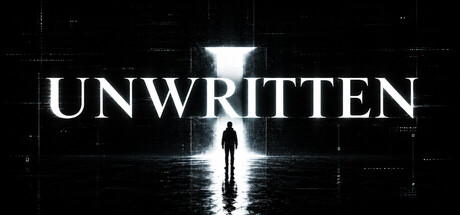
Unwritten uses generative AI as part of its core gameplay. AI systems interpret the player's freely written actions and generate narrative responses within an authored world, story and set of rules. AI inference runs locally on the player's computer.
We use AI tools to make some of the game's art, sound, voices and writing. Every result was reviewed and edited before it went into the game.
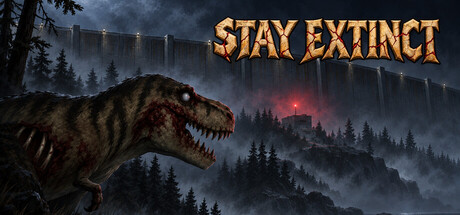
- 3D models: most creature and character bodies (dinosaurs, Ice Age animals, wildlife, the infected, the customisable human bodies, hairstyles and hats) and some props and plants were generated with Tripo through Unity AI, from reference images made with OpenAI GPT Image. They were then cleaned up, rigged and fitted to the game's style.
- Textures: the dinosaur hides and the human characters' faces, skin, clothing and infection damage were painted with the help of GPT Image.
- Illustrations: the field guide's species plates were generated with GPT Image from renders of the in-game models.
- Sound: the calls of the mammoths, giant elk, ground sloths and sauropods were generated with Unity AI sound generation.
- Voices: the radio voices (the island broadcasts, the voice on the collection frequency and the facility's recorded messages) and the skipper's two lines in the opening scene are AI voices, made with ElevenLabs Eleven v4 text-to-speech from the game's own script. Face-to-face dialogue and the tapes are not voiced.
- Writing: in-game text (dialogue, records and descriptions) and this store page were drafted with AI writing assistance and edited by the developer.
- Store art: the capsule and library artwork and the logo were generated with GPT Image. They are illustrations, not screenshots. The screenshots, trailers and About clips are in-engine footage with licensed music and sound effects; any voices, herd calls, logo or artwork in the trailers are the AI content listed above.
Buildings, vehicles, weapons, most props, the music, most sound effects and all animation come from licensed asset packs (a few animation clips are adapted from them). The interface was built for the game. The game generates no AI content while you play.
Every part of this game's concept, design, and features was created by humans. The ideas, the gameplay, the look and feel, and every decision about how it all fits together came from us.
For the programming itself, we use AI coding agents to help us write code. They speed up development and let us focus our time on what matters most: making the game fun to play.
We don’t particularly like using AI.
Unfortunately, we are a small indie studio made of programmers and designers who are currently somewhere between “making a game” and “having existential crises”.
So, for now, we use AI to help us with some parts of our daily work and to bring some of our music, ideas, and inspirations to life.
But don’t worry, we haven’t handed over the steering wheel to the robots just yet.
Our project, its identity, and its originality are still created and directed by us. AI is simply one of the tools helping us survive the development process while our budget is busy pretending it doesn’t exist.
As soon as we have the resources to replace AI with our own human made work, we absolutely intend to do so.
Until then, we’re just a bunch of indie developers trying to make something cool before our refrigerators become purely decorative objects.
Glyphtrip is made by a studio of three: one human and two silicon genius-toddlers. The soundtrack stems were generated with AI and mixed and mastered by hand. The translations and custom font were made with AI.
All visual assets, audio, text, and promotional materials in this game were created using generative AI tools. The developer selected, edited, refined, and integrated the generated content into the final game. The game does not use generative AI to generate content in real time during gameplay.
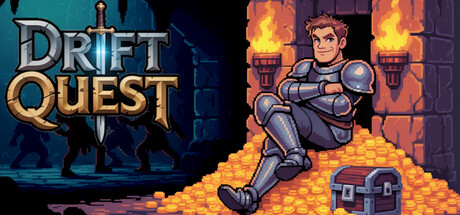
Generative AI was used to create the background artwork in the Steam store and library images, and the Drift Quest logo, which also appears in the game. AI tools were also used during development: AI coding assistants helped write the game's code, the store description was written with AI assistance, and the game and store texts were translated into 29 languages and reviewed with AI. AI also helped write some of the game's English text, such as quest, item and spell names. The in-game interface and icon art comes from licensed asset packs, and the music is licensed from Phat Phrog Studios. No content is generated by AI while you play.
"Generative artificial intelligence was used to create visual assets for the game, including illustrations for the store page, promotional materials, and in-game graphic elements."
Generative AI tools were used during development to assist in the creation of selected visual, audio, and text assets. All AI-assisted content was reviewed, curated, and integrated by the development team. The game does not generate AI content during gameplay.
Generative AI tools were used during the development of MEAM Launcher and some of the included games.
AI-assisted and AI-generated content may include character and environment concepts, images, textures, 3D models, visual assets, music, sound effects, text, dialogue, code, and other development assets. AI tools were also used to assist with programming, prototyping, troubleshooting, game development, and general creative development.
All AI-generated or AI-assisted content was reviewed, selected, edited, implemented, and/or further developed by the developer before being included in the final product.
MEAM Launcher does not use generative AI to create content dynamically during gameplay. The AI usage described above relates to content and development work created before distribution of the software.
This game uses generative AI as part of its content creation pipeline. Some elements of the store page cover art were generated using AI and then combined with additional artwork created by our designer. Certain in-game environment textures were processed using AI-assisted tools as part of the texturing workflow. Character voices were recorded by our own team and then processed with AI-based voice conversion to transform them into different character voices. All AI-assisted content was reviewed and refined by our team before being included in the final game.
The operator portraits in-game are procedurally drawn, but their designs were based on AI-generated reference art. The full body operators in the promo images were also AI-generated.
Some of the game's pre-rendered assets were created with generative AI tools during development and then reviewed, edited and integrated by the developer: parts of the pixel art, parts of the sound effects, and the translations from the English original. Nothing is generated while you play: the game uses no AI at runtime and collects no player data for AI training.
We use our own created small local generative AI models to create Artworks in realtime. Local LLM's are used to interact with the NPC's Text based (Input / Output) in realtime.
Be aware that realtime AI can make mistakes. We put a lot of effort into to make it work properly, but there can still be issues. No external AI models needed so your data stays on your own Computer!
We generally used AI assistance to create Assets in the game, most Assets where highly edited from Human Authoring.
The game was created by strong directed human vision, so everything is unique and my own idea!
Gurafikku no kiso o jibun de sakusei shita ato, komakai seisho, ryōsan ni AI o shiyō shite imasu. Saundo ni kanshite wa, shōyō riyōna AI seisei no saito nite seisei shita mono o shiyō shite imasu.
81
I create the basic graphics myself, then use AI for detailed refinement and mass production.
For sound, I use assets generated on AI platforms that permit commercial use.
Some assets and localization content in Idle Clicker Tower were created with the support of generative artificial intelligence tools during development. This includes assistance with translations and localized text for all supported languages. All content included in the final version was manually reviewed, selected, corrected, and edited to ensure visual consistency, linguistic accuracy, quality, and suitability for the final product.
Generative AI was used during development to create in-game collectible cover artwork, as well as store and marketing artwork and text. These assets are prepared in advance. The game does not generate AI content during gameplay or connect to a live AI service.
This game uses AI as a development aid. The English and Chinese translations (in-game and on the store page) were produced with AI. Some of the in-game music, sound effects and art are generated by programs written with the help of AI. No content is generated by AI during play.
Generative AI tools were used during development to create selected visual assets and music. All generated content was reviewed, selected, edited where necessary, and integrated by the developer.
Pre-generated AI content was used for some menu and HUD artwork, promotional images, and recorded narrator and radio voice clips. These assets were reviewed and integrated during development. The game does not generate AI content at runtime or connect to external AI services.
Generative AI tools were used to assist in the creation and refinement of selected visual assets, including Steam store artwork, promotional graphics, and some graphical elements. All AI-assisted content was reviewed and curated by the developer before being used. The game does not use generative AI to create content in real time during gameplay.
Generative AI was used during development to create, pixel artwork, music and written content under our concept and design direction. The game contains pre-generated content only; it does not generate AI content during play.
Generative AI was used only to assist with localization and translation into English, Simplified Chinese, Traditional Chinese, and Korean. The original story, artwork, audio, and other game assets were not generated using AI. No live-generated AI content is used in the game.
Some of the promotional and storefront images were created with AI tools and then refined by hand. All of the in-game assets were designed by a Pixel Art artist.
Some art assets of this game were generated with generative AI assistance during development, including character and enemy portraits, card illustrations, icons, chapter backgrounds, UI elements, comic storyboards, and store page promotional images. All assets were generated following directions set by the developer. Every asset was manually screened, edited and adjusted one by one before integration into the game. No AI-generated assets are used without human review.
The game's characters, environment tiles, and totem were created by the developer in Aseprite. Additional enemy variants and animation frames were produced with the help of an AI coding assistant that draws sprites programmatically from authored pixel data. The menu music was created with the help of AI music tools. All promotional and store artwork was created by a human artist. No content is generated by AI while the game is running.
About half of the background and prop pixel art was created with generative AI image tools and then edited by the developer. Character art is mostly hand-drawn.
Some content in this game was created with the help of AI tools during development: the English and Japanese translations, the store page text, and parts of the pixel art, which is drawn in code written with an AI coding assistant. The game does not use AI to generate any content while you play.
All character and monster art is hand-drawn pixel art (MiniKyara by Atelier Pixerelia), not AI-generated. AI helped with the text, translations and sound. Nothing is generated by AI while you play.
Some sprite artwork was created with generative AI tools during development. SPLIT-S does not generate AI content during gameplay or connect to external AI services.
Unwritten uses generative AI as part of its core gameplay. AI systems interpret the player's freely written actions and generate narrative responses within an authored world, story and set of rules. AI inference runs locally on the player's computer.
We use AI tools to make some of the game's art, sound, voices and writing. Every result was reviewed and edited before it went into the game.
- 3D models: most creature and character bodies (dinosaurs, Ice Age animals, wildlife, the infected, the customisable human bodies, hairstyles and hats) and some props and plants were generated with Tripo through Unity AI, from reference images made with OpenAI GPT Image. They were then cleaned up, rigged and fitted to the game's style.
- Textures: the dinosaur hides and the human characters' faces, skin, clothing and infection damage were painted with the help of GPT Image.
- Illustrations: the field guide's species plates were generated with GPT Image from renders of the in-game models.
- Sound: the calls of the mammoths, giant elk, ground sloths and sauropods were generated with Unity AI sound generation.
- Voices: the radio voices (the island broadcasts, the voice on the collection frequency and the facility's recorded messages) and the skipper's two lines in the opening scene are AI voices, made with ElevenLabs Eleven v4 text-to-speech from the game's own script. Face-to-face dialogue and the tapes are not voiced.
- Writing: in-game text (dialogue, records and descriptions) and this store page were drafted with AI writing assistance and edited by the developer.
- Store art: the capsule and library artwork and the logo were generated with GPT Image. They are illustrations, not screenshots. The screenshots, trailers and About clips are in-engine footage with licensed music and sound effects; any voices, herd calls, logo or artwork in the trailers are the AI content listed above.
Buildings, vehicles, weapons, most props, the music, most sound effects and all animation come from licensed asset packs (a few animation clips are adapted from them). The interface was built for the game. The game generates no AI content while you play.
Every part of this game's concept, design, and features was created by humans. The ideas, the gameplay, the look and feel, and every decision about how it all fits together came from us.
For the programming itself, we use AI coding agents to help us write code. They speed up development and let us focus our time on what matters most: making the game fun to play.
We don’t particularly like using AI.
Unfortunately, we are a small indie studio made of programmers and designers who are currently somewhere between “making a game” and “having existential crises”.
So, for now, we use AI to help us with some parts of our daily work and to bring some of our music, ideas, and inspirations to life.
But don’t worry, we haven’t handed over the steering wheel to the robots just yet.
Our project, its identity, and its originality are still created and directed by us. AI is simply one of the tools helping us survive the development process while our budget is busy pretending it doesn’t exist.
As soon as we have the resources to replace AI with our own human made work, we absolutely intend to do so.
Until then, we’re just a bunch of indie developers trying to make something cool before our refrigerators become purely decorative objects.
Glyphtrip is made by a studio of three: one human and two silicon genius-toddlers. The soundtrack stems were generated with AI and mixed and mastered by hand. The translations and custom font were made with AI.
All visual assets, audio, text, and promotional materials in this game were created using generative AI tools. The developer selected, edited, refined, and integrated the generated content into the final game. The game does not use generative AI to generate content in real time during gameplay.
Generative AI was used to create the background artwork in the Steam store and library images, and the Drift Quest logo, which also appears in the game. AI tools were also used during development: AI coding assistants helped write the game's code, the store description was written with AI assistance, and the game and store texts were translated into 29 languages and reviewed with AI. AI also helped write some of the game's English text, such as quest, item and spell names. The in-game interface and icon art comes from licensed asset packs, and the music is licensed from Phat Phrog Studios. No content is generated by AI while you play.
"Generative artificial intelligence was used to create visual assets for the game, including illustrations for the store page, promotional materials, and in-game graphic elements."
Generative AI tools were used during development to assist in the creation of selected visual, audio, and text assets. All AI-assisted content was reviewed, curated, and integrated by the development team. The game does not generate AI content during gameplay.
Generative AI tools were used during the development of MEAM Launcher and some of the included games.
AI-assisted and AI-generated content may include character and environment concepts, images, textures, 3D models, visual assets, music, sound effects, text, dialogue, code, and other development assets. AI tools were also used to assist with programming, prototyping, troubleshooting, game development, and general creative development.
All AI-generated or AI-assisted content was reviewed, selected, edited, implemented, and/or further developed by the developer before being included in the final product.
MEAM Launcher does not use generative AI to create content dynamically during gameplay. The AI usage described above relates to content and development work created before distribution of the software.
This game uses generative AI as part of its content creation pipeline. Some elements of the store page cover art were generated using AI and then combined with additional artwork created by our designer. Certain in-game environment textures were processed using AI-assisted tools as part of the texturing workflow. Character voices were recorded by our own team and then processed with AI-based voice conversion to transform them into different character voices. All AI-assisted content was reviewed and refined by our team before being included in the final game.
The operator portraits in-game are procedurally drawn, but their designs were based on AI-generated reference art. The full body operators in the promo images were also AI-generated.
Some of the game's pre-rendered assets were created with generative AI tools during development and then reviewed, edited and integrated by the developer: parts of the pixel art, parts of the sound effects, and the translations from the English original. Nothing is generated while you play: the game uses no AI at runtime and collects no player data for AI training.
We use our own created small local generative AI models to create Artworks in realtime. Local LLM's are used to interact with the NPC's Text based (Input / Output) in realtime.
Be aware that realtime AI can make mistakes. We put a lot of effort into to make it work properly, but there can still be issues. No external AI models needed so your data stays on your own Computer!
We generally used AI assistance to create Assets in the game, most Assets where highly edited from Human Authoring.
The game was created by strong directed human vision, so everything is unique and my own idea!