Public Steam disclosure research25,497 disclosures tracked
Where do games disclose AI use?
Search developers’ Steam disclosures, compare classified AI use across
games, and follow recorded changes.
This index adds cross-game classifications and statistics to
statements published on individual store pages.
Groups reflect automatic analysis of public disclosures; mature records are excluded. These counts do not measure AI use across all of Steam.
Missing or unclear statements cannot establish whether a game uses AI.
AI-generated content is used in this product. The store page capsule artwork was created using an AI image generation tool. Portions of the store page description text were drafted with the assistance of an AI writing tool and reviewed/edited by the developer.
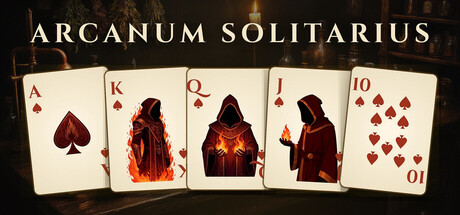
All the art in Arcanum Solitarius, from the playing cards to the Arcana and the workshop backgrounds, was made with AI image generation using a model I trained myself. I was after one specific look: a medieval alchemist's workshop by candlelight, in aged parchment and dark walnut with verdigris and old gold. Most of the music was made the same way. I used AI to draft some of the in-game writing, then rewrote it into my own words. I picked and edited every piece before it went into the game, and the images on this page come from those same assets. Nothing is generated while you play.
Generative AI tools were used during development to create portions of the game’s artwork,sound and localization. Each AI-assisted asset was reviewed, edited, palette-matched, and curated by the developer.
We've harnessed the power of Generative AI technology to create several of our game's unique theme background artworks, enhancing your gaming experience with visually stunning designs.
We use AI as a creative assistant to refine our English descriptions and ensure they are easy to read and engaging (since we are not native speakers). In addition, some of the game’s illustrations were created with the help of generative AI tools and later refined by human artists.
Generative AI tools were used during development to assist in creating the following assets:
- Text translation
- Background music
- Background and cat images
All AI-generated content was thoroughly reviewed, adjusted, and edited by the developer to ensure quality and compliance with all applicable licenses.
During development, AI-assisted and AI-generated tools were used for pre-generated player-facing content.
Our production workflow combines original human-created assets with AI-assisted or AI-generated content. AI tools were used to assist with text translation/localization, visual asset modification and refinement, and the generation of certain audio assets.
Most final assets are the result of a mixed workflow: they may include both original developer-created elements and AI-assisted or AI-generated elements. All final text, visual, and audio assets included in the game have been manually reviewed, edited, selected, and approved by the development team.
The game does not include live-generated AI content. It does not generate new text, images, audio, or other player-facing content through AI during gameplay.
Portions of this game were created with the assistance of generative AI tools. This includes parts of the game's code, artwork and UI graphics, sound effects, and written text (in-game and on the store page). All AI-assisted content was directed, reviewed, and edited by the developer before inclusion. No AI content is generated during gameplay, the cribbage opponent uses conventional game algorithms, not generative AI and the game does not connect to any AI services at runtime.
We use AI to assist with game development, including code, translations, and the creation of background assets. The game does not use any real-time AI systems.
Some 2D art assets in this game (such as certain face-card portraits and mascots) were created with the assistance of AI image-generation tools and then hand-edited and composited. All game design, code, writing, and music are human-authored, and all store screenshots are captured from real gameplay. No AI-generated content is produced live during gameplay.
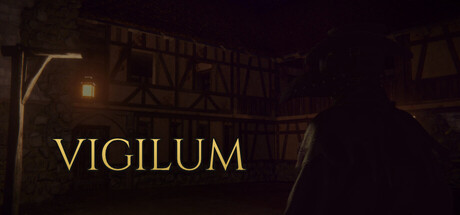
I use generative AI exclusively as a temporary tool for rapid prototyping and placeholder content during early solo development. All AI-generated elements in Vigilum are planned to be fully replaced with custom, human-made assets for the final v1.0 release.
-> 3D Models: I used generative AI tools to create two 3D assets (the Vylem gem and the Blood Sigil element). These are temporary placeholders, and I am currently prioritizing remaking them myself during the Early Access phase.
-> 2D Assets: A few UI icons and images were generated with AI. I intend to commission a professional artist to completely replace these 2D elements as soon as funding allows.
Some promotional art assets, such as posters and icons, were created with the assistance of generative AI. These materials are used only for marketing and store presentation purposes.
Portions of in-game art assets were initially generated with generative AI, followed by extensive manual hand-drawn revision, restructuring and detailed painting by the developer. Game text and localization drafts were AI-assisted then fully proofread and revised manually. All background music and sound effects are licensed free commercial assets downloaded from authorized resource websites; no generative AI was used for audio production. Source code was written with coding assistant tools.
AI tools were used to assist in creating some store page descriptions and promotional graphics. The game itself does not use AI-generated content during gameplay.
Generative AI is used across this game's development — including store-page marketing artwork, in-game art (cards, UI elements), and source code. All AI-generated content is human-directed, reviewed, and edited by the developer. No AI runs at game time; everything ships as static, pre-rendered assets.
AI tools were used to assist in creating some store page descriptions and promotional graphics. The game itself does not use AI-generated content during gameplay.
During the development of this game, artificial intelligence tools were used to assist with various aspects of production, including the creation of the store artwork, menu graphics, team crest images, parts of the C# programming, music composition, and the generation and refinement of game ideas.
As an independent developer, I work alone on every aspect of this project. For quite some time, I have used tools such as ChatGPT and Codex to support my workflow, helping me increase productivity and allowing me to dedicate more time to improving the overall game experience.
Despite this technological assistance, all creative decisions, project direction, final implementation, and supervision of every stage of development were carried out by me.
I believe that artificial intelligence is a valuable tool that can help independent developers bring their ideas to life more efficiently. I hope the use of these tools will be seen as part of a modern development process rather than as a deciding factor in whether or not to purchase the game.
Thank you sincerely for your understanding, your interest in the project, and your support of independent game development.
AI tools were used to assist in creating some store page descriptions and promotional graphics. The game itself does not use AI-generated content during gameplay.
Some visual assets used in Runemoria – Blades of Memory were created with the assistance of generative AI tools and have been modified, curated, and integrated as part of the game’s development process. AI-generated content is limited to pre-rendered visual assets and does not generate gameplay content during play.
A note on AI-generated content
Tilting is a solo project. The code, design, gameplay systems, AI opponents, game logic, and writing are entirely my own. The visual and audio content is not. Virtually all of it originated in generative AI tools.
Specifically, AI was used for: store-page artwork (capsules, library art, hero), in-game art (character portraits, card art, venue art, UI elements), achievement icons, music, and sound effects.
My role on the non-code side was overwhelmingly that of a curator — prompting, regenerating, and iterating across different AI tools until the output fit the game's identity. I draw enough to make minor tweaks here and there on individual visual pieces; for the music it was mostly tool-shopping until something landed right. But the volume of art and audio this game ships with is far beyond what I could produce or commission as a solo developer, and the bulk of every non-code asset originated in AI.
We use AI as a creative assistant to refine our English descriptions and ensure they are easy to read and engaging (since we are not native speakers). In addition, some of the game’s illustrations were created with the help of generative AI tools and later refined by human artists.
Some pre-generated visual assets used for the Steam store page and promotional materials were created with the assistance of generative AI. No live-generated AI content is used during gameplay, and the game does not connect to external AI services while running.
We used generative AI tools during development to assist with certain pre-generated visual assets, text content, localization drafts, and portions of code. All AI-assisted content was reviewed, edited, and approved by the developer before being used in the game or on the store page. The game does not use live-generated AI during gameplay.
AI-generated content is used in this product. The store page capsule artwork was created using an AI image generation tool. Portions of the store page description text were drafted with the assistance of an AI writing tool and reviewed/edited by the developer.
All the art in Arcanum Solitarius, from the playing cards to the Arcana and the workshop backgrounds, was made with AI image generation using a model I trained myself. I was after one specific look: a medieval alchemist's workshop by candlelight, in aged parchment and dark walnut with verdigris and old gold. Most of the music was made the same way. I used AI to draft some of the in-game writing, then rewrote it into my own words. I picked and edited every piece before it went into the game, and the images on this page come from those same assets. Nothing is generated while you play.
Generative AI tools were used during development to create portions of the game’s artwork,sound and localization. Each AI-assisted asset was reviewed, edited, palette-matched, and curated by the developer.
We've harnessed the power of Generative AI technology to create several of our game's unique theme background artworks, enhancing your gaming experience with visually stunning designs.
We use AI as a creative assistant to refine our English descriptions and ensure they are easy to read and engaging (since we are not native speakers). In addition, some of the game’s illustrations were created with the help of generative AI tools and later refined by human artists.
Generative AI tools were used during development to assist in creating the following assets:
- Text translation
- Background music
- Background and cat images
All AI-generated content was thoroughly reviewed, adjusted, and edited by the developer to ensure quality and compliance with all applicable licenses.
During development, AI-assisted and AI-generated tools were used for pre-generated player-facing content.
Our production workflow combines original human-created assets with AI-assisted or AI-generated content. AI tools were used to assist with text translation/localization, visual asset modification and refinement, and the generation of certain audio assets.
Most final assets are the result of a mixed workflow: they may include both original developer-created elements and AI-assisted or AI-generated elements. All final text, visual, and audio assets included in the game have been manually reviewed, edited, selected, and approved by the development team.
The game does not include live-generated AI content. It does not generate new text, images, audio, or other player-facing content through AI during gameplay.
Portions of this game were created with the assistance of generative AI tools. This includes parts of the game's code, artwork and UI graphics, sound effects, and written text (in-game and on the store page). All AI-assisted content was directed, reviewed, and edited by the developer before inclusion. No AI content is generated during gameplay, the cribbage opponent uses conventional game algorithms, not generative AI and the game does not connect to any AI services at runtime.
We use AI to assist with game development, including code, translations, and the creation of background assets. The game does not use any real-time AI systems.
Some 2D art assets in this game (such as certain face-card portraits and mascots) were created with the assistance of AI image-generation tools and then hand-edited and composited. All game design, code, writing, and music are human-authored, and all store screenshots are captured from real gameplay. No AI-generated content is produced live during gameplay.
I use generative AI exclusively as a temporary tool for rapid prototyping and placeholder content during early solo development. All AI-generated elements in Vigilum are planned to be fully replaced with custom, human-made assets for the final v1.0 release.
-> 3D Models: I used generative AI tools to create two 3D assets (the Vylem gem and the Blood Sigil element). These are temporary placeholders, and I am currently prioritizing remaking them myself during the Early Access phase.
-> 2D Assets: A few UI icons and images were generated with AI. I intend to commission a professional artist to completely replace these 2D elements as soon as funding allows.
Some promotional art assets, such as posters and icons, were created with the assistance of generative AI. These materials are used only for marketing and store presentation purposes.
Portions of in-game art assets were initially generated with generative AI, followed by extensive manual hand-drawn revision, restructuring and detailed painting by the developer. Game text and localization drafts were AI-assisted then fully proofread and revised manually. All background music and sound effects are licensed free commercial assets downloaded from authorized resource websites; no generative AI was used for audio production. Source code was written with coding assistant tools.
AI tools were used to assist in creating some store page descriptions and promotional graphics. The game itself does not use AI-generated content during gameplay.
Generative AI is used across this game's development — including store-page marketing artwork, in-game art (cards, UI elements), and source code. All AI-generated content is human-directed, reviewed, and edited by the developer. No AI runs at game time; everything ships as static, pre-rendered assets.
AI tools were used to assist in creating some store page descriptions and promotional graphics. The game itself does not use AI-generated content during gameplay.
During the development of this game, artificial intelligence tools were used to assist with various aspects of production, including the creation of the store artwork, menu graphics, team crest images, parts of the C# programming, music composition, and the generation and refinement of game ideas.
As an independent developer, I work alone on every aspect of this project. For quite some time, I have used tools such as ChatGPT and Codex to support my workflow, helping me increase productivity and allowing me to dedicate more time to improving the overall game experience.
Despite this technological assistance, all creative decisions, project direction, final implementation, and supervision of every stage of development were carried out by me.
I believe that artificial intelligence is a valuable tool that can help independent developers bring their ideas to life more efficiently. I hope the use of these tools will be seen as part of a modern development process rather than as a deciding factor in whether or not to purchase the game.
Thank you sincerely for your understanding, your interest in the project, and your support of independent game development.
AI tools were used to assist in creating some store page descriptions and promotional graphics. The game itself does not use AI-generated content during gameplay.
Some visual assets used in Runemoria – Blades of Memory were created with the assistance of generative AI tools and have been modified, curated, and integrated as part of the game’s development process. AI-generated content is limited to pre-rendered visual assets and does not generate gameplay content during play.
A note on AI-generated content
Tilting is a solo project. The code, design, gameplay systems, AI opponents, game logic, and writing are entirely my own. The visual and audio content is not. Virtually all of it originated in generative AI tools.
Specifically, AI was used for: store-page artwork (capsules, library art, hero), in-game art (character portraits, card art, venue art, UI elements), achievement icons, music, and sound effects.
My role on the non-code side was overwhelmingly that of a curator — prompting, regenerating, and iterating across different AI tools until the output fit the game's identity. I draw enough to make minor tweaks here and there on individual visual pieces; for the music it was mostly tool-shopping until something landed right. But the volume of art and audio this game ships with is far beyond what I could produce or commission as a solo developer, and the bulk of every non-code asset originated in AI.
We use AI as a creative assistant to refine our English descriptions and ensure they are easy to read and engaging (since we are not native speakers). In addition, some of the game’s illustrations were created with the help of generative AI tools and later refined by human artists.
Some pre-generated visual assets used for the Steam store page and promotional materials were created with the assistance of generative AI. No live-generated AI content is used during gameplay, and the game does not connect to external AI services while running.
We used generative AI tools during development to assist with certain pre-generated visual assets, text content, localization drafts, and portions of code. All AI-assisted content was reviewed, edited, and approved by the developer before being used in the game or on the store page. The game does not use live-generated AI during gameplay.