Public Steam disclosure research25,380 disclosures tracked
Where do games disclose AI use?
Search developers’ Steam disclosures, compare classified AI use across
games, and follow recorded changes.
This index adds cross-game classifications and statistics to
statements published on individual store pages.
Groups reflect automatic analysis of public disclosures; mature records are excluded. These counts do not measure AI use across all of Steam.
Missing or unclear statements cannot establish whether a game uses AI.
As a self taught solo dev, I use ai to learn about new way to create and improve my coding skills. So part of my knowledge comes from ai and while writing code I get a second opinion from ai to know if there are better ways to go about it and better myself.
Human touch + AI. Artificial Intelligence (AI) was used to enhance code efficiency and optimize selected graphical elements, improving the overall performance and visual quality of the project — while preserving its handcrafted style and unique artistic identity.
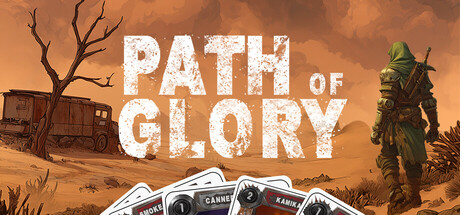
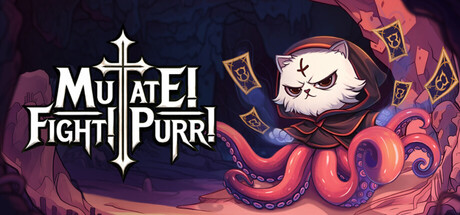
Generative AI was used in the prototyping stage to develop card art concept alternatives and communicate with human artists on our intentions for each finished piece. These images have all been replaced with human-created artwork.
AI is not used to live-generate content or code during gameplay.
I used AI tools (ChatGPT) during development as a learning assistant while I wrote my code in Godot.
All final code in the game is manually created and reviewed by me.
The game itself does not use AI and does not generate any code during gameplay.
AI generated images have been used as reference images. All generated images have been either very heavily modified or fully redrawn by artists before.
This is an independently developed game. Generative AI tools are used as an auxiliary creative method in certain development processes, including art design and assisted code development.
All AI-generated assets and code snippets have undergone original conceptualization by the developer, manual modification, detailed refinement, and strict review, ensuring that all content is legal and compliant, stylistically consistent, and does not infringe upon the intellectual property rights of any third party.
In this game, we use artificial intelligence (AI) for certain parts of the development process. The final product reflects the creativity and expression of the development team.
No AI was used to create the game's visual assets or music
No AI is used to generate content during gameplay
AI tools were used only for internal technical support, such as patching the game engine, and do not generate player-facing content.
Parts of the game’s code were created with the assistance of AI tools. All game assets are designed and created by our team. The game itself does not use AI features such as live-generated content, textures, or behavior.
Certain mechanics and rendering optomizations were created using LLM(s). Majority of the code was written by me and some parts were taken from copyright-free tutorials on Youtube and Stack Overflow.
Users of the game do not interact with A.I.
A.I. was used for development, but the game does not connect to A.I. services or allow users to query A.I. services.
AI was used in the development of GNF, but only for small, mundane tasks. All creative work — including design, writing, humour, and gameplay — was fully created by the developer.
During the development process, we may use procedural- and AI-based tools to assist with content creation. In all such cases, the final product reflects the creativity and expression of our own development team.
AI-assisted tools were used during development to help generate early visual concepts and assets. These were then refined, reworked, and integrated by the developer to support the game’s atmosphere.
AI tools have only been used when they add real benefit to the game and where I have full control on the creative output. In all such cases, the final product reflects my own creativity and expression.
We use AI tools to support our development process by accelerating early concept creation and iteration. This helps our small team work more efficiently while maintaining full creative control and artistic direction.
You can learn our AI pipelines here: https://www.mutatefightpurr.com/ai
This game does not use AI for player-facing features. Players do not interact with AI systems, and the game does not connect to any external AI services. AI tools were only used during development to help identify code errors and provide a starting point for fixing some technical issues. All gameplay content is pre-made and manually reviewed.
During development, AI were partially used to assist with improving code readability. All final content was reviewed, edited, and integrated manually by the developer.
AI has been used during development to assist with creating images, text descriptions, and code. No AI-generated content is produced while the game is running.
Some reference images were originally AI-generated.
The final pixel art was manually created, edited, and upscaled using Ref2Pixel.
No AI-generated assets are directly included in the product.
"The game's visual and audio assets (art, sound, music, and primary narrative) do not contain generative AI content. The development process utilized standard algorithmic tools for code generation and debugging assistance. Gameplay relies on basic procedural and deterministic logic (e.g., enemy spawning, score calculation)."
- Human‑led first. The core research, design, and code were produced by the development team.
- AI used as an advisor. AI provided recommendations, reference gathering, and blind‑spot analysis; it did not generate the final content.
- Human review and integration. Team members validated, edited, and implemented all recommendations before use.
- Technical outcomes verified. Calculations suggested by AI were converted into deterministic code and tested for accuracy.
- Rights and sources checked. Artistic and literary references were verified for licensing and factual accuracy before inclusion.
AI was used in the coding of this game, the asset generation, brainstorming practical solutions (knowledge about opensource tts options, distribution options), and in helping problem solve most steps in the development, and application process. It allowed one developer to create a high quality, low cost educational product to greatly assist in language learning worldwide.
As a self taught solo dev, I use ai to learn about new way to create and improve my coding skills. So part of my knowledge comes from ai and while writing code I get a second opinion from ai to know if there are better ways to go about it and better myself.
Human touch + AI. Artificial Intelligence (AI) was used to enhance code efficiency and optimize selected graphical elements, improving the overall performance and visual quality of the project — while preserving its handcrafted style and unique artistic identity.
Generative AI was used in the prototyping stage to develop card art concept alternatives and communicate with human artists on our intentions for each finished piece. These images have all been replaced with human-created artwork.
AI is not used to live-generate content or code during gameplay.
I used AI tools (ChatGPT) during development as a learning assistant while I wrote my code in Godot.
All final code in the game is manually created and reviewed by me.
The game itself does not use AI and does not generate any code during gameplay.
AI generated images have been used as reference images. All generated images have been either very heavily modified or fully redrawn by artists before.
This is an independently developed game. Generative AI tools are used as an auxiliary creative method in certain development processes, including art design and assisted code development.
All AI-generated assets and code snippets have undergone original conceptualization by the developer, manual modification, detailed refinement, and strict review, ensuring that all content is legal and compliant, stylistically consistent, and does not infringe upon the intellectual property rights of any third party.
In this game, we use artificial intelligence (AI) for certain parts of the development process. The final product reflects the creativity and expression of the development team.
No AI was used to create the game's visual assets or music
No AI is used to generate content during gameplay
AI tools were used only for internal technical support, such as patching the game engine, and do not generate player-facing content.
Parts of the game’s code were created with the assistance of AI tools. All game assets are designed and created by our team. The game itself does not use AI features such as live-generated content, textures, or behavior.
Certain mechanics and rendering optomizations were created using LLM(s). Majority of the code was written by me and some parts were taken from copyright-free tutorials on Youtube and Stack Overflow.
Users of the game do not interact with A.I.
A.I. was used for development, but the game does not connect to A.I. services or allow users to query A.I. services.
AI was used in the development of GNF, but only for small, mundane tasks. All creative work — including design, writing, humour, and gameplay — was fully created by the developer.
During the development process, we may use procedural- and AI-based tools to assist with content creation. In all such cases, the final product reflects the creativity and expression of our own development team.
AI-assisted tools were used during development to help generate early visual concepts and assets. These were then refined, reworked, and integrated by the developer to support the game’s atmosphere.
AI tools have only been used when they add real benefit to the game and where I have full control on the creative output. In all such cases, the final product reflects my own creativity and expression.
We use AI tools to support our development process by accelerating early concept creation and iteration. This helps our small team work more efficiently while maintaining full creative control and artistic direction.
You can learn our AI pipelines here: https://www.mutatefightpurr.com/ai
This game does not use AI for player-facing features. Players do not interact with AI systems, and the game does not connect to any external AI services. AI tools were only used during development to help identify code errors and provide a starting point for fixing some technical issues. All gameplay content is pre-made and manually reviewed.
During development, AI were partially used to assist with improving code readability. All final content was reviewed, edited, and integrated manually by the developer.
AI has been used during development to assist with creating images, text descriptions, and code. No AI-generated content is produced while the game is running.
Some reference images were originally AI-generated.
The final pixel art was manually created, edited, and upscaled using Ref2Pixel.
No AI-generated assets are directly included in the product.
"The game's visual and audio assets (art, sound, music, and primary narrative) do not contain generative AI content. The development process utilized standard algorithmic tools for code generation and debugging assistance. Gameplay relies on basic procedural and deterministic logic (e.g., enemy spawning, score calculation)."
- Human‑led first. The core research, design, and code were produced by the development team.
- AI used as an advisor. AI provided recommendations, reference gathering, and blind‑spot analysis; it did not generate the final content.
- Human review and integration. Team members validated, edited, and implemented all recommendations before use.
- Technical outcomes verified. Calculations suggested by AI were converted into deterministic code and tested for accuracy.
- Rights and sources checked. Artistic and literary references were verified for licensing and factual accuracy before inclusion.
AI was used in the coding of this game, the asset generation, brainstorming practical solutions (knowledge about opensource tts options, distribution options), and in helping problem solve most steps in the development, and application process. It allowed one developer to create a high quality, low cost educational product to greatly assist in language learning worldwide.