Public Steam disclosure research25,394 disclosures tracked
Where do games disclose AI use?
Search developers’ Steam disclosures, compare classified AI use across
games, and follow recorded changes.
This index adds cross-game classifications and statistics to
statements published on individual store pages.
Groups reflect automatic analysis of public disclosures; mature records are excluded. These counts do not measure AI use across all of Steam.
Missing or unclear statements cannot establish whether a game uses AI.
Some art assets in this game were created with the assistance of generative AI, used for concept design and texture generation of characters, enemies, and environments. All gameplay logic, code, balance tuning, and game design were hand-crafted.
AI has been used to generate some graphics, music, and translations.
As the story of this game may suggest, I understand (and even share) most of the criticisms regarding AI, but it is also a tool that has enabled small creators like myself to achieve bigger things that would have been difficult without it.
Some of Citadel Zero's visual assets (pixel-art sprites, icons, and backgrounds) were created with the help of generative AI tools, then reviewed and refined by the developer. All such content is pre-generated and baked into the game — Citadel Zero performs no real-time AI generation and connects to no AI service while you play.
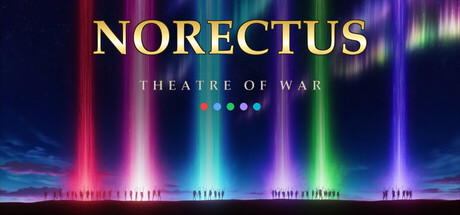
Some of the artwork currently in Norectus: Theatre of War was created with generative AI tools during development, including card art, in-game backgrounds, and store images. We use it as placeholder art so we can build, balance, and expand the game during Early Access. We are commissioning human artists and replacing this AI-generated art over time. Every AI-assisted asset is reviewed by our team before it goes into the game.
This game uses AI-generated artwork for character portraits and encounter illustrations. All other content — game design, code, writing, and audio — is human-created.
Our game utilized Generative AI tools strictly for specific conceptual and design elements during development, ensuring no automated content replaces our team's hand-crafted work:
- Characters & Monsters: We used Midjourney to generate initial visual concepts for the main playable character and a few specific monsters. Our pixel artists used these generated images purely as a creative reference to manually draw and animate the final 2D pixel-art sprites from scratch.
- Relics & UI Elements: ChatGPT was utilized during the brainstorming phase to conceptualize the initial ideas for in-game relics and various UI design layouts. Based on the generated outputs, we thoroughly refined the designs, adjusted the details, and performed visual post-processing to adapt and implement them into the game as our final production assets.
We are committed to delivering a high-quality game where AI is only used as a selective tool to spark creativity, respecting the dedicated work of our development team.
This game uses generative AI tools to create some visual assets and background images. All AI-generated content has been reviewed and edited by the developer.
Generative AI tools were used during development to assist with code writing, debugging, and drafting text. The game does not use generative AI at runtime and does not dynamically generate text, images, audio, or other content for players.
This game is made by a solo developer. To create a rich variety of cards on a small budget, AI was used to generate art assets for the game. All artwork was carefully reviewed and edited to achieve a consistent and high quality aesthetic.
Generative AI tools were used to assist with translation/localization and parts of the in-game artwork production.
No generative AI tools are used for sound effects, music, story content, or live-generated gameplay content.
Some promotional artwork and achievement icons were created using generative AI and then manually edited by the developer. No gameplay content is generated by AI.
Some background artwork used in the main menu was created with generative AI and then edited/implemented by the developer. No real-time generative AI is used during gameplay.
This game uses pre-generated AI-assisted content.
Most of the visual assets used in the game and its promotional materials were created with the help of generative AI tools, including character images, background images, key visual materials, and video/trailer assets.
All AI-assisted outputs were reviewed, selected, edited, and integrated by the developer before being included in the game. The game does not generate AI content in real time during gameplay.
This game contains content created with the assistance of generative AI during development.
Generative AI tools were used to help create and iterate on parts of the game code, music, artwork, images, and multilingual translations. All AI-assisted content was reviewed, edited, selected, and integrated by the developer.
The game does not use generative AI to create content during gameplay.
Generative AI was used during development to assist with polishing promotional illustrations and drafting portions of the game's logic code. Some manually drawn promotional artwork was refined with AI assistance to improve less polished areas. AI-assisted code was manually reviewed by the developer, integrated by hand, and verified through local builds and hands-on playtesting before use. The game does not include player-facing real-time AI generation.
Some of the game's visual assets (boss artwork, item icons, background illustrations) and store page imagery were created using generative AI tools, then integrated and refined by hand. Gameplay design, balancing, and integration are done manually.
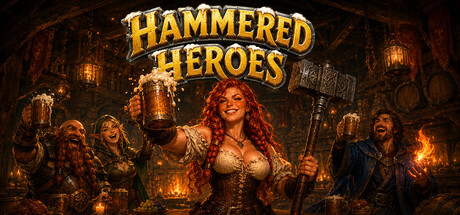
Hammered Heroes is a solo-developed game, with all design, direction, and gameplay built by one developer. Some 2D art assets (such as sprites and capsule art) were created with the help of generative AI image tools, then edited and assembled by the developer.
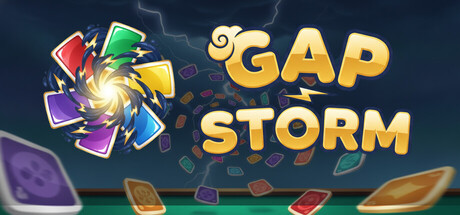
Some of Gap Storm's assets — including card art, character/enemy avatars, table and background art, certain UI icons, and some audio — were created with the assistance of generative AI tools (Google Gemini) during development. These assets were reviewed, edited, curated, and integrated by the developer. Gap Storm does NOT generate any AI content live during gameplay; all AI-assisted content is pre-made and fixed in the build.
I used generative AI tools (specifically Fooocus) to help paint and generate my static 2D game backgrounds and concept/icon art. I also utilized AI-collaboration platforms to assist with audio synthesis composition and programming codebase layouts. All generated assets were fully curated, conceptualized, and processed under my own direct creative control and creative direction before building.
Our development process makes use of generative AI tools for internal tasks such as early concept exploration - both for the game and marketing assets, as well as workflow automation. All final game assets are created by our team without AI-generated content.
Spire of Legends uses generative AI as part of the development process for certain visual assets, sound effects, and localization content. AI-generated content is not used directly without review; assets and text are edited, refined, and integrated by the developer to meet the game's artistic and gameplay requirements. All game design, programming, mechanics, balance decisions, and overall creative direction are created by the developer.
Fading Reel uses machine translation (automated translation software) to provide in-game interface text in languages other than English. English menus, upgrades, tutorials, and story intertitles were written by the developer; non-English versions were generated from that English source and may contain errors.
Game art, audio, gameplay, store screenshots, and the trailer were not created with generative AI.
Some visual assets in this game were created with the assistance of generative AI tools, including UI icons, skill and relic icons, character portraits and sprites, combat VFX, dungeon tile art, and menu and interface decoration. All generated images were reviewed, edited, and integrated by the development team.
"We used generative AI tools during the development of this game. Specifically, pre-generated AI tools were utilized to create and refine some of the 2D visual assets, including concept art, UI elements, and promotional store graphics. All AI-generated content was reviewed, edited, and curated by our team to ensure quality and compliance with Steam's content policies. The game itself does not generate any live AI content during runtime."
During the early stages of development, generative AI was used to create prototypes for some visual assets. These assets were manually redrawn and revised by the developer before being included in the game.
Some art assets in this game were created with the assistance of generative AI, used for concept design and texture generation of characters, enemies, and environments. All gameplay logic, code, balance tuning, and game design were hand-crafted.
AI has been used to generate some graphics, music, and translations.
As the story of this game may suggest, I understand (and even share) most of the criticisms regarding AI, but it is also a tool that has enabled small creators like myself to achieve bigger things that would have been difficult without it.
Some of Citadel Zero's visual assets (pixel-art sprites, icons, and backgrounds) were created with the help of generative AI tools, then reviewed and refined by the developer. All such content is pre-generated and baked into the game — Citadel Zero performs no real-time AI generation and connects to no AI service while you play.
Some of the artwork currently in Norectus: Theatre of War was created with generative AI tools during development, including card art, in-game backgrounds, and store images. We use it as placeholder art so we can build, balance, and expand the game during Early Access. We are commissioning human artists and replacing this AI-generated art over time. Every AI-assisted asset is reviewed by our team before it goes into the game.
This game uses AI-generated artwork for character portraits and encounter illustrations. All other content — game design, code, writing, and audio — is human-created.
Our game utilized Generative AI tools strictly for specific conceptual and design elements during development, ensuring no automated content replaces our team's hand-crafted work:
- Characters & Monsters: We used Midjourney to generate initial visual concepts for the main playable character and a few specific monsters. Our pixel artists used these generated images purely as a creative reference to manually draw and animate the final 2D pixel-art sprites from scratch.
- Relics & UI Elements: ChatGPT was utilized during the brainstorming phase to conceptualize the initial ideas for in-game relics and various UI design layouts. Based on the generated outputs, we thoroughly refined the designs, adjusted the details, and performed visual post-processing to adapt and implement them into the game as our final production assets.
We are committed to delivering a high-quality game where AI is only used as a selective tool to spark creativity, respecting the dedicated work of our development team.
This game uses generative AI tools to create some visual assets and background images. All AI-generated content has been reviewed and edited by the developer.
Generative AI tools were used during development to assist with code writing, debugging, and drafting text. The game does not use generative AI at runtime and does not dynamically generate text, images, audio, or other content for players.
This game is made by a solo developer. To create a rich variety of cards on a small budget, AI was used to generate art assets for the game. All artwork was carefully reviewed and edited to achieve a consistent and high quality aesthetic.
Generative AI tools were used to assist with translation/localization and parts of the in-game artwork production.
No generative AI tools are used for sound effects, music, story content, or live-generated gameplay content.
Some promotional artwork and achievement icons were created using generative AI and then manually edited by the developer. No gameplay content is generated by AI.
Some background artwork used in the main menu was created with generative AI and then edited/implemented by the developer. No real-time generative AI is used during gameplay.
This game uses pre-generated AI-assisted content.
Most of the visual assets used in the game and its promotional materials were created with the help of generative AI tools, including character images, background images, key visual materials, and video/trailer assets.
All AI-assisted outputs were reviewed, selected, edited, and integrated by the developer before being included in the game. The game does not generate AI content in real time during gameplay.
This game contains content created with the assistance of generative AI during development.
Generative AI tools were used to help create and iterate on parts of the game code, music, artwork, images, and multilingual translations. All AI-assisted content was reviewed, edited, selected, and integrated by the developer.
The game does not use generative AI to create content during gameplay.
Generative AI was used during development to assist with polishing promotional illustrations and drafting portions of the game's logic code. Some manually drawn promotional artwork was refined with AI assistance to improve less polished areas. AI-assisted code was manually reviewed by the developer, integrated by hand, and verified through local builds and hands-on playtesting before use. The game does not include player-facing real-time AI generation.
Some of the game's visual assets (boss artwork, item icons, background illustrations) and store page imagery were created using generative AI tools, then integrated and refined by hand. Gameplay design, balancing, and integration are done manually.
Hammered Heroes is a solo-developed game, with all design, direction, and gameplay built by one developer. Some 2D art assets (such as sprites and capsule art) were created with the help of generative AI image tools, then edited and assembled by the developer.
Some of Gap Storm's assets — including card art, character/enemy avatars, table and background art, certain UI icons, and some audio — were created with the assistance of generative AI tools (Google Gemini) during development. These assets were reviewed, edited, curated, and integrated by the developer. Gap Storm does NOT generate any AI content live during gameplay; all AI-assisted content is pre-made and fixed in the build.
I used generative AI tools (specifically Fooocus) to help paint and generate my static 2D game backgrounds and concept/icon art. I also utilized AI-collaboration platforms to assist with audio synthesis composition and programming codebase layouts. All generated assets were fully curated, conceptualized, and processed under my own direct creative control and creative direction before building.
Our development process makes use of generative AI tools for internal tasks such as early concept exploration - both for the game and marketing assets, as well as workflow automation. All final game assets are created by our team without AI-generated content.
Spire of Legends uses generative AI as part of the development process for certain visual assets, sound effects, and localization content. AI-generated content is not used directly without review; assets and text are edited, refined, and integrated by the developer to meet the game's artistic and gameplay requirements. All game design, programming, mechanics, balance decisions, and overall creative direction are created by the developer.
Fading Reel uses machine translation (automated translation software) to provide in-game interface text in languages other than English. English menus, upgrades, tutorials, and story intertitles were written by the developer; non-English versions were generated from that English source and may contain errors.
Game art, audio, gameplay, store screenshots, and the trailer were not created with generative AI.
Some visual assets in this game were created with the assistance of generative AI tools, including UI icons, skill and relic icons, character portraits and sprites, combat VFX, dungeon tile art, and menu and interface decoration. All generated images were reviewed, edited, and integrated by the development team.
"We used generative AI tools during the development of this game. Specifically, pre-generated AI tools were utilized to create and refine some of the 2D visual assets, including concept art, UI elements, and promotional store graphics. All AI-generated content was reviewed, edited, and curated by our team to ensure quality and compliance with Steam's content policies. The game itself does not generate any live AI content during runtime."
During the early stages of development, generative AI was used to create prototypes for some visual assets. These assets were manually redrawn and revised by the developer before being included in the game.