








Disclosure
Code,UI Elemente
- Creator
- REVOKO
- Reviews
- -
- Added
- Jun 28, 2026
Public Steam disclosure research 25,394 disclosures tracked
Search developers’ Steam disclosures, compare classified AI use across games, and follow recorded changes. This index adds cross-game classifications and statistics to statements published on individual store pages.
Code help, debugging and other development work.
Capsule art, trailers and promotional material.
Pre-made art, audio, writing and other game assets.
Interactive or runtime AI features disclosed by the developer.
Groups reflect automatic analysis of public disclosures; mature records are excluded. These counts do not measure AI use across all of Steam. Missing or unclear statements cannot establish whether a game uses AI.
Code,UI Elemente
Some assets in BRICK BUSTERS were created with the help of generative AI tools — including parts of the pixel art, some sound effects and music, and the translations of the in-game text. All AI-assisted content was reviewed and edited by hand before release.
During the development process of this game, generative AI (LLM) tools were utilized as a coding assistant in the coding and software architecture phases.
The game code was developed with the assistance of generative AI, and part of the game assets are AI-generated.
Ashen Crown was built almost entirely with the help of generative AI. The game's code was written through conversation with an AI assistant (Claude), with me directing, correcting, testing, and deciding what the game should be. All in-game visuals are drawn in code rather than created by an artist, and the sound and music were generated with AI as well. No third-party art, audio, or text assets were used. AI was a tool throughout development; the design, direction, and final decisions are mine.
This game uses generative AI as part of the asset creation process. Some artwork, textures, music, and sound effects were generated with AI-assisted tools and subsequently modified, curated, and integrated by the developer. All gameplay design, game systems, balancing, programming, and final implementation were created and controlled by the developer.
This game includes some AI-generated and AI-assisted content: 1. Some in-game sprites were adjusted or edited using AI tools. 2. AI was used to correct spelling and grammar in the game's text and on the store page. 3. Adjusting some of the chiptune tracks in the game to sound more musical by putting them all in key 4. Some Steam store and achievement assets were created with AI assistance, specifically generating the greyed-out (inactive) versions of the achievement icons from the colored originals, and producing the various required store image sizes from the original promotional artwork. All AI-assisted content was manually reviewed before release.
This game's development uses generative AI tools in the following ways: Image assets: generating some artwork and image materials (directed and curated by the developer; final design decisions and adjustments are made by a human). Coding: assisting with implementation and development (design decisions and final code review are done by a human). No content is generated by AI at runtime.
Some art and music in Cookiesaner were created with AI-assisted tools: Image generation for sprites and backdrops, and AI-assisted music, then curated, edited, and finished by the solo developer alongside hand-craft and original composition. No AI-generated content is created at runtime; every asset is fixed and reviewed before it ships.
AI was used to help modifying and creating part of text translation / visual / sound assets.
The promotional images, image graphics, and library asset images of the game are rendered using AI, with the main elements being in-game content and only rendering the atmosphere. Other game models, scenes, and music did not use AI.
Some visual assets in this game were created with the assistance of generative AI tools.
Cogfall was developed solo by Nodding Panda Studios. To bring the steampunk Clockwork Kingdom to life, AI tools were used to generate artwork and music under the creative direction of the developer. Every image and track was intentionally prompted, selected, and refined to fit the game's vision — AI served as a creative tool, not a replacement for creative decisions. All gameplay systems, code, game design, writing, and balancing were created entirely by the developer.
Unheenged was created using the assistance of AI for it's Code, Audio and some 3D Models.
Generative AI is only used as a programming assistant (like code completion or text localization). It’s not used to create the art, audio, or other content that players actually see. Enemy AI and procedural map generation are done with traditional game logic, not generative AI. The art and audio released come from third-party licensed materials on itch.io, with credits given in-game. The game doesn’t call any generative AI services while running.
AI was used to polish the code and produce marketing materials.
The Heretic's Seal uses generative AI for some pre-rendered art assets, including character portraits, enemy and NPC illustrations, world map and biome backgrounds, and select promotional video clips. As a one-person studio, AI tooling lets a single developer ship dungeon-crawler-scale art volume. All gameplay systems, game design, narrative writing, code, level design, and runtime visuals are created by the developer. No AI runs during gameplay — every system, decision, and reaction in-game is hand-crafted code.
The Early Access build includes some static pre-generated AI placeholder artwork used as temporary in-game assets during development. This content is not generated during gameplay, is not user-generated, and does not connect to any external AI service. Placeholder artwork may be replaced or polished during Early Access as final art is completed.
Generative AI tools were used in a supporting role during certain parts of the development of this game. Their primary uses included programming assistance (such as code generation and debugging), the creation of some image assets used on the Steam Store page and in the game, the creation of source material for some background music and sound effects, and assistance with the translation and refinement of certain text. AI-generated image and audio materials were not used as-is. The development team reviewed all such materials and, where necessary, retouched, cropped, color-corrected, resized, adjusted, or otherwise edited them to ensure they were suitable for the game. Any text for which generative AI was used to assist with translation or wording was reviewed by the development team for context and accuracy, and revised as necessary before being used. We understand that some players may have questions or concerns about the use of generative AI, and that it may be an important factor when deciding whether to purchase or play a game. By describing the extent of its use in this title as clearly as possible, we hope to provide helpful information for making that decision. Please note that generative AI is not used during gameplay to generate new text, images, audio, dialogue, quests, or other game content in response to player input.
Dungeon Door utilizes generative AI to enhance creative expression and development efficiency as follows: Artwork and Visual Assets: Generative AI was used in the conceptualization of character designs and the creation of marketing assets for the Steam store page. Every asset has been carefully reviewed and manually refined to ensure it adheres to the intended classic pixel art aesthetic. Text and Narrative: AI tools assisted in drafting store descriptions, synopses, and localizing in-game text to provide a consistent experience across different languages.
This game uses AI-generated and AI-assisted content as part of its creative process. AI Slop: TCG exists because of a very specific idea: taking the weird, imperfect, grotesque, and absurd look of what people call “AI slop” and turning it into a roguelike card game full of satire, dark humor, and creatures that probably should not exist. That is why AI has mainly been used to create and develop the creature illustrations for the cards. It is not an accidental extra or some hidden shortcut: it is part of the game’s concept, lore, and visual identity. Without that mutant digital-trash aesthetic, the project would lose a big part of what makes it work. AI has also been used as support for visual ideation and production, which is especially important for a game being made by a solo developer. The game does not generate AI content in real time during gameplay. All included content has been reviewed, selected, edited, and manually integrated by the developer.
AI used to assist in code development.
AI-Generated BGM
Character art and event scene illustrations in this game were created using AI image generation tools. All generated images were curated, edited, and refined by the developer to produce the final in-game assets. No AI content is generated in real time during gameplay.
Generative AI is used only for some in-game icons. Those icons are manually edited and finalized by our development team. Generative AI was not used for any other game assets. AI is not used during gameplay.
Generative AI tools were used during development to assist with some pre-generated visual and text assets, including Steam store or marketing materials. All AI-assisted content is reviewed and included before release. The game does not generate new AI content during gameplay and does not connect to external AI services while running.
Our team used generative AI tools to help develop some in-game card images and the images for our Steam Achievements. For any assets acquired from third-party artists, we were not always able to confirm whether generative AI was used in their creation. This is the full extent of our AI usage.
This game currently uses AI generated artwork and assets
Some 2D artwork, in-game images, item icons, and promotional/store images were created with the help of generative AI tools during development. These assets were manually reviewed and edited before use. The game does not use live generative AI to create content during gameplay.
This game uses AI to generate some images.
Some images and sound have been generated with the assistance of AI.
Some pixel art assets (item icons, monster images) in this game were generated with AI tool assistance.
AI-assisted content was used during development phase
Some content is powered by AI
Some of this game's art assets were created with the assistance of generative AI tools during development, then hand-selected, edited, composited, and laid out by the developer before being integrated into the game. All AI-assisted content has been reviewed by the developer to ensure it contains no inappropriate or infringing material. No AI content is generated in real time during gameplay.
Copilot has been used to ease development of playtest versions.
Localizing
游戏部分素材初步采用 AI 辅助,经大量人工创意修改与优化。
Some pixel art (sprites, icons, UI) was created with the help of generative AI tools, with all assets reviewed and hand-edited by the developer.
AI Disclosure: Some in-game icons and cutscene animations were created with the assistance of AI tools.
Claude Code, Codex, and OpenAI ImageGen capabilities were employed during the research, compiling, and marketing of this product.
AI was used to create background images in the novel, as well as objects in the levels, but the levels are drawn to the final stage manually by an artist.
The music in SEPTAR is created using generative AI tools.
Hi everyone! I'm currently a student and this is my very first indie game. While I'm completely at home with coding and game engines, handling all the visual design and localization entirely by myself was quite a challenge. I created all the promotional capsule art and designs you see on the Steam store page manually from scratch. However, I did use AI generation tools as a starting base for some of the in-game UI overlays and minor textures. Afterward, I manually edited and color-corrected them to ensure they perfectly match the game's dark atmosphere. I also used AI text models to assist with translation and localization. There are no real-time AI generation systems running while you play. Thank you so much for your support and understanding!
Generative AI tools were utilized during the development process to assist in the creation of certain in-game art assets. Specifically, this includes character portraits, environmental backgrounds, item icons, and foundational visual elements for some of the user interfaces. All initial AI-generated materials have undergone rigorous manual review, selection, and post-production refinement by the developer, ensuring they contain no inappropriate or policy-violating content. The game does not feature any content generated by real-time AI computation.
This game utilizes AI-assisted programming and multilingual localization.
This game was developed by a solo developer with the help of generative AI tools. Pre-Generated AI Use (during development): - Some icons and illustrations (achievements, graphical elements) were created using AI image generation tools - Source code was written with the assistance of AI coding tools - Multilingual translations were reviewed and refined with AI assistance No generative AI runs while you play. All dialogues, events, gameplay mechanics, and in-game content were designed and written manually by the developer. No player data is sent to any external AI service. --- Ce jeu a été développé par un développeur solo avec l'aide d'outils d'intelligence artificielle générative. Utilisation de l'IA pendant le développement (Pre-Generated) : - Génération de certaines icônes et illustrations (succès, éléments graphiques) à l'aide d'outils d'IA d'image - Assistance à l'écriture du code source via des assistants IA (similaire à GitHub Copilot) - Vérification et révision des traductions multilingues Aucune IA générative ne tourne pendant que vous jouez. Tous les dialogues, événements, mécaniques et contenus du jeu ont été conçus et écrits manuellement par le développeur. Aucune donnée joueur n'est envoyée à un service d'IA externe.
Some artwork, text drafts, and development materials were assisted by generative AI tools and then reviewed or edited by the developer. Core gameplay rules, player progress, purchases, and account-related decisions are not generated by AI during play.
Some game assets and multilingual translations were completed by generative artificial intelligence
Generative AI Disclosure Some visual concepts, promotional images, text drafts, and background music were created or edited with the assistance of generative AI tools. The final materials were reviewed, selected, modified, and integrated by the developer. The game does not include real-time generative AI features during gameplay.
| Title⇅ | Disclosure | Creator⇅ | Src | Reviews⇅ | Added↓ |
|---|---|---|---|---|---|
 Road Tycoon Unclear code | Code,UI Elemente | REVOKO | - | Jun 28, 2026 | |
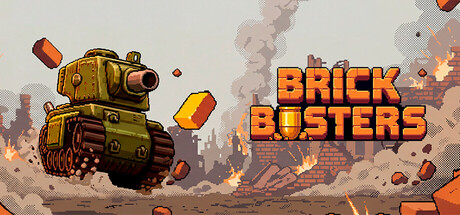 Brick Busters In-game content artaudiotext | Some assets in BRICK BUSTERS were created with the help of generative AI tools — including parts of the pixel art, some sound effects and music, and the translations of the in-game text. All AI-assisted content was reviewed and edited by hand before release. | NPC AT WORK | - | Jun 28, 2026 | |
 HIGH ROLLER : Dicey Survivors Dev only code | During the development process of this game, generative AI (LLM) tools were utilized as a coding assistant in the coding and software architecture phases. | Ruhan Games | - | Jun 28, 2026 | |
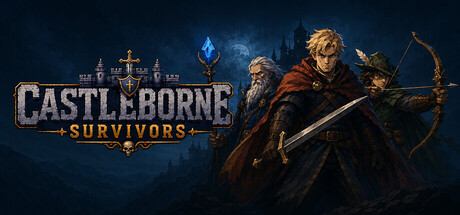 Castleborne Survivors In-game content codeart | The game code was developed with the assistance of generative AI, and part of the game assets are AI-generated. | GameVerse | - | Jun 28, 2026 | |
 Ashen Crown In-game content artaudiocode | Ashen Crown was built almost entirely with the help of generative AI. The game's code was written through conversation with an AI assistant (Claude), with me directing, correcting, testing, and deciding what the game should be. All in-game visuals are drawn in code rather than created by an artist, and the sound and music were generated with AI as well. No third-party art, audio, or text assets were used. AI was a tool throughout development; the design, direction, and final decisions are mine. | Quahjit | - | Jun 28, 2026 | |
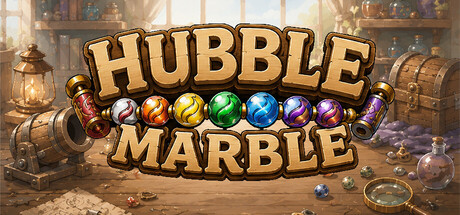 Hubble Marble In-game content artaudio | This game uses generative AI as part of the asset creation process. Some artwork, textures, music, and sound effects were generated with AI-assisted tools and subsequently modified, curated, and integrated by the developer. All gameplay design, game systems, balancing, programming, and final implementation were created and controlled by the developer. | zjinn | - | Jun 28, 2026 | |
 The Dungeon Persists In-game content arttext | This game includes some AI-generated and AI-assisted content:
1. Some in-game sprites were adjusted or edited using AI tools.
2. AI was used to correct spelling and grammar in the game's text and on the store page.
3. Adjusting some of the chiptune tracks in the game to sound more musical by putting them all in key
4. Some Steam store and achievement assets were created with AI assistance, specifically generating the greyed-out (inactive) versions of the achievement icons from the colored originals, and producing the various required store image sizes from the original promotional artwork.
All AI-assisted content was manually reviewed before release. | Alan Van Dinter | - | Jun 28, 2026 | |
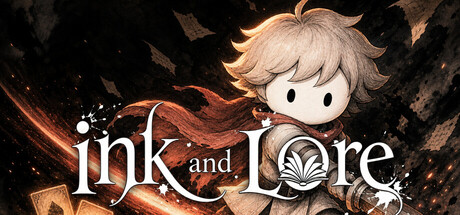 Ink & Lore In-game content artcode | This game's development uses generative AI tools in the following ways:
Image assets: generating some artwork and image materials (directed and curated by the developer; final design decisions and adjustments are made by a human).
Coding: assisting with implementation and development (design decisions and final code review are done by a human).
No content is generated by AI at runtime. | Shintaro Higashi | - | Jun 28, 2026 | |
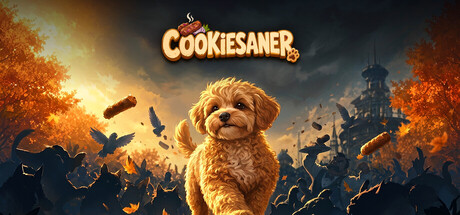 Cookiesaner In-game content artaudio | Some art and music in Cookiesaner were created with AI-assisted tools: Image generation for sprites and backdrops, and AI-assisted music, then curated, edited, and finished by the solo developer alongside hand-craft and original composition. No AI-generated content is created at runtime; every asset is fixed and reviewed before it ships. | Endorfin | - | Jun 28, 2026 | |
 Throughspire In-game content textartaudio | AI was used to help modifying and creating part of text translation / visual / sound assets. | MetaMata | - | Jun 28, 2026 | |
 勇之证 In-game content art | The promotional images, image graphics, and library asset images of the game are rendered using AI, with the main elements being in-game content and only rendering the atmosphere.
Other game models, scenes, and music did not use AI. | BURN WOOD STUDIO | - | Jun 28, 2026 | |
 妖潮:以杀证道 In-game content art | Some visual assets in this game were created with the assistance of generative AI tools. | WhaleRise Studio | - | Jun 28, 2026 | |
 Cogfall In-game content artaudio | Cogfall was developed solo by Nodding Panda Studios. To bring the steampunk Clockwork Kingdom to life, AI tools were used to generate artwork and music under the creative direction of the developer. Every image and track was intentionally prompted, selected, and refined to fit the game's vision — AI served as a creative tool, not a replacement for creative decisions. All gameplay systems, code, game design, writing, and balancing were created entirely by the developer. | Nodding Panda Studios | - | Jun 28, 2026 | |
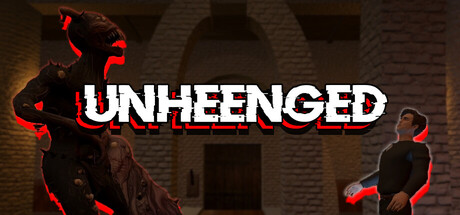 Unheenged In-game content codeaudioart | Unheenged was created using the assistance of AI for it's Code, Audio and some 3D Models. | Half Slice Studio | - | Jun 28, 2026 | |
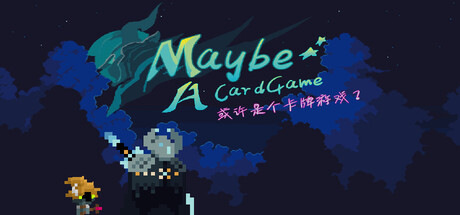 Maybe a CardGame? Dev only code | Generative AI is only used as a programming assistant (like code completion or text localization). It’s not used to create the art, audio, or other content that players actually see. Enemy AI and procedural map generation are done with traditional game logic, not generative AI. The art and audio released come from third-party licensed materials on itch.io, with credits given in-game. The game doesn’t call any generative AI services while running. | Moyu | - | Jun 28, 2026 | |
 Quattro Synchro Store/marketing codeart | AI was used to polish the code and produce marketing materials. | KienTech Apps | - | Jun 28, 2026 | |
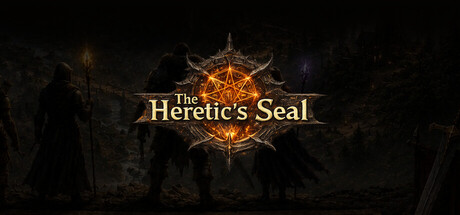 The Heretic's Seal In-game content art | The Heretic's Seal uses generative AI for some pre-rendered art assets, including character portraits, enemy and NPC illustrations, world map and biome backgrounds, and select promotional video clips. As a one-person studio, AI tooling lets a single developer ship dungeon-crawler-scale art volume.
All gameplay systems, game design, narrative writing, code, level design, and runtime visuals are created by the developer. No AI runs during gameplay — every system, decision, and reaction in-game is hand-crafted code. | OBT Studio | - | Jun 28, 2026 | |
 The Anchored Hour In-game content art | The Early Access build includes some static pre-generated AI placeholder artwork used as temporary in-game assets during development. This content is not generated during gameplay, is not user-generated, and does not connect to any external AI service. Placeholder artwork may be replaced or polished during Early Access as final art is completed. | Hourwisp Studio | - | Jun 28, 2026 | |
 S.O.L School Of Labyrinth In-game content artaudiotextcode | Generative AI tools were used in a supporting role during certain parts of the development of this game. Their primary uses included programming assistance (such as code generation and debugging), the creation of some image assets used on the Steam Store page and in the game, the creation of source material for some background music and sound effects, and assistance with the translation and refinement of certain text.
AI-generated image and audio materials were not used as-is. The development team reviewed all such materials and, where necessary, retouched, cropped, color-corrected, resized, adjusted, or otherwise edited them to ensure they were suitable for the game.
Any text for which generative AI was used to assist with translation or wording was reviewed by the development team for context and accuracy, and revised as necessary before being used.
We understand that some players may have questions or concerns about the use of generative AI, and that it may be an important factor when deciding whether to purchase or play a game. By describing the extent of its use in this title as clearly as possible, we hope to provide helpful information for making that decision.
Please note that generative AI is not used during gameplay to generate new text, images, audio, dialogue, quests, or other game content in response to player input. | SUSHI Lab | 87 | Jun 28, 2026 | |
 Dungeon door In-game content arttext | Dungeon Door utilizes generative AI to enhance creative expression and development efficiency as follows:
Artwork and Visual Assets: Generative AI was used in the conceptualization of character designs and the creation of marketing assets for the Steam store page. Every asset has been carefully reviewed and manually refined to ensure it adheres to the intended classic pixel art aesthetic.
Text and Narrative: AI tools assisted in drafting store descriptions, synopses, and localizing in-game text to provide a consistent experience across different languages. | Daniel.Co | - | Jun 28, 2026 | |
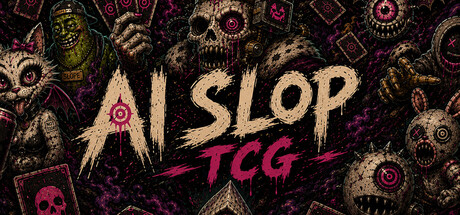 AI Slop TCG In-game content art | This game uses AI-generated and AI-assisted content as part of its creative process.
AI Slop: TCG exists because of a very specific idea: taking the weird, imperfect, grotesque, and absurd look of what people call “AI slop” and turning it into a roguelike card game full of satire, dark humor, and creatures that probably should not exist.
That is why AI has mainly been used to create and develop the creature illustrations for the cards. It is not an accidental extra or some hidden shortcut: it is part of the game’s concept, lore, and visual identity. Without that mutant digital-trash aesthetic, the project would lose a big part of what makes it work.
AI has also been used as support for visual ideation and production, which is especially important for a game being made by a solo developer.
The game does not generate AI content in real time during gameplay. All included content has been reviewed, selected, edited, and manually integrated by the developer. | Dev Deiff | - | Jun 28, 2026 | |
 Sunder Dev only code | AI used to assist in code development. | Fenris Labs | - | Jun 28, 2026 | |
 Vehicle Game In-game content audio | AI-Generated BGM | KIMJUIM | - | Jun 28, 2026 | |
 Hyakki Yagyo: Endless Nights In-game content art | Character art and event scene illustrations in this game were created using AI image generation tools. All generated images were curated, edited, and refined by the developer to produce the final in-game assets. No AI content is generated in real time during gameplay. | Hyakki Yagyo inc | - | Jun 28, 2026 | |
 Guns & Dragons In-game content art | Generative AI is used only for some in-game icons.
Those icons are manually edited and finalized by our development team.
Generative AI was not used for any other game assets.
AI is not used during gameplay. | ABUTTON Inc. | - | Jun 28, 2026 | |
 Gold is Life Store/marketing arttext | Generative AI tools were used during development to assist with some pre-generated visual and text assets, including Steam store or marketing materials. All AI-assisted content is reviewed and included before release. The game does not generate new AI content during gameplay and does not connect to external AI services while running. | Nam Rood | - | Jun 28, 2026 | |
 Cards of Bellum In-game content art | Our team used generative AI tools to help develop some in-game card images and the images for our Steam Achievements. For any assets acquired from third-party artists, we were not always able to confirm whether generative AI was used in their creation. This is the full extent of our AI usage. | Ashwood Games | - | Jun 28, 2026 | |
 On Time In Full In-game content art | This game currently uses AI generated artwork and assets | RealLate Software | - | Jun 28, 2026 | |
 World: 23806 In-game content art | Some 2D artwork, in-game images, item icons, and promotional/store images were created with the help of generative AI tools during development. These assets were manually reviewed and edited before use. The game does not use live generative AI to create content during gameplay. | Ean | - | Jun 28, 2026 | |
 HOMUNCAT In-game content art | This game uses AI to generate some images. | TriCave | - | Jun 28, 2026 | |
 Wordforge: Silent Letters In-game content artaudio | Some images and sound have been generated with the assistance of AI. | Les Ganton | - | Jun 28, 2026 | |
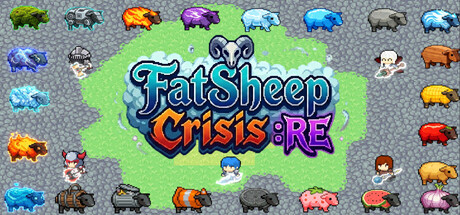 肥羊危机:RE / FatSheep Crisis:RE In-game content art | Some pixel art assets (item icons, monster images) in this game were generated with AI tool assistance. | FatSheep Studio | - | Jun 28, 2026 | |
 The Severed Gods Dev only | AI-assisted content was used during development phase | Topebox | 106 | Jun 27, 2026 | |
 Stardust Protocol Unclear | Some content is powered by AI | Starzen Interactive | - | Jun 27, 2026 | |
 赢麻了 In-game content art | Some of this game's art assets were created with the assistance of generative AI tools during development, then hand-selected, edited, composited, and laid out by the developer before being integrated into the game. All AI-assisted content has been reviewed by the developer to ensure it contains no inappropriate or infringing material. No AI content is generated in real time during gameplay. | F11 Game Studio | - | Jun 27, 2026 | |
 KeyWalker Dev only | Copilot has been used to ease development of playtest versions. | Repron | - | Jun 27, 2026 | |
 HAECHE_Ism Unclear text | Localizing | MinSuHong | - | Jun 27, 2026 | |
 哥布林狂想曲 In-game content art | 游戏部分素材初步采用 AI 辅助,经大量人工创意修改与优化。 | 冷却猫 | - | Jun 27, 2026 | |
 Floodline Legion In-game content art | Some pixel art (sprites, icons, UI) was created with the help of generative AI tools, with all assets reviewed and hand-edited by the developer. | Rune Games | - | Jun 27, 2026 | |
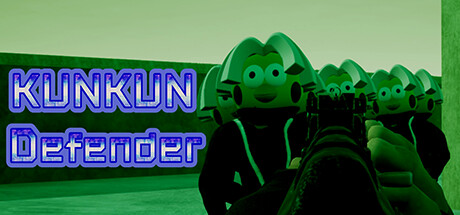 KUNKUN Defender In-game content art | AI Disclosure: Some in-game icons and cutscene animations were created with the assistance of AI tools. | Seal | 808 | Jun 27, 2026 | |
 Perfumed Palaces Store/marketing arttextcode | Claude Code, Codex, and OpenAI ImageGen capabilities were employed during the research, compiling, and marketing of this product. | MUTHRI | - | Jun 27, 2026 | |
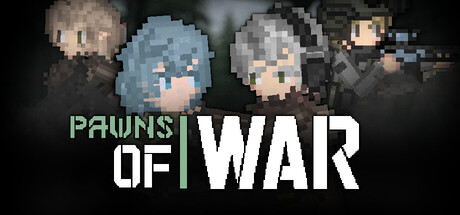 Pawns of War In-game content art | AI was used to create background images in the novel, as well as objects in the levels, but the levels are drawn to the final stage manually by an artist. | FLARE | 705 | Jun 27, 2026 | |
 Septar In-game content audio | The music in SEPTAR is created using generative AI tools. | Pop Services | - | Jun 27, 2026 | |
 Last Hope: Zombie Autobattler In-game content arttext | Hi everyone! I'm currently a student and this is my very first indie game. While I'm completely at home with coding and game engines, handling all the visual design and localization entirely by myself was quite a challenge.
I created all the promotional capsule art and designs you see on the Steam store page manually from scratch. However, I did use AI generation tools as a starting base for some of the in-game UI overlays and minor textures. Afterward, I manually edited and color-corrected them to ensure they perfectly match the game's dark atmosphere. I also used AI text models to assist with translation and localization. There are no real-time AI generation systems running while you play. Thank you so much for your support and understanding! | Hands-Off Games | - | Jun 27, 2026 | |
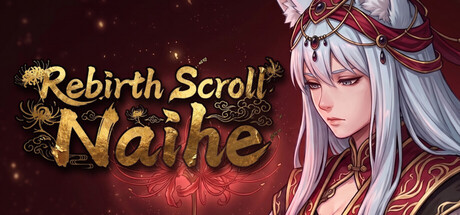 Rebirth Scroll: Naihe In-game content art | Generative AI tools were utilized during the development process to assist in the creation of certain in-game art assets. Specifically, this includes character portraits, environmental backgrounds, item icons, and foundational visual elements for some of the user interfaces. All initial AI-generated materials have undergone rigorous manual review, selection, and post-production refinement by the developer, ensuring they contain no inappropriate or policy-violating content. The game does not feature any content generated by real-time AI computation. | 烂游戏 | - | Jun 27, 2026 | |
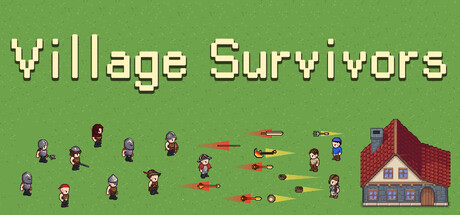 Village Survivors In-game content text | This game utilizes AI-assisted programming and multilingual localization. | Aegithalos Studio | - | Jun 27, 2026 | |
 Wall Street Tycoon In-game content artcodetext | This game was developed by a solo developer with the help of generative AI tools.
Pre-Generated AI Use (during development):
- Some icons and illustrations (achievements, graphical elements) were created using AI image generation tools
- Source code was written with the assistance of AI coding tools
- Multilingual translations were reviewed and refined with AI assistance
No generative AI runs while you play. All dialogues, events, gameplay mechanics, and in-game content were designed and written manually by the developer. No player data is sent to any external AI service.
---
Ce jeu a été développé par un développeur solo avec l'aide d'outils d'intelligence artificielle générative.
Utilisation de l'IA pendant le développement (Pre-Generated) :
- Génération de certaines icônes et illustrations (succès, éléments graphiques) à l'aide d'outils d'IA d'image
- Assistance à l'écriture du code source via des assistants IA (similaire à GitHub Copilot)
- Vérification et révision des traductions multilingues
Aucune IA générative ne tourne pendant que vous jouez. Tous les dialogues, événements, mécaniques et contenus du jeu ont été conçus et écrits manuellement par le développeur. Aucune donnée joueur n'est envoyée à un service d'IA externe. | Stress Interactive | - | Jun 27, 2026 | |
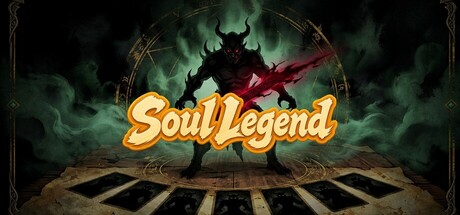 御魂传说 In-game content arttext | Some artwork, text drafts, and development materials were assisted by generative AI tools and then reviewed or edited by the developer. Core gameplay rules, player progress, purchases, and account-related decisions are not generated by AI during play. | ZHU ZHI | - | Jun 27, 2026 | |
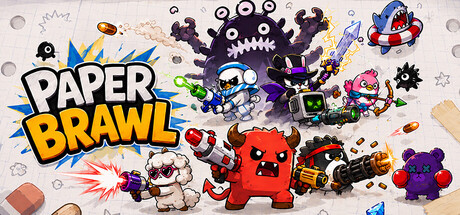 Paper Brawl In-game content text | Some game assets and multilingual translations were completed by generative artificial intelligence | Starswork Studio | - | Jun 27, 2026 | |
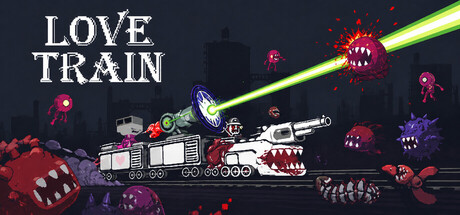 Love Train In-game content arttextaudio | Generative AI Disclosure
Some visual concepts, promotional images, text drafts, and background music were created or edited with the assistance of generative AI tools. The final materials were reviewed, selected, modified, and integrated by the developer.
The game does not include real-time generative AI features during gameplay. | MadMole | - | Jun 27, 2026 |


