Public Steam disclosure research25,508 disclosures tracked
Where do games disclose AI use?
Search developers’ Steam disclosures, compare classified AI use across
games, and follow recorded changes.
This index adds cross-game classifications and statistics to
statements published on individual store pages.
Groups reflect automatic analysis of public disclosures; mature records are excluded. These counts do not measure AI use across all of Steam.
Missing or unclear statements cannot establish whether a game uses AI.
Usage of AI-assisted coding tools were used to help debug, and write some lengthy aspects of the game. But all creative work (art, animation, music, sound effects, and all writing and dialogue) is made by hand, without any generative AI whatsoever.
Generative AI tools were used during the development process to assist in creating pre-rendered visual assets, including character portraits and certain user interface (UI) icons.
Some art assets and marketing images were created or assisted with generative AI during development, then curated and edited for the final game. The game does not generate AI content in real time during play.
Generative AI is used as a development aid for research, information analysis, routine technical tasks, and assistance with drafting and editing text for the Steam store page. No AI-generated 2D or 3D artwork, audio, or live-generated content is included in the game. The game's concept, creative direction, design, and implementation are the work of the developer.
Generative AI was used during development to assist in creating some pre-generated visual assets and marketing materials. All AI-assisted content was reviewed, selected, and adjusted by the developer before being included in the game or on its Steam store page. The game does not use generative AI to create content during gameplay.
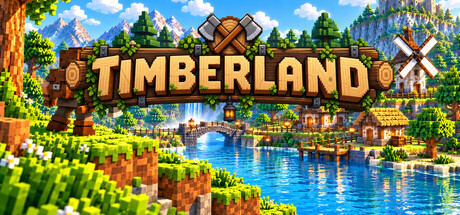
The store page images for Timberland — the key art, capsules, logo and icon — were created with generative AI tools and then edited by hand. The screenshots are real gameplay, unretouched.
Part of the code was also written with the help of an AI assistant. Game design, world generation, mechanics and the remaining textures are the developer's own work.
Generative AI tools were used as development aids to help draft and iterate on portions of the game’s code, written content, and Steam store description. All AI-assisted material was reviewed, modified, and approved by the developer. The game does not use live-generated AI during gameplay.
Some marketing and store page artwork (capsule art, promotional images, achievement icons) was created with the assistance of generative AI tools and then reviewed and edited by our team. The game itself does not generate content with AI at runtime.
AI coding assistance was used in developing some parts of the game's code and in drafting in-game text, all of it directed and reviewed by the developer.
Generative AI tools were used during development to create selected pre-generated textures, sound effects, and promotional artwork. These materials are used as individual components within the game and its marketing rather than being generated dynamically.
AI-assisted materials are selected, edited, adapted, composed, and integrated by the developer to fit the game's original visual and audio direction. The game's design, gameplay systems, implementation, world building, and overall creative direction are developed by the developer.
No generative AI is used during gameplay, and the game does not connect to external AI services while running.
Generative AI was used to assist in coding and translations for different languages.
Some graphical store assets also used AI in its design, mostly as a composition tool to combine game scenes with human made art.
Generative AI was used to create musical compositions for fictional K-pop groups. All such content was created in advance; the AI does not generate new content during gameplay.
Generative AI tools were used during development to assist with programming, debugging, drafting and editing written content, and creating or developing some marketing and store-page artwork. All AI-assisted material is reviewed, edited, and integrated by the developer. The game does not use generative AI during gameplay or connect to external AI services while running.
Generative AI tools were used during development to help create some artwork, short ambient video clips, audio, written content and localization. This content is generated in advance and included in the game. The game does not generate content through AI services while you play.
AI is not used for any aspect of music creation or sound. And no actual game art was created with AI (Inventory items, decals, portraits, etc. All of that was fully painted by a human.)
AI was used for code work and project management. ONLY a small amount of the textures (less than 10) used in the world were created with the help of AI.
Generative AI tools were used as development assistants, including assistance drafting and editing portions of store-page marketing text. All player-facing content is reviewed and edited by the developer. Main Street Operator does not use generative AI during gameplay and does not connect to external AI services while the game is running.
Generative AI was used to assist with bug fixes, text editing, and portions of the game's music. Generative AI was not used for the game's direction, art direction, or gameplay mechanics.
Generative AI tools were used as part of the production process to assist in creating and refining some 2D artwork and visual assets. All such content is pre-generated and reviewed before being included in the game. No AI-generated content is created during gameplay.
Deepworks was made with the help of AI tools. Some of the game's art and audio were generated with AI and then reviewed and edited by the developer, and AI assisted with writing code. Nothing in the game is generated by AI while you play.
I'm an indie dev with a day job. Using AI made building this game possible. I built this game for the fun of it and have no interest in paying thousands or even hundreds of dollars to artists for a little side hobby.
This game may include developer-directed generative AI content used during development for select visual assets, concept art, marketing materials, store/community artwork, placeholder imagery, and/or edited production assets.
All AI-assisted content is reviewed, selected, edited, and implemented by the developer. The game does not use live generative AI to create gameplay, dialogue, or player-facing content at runtime.
This game uses generative AI in the following ways:
Music — tracks were built from AI-generated material, then edited and arranged by hand.
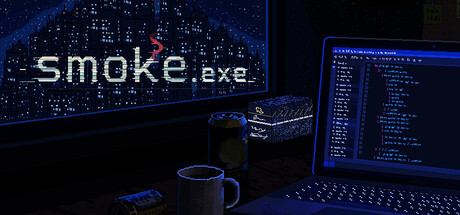
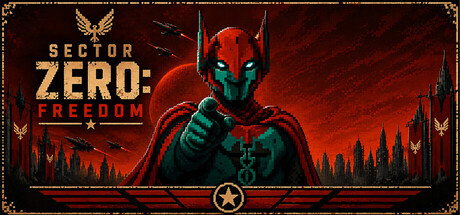
Title artwork — an AI-generated rough was used as reference and redrawn by hand as pixel art.
English localization — the English text was machine-translated and then reviewed and corrected by the developer.
Code — parts of the game's code were written with AI assistance.
Everything else is made by the developer by hand: all 145 in-game icons, every UI image, the cigarette package illustrations, and the achievement icons.
This game’s player-facing art, writing, and audio were created with generative AI and then selected, edited, and directed by the developer. Store images and trailers use the same pre-generated assets. No content is generated live during gameplay.
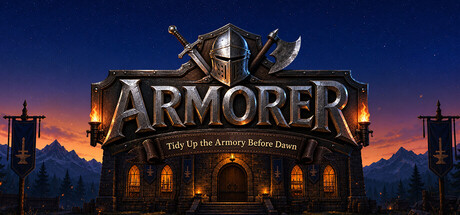
Some of this game's content was created with the assistance of generative AI tools and was then reviewed, edited and curated by the developer. This includes a portion of the 3D weapon and armor models (generated with AI 3D tools and hand-adjusted), the game logo and store/marketing artwork (AI image tools), and the translation of interface text into languages other than Turkish and English. No content is generated by AI at runtime and the game does not connect to any AI service.
All historical data is researched and verified by the developer from published records. Some in-game descriptive text (event descriptions, class histories) and the player's guide were drafted with AI assistance under the developer's editorial control and review. No AI-generated artwork, audio or photographs are used.
Some of this game's content was created with the assistance of generative AI tools and was then reviewed, edited and curated by the developer. This includes a portion of the 3D shoe models (generated with AI 3D tools and hand-adjusted), the game logo and store/marketing artwork (AI image tools), and the translation of interface text into languages other than Turkish and English. No content is generated by AI at runtime and the game does not connect to any AI service.
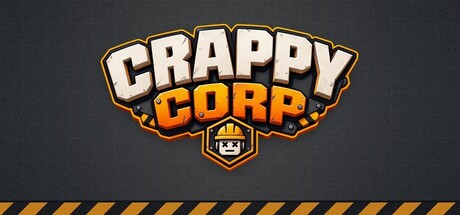
Crappy Corp uses a small amount of pre-generated AI content, all created
during development and shipped as fixed assets: the looping background
video on the main menu, and the game's achievement icons. Both were made
with AI image and video tools and then edited and finished by hand.
Parts of the game's code were also written with AI assistance.
Everything else is not AI generated. The 3D models, characters,
environments and animations are licensed commercial asset packs or made
by us, and all sound effects and music come from licensed sound
libraries. The in-game crew voice is Steam voice chat between real
players, not synthesized speech.
No AI content is generated while you play.
Some store visuals (capsule art) were created using AI image generation tools.
Game text translations for languages other than English/Turkish were done with the assistance of AI translation and manual review.
Cutscenes and the visual slides featuring dialogue were created with the assistance of AI.
Some of the 3D models shipped with this game were generated with Meshy, an AI model generation tool, and then reworked by hand (retopology, rigging in Blender, hand made materials and animations). This covers the player character, the alien customers, and part of the props, weapons, vehicles and buildings. The creatures you catch were not generated with AI. No content is generated by AI while you play.
We used AI tools during development: part of the source code was written with an AI
assistant, and part of the pixel art was generated with PixelLab. Everything was
reviewed, edited and tested by the developer by hand. The game generates nothing at
runtime — all content is fixed in the build and identical for every player.
All textual copy, dialogue, and scripts in this game are entirely handcrafted and written by the developer without the use of AI. The background music and sound effects are licensed from Pixabay under commercial-use terms. Generative AI (Leonardo.ai) was utilized strictly to pre-generate initial CG illustrations and concept art, which were subsequently edited and refined manually by the developer before being built into the game.
Vectorline uses on-device AI for its optional voice features. When you speak commands to aircraft, a local speech-recognition model transcribes your voice into ATC instructions. Pilot and controller radio readbacks are spoken aloud using a local neural text-to-speech model. Both models run entirely on your own machine — no audio, text, or data is ever sent to an external server, and no internet connection is required for these features. The spoken content is limited to standard air-traffic-control phraseology generated by the simulator itself.
You can disable these features in the settings without impacting gameplay.
Usage of AI-assisted coding tools were used to help debug, and write some lengthy aspects of the game. But all creative work (art, animation, music, sound effects, and all writing and dialogue) is made by hand, without any generative AI whatsoever.
Generative AI tools were used during the development process to assist in creating pre-rendered visual assets, including character portraits and certain user interface (UI) icons.
Some art assets and marketing images were created or assisted with generative AI during development, then curated and edited for the final game. The game does not generate AI content in real time during play.
Generative AI is used as a development aid for research, information analysis, routine technical tasks, and assistance with drafting and editing text for the Steam store page. No AI-generated 2D or 3D artwork, audio, or live-generated content is included in the game. The game's concept, creative direction, design, and implementation are the work of the developer.
Generative AI was used during development to assist in creating some pre-generated visual assets and marketing materials. All AI-assisted content was reviewed, selected, and adjusted by the developer before being included in the game or on its Steam store page. The game does not use generative AI to create content during gameplay.
The store page images for Timberland — the key art, capsules, logo and icon — were created with generative AI tools and then edited by hand. The screenshots are real gameplay, unretouched.
Part of the code was also written with the help of an AI assistant. Game design, world generation, mechanics and the remaining textures are the developer's own work.
Generative AI tools were used as development aids to help draft and iterate on portions of the game’s code, written content, and Steam store description. All AI-assisted material was reviewed, modified, and approved by the developer. The game does not use live-generated AI during gameplay.
Some marketing and store page artwork (capsule art, promotional images, achievement icons) was created with the assistance of generative AI tools and then reviewed and edited by our team. The game itself does not generate content with AI at runtime.
AI coding assistance was used in developing some parts of the game's code and in drafting in-game text, all of it directed and reviewed by the developer.
Generative AI tools were used during development to create selected pre-generated textures, sound effects, and promotional artwork. These materials are used as individual components within the game and its marketing rather than being generated dynamically.
AI-assisted materials are selected, edited, adapted, composed, and integrated by the developer to fit the game's original visual and audio direction. The game's design, gameplay systems, implementation, world building, and overall creative direction are developed by the developer.
No generative AI is used during gameplay, and the game does not connect to external AI services while running.
Generative AI was used to assist in coding and translations for different languages.
Some graphical store assets also used AI in its design, mostly as a composition tool to combine game scenes with human made art.
Generative AI was used to create musical compositions for fictional K-pop groups. All such content was created in advance; the AI does not generate new content during gameplay.
Generative AI tools were used during development to assist with programming, debugging, drafting and editing written content, and creating or developing some marketing and store-page artwork. All AI-assisted material is reviewed, edited, and integrated by the developer. The game does not use generative AI during gameplay or connect to external AI services while running.
Generative AI tools were used during development to help create some artwork, short ambient video clips, audio, written content and localization. This content is generated in advance and included in the game. The game does not generate content through AI services while you play.
AI is not used for any aspect of music creation or sound. And no actual game art was created with AI (Inventory items, decals, portraits, etc. All of that was fully painted by a human.)
AI was used for code work and project management. ONLY a small amount of the textures (less than 10) used in the world were created with the help of AI.
Generative AI tools were used as development assistants, including assistance drafting and editing portions of store-page marketing text. All player-facing content is reviewed and edited by the developer. Main Street Operator does not use generative AI during gameplay and does not connect to external AI services while the game is running.
Generative AI was used to assist with bug fixes, text editing, and portions of the game's music. Generative AI was not used for the game's direction, art direction, or gameplay mechanics.
Generative AI tools were used as part of the production process to assist in creating and refining some 2D artwork and visual assets. All such content is pre-generated and reviewed before being included in the game. No AI-generated content is created during gameplay.
Deepworks was made with the help of AI tools. Some of the game's art and audio were generated with AI and then reviewed and edited by the developer, and AI assisted with writing code. Nothing in the game is generated by AI while you play.
I'm an indie dev with a day job. Using AI made building this game possible. I built this game for the fun of it and have no interest in paying thousands or even hundreds of dollars to artists for a little side hobby.
This game may include developer-directed generative AI content used during development for select visual assets, concept art, marketing materials, store/community artwork, placeholder imagery, and/or edited production assets.
All AI-assisted content is reviewed, selected, edited, and implemented by the developer. The game does not use live generative AI to create gameplay, dialogue, or player-facing content at runtime.
This game uses generative AI in the following ways:
Music — tracks were built from AI-generated material, then edited and arranged by hand.
Title artwork — an AI-generated rough was used as reference and redrawn by hand as pixel art.
English localization — the English text was machine-translated and then reviewed and corrected by the developer.
Code — parts of the game's code were written with AI assistance.
Everything else is made by the developer by hand: all 145 in-game icons, every UI image, the cigarette package illustrations, and the achievement icons.
This game’s player-facing art, writing, and audio were created with generative AI and then selected, edited, and directed by the developer. Store images and trailers use the same pre-generated assets. No content is generated live during gameplay.
Some of this game's content was created with the assistance of generative AI tools and was then reviewed, edited and curated by the developer. This includes a portion of the 3D weapon and armor models (generated with AI 3D tools and hand-adjusted), the game logo and store/marketing artwork (AI image tools), and the translation of interface text into languages other than Turkish and English. No content is generated by AI at runtime and the game does not connect to any AI service.
All historical data is researched and verified by the developer from published records. Some in-game descriptive text (event descriptions, class histories) and the player's guide were drafted with AI assistance under the developer's editorial control and review. No AI-generated artwork, audio or photographs are used.
Some of this game's content was created with the assistance of generative AI tools and was then reviewed, edited and curated by the developer. This includes a portion of the 3D shoe models (generated with AI 3D tools and hand-adjusted), the game logo and store/marketing artwork (AI image tools), and the translation of interface text into languages other than Turkish and English. No content is generated by AI at runtime and the game does not connect to any AI service.
Crappy Corp uses a small amount of pre-generated AI content, all created
during development and shipped as fixed assets: the looping background
video on the main menu, and the game's achievement icons. Both were made
with AI image and video tools and then edited and finished by hand.
Parts of the game's code were also written with AI assistance.
Everything else is not AI generated. The 3D models, characters,
environments and animations are licensed commercial asset packs or made
by us, and all sound effects and music come from licensed sound
libraries. The in-game crew voice is Steam voice chat between real
players, not synthesized speech.
No AI content is generated while you play.
Some store visuals (capsule art) were created using AI image generation tools.
Game text translations for languages other than English/Turkish were done with the assistance of AI translation and manual review.
Cutscenes and the visual slides featuring dialogue were created with the assistance of AI.
Some of the 3D models shipped with this game were generated with Meshy, an AI model generation tool, and then reworked by hand (retopology, rigging in Blender, hand made materials and animations). This covers the player character, the alien customers, and part of the props, weapons, vehicles and buildings. The creatures you catch were not generated with AI. No content is generated by AI while you play.
We used AI tools during development: part of the source code was written with an AI
assistant, and part of the pixel art was generated with PixelLab. Everything was
reviewed, edited and tested by the developer by hand. The game generates nothing at
runtime — all content is fixed in the build and identical for every player.
All textual copy, dialogue, and scripts in this game are entirely handcrafted and written by the developer without the use of AI. The background music and sound effects are licensed from Pixabay under commercial-use terms. Generative AI (Leonardo.ai) was utilized strictly to pre-generate initial CG illustrations and concept art, which were subsequently edited and refined manually by the developer before being built into the game.
Vectorline uses on-device AI for its optional voice features. When you speak commands to aircraft, a local speech-recognition model transcribes your voice into ATC instructions. Pilot and controller radio readbacks are spoken aloud using a local neural text-to-speech model. Both models run entirely on your own machine — no audio, text, or data is ever sent to an external server, and no internet connection is required for these features. The spoken content is limited to standard air-traffic-control phraseology generated by the simulator itself.
You can disable these features in the settings without impacting gameplay.