Public Steam disclosure research25,394 disclosures tracked
Where do games disclose AI use?
Search developers’ Steam disclosures, compare classified AI use across
games, and follow recorded changes.
This index adds cross-game classifications and statistics to
statements published on individual store pages.
Groups reflect automatic analysis of public disclosures; mature records are excluded. These counts do not measure AI use across all of Steam.
Missing or unclear statements cannot establish whether a game uses AI.
Some 2D art (sprites, icons, key art) was generated with a locally run image model, then hand-curated and edited by the developer. Sound effects and music were generated with local audio models and hand-picked. Everything shipped was reviewed by a human; the game performs no AI generation at runtime.
Some of the game's background music (BGM) uses tracks created with generative AI, and AI tools were used for localization (translation) into some languages. Store page images and some in-game illustrations (such as cutscenes and maps) were created with the assistance of AI image generation tools. Some in-game icons are based on AI-generated images that were then manually retouched and refined by the developer. All other content (in-game pixel art including characters and monsters, code, original story, etc.) was not created with AI.
ERLIK is a solo-developed game: all game design, code, writing, balance and feel are handmade. Generative AI tools were used as part of the art production pipeline; every asset was then manually edited, curated and polished by the developer before entering the game. No content is generated while you play, everything is fixed at build time.
Some static store and marketing assets were created with AI-assisted tools, then reviewed, edited, and integrated by the developer. The game does not generate AI content during gameplay.
This game uses generative AI during development in the following areas:
* Localization: AI tools were used to assist with translating some in-game text. All translations are reviewed and edited by the developer before being included in the game.
* Art Assets: AI tools were used to assist in creating some visual assets. All generated materials are selected, edited, and finalized by the developer.
* Programming: AI tools were used to assist with parts of the game's code development.
* Store Page: AI tools were used to assist in creating certain store page materials.
The game does not include any live-generated AI content. All AI-assisted content is generated during development, reviewed by a human, and finalized before being included in the shipped build.
This game uses generative AI tools in the creation of some visual assets, including certain artwork and promotional materials. All AI-generated content has been reviewed and modified by the development team to ensure consistency with the game’s art direction.
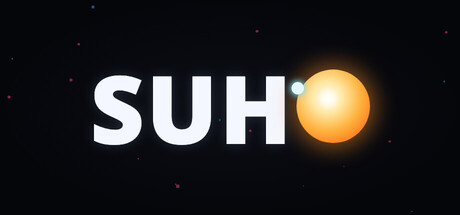
Suho's background music was produced with the help of a generative AI music tool, and some store-page text was drafted with AI assistance and edited by a human. We intend to replace the AI-generated music with commissioned, original music. All gameplay, game design, code, and in-game visual art are human-authored or rendered programmatically (not AI-generated), and no AI content is generated live during play - the soundtrack ships as fixed, pre-made audio files.
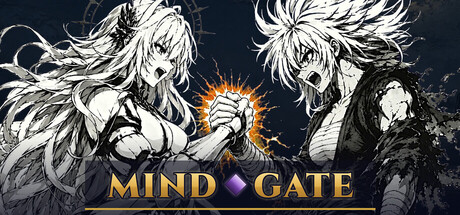
MindGate's content—including character illustrations, related store and promotional images, and in-game text—is created by the developer using generative AI tools. The developer directs, selects, edits, and finalizes every asset, and makes all gameplay design and balance decisions.
Several of the original tracks included with the base game were created with the help of AI tooling as was some of the initial iconography and translations.
Auto Cats uses generative AI tools for some pre-generated visual and written content, including selected marketing artwork, concept-assisted item artwork, and some pre-written random event content.
As a small development studio, we had to use AI to generate translations for the game and the Steam page in order to make the game accessible to the widest possible audience.
The graphic and audio assets were created either by us or by the team at Craftpix.net (who, it seems, do not use AI).
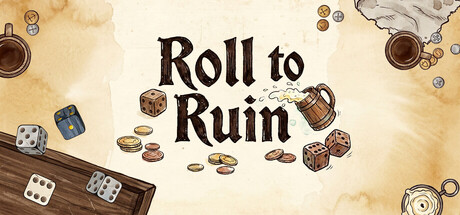
Some visual assets in this game — including dice textures, character portraits, scene backgrounds, and select UI decorative elements — were created with the assistance of generative AI, then manually curated, retouched, and color-graded before integration. All AI-generated content is pre-rendered static art; the game does not use real-time generation.
Some visual assets used in VoidFall, including promotional artwork and store materials, were created with the assistance of generative AI tools and further edited and integrated during development.
In this work, much of the text is interactively generated by a language generation AI. In addition, language generation AI is used for various judgments on the text entered by players. Furthermore, all the illustrations in this work are created using image generation AI.
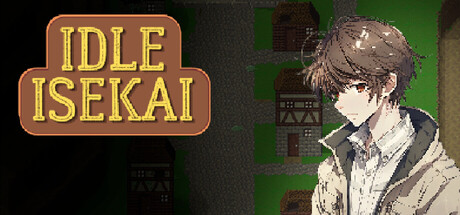
I am currently a solo developer working hard to bring this project to life. To keep development moving during the early stages, you will notice some placeholder character portraits and backgrounds that were AI-assisted.
My goal and commitment is to replace every piece of AI-generated content with custom-made, hand-crafted pixel art by the time of the official 1.0 release. All current monster designs, battle maps, and GUI elements are already original pixel artwork. I appreciate your patience as I work to ensure the final version of the game fully reflects my personal artistic vision!
AI tools may be utilized to increase development efficiency for various game content. Such content has been vetted for accuracy and consistency with the game's theme and ideas.
The majority of this game's assets are human created. However during the development process, AI-based tools were used to assist further with selective content creation. The final product is highly reflective of the vision and creativity of the team.
Some of the 2D visual assets in this game, background images, and UI elements, were created with the assistance of generative AI tools. Additionally, AI tools were utilized to assist with coding and script optimization during the development process.
Some of the visual art in Board Poker was created with the help of generative AI tools and then reviewed and refined by our team; the rest is hand-made or sourced from licensed asset packs. Music and sound effects use no generative AI. Generative AI also assisted with text — drafting some interface translations and the store and marketing copy, all reviewed and edited by our team. No content is generated by AI while the game is running.
We have used AI as a translation tool to translate this game from Japanese to English.
As a result, some parts of the text may contain unnatural phrasing or content that differs from the original intent.
The in-game music and soundtrack are created using Suno (generative AI). All visual art is produced procedurally through code. Development used an AI coding assistant (Claude), which is a development-efficiency tool; it does not generate any content live at runtime. No generative AI runs during gameplay.
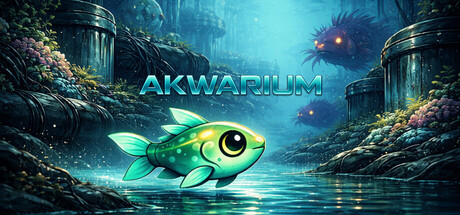
Some 2D artwork in Akwarium (characters, UI, environments, and store images) was created with generative AI tools, then reviewed and refined by the developer. No gameplay content is generated by AI in real time.
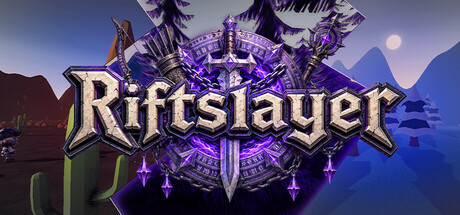
Some music, sound effects, and UI icons in Riftslayer were created with the assistance of generative AI tools during development. All AI-assisted content was reviewed and selected by the developer before being included in the game.
Almost the entire game uses traditional assets made by people. Artificial intelligence was only used as an aid to create some music, sound effects, images, and translations.
The in-game music was created through a collaboration between human composition and AI-assisted tools.
Some promotional images displayed on the Steam Store page were also created using AI-assisted tools.
I took human-made photographs, edited them by hand, then used AI to apply a consistent art style among them in batches so they all look thematically related
During the Early Access period and onwards to launch, we will be integrating and testing AI technologies to create ongoing secondary content like daily and weekly quests, and the material surrounding those quests needed to communicate that to the gamer.
We expect these to significantly enhance the user experience for gamers when used as tools under the guidance of the development team.
Guild's Requiem uses generative AI tools to create parts of its content during development. Visual assets — including card illustrations, character portraits, backgrounds, enemy artwork, and UI icons — were produced with AI image tools (Midjourney, Leonardo, Stable Diffusion, and DALL·E) and then reviewed, edited, and curated by the developer. Music and some sound effects were generated with AI audio tools (Udio and ElevenLabs). All AI-assisted content was checked and integrated by the developer, who has taken steps to ensure the shipped content is appropriate and does not infringe third-party rights. The game does not generate any content in real time; there is no AI running during gameplay.
Generative AI was used to assist in creating certain visual assets and concept art. All AI-generated content was reviewed, edited, and integrated by the developer into the final game.
During development, generative AI tools were used to assist in the creation of certain visual assets. All AI-generated content has been reviewed and curated by the development team.
As a small, two-person independent development team, we have used generative AI to help create a limited number of pre-generated assets during development. This includes portions of the store capsule artwork, a number of UI elements and icons, and approximately three lines of dialogue for a single enemy.
The AI-generated visual content is used solely as placeholder artwork to support our Early Access proof of concept. These assets allow us to focus our limited resources on gameplay, systems, balance, and overall game quality while we continue development. Replacing these placeholder assets with original, commissioned artwork is a planned and intentional part of our Early Access development roadmap.
No generative AI was or will be used to create gameplay, game logic, programming, level design, music, sound effects, visual effects, or any live-generated in-game content.
The creative direction and design of this game are the work of the developer. All code, copywriting, artwork, background images, and non-Chinese translations were AI-assisted.
"Generative AI tools were utilized during the pre-production and development phases to assist in creating certain 2D visual assets and concept art. These assets were pre-generated, reviewed, and integrated into the game files prior to launch. No AI content is generated dynamically or in real-time by the game software itself. All final assets have been checked to ensure they adhere to proper copyright regulations."
This game utilized AI tools during the development process, primarily to assist in generating character portraits. All AI-generated assets were reviewed and curated by the development team before being implemented into the game.
This game uses AI-generated images, created with Stable Diffusion and similar tools, for card artwork, character portraits, backgrounds, and animated card videos. All AI-generated assets were reviewed and edited by the developer. No AI generates content during gameplay.
Some 2D art (sprites, icons, key art) was generated with a locally run image model, then hand-curated and edited by the developer. Sound effects and music were generated with local audio models and hand-picked. Everything shipped was reviewed by a human; the game performs no AI generation at runtime.
Some of the game's background music (BGM) uses tracks created with generative AI, and AI tools were used for localization (translation) into some languages. Store page images and some in-game illustrations (such as cutscenes and maps) were created with the assistance of AI image generation tools. Some in-game icons are based on AI-generated images that were then manually retouched and refined by the developer. All other content (in-game pixel art including characters and monsters, code, original story, etc.) was not created with AI.
ERLIK is a solo-developed game: all game design, code, writing, balance and feel are handmade. Generative AI tools were used as part of the art production pipeline; every asset was then manually edited, curated and polished by the developer before entering the game. No content is generated while you play, everything is fixed at build time.
Some static store and marketing assets were created with AI-assisted tools, then reviewed, edited, and integrated by the developer. The game does not generate AI content during gameplay.
This game uses generative AI during development in the following areas:
* Localization: AI tools were used to assist with translating some in-game text. All translations are reviewed and edited by the developer before being included in the game.
* Art Assets: AI tools were used to assist in creating some visual assets. All generated materials are selected, edited, and finalized by the developer.
* Programming: AI tools were used to assist with parts of the game's code development.
* Store Page: AI tools were used to assist in creating certain store page materials.
The game does not include any live-generated AI content. All AI-assisted content is generated during development, reviewed by a human, and finalized before being included in the shipped build.
This game uses generative AI tools in the creation of some visual assets, including certain artwork and promotional materials. All AI-generated content has been reviewed and modified by the development team to ensure consistency with the game’s art direction.
Suho's background music was produced with the help of a generative AI music tool, and some store-page text was drafted with AI assistance and edited by a human. We intend to replace the AI-generated music with commissioned, original music. All gameplay, game design, code, and in-game visual art are human-authored or rendered programmatically (not AI-generated), and no AI content is generated live during play - the soundtrack ships as fixed, pre-made audio files.
MindGate's content—including character illustrations, related store and promotional images, and in-game text—is created by the developer using generative AI tools. The developer directs, selects, edits, and finalizes every asset, and makes all gameplay design and balance decisions.
Several of the original tracks included with the base game were created with the help of AI tooling as was some of the initial iconography and translations.
Auto Cats uses generative AI tools for some pre-generated visual and written content, including selected marketing artwork, concept-assisted item artwork, and some pre-written random event content.
As a small development studio, we had to use AI to generate translations for the game and the Steam page in order to make the game accessible to the widest possible audience.
The graphic and audio assets were created either by us or by the team at Craftpix.net (who, it seems, do not use AI).
Some visual assets in this game — including dice textures, character portraits, scene backgrounds, and select UI decorative elements — were created with the assistance of generative AI, then manually curated, retouched, and color-graded before integration. All AI-generated content is pre-rendered static art; the game does not use real-time generation.
Some visual assets used in VoidFall, including promotional artwork and store materials, were created with the assistance of generative AI tools and further edited and integrated during development.
In this work, much of the text is interactively generated by a language generation AI. In addition, language generation AI is used for various judgments on the text entered by players. Furthermore, all the illustrations in this work are created using image generation AI.
I am currently a solo developer working hard to bring this project to life. To keep development moving during the early stages, you will notice some placeholder character portraits and backgrounds that were AI-assisted.
My goal and commitment is to replace every piece of AI-generated content with custom-made, hand-crafted pixel art by the time of the official 1.0 release. All current monster designs, battle maps, and GUI elements are already original pixel artwork. I appreciate your patience as I work to ensure the final version of the game fully reflects my personal artistic vision!
AI tools may be utilized to increase development efficiency for various game content. Such content has been vetted for accuracy and consistency with the game's theme and ideas.
The majority of this game's assets are human created. However during the development process, AI-based tools were used to assist further with selective content creation. The final product is highly reflective of the vision and creativity of the team.
Some of the 2D visual assets in this game, background images, and UI elements, were created with the assistance of generative AI tools. Additionally, AI tools were utilized to assist with coding and script optimization during the development process.
Some of the visual art in Board Poker was created with the help of generative AI tools and then reviewed and refined by our team; the rest is hand-made or sourced from licensed asset packs. Music and sound effects use no generative AI. Generative AI also assisted with text — drafting some interface translations and the store and marketing copy, all reviewed and edited by our team. No content is generated by AI while the game is running.
We have used AI as a translation tool to translate this game from Japanese to English.
As a result, some parts of the text may contain unnatural phrasing or content that differs from the original intent.
The in-game music and soundtrack are created using Suno (generative AI). All visual art is produced procedurally through code. Development used an AI coding assistant (Claude), which is a development-efficiency tool; it does not generate any content live at runtime. No generative AI runs during gameplay.
Some 2D artwork in Akwarium (characters, UI, environments, and store images) was created with generative AI tools, then reviewed and refined by the developer. No gameplay content is generated by AI in real time.
Some music, sound effects, and UI icons in Riftslayer were created with the assistance of generative AI tools during development. All AI-assisted content was reviewed and selected by the developer before being included in the game.
Almost the entire game uses traditional assets made by people. Artificial intelligence was only used as an aid to create some music, sound effects, images, and translations.
The in-game music was created through a collaboration between human composition and AI-assisted tools.
Some promotional images displayed on the Steam Store page were also created using AI-assisted tools.
I took human-made photographs, edited them by hand, then used AI to apply a consistent art style among them in batches so they all look thematically related
During the Early Access period and onwards to launch, we will be integrating and testing AI technologies to create ongoing secondary content like daily and weekly quests, and the material surrounding those quests needed to communicate that to the gamer.
We expect these to significantly enhance the user experience for gamers when used as tools under the guidance of the development team.
Guild's Requiem uses generative AI tools to create parts of its content during development. Visual assets — including card illustrations, character portraits, backgrounds, enemy artwork, and UI icons — were produced with AI image tools (Midjourney, Leonardo, Stable Diffusion, and DALL·E) and then reviewed, edited, and curated by the developer. Music and some sound effects were generated with AI audio tools (Udio and ElevenLabs). All AI-assisted content was checked and integrated by the developer, who has taken steps to ensure the shipped content is appropriate and does not infringe third-party rights. The game does not generate any content in real time; there is no AI running during gameplay.
Generative AI was used to assist in creating certain visual assets and concept art. All AI-generated content was reviewed, edited, and integrated by the developer into the final game.
During development, generative AI tools were used to assist in the creation of certain visual assets. All AI-generated content has been reviewed and curated by the development team.
As a small, two-person independent development team, we have used generative AI to help create a limited number of pre-generated assets during development. This includes portions of the store capsule artwork, a number of UI elements and icons, and approximately three lines of dialogue for a single enemy.
The AI-generated visual content is used solely as placeholder artwork to support our Early Access proof of concept. These assets allow us to focus our limited resources on gameplay, systems, balance, and overall game quality while we continue development. Replacing these placeholder assets with original, commissioned artwork is a planned and intentional part of our Early Access development roadmap.
No generative AI was or will be used to create gameplay, game logic, programming, level design, music, sound effects, visual effects, or any live-generated in-game content.
The creative direction and design of this game are the work of the developer. All code, copywriting, artwork, background images, and non-Chinese translations were AI-assisted.
"Generative AI tools were utilized during the pre-production and development phases to assist in creating certain 2D visual assets and concept art. These assets were pre-generated, reviewed, and integrated into the game files prior to launch. No AI content is generated dynamically or in real-time by the game software itself. All final assets have been checked to ensure they adhere to proper copyright regulations."
This game utilized AI tools during the development process, primarily to assist in generating character portraits. All AI-generated assets were reviewed and curated by the development team before being implemented into the game.
This game uses AI-generated images, created with Stable Diffusion and similar tools, for card artwork, character portraits, backgrounds, and animated card videos. All AI-generated assets were reviewed and edited by the developer. No AI generates content during gameplay.