Public Steam disclosure research25,877 disclosures tracked
Where do games disclose AI use?
Search developers’ Steam disclosures, compare classified AI use across
games, and follow recorded changes.
This index adds cross-game classifications and statistics to
statements published on individual store pages.
Groups reflect automatic analysis of public disclosures; mature records are excluded. These counts do not measure AI use across all of Steam.
Missing or unclear statements cannot establish whether a game uses AI.
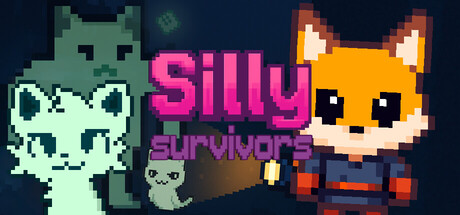
During the Early Access stage, translations for languages other than English are provided using DeepL AI. We will continue to improve and refine these translations over time. No AI is used in the gameplay itself.
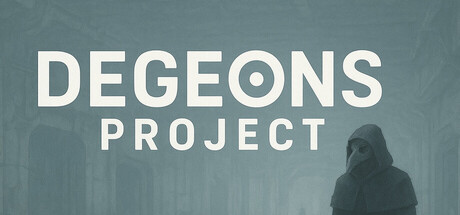
This game uses AI-assisted tools during development to support the creation of assets such as text polishing, 3D models, textures, and sprites. AI was used as a creative aid for pre-rendered content and visual elements, but it does not generate live gameplay, or player-driven content. All final assets are reviewed, refined, and integrated by the development team.
Some promo art elements (promo character) and logo for the game were created using AI tools. Also parts of trailer and in-game soundtrack was created using AI-based tools.
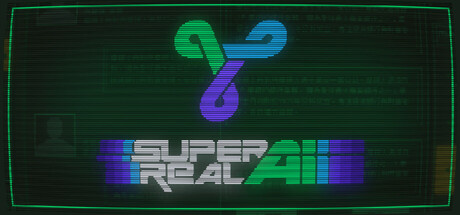
Super Real AI reverses the traditional use of artificial intelligence.
Instead of AI serving humans, humans now serve AI.
A local LLM powers simulated users who constantly send unpredictable queries—while real players, acting as AI workers, must respond, classify, and adapt.
It’s not a game using AI; it’s a game about using AI.
Very limited use of AI generated content:
The city skyline image, and dialogue from text-to-speech are the only items/content where an AI tool was used. *The relevant AI platforms' subscription tier clarified full ownership of content and uniqueness of rendered content. Also, allowance of both commercial and non-commercial legal use is permissible with regard to both platforms used.
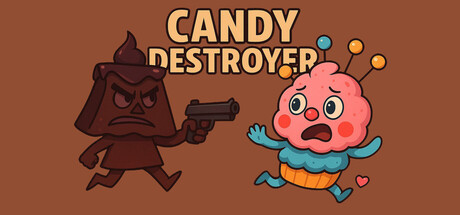
Some visual assets in Candy Destroyer, such as characters, bullets, and special abilities, were created with the assistance of AI tools and then manually refined and implemented by the developer. Other assets are sourced from licensed asset libraries like Freepik. All gameplay and game logic are fully created by the developer.
I use AI to design my Steam page. The cover was made half with the help of AI. The text was prepared in advance to fit the page layout. The logo was also created using this tool.
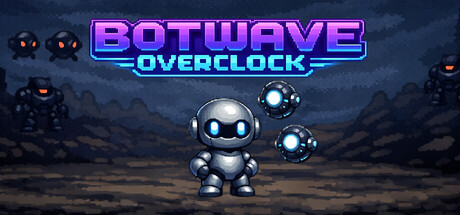
Botwave: Overclock includes content created with the help of generative AI tools, including some in-game visuals, sound effects, and promotional/store artwork.
All AI-assisted content was reviewed and edited by the developer.
The game does not use AI to generate content in real time during gameplay and does not connect to external AI services while playing.
Based on our Frontline 1 assets, we've leveraged the innovative capabilities of AI to elevate our visuals by enhancing the graphics for some of the background & art images.
This game includes some pre-rendered visual assets (such as table backgrounds and UI elements) created with the help of AI tools. All gameplay, mechanics, and core design are original.
To make Ekoman accessible to more players in their own languages, in-game menus, cutscenes, and store page texts have been translated using artificial intelligence. Please feel free to contact us if you encounter any issues.
Portions of the game's artwork are AI-generated. This innovative approach allows us to create unique and diverse visuals that enhance your gaming experience.
The opening cutscene was created using AI-generated visual assets. The ending cutscene includes a mix of AI-generated elements and original assets created and edited by the developer. No real-time AI generation occurs in game
To support more players around the world, some language translations on this page were assisted by AI tools. Certain lines may be imperfect, and we will continue improving them with your feedback.
This game uses AI-generated voice(Non live) acting for some characters. All voices were created and edited by the developers to fit the atmosphere of the game.
This game was developed by a solo developer using AI-assisted tools to support parts of the creative and technical workflow, including marketing materials, store page assets, music, and portions of code. All AI-assisted outputs were reviewed, refined, and integrated by the developer.
No AI systems are used to generate content during gameplay.
Some visual elements (paintings and photos) use AI-generated images. All game systems and core mechanics are handcrafted and independent of generative AI.
Some visual assets, including banners and promotional materials, were created with the assistance of artificial intelligence.
Avatars uses AI to bring player-created characters to life, generating dynamic conversations and unique personalities based on the traits you define.
Our soundtrack was made using AI-assisted tools under full human direction.
This allowed us explore a variety of musical styles to express our message through our lyrics about breast cancer awareness.
In development, we used AI as a support tool for generating ideas and quick concept art in the early stages. The final game is based on ready-made assets and manual tweaking, so AI was used solely as an assistant in the creative process.
We use AI as a creative assistant to refine our English descriptions and ensure they are easy to read and engaging (since we are not native speakers). In addition, some of the game’s illustrations were created with the help of generative AI tools and later refined by human artists.
To focus more on the gameplay itself, some of the icons, sprites and logos have had AI-assisted rendering for the purpose of improving the final artistic presentation to the end user. Text to Speech tools have assisted in the generation of voice audio used within the menus and the main levels of the game.
AI is used for generating marketing material and for some in-game assets both as placeholders and as long term use assets. These could include, music, 3D models, icons, and character dialogue.
AI is also used for code optimization.
This game uses generative AI to create some visual assets. These elements make up only a minor part of the overall development. AI was used for store page images and a few thumbnail images in the in‑game scenario selection screen.
During the Early Access stage, translations for languages other than English are provided using DeepL AI. We will continue to improve and refine these translations over time. No AI is used in the gameplay itself.
This game uses AI-assisted tools during development to support the creation of assets such as text polishing, 3D models, textures, and sprites. AI was used as a creative aid for pre-rendered content and visual elements, but it does not generate live gameplay, or player-driven content. All final assets are reviewed, refined, and integrated by the development team.
Some promo art elements (promo character) and logo for the game were created using AI tools. Also parts of trailer and in-game soundtrack was created using AI-based tools.
Super Real AI reverses the traditional use of artificial intelligence.
Instead of AI serving humans, humans now serve AI.
A local LLM powers simulated users who constantly send unpredictable queries—while real players, acting as AI workers, must respond, classify, and adapt.
It’s not a game using AI; it’s a game about using AI.
Very limited use of AI generated content:
The city skyline image, and dialogue from text-to-speech are the only items/content where an AI tool was used. *The relevant AI platforms' subscription tier clarified full ownership of content and uniqueness of rendered content. Also, allowance of both commercial and non-commercial legal use is permissible with regard to both platforms used.
Some visual assets in Candy Destroyer, such as characters, bullets, and special abilities, were created with the assistance of AI tools and then manually refined and implemented by the developer. Other assets are sourced from licensed asset libraries like Freepik. All gameplay and game logic are fully created by the developer.
I use AI to design my Steam page. The cover was made half with the help of AI. The text was prepared in advance to fit the page layout. The logo was also created using this tool.
Botwave: Overclock includes content created with the help of generative AI tools, including some in-game visuals, sound effects, and promotional/store artwork.
All AI-assisted content was reviewed and edited by the developer.
The game does not use AI to generate content in real time during gameplay and does not connect to external AI services while playing.
Based on our Frontline 1 assets, we've leveraged the innovative capabilities of AI to elevate our visuals by enhancing the graphics for some of the background & art images.
This game includes some pre-rendered visual assets (such as table backgrounds and UI elements) created with the help of AI tools. All gameplay, mechanics, and core design are original.
To make Ekoman accessible to more players in their own languages, in-game menus, cutscenes, and store page texts have been translated using artificial intelligence. Please feel free to contact us if you encounter any issues.
Portions of the game's artwork are AI-generated. This innovative approach allows us to create unique and diverse visuals that enhance your gaming experience.
The opening cutscene was created using AI-generated visual assets. The ending cutscene includes a mix of AI-generated elements and original assets created and edited by the developer. No real-time AI generation occurs in game
To support more players around the world, some language translations on this page were assisted by AI tools. Certain lines may be imperfect, and we will continue improving them with your feedback.
This game uses AI-generated voice(Non live) acting for some characters. All voices were created and edited by the developers to fit the atmosphere of the game.
This game was developed by a solo developer using AI-assisted tools to support parts of the creative and technical workflow, including marketing materials, store page assets, music, and portions of code. All AI-assisted outputs were reviewed, refined, and integrated by the developer.
No AI systems are used to generate content during gameplay.
Some visual elements (paintings and photos) use AI-generated images. All game systems and core mechanics are handcrafted and independent of generative AI.
Some visual assets, including banners and promotional materials, were created with the assistance of artificial intelligence.
Avatars uses AI to bring player-created characters to life, generating dynamic conversations and unique personalities based on the traits you define.
Our soundtrack was made using AI-assisted tools under full human direction.
This allowed us explore a variety of musical styles to express our message through our lyrics about breast cancer awareness.
In development, we used AI as a support tool for generating ideas and quick concept art in the early stages. The final game is based on ready-made assets and manual tweaking, so AI was used solely as an assistant in the creative process.
We use AI as a creative assistant to refine our English descriptions and ensure they are easy to read and engaging (since we are not native speakers). In addition, some of the game’s illustrations were created with the help of generative AI tools and later refined by human artists.
To focus more on the gameplay itself, some of the icons, sprites and logos have had AI-assisted rendering for the purpose of improving the final artistic presentation to the end user. Text to Speech tools have assisted in the generation of voice audio used within the menus and the main levels of the game.
AI is used for generating marketing material and for some in-game assets both as placeholders and as long term use assets. These could include, music, 3D models, icons, and character dialogue.
AI is also used for code optimization.
This game uses generative AI to create some visual assets. These elements make up only a minor part of the overall development. AI was used for store page images and a few thumbnail images in the in‑game scenario selection screen.