Public Steam disclosure research25,714 disclosures tracked
Where do games disclose AI use?
Search developers’ Steam disclosures, compare classified AI use across
games, and follow recorded changes.
This index adds cross-game classifications and statistics to
statements published on individual store pages.
Groups reflect automatic analysis of public disclosures; mature records are excluded. These counts do not measure AI use across all of Steam.
Missing or unclear statements cannot establish whether a game uses AI.
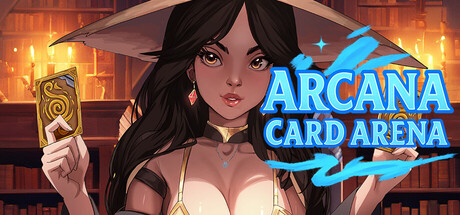
As an independent developer, I have used artificial intelligence to create some of the card images, as I do not have the necessary skills to make them myself; however, the plans for future releases include having enough capital for a real artist to create the graphics.
We have utilized AI-assisted design for the store materials and some 2D background images within the game. However, these are not purely AI-generated; they are based on our original photographs that were enhanced using AI technology, and subsequently refined manually to ensure quality.
Some visual assets in this software (character and background artwork) were partially created using AI-assisted tools.
The process involves an initial hand-drawn base illustration (line art and colors) made by the developer on a graphic tablet.
A local Stable Diffusion model is then used to refine details and assist with masking.
All AI-assisted results are manually edited, corrected, and finalized to ensure full compatibility and visual consistency.
No purely AI-generated assets are used without substantial human oversight and artistic contribution.
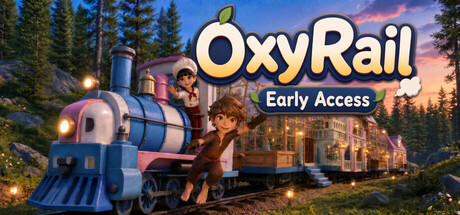
OxyRail contains a vast amount of content, with over 516 obtainable items currently available and many more planned for future updates. AI-generated content represents only a very small portion of the game. Due to the large number of items, we use AI-assisted tools in the creation of some item icons, certain background music tracks, and a very small number of visual assets to improve consistency and controllability during content production.
All AI-assisted content is carefully reviewed, adjusted, and further refined by hand to ensure it meets the artistic and design standards of the game.
We will continue to improve the game and gradually replace existing AI-assisted content with manually created assets whenever possible, increasing the proportion of original content over time.
This game uses AI-generated music and sound effects. These are created using licensed tools and reviewed by the development team for quality and originality. No external AI services are connected during gameplay.
Some team logos were created with the assistance of artificial intelligence and later manually refined. Promotional images were not generated by AI, but AI tools were used to adjust their final appearance. The main theme music was composed using an AI tool (Suno). No AI-generated content is created during gameplay.
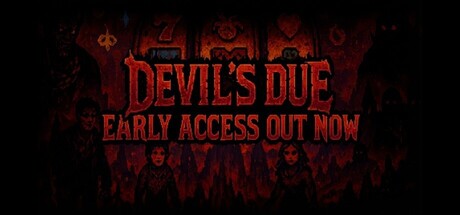
I built Devil's Due as a weekend project, using Claude Opus for coding support and AI for the art assets (since I’m not exactly a 2D artist). I wanted to see if I could create something fun with AI assistance, and I really hope you guys enjoy playing it!
Some of the image assets in this game have been manually modified on an AI-generated basis, and some of the text has been adjusted with the assistance of AI.
This game is the result of individual development. AI was used as a supportive tool for brainstorming, as well as for experimentation in programming, graphics, and music. No AI-generated content was included in the game without modification: every element was revised, edited, and manually refined for the final version.
Some voiceovers and select images in this game were created using AI-assisted tools, such as ElevenLabs for voice acting and other image-generation tools during development. All AI-generated content was produced before release and is fully pre-rendered — no generative AI runs in real time during gameplay. All content is fixed in the shipped build and reviewed to comply with copyright and content guidelines.
Generative AI is currently used to create certain pre-rendered visual assets, including promotional artwork and some in-game visuals.
All gameplay systems, mechanics, and code are developed manually.
We use generative AI tools in a very limited way to create minor in-game image assets and a small amount of marketing materials, always with human oversight and input. All core game content is carefully designed, authored, and curated by our development team to ensure quality and originality.
Some visual assets in this game were initially generated using AI tools and then manually edited and refined by artists. No AI systems influence gameplay or player data.
Some art, music, and code structures in this game were assisted by AI tools during development.
All outputs have been reviewed, refined, and integrated by human developers to ensure consistent style and high-quality gameplay experience.
We used generative AI tools to assist with the creation of some marketing assets and non-essential game content.
Specifically, AI was used to generate character voice lines via TTS, decorative images for UI or promotional materials, and to assist with writing flavor text and descriptions.
All final content was reviewed and edited by the development team to ensure quality and originality.
This title uses generative AI only for pre-generated content. During development, a small set of UI visuals (buttons/icons) and promotional artwork (such as logos and store images) were created with image-generation tools and then manually edited. No AI runs at gameplay time: there is no real-time AI for text, voice, art, levels, NPCs, or moderation. All outputs were reviewed to avoid copyright or trademark infringement and to avoid replicating the style of identifiable living artists.
We have used AI images and videos (backgrounds etc). All voices are NOT ai, code is NOT ai, music is NOT ai. The game does not generate more ai, it is just the video and image assets.
The characters voices are generated by Eleven labs.
The Music is generated by Suno AI.
Character images used in picture frames are generated by Chat GPT.
During the development of this game, AI tools were utilized to accelerate the production process and to assist a solo developer in realizing their vision. The use of AI was concentrated in two main areas:
Coding and Software Development: This AI language model (Gemini) was used as an assistant for writing, debugging, and refactoring the game's C# scripts for Unity. All code logic, game design, and final architectural decisions were directed by the developer. Code snippets generated by the AI were reviewed and integrated into the project by the developer.
3D Model and Asset Generation: AI-powered image and model generation tools were used to create some of the 3D models and other visual assets in the game. These tools served as a source of inspiration and a starting point to speed up the development workflow. All generated assets were curated, edited, and finalized by the developer to fit the artistic vision of the game.
The creative vision, game design, and the final version of the game were shaped entirely by human direction and effort.
Some in-game illustrations were initially created using AI-generated images to speed up the creative process. These visuals are now progressively being replaced with original artwork by our artists to better match the game’s style. Eventually, all AI-generated images will be removed from the game.
As a solo developer, I use AI selectively to speed up my workflow, not to replace creativity, but to support it. For example, I may use AI to assist with generating or processing certain audio files, which are then carefully edited and curated before being included in the game. No 3D assets AI-generated. I believe in using AI as a tool to enhance development, not automate it, and I strive to be transparent about its use.
All illustration assets in this game were created using generative AI tools (Whisk and ImageFX). All remaining work required to produce the game—from UI design and editing to layout and event scripting—was manually crafted by the developer. AI-generated content is limited to static illustration assets only, and the game does not include any real-time AI generation features.
As an independent developer, I have used artificial intelligence to create some of the card images, as I do not have the necessary skills to make them myself; however, the plans for future releases include having enough capital for a real artist to create the graphics.
We have utilized AI-assisted design for the store materials and some 2D background images within the game. However, these are not purely AI-generated; they are based on our original photographs that were enhanced using AI technology, and subsequently refined manually to ensure quality.
Some visual assets in this software (character and background artwork) were partially created using AI-assisted tools.
The process involves an initial hand-drawn base illustration (line art and colors) made by the developer on a graphic tablet.
A local Stable Diffusion model is then used to refine details and assist with masking.
All AI-assisted results are manually edited, corrected, and finalized to ensure full compatibility and visual consistency.
No purely AI-generated assets are used without substantial human oversight and artistic contribution.
OxyRail contains a vast amount of content, with over 516 obtainable items currently available and many more planned for future updates. AI-generated content represents only a very small portion of the game. Due to the large number of items, we use AI-assisted tools in the creation of some item icons, certain background music tracks, and a very small number of visual assets to improve consistency and controllability during content production.
All AI-assisted content is carefully reviewed, adjusted, and further refined by hand to ensure it meets the artistic and design standards of the game.
We will continue to improve the game and gradually replace existing AI-assisted content with manually created assets whenever possible, increasing the proportion of original content over time.
This game uses AI-generated music and sound effects. These are created using licensed tools and reviewed by the development team for quality and originality. No external AI services are connected during gameplay.
Some team logos were created with the assistance of artificial intelligence and later manually refined. Promotional images were not generated by AI, but AI tools were used to adjust their final appearance. The main theme music was composed using an AI tool (Suno). No AI-generated content is created during gameplay.
I built Devil's Due as a weekend project, using Claude Opus for coding support and AI for the art assets (since I’m not exactly a 2D artist). I wanted to see if I could create something fun with AI assistance, and I really hope you guys enjoy playing it!
Some of the image assets in this game have been manually modified on an AI-generated basis, and some of the text has been adjusted with the assistance of AI.
This game is the result of individual development. AI was used as a supportive tool for brainstorming, as well as for experimentation in programming, graphics, and music. No AI-generated content was included in the game without modification: every element was revised, edited, and manually refined for the final version.
Some voiceovers and select images in this game were created using AI-assisted tools, such as ElevenLabs for voice acting and other image-generation tools during development. All AI-generated content was produced before release and is fully pre-rendered — no generative AI runs in real time during gameplay. All content is fixed in the shipped build and reviewed to comply with copyright and content guidelines.
Generative AI is currently used to create certain pre-rendered visual assets, including promotional artwork and some in-game visuals.
All gameplay systems, mechanics, and code are developed manually.
We use generative AI tools in a very limited way to create minor in-game image assets and a small amount of marketing materials, always with human oversight and input. All core game content is carefully designed, authored, and curated by our development team to ensure quality and originality.
Some visual assets in this game were initially generated using AI tools and then manually edited and refined by artists. No AI systems influence gameplay or player data.
Some art, music, and code structures in this game were assisted by AI tools during development.
All outputs have been reviewed, refined, and integrated by human developers to ensure consistent style and high-quality gameplay experience.
We used generative AI tools to assist with the creation of some marketing assets and non-essential game content.
Specifically, AI was used to generate character voice lines via TTS, decorative images for UI or promotional materials, and to assist with writing flavor text and descriptions.
All final content was reviewed and edited by the development team to ensure quality and originality.
This title uses generative AI only for pre-generated content. During development, a small set of UI visuals (buttons/icons) and promotional artwork (such as logos and store images) were created with image-generation tools and then manually edited. No AI runs at gameplay time: there is no real-time AI for text, voice, art, levels, NPCs, or moderation. All outputs were reviewed to avoid copyright or trademark infringement and to avoid replicating the style of identifiable living artists.
We have used AI images and videos (backgrounds etc). All voices are NOT ai, code is NOT ai, music is NOT ai. The game does not generate more ai, it is just the video and image assets.
The characters voices are generated by Eleven labs.
The Music is generated by Suno AI.
Character images used in picture frames are generated by Chat GPT.
During the development of this game, AI tools were utilized to accelerate the production process and to assist a solo developer in realizing their vision. The use of AI was concentrated in two main areas:
Coding and Software Development: This AI language model (Gemini) was used as an assistant for writing, debugging, and refactoring the game's C# scripts for Unity. All code logic, game design, and final architectural decisions were directed by the developer. Code snippets generated by the AI were reviewed and integrated into the project by the developer.
3D Model and Asset Generation: AI-powered image and model generation tools were used to create some of the 3D models and other visual assets in the game. These tools served as a source of inspiration and a starting point to speed up the development workflow. All generated assets were curated, edited, and finalized by the developer to fit the artistic vision of the game.
The creative vision, game design, and the final version of the game were shaped entirely by human direction and effort.
Some in-game illustrations were initially created using AI-generated images to speed up the creative process. These visuals are now progressively being replaced with original artwork by our artists to better match the game’s style. Eventually, all AI-generated images will be removed from the game.
As a solo developer, I use AI selectively to speed up my workflow, not to replace creativity, but to support it. For example, I may use AI to assist with generating or processing certain audio files, which are then carefully edited and curated before being included in the game. No 3D assets AI-generated. I believe in using AI as a tool to enhance development, not automate it, and I strive to be transparent about its use.
All illustration assets in this game were created using generative AI tools (Whisk and ImageFX). All remaining work required to produce the game—from UI design and editing to layout and event scripting—was manually crafted by the developer. AI-generated content is limited to static illustration assets only, and the game does not include any real-time AI generation features.